What happens after the dream trip, creative deep dive, or soul-searching break ends? You’ve rested, maybe rediscovered parts of yourself, but now the emails are back, the calendar’s filling up, and the quiet mornings are gone. Sabbaticals, once rare, are becoming more common as people seek relief from years of burnout. But while starting a break feels exciting, coming back can feel confusing.
In this blog, we will share what happens after the break ends, how to return without losing the clarity you gained, and how to prepare for what often gets overlooked when you decide to hit pause.
The Reentry Feels… Off
Coming back from a sabbatical can feel strange. Time moved slower during the break—mornings had space, nights ended peacefully. Then suddenly, you’re back in the rush of deadlines, messages, and errands. Meanwhile, the world didn’t pause. People changed, life moved on.
And you’re not stepping back into the same life—you’re stepping into a new version of it.
That’s when the hard part hits: how do you carry what you learned back into a reality that didn’t wait for you?
Reality Doesn’t Wait—So Don’t Either
Breaks don’t fix everything. They give clarity, but without action, old habits return fast. That’s why planning your reentry matters. Make space for change—adjust your schedule, protect your time, and build in small routines that reflect what you’ve learned. If you’re thinking about working less or shifting careers, give yourself financial breathing room. Flexibility feels freeing, but it works best with a plan behind it.
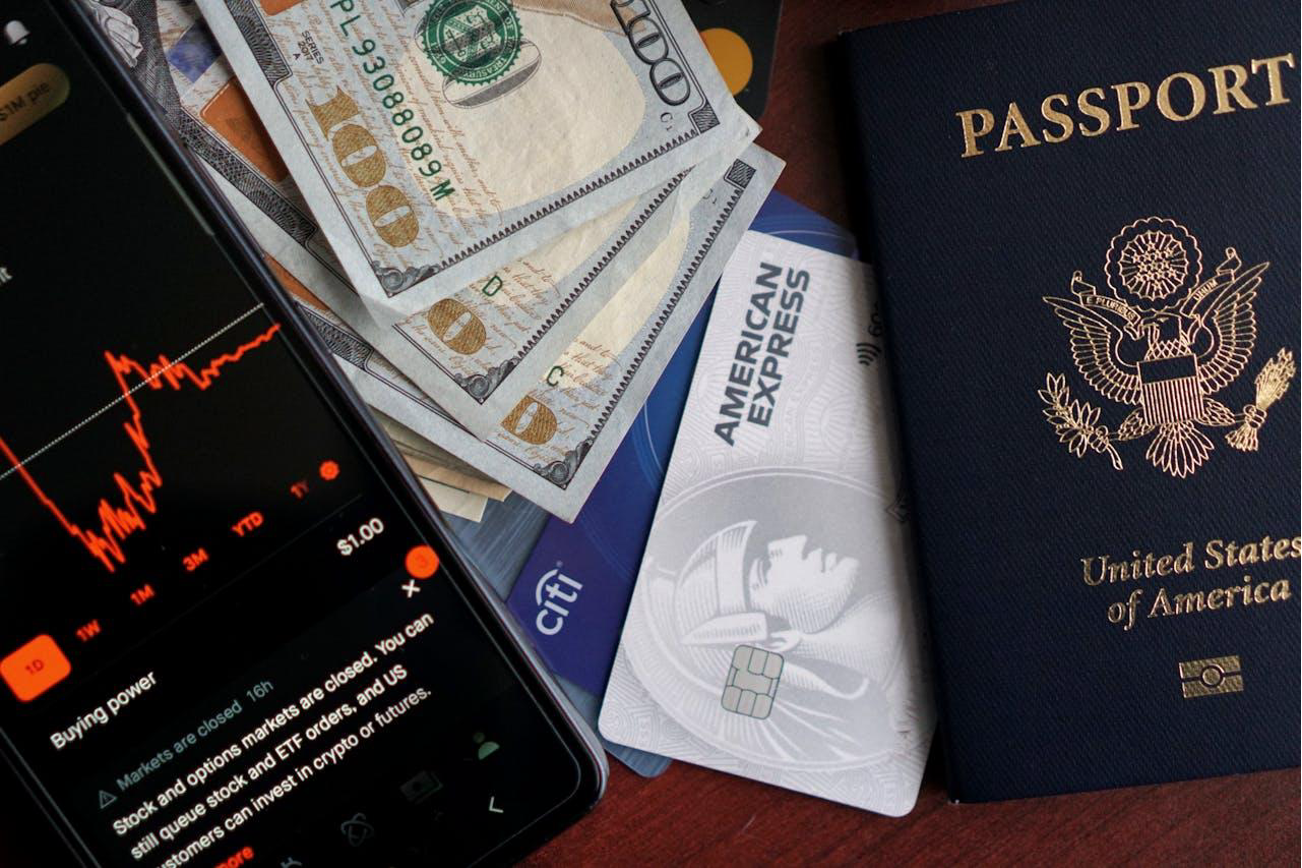
If you made any kind of financial shift before your break, now’s the time to reassess. Did you pause retirement contributions? Dip into savings? Delay investing? Don’t wait to get back on track.
Even something like opening a Roth IRA account can make a big difference over time, especially if you’re moving into less predictable income. Having it in place adds structure. It also gives you a sense of continued momentum, even if you’re not earning what you used to. You’re still preparing for your future. You’re just doing it differently.
Also, make sure you budget for the emotional aftermath. Not with money, but with time and support. You might feel isolated. People won’t always understand what you’re going through. You changed while they stayed the same. That gap can feel lonely.
Your Old Life Might Not Fit Anymore
One of the most jarring parts of coming back is realizing you don’t want the things you used to chase.
Maybe you used to measure success by productivity. Now, the idea of doing less actually excites you. Or maybe your relationships shifted. Time away can show you who feels like home and who just filled the calendar.
This isn’t about cutting people off or quitting everything. It’s about editing your life. Sabbaticals offer a mirror. When the mirror’s gone, you have to remember what it showed you.
It helps to list out the lessons—literally. What felt good during the break? What didn’t? What surprised you? Keep the list somewhere you’ll actually see it. Your fridge. Your nightstand. The lock screen on your phone.
You can also create rituals that hold onto the energy of the break. Maybe it’s a weekly walk with no phone. A new hobby you picked up. Saying no more often. You don’t need to overhaul your life. You just need to protect the pieces that matter.
Because once you start living with intention, even small choices—how you spend your mornings, who you text back, what you say yes to—begin to shape an entirely new version of you.
The Pressure to “Do Something With It” Is Real
A strange thing happens after a sabbatical. People start asking what you “got out of it.” As if rest needs to prove something. As if you need to come back with a book deal or a new business plan.
You don’t owe anyone a perfect story. It’s okay if your sabbatical wasn’t productive. It was yours. That’s the point. Some people go off the grid and return with clarity. Others spend three months binge-watching documentaries and come back rested. Both are valid.
But if the pressure starts building—if you feel like you should do something big now—pause. Ask if that feeling is coming from you or from other people.
You might end up making a change. You might not. The real growth sometimes shows up months later. When you say no to a toxic client. Or choose to work from home more. Or decide that burnout isn’t a badge of honor anymore.
The shift doesn’t always need to be loud. It just needs to be honest.
When Routine Feels Like a Stranger
There’s a quiet shock in realizing you’ve forgotten how to live your old life. The routines that once felt automatic—morning commutes, office chatter, even grocery shopping—now feel foreign. You’ve seen a different pace of living, and suddenly the old one feels too tight. It’s not that your life got worse. It’s that you outgrew it.
Many people come back from a sabbatical expecting to slip back into their old rhythm, but the body and mind don’t sync that easily. You might crave slowness while everything around you demands speed. You might sit at your desk and wonder why your focus feels scattered, or why the same work that once gave you pride now feels dull. That’s not laziness—it’s recalibration.
A Break is Just the Beginning
Most people think the sabbatical is the end goal. Time off. The big reset. But the real journey starts after it ends.
That’s when the choices begin. Will you go back to who you were before? Or will you let what you learned reshape the life you return to?
You don’t need all the answers right away. But you do need to stay awake. It’s easy to fall asleep at the wheel once you’re back in motion. To move fast. To forget.
But remember how good it felt to slow down?
You can still carry that with you. Even now. Even here. Especially here.