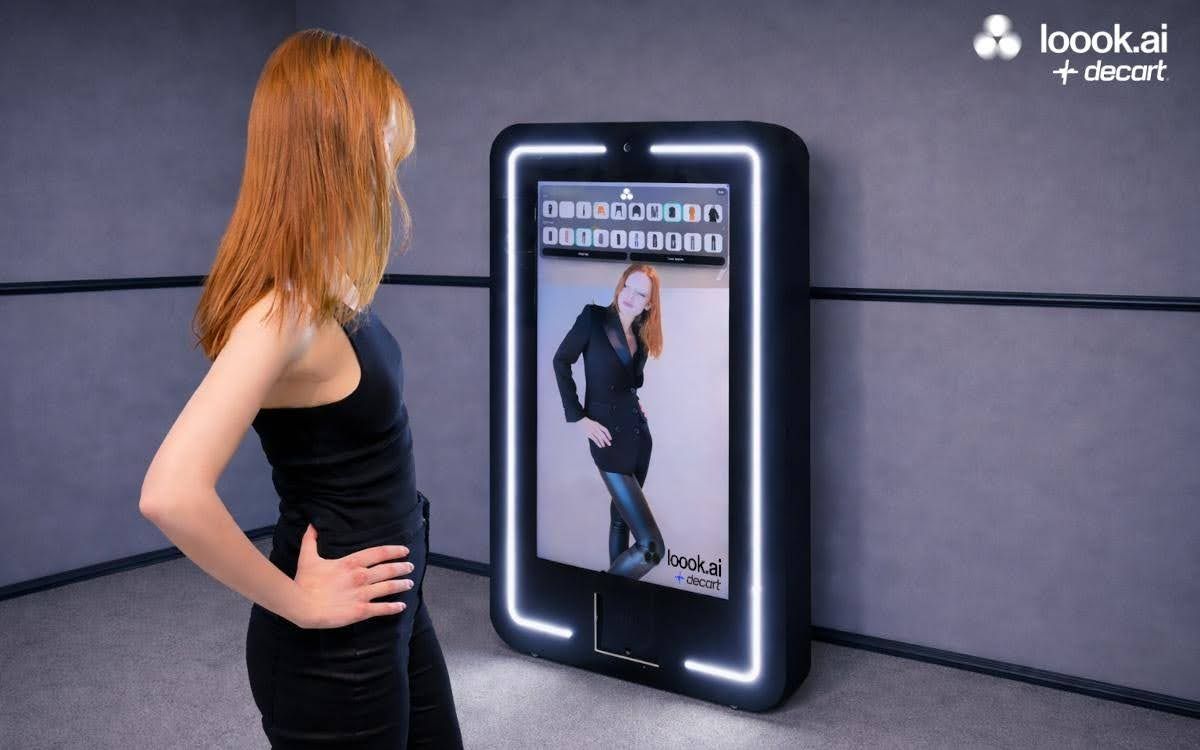
AI is quickly becoming one of the most talked-about technologies in online shopping and physical retail. Brands are using AI-powered virtual try-on to let customers virtually wear clothes through websites, mobile devices, interactive storefronts, and smart mirrors. Instead of imagining how a piece might look, shoppers can generate a digital version of themselves wearing it almost instantly.
But does AI clothing try-on actually help us understand what we are buying? Or does it simply produce a polished fantasy designed to make us click “add to cart”?
The answer, like most things involving artificial intelligence, is probably both.
Your New Fitting Room Is an Algorithm
A traditional virtual fitting room places digital clothing over a live camera image, working like an advanced social media filter that tracks the body and positions the product on top.
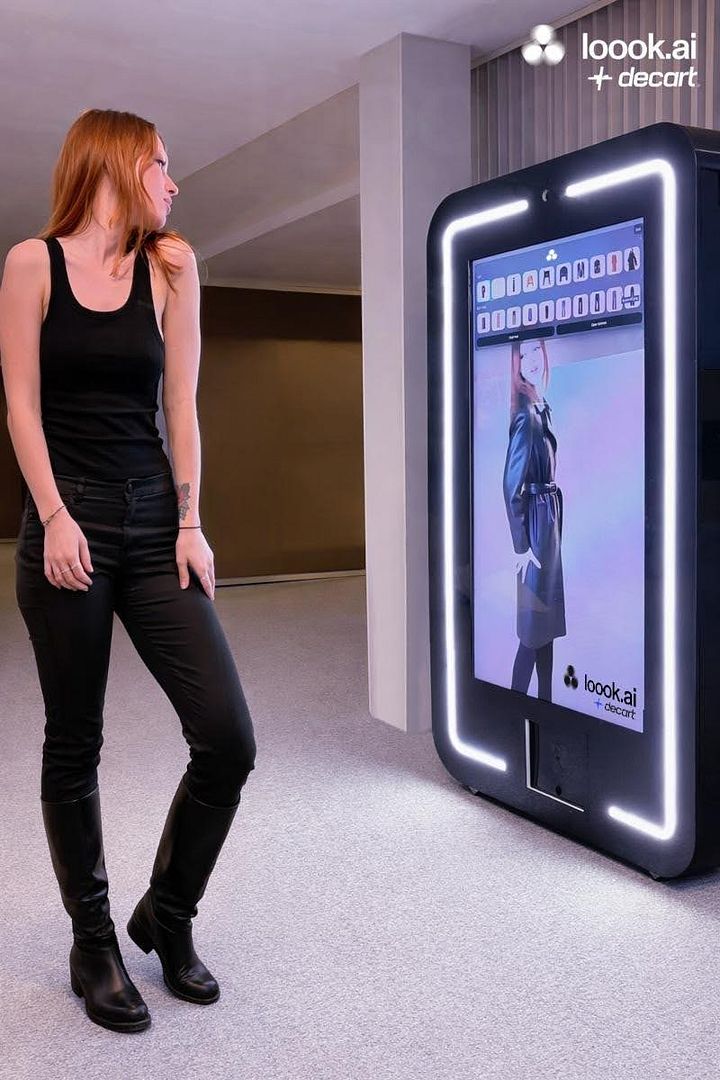
Generative AI fashion try-on goes further. It creates a new image that preserves the user’s face, pose, and overall appearance while realistically recreating the selected outfit. Fabrics fold around the body, sleeves follow the arms, and complete looks can appear ready for a campaign shoot.
Users can often switch between products, compare colors, test full outfits, and save or share the result. It is less like trying on one item and more like instantly exploring multiple versions of your wardrobe.
Youtube: https://www.youtube.com/shorts/UfWcO1EF-nY
Why AI Fashion Try-On Makes Sense for Gen Z
Gen Z rarely discovers fashion by slowly browsing department-store rails. Fashion now moves through TikTok outfit checks, Instagram saves, resale platforms, Pinterest boards, creator collaborations, and fast-changing aesthetic communities.
One week it is off-duty ballerina; the next, indie sleaze, football jerseys, or office siren tailoring. AI fashion try-on fits naturally into this world because it makes experimentation immediate.
You can test a metallic coat, explore quiet luxury, or try a runway-inspired look without committing to the purchase or the identity. Try it, save it, share it, or move on.
This is where AI in fashion becomes more than a shopping tool. For a generation used to avatars, filters, gaming skins, and evolving online personas, digital clothing becomes another way to experiment with identity.
The End of Fitting-Room Friction
The biggest advantage of AI clothing try-on is speed. Shoppers can explore dozens of items without changing clothes, waiting for a fitting room, or searching for another size.
Online, virtual try-on also makes product discovery feel more personal by answering the question every shopper asks: “What would this look like on me?”
In stores, AI mirrors and interactive displays can turn browsing into entertainment. Customers can move through an entire collection on-screen, while retailers can showcase more products than they physically stock.
For people who dislike fitting rooms, have limited mobility, or prefer shopping without pressure, the experience can feel easier and more comfortable.
That sounds like real innovation—until the digital outfit looks better than the real one.
Realistic Does Not Always Mean Accurate
AI-generated fashion visuals can look highly convincing, but realism is not the same as accuracy.
A virtual try-on may show the garment’s color, silhouette, and overall style, yet fail to capture how the fabric feels, moves, stretches, or fits. A satin dress may fall perfectly on-screen but wrinkle in real life. A tailored jacket may look sharp without revealing that it feels tight across the shoulders.
Many AI try-on tools are therefore better at inspiration than precise size prediction. They can help shoppers imagine an outfit, but they cannot always show whether it will be comfortable or fit correctly.
Used as a visualization tool, AI try-on can be useful and fun. Presented as a perfect replacement for the fitting room, it can become misleading.
Personal Style, Powered by Someone Else’s Algorithm
AI can suggest outfits, combine products, and introduce users to styles they might not choose themselves. That can make fashion feel more personal—but also more predictable.
Recommendation systems learn from what people click, save, buy, and share, often promoting the looks already performing well. A trend gains attention, algorithms recommend it, more people post it, and the cycle repeats.
AI styling does not remove creativity, but it can quietly shape it. The question is no longer only, “Does this suit me?” It is also, “Why did the algorithm choose it?”
Could AI Try-On Make Fashion More Sustainable?
AI fashion try-on could help shoppers make better choices and reduce unnecessary returns or physical samples. But it may also make shopping faster, easier, and more impulsive.
Virtual try-on removes friction, encouraging users to explore more products and follow more recommendations. Generative AI also requires energy and computing infrastructure.
The technology is not automatically sustainable. Its impact depends on whether it helps people choose more carefully—or simply turns shopping into an endless game.
The Fashion Store Becomes a Content Studio
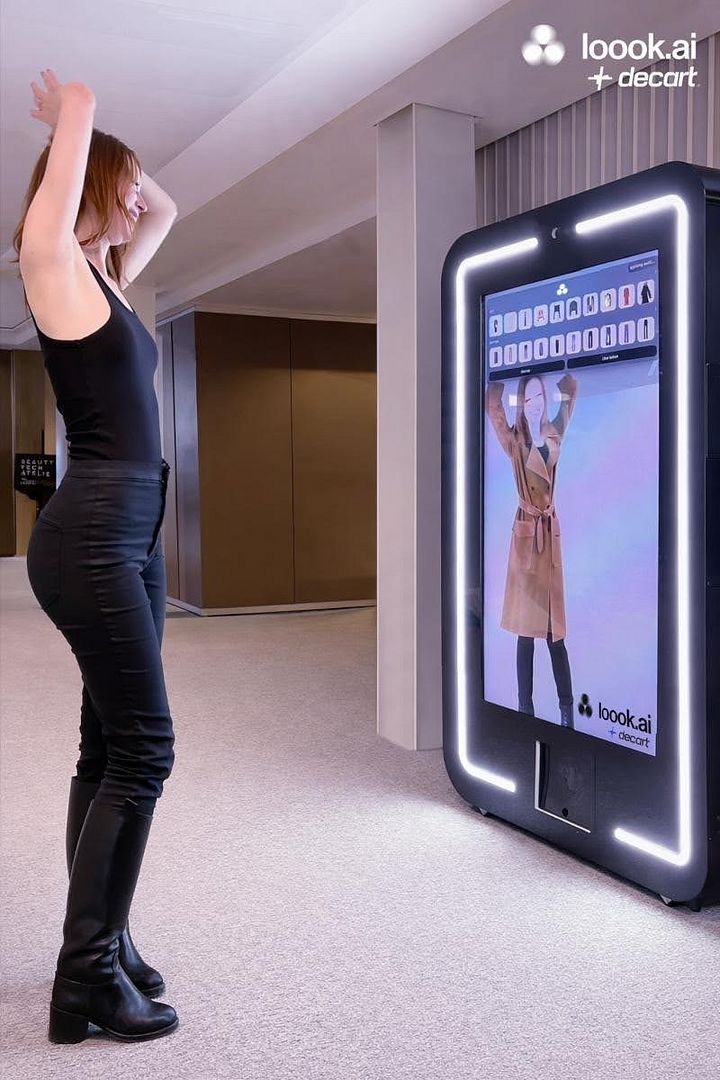
AI fashion try-on is turning physical stores into interactive content spaces. Through smart mirrors and storefront screens, shoppers can explore different looks, create shareable images, and engage with collections without entering a traditional fitting room. FFFACE.ME and LOOOK.AI brought this concept to life for H&M × Stella McCartney, allowing visitors to try more than 40 digital outfits through an AI-powered retail experience. The activation showed how fashion technology can make product discovery faster, more playful, and more connected to the way Gen Z creates and shares content.
What Does AI Mean for Fashion Creatives?
AI try-on is changing the work of photographers, stylists, designers, models, and production teams. It can speed up concepting, test looks, support retail experiences, and create personalized content at scale.
But faster production can also mean fewer paid opportunities. Rather than simply replacing creatives, AI is more likely to redefine their roles—from directing generated looks to designing digital garments and interactive campaigns.
Fashion is still more than the final image. It depends on taste, emotion, movement, and cultural context—things AI can imitate but not truly experience.
Youtube: https://www.youtube.com/shorts/lXF-XOdhb6k
What a Trustworthy Virtual Fitting Room Should Look Like
A trustworthy AI try-on should clearly explain what it can and cannot do. It should separate outfit visualization from size prediction, reproduce garment details accurately, and avoid changing the user’s body or face without consent.
Privacy and representation matter too. Users should know how their images are processed and stored, while the technology should work across different body types, skin tones, poses, and identities.
The best systems will not make everyone look perfect. They will make the experience accurate, transparent, inclusive, and useful.
So, Is AI Fashion Try-On Innovation or Illusion?
AI fashion try-on is innovation when it improves discovery, removes friction, and makes shopping more interactive. It becomes an illusion when a generated image is treated as proof of fit, comfort, or reality.
The real challenge is trust. Shoppers need to know that what they see digitally reflects the product they will receive.
AI may not replace the physical mirror, but it is already changing what we expect it to show us—not only what we are wearing, but who we might become.