For decades, cracking open a beer or ordering a round of cocktails was the default ritual for almost any social occasion. It did not matter if it was a Friday night out, a festival, a first date, or just a Tuesday after work – alcohol was the assumed choice. That assumption is now quietly falling apart.
Something is shifting in the cultural relationship with drinking, and it is not just a passing wellness trend or a January detox phase. The change is structural and generational and is showing up clearly in the data. Younger consumers in particular are rethinking not just how much they drink, but whether alcohol belongs in their social lives at all. And into that gap, a new category of drink is moving fast: THC beverages.
A New Market Finding Its Feet
The commercial side of this shift has caught up quickly with the cultural one.
According to research, the global cannabis beverages market was valued at over $1.16 billion in 2023 and is projected to reach $3.86 billion by 2030 – growing at a compound annual rate of more than 19%. North America accounts for the largest share of that growth, driven by a combination of expanding state-level legalization, the 2018 Farm Bill enabling hemp-derived products to move through mainstream retail channels, and consumer demand that is now crossing over from the traditional cannabis market into the general beverage aisle.
That last point is significant. THC beverages are not confined to dispensaries anymore. Consumers in states where these products are legal can find THC drink stores using dedicated retail locators that map thousands of locations – from grocery chains and liquor retailers to bars and convenience stores. The barriers to access that once slowed this category down have largely disappeared.
The product range has matured alongside the distribution. What is on shelves now looks nothing like the early attempts. The current generation of THC beverages includes:
| Format | Typical THC dose | Primary occasion |
| Sparkling seltzer | 5-10mg | Casual social, parties |
| Still / flavoured water | 2-5mg | Everyday, low-key relaxation |
| Spirit alternative | 10-20mg | Cocktail occasion, bars |
| Shots / concentrates | 5-25mg | On-the-go, flexible dosing |
The format variety matters. A 2.5mg sparkling water is a very different proposition from a 20mg spirit alternative, and the category now covers both ends of that range – and everything in between.
The Numbers Behind the Shift
The cultural drift away from alcohol has been building for years, but recent research has made the scale of it difficult to ignore. According to a 2025 Gallup survey reported by Fortune, a record 53% of U.S. adults now say that moderate drinking is bad for their health – up from just 28% a decade ago. That is not a fringe view anymore. It is the majority position.
The behavior is tracking alongside the attitude shift. The same Gallup data found that only 54% of Americans say they currently drink alcohol, one of the lowest figures on record in the past three decades. That is a meaningful decline, led primarily by young adults.
A report from NCSolutions, a Circana company, put even sharper numbers on the trend. Nearly half of all Americans planned to drink less in 2025 – a 44% increase from the equivalent figure in 2023. Among Gen Z specifically, the same report found:
- 65% planned to cut back on alcohol in 2025
- 39% intended to go completely dry for the full year – not just Dry January
- 38% said they were interested in trying THC- or CBD-infused drinks as an alternative, up significantly from the prior year
- 37% of millennials expressed the same interest in cannabis-infused beverages
The interest in what comes next is tracked in lockstep with the retreat from alcohol.
What Is Driving It
The reasons are layered, but a few themes keep surfacing across the research.
Health consciousness is the most obvious. The idea that moderate drinking could be harmless – or even mildly beneficial – has been losing scientific credibility for years. The conversation around alcohol and cancer risk, liver health, sleep disruption, and anxiety has become mainstream, and younger adults have absorbed it more readily than older cohorts who grew up with different messaging. When the U.S. Surgeon General moved to put cancer warning labels on alcohol bottles in early 2025, it crystallized a shift that had been building for a long time.
There is also a broader wellness culture at play. For a generation that tracks sleep scores, approaches nutrition with intention, and treats weekend self-care routines as a genuine priority, drinking four pints and feeling wrecked the next day simply does not fit the image people have of their lives. Hangovers are increasingly seen as a bad trade, not the natural cost of a good time.
Then there is the social dimension. How Gen Z socializes is fundamentally different from how millennials did at the same age – more time spent online, fewer occasions built around alcohol as the core activity. The alcohol-centric social ritual did not just become less appealing; it became less structurally central to how younger people actually spend their time.
Pull all of these threads together, and a consistent picture emerges. The forces pushing people away from alcohol are:
- Health awareness – growing scientific consensus that even moderate drinking carries real risks
- Wellness culture – a generation that views hangovers as incompatible with an intentional lifestyle
- Social media – sober-curious content and mental health conversations normalising drinking less
- Shifting socialisation patterns – fewer nights out, more online time, less occasion-led drinking
The Gap That Opened Up
Here is what is easy to miss in all of this: people have not stopped wanting to relax. They have not stopped wanting to feel a little different from how they feel at their desk on a Tuesday afternoon. They have stopped wanting the specific cost that alcohol charges for that feeling.
That cost – the hangover, the disrupted sleep, the low-grade anxiety the morning after, the empty calories, the occasional embarrassment – is increasingly seen as a deal that does not hold up. But the underlying desire for a social, mood-shifting drink has not gone anywhere.
This void is where the opportunity opened up, and THC beverages have moved quickly to fill it. Understanding why cannabis use has been growing steadily among adults who are not traditional cannabis users helps explain the momentum behind the drinks category specifically. For many people, the shift is less about cannabis as an identity and more about cannabis as a vehicle for the feeling they were already chasing from alcohol – relaxation, sociability, a slight softening of the edges – without the downsides attached to it.
The format matters a great deal here. Edibles are often associated with a delayed onset and an experience that can feel unpredictable, especially for newcomers. THC beverages, particularly those using nanoemulsion technology, deliver effects faster and in a format that people already know how to use in a social context. It is impossible to know how many gummies are too many. You crack open something that looks like any other can in the cooler, and the rest is familiar.
The Social Ritual, Reimagined
One of the more underappreciated aspects of this shift is that THC beverages do not ask people to opt out of the shared drink experience. They offer a way to stay inside it with a different product in hand.
That matters more than it might initially seem. The reason mocktails and non-alcoholic beers have only partially solved the alternative-drink problem is that they often deliver no functional effect. They are fine products, but they do not satisfy the part of the ritual that was always about how a drink makes you feel – not just what it looks like in your hand.
A THC seltzer does deliver that shift. It produces a mild, controllable change in mood and body that fits the social context comfortably. People are not retreating from bars, dinners, or rooftop gatherings to stay sober. They are bringing something new in the cooler, and most partygoers can’t tell the difference.
This transformation plays out practically in a few ways that set THC drinks apart from other non-alcohol alternatives:
- They deliver an actual mood shift, not just the appearance of participation
- Effects are more predictable than edibles, and faster-acting than most people expect
- The format – a can or bottle – removes any social friction around the choice
- Microdosing means the experience stays functional and social, not sedative
- No hangover, no calorie surplus, no next-day fog to manage
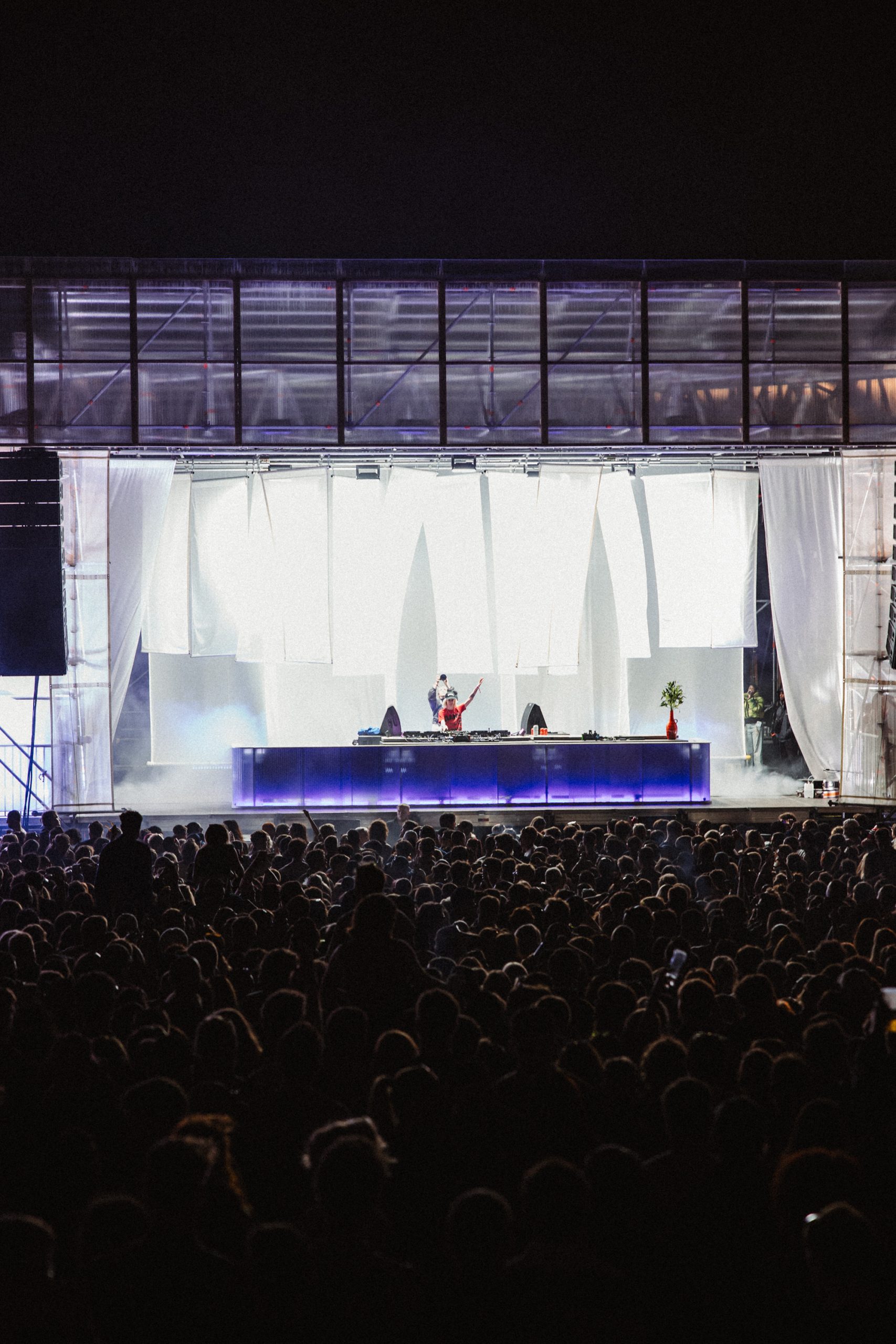
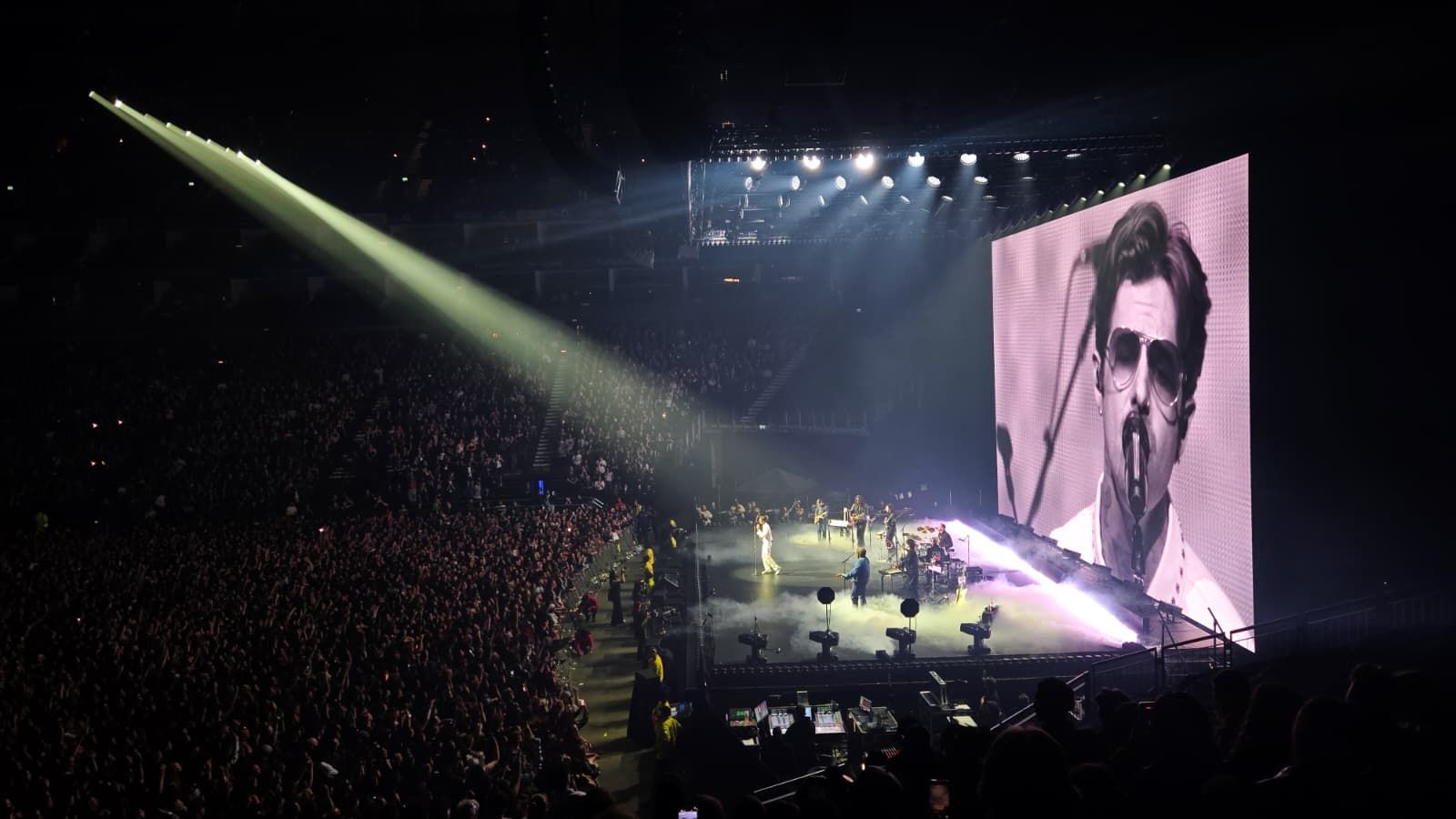
This is already appearing at hospitality venues, music events, and upscale bars that have begun adding cannabis-infused options alongside their alcohol and non-alcoholic menus. Increasingly, the industry is asking not whether these products belong in social settings, but how to serve them well.
The Direction of Travel
The question is not really whether THC beverages will continue to grow – the commercial and cultural indicators point clearly in one direction. The more interesting question is how quickly normalization catches up with availability.
Alcohol took generations to become the assumed social drink in the cultures that embraced it. Whatever replaces it, even partially, will not do so in a single market cycle. But the conditions for a sustained shift are in place. Younger adults are actively moving away from alcohol. Alternatives that deliver a functional effect – rather than just the appearance of one – are now available and accessible in mainstream retail. And the cultural permission to choose differently is broader than it has ever been.
The cool that alcohol once held – the sophistication of a well-made cocktail, the ease and familiarity of cracking a beer with friends – is not disappearing. It is slowly migrating toward whatever fills the moment next. Right now, THC beverages are making a compelling case that they are ready for it.