
Alexander Fahlberg is not interested in chasing trends. While much of electronic music moves at the speed of algorithms and short attention spans, the Stockholm-born producer is focused on building something slower, deeper and far more personal. His self-described “Nordic Melodic” sound blends emotional storytelling with hypnotic grooves, shaped as much by Scandinavian landscapes and long winter nights as by the energy of the dancefloor. Over the past few years, that approach has quietly turned him into one of Sweden’s most exciting electronic exports, earning support from Solomun, Black Coffee and Keinemusik while landing releases on some of the scene’s most respected labels.
With new track “Set Your Mind” with Cristoph out now, Fahlberg talks about the emotional core behind Nordic Melodic, why storytelling matters more than loops, the unexpected success of “Somebody,” and why authenticity may become electronic music’s most valuable currency.

Hey Alexander, great to meet you! How are things right now for you as we head into summer?
Exciting! I’ve been spending a lot of time in the studio and it feels like a lot of pieces are coming together at once. New releases, new shows, and a bigger creative world starting to take shape around what I call Nordic Melodic.
Your sound gets described as “Nordic Melodic” a lot. What does that actually mean to you emotionally and sonically?
Nordic Melodic is about contrast. There’s beauty and melancholy, but also hope and light. Sonically, it’s melodic house rooted in Scandinavian culture.
Emotionally I think it reflects where I come from. The long winters, the bright summer nights, the vast nature, and the feeling of solitude and reflection. I want people to feel something, not just dance. If someone listens to one of my tracks and feels like they’ve stepped into a different world for a few minutes, then I’ve succeeded.
Stockholm seems to influence a lot of electronic artists differently. How has growing up there shaped your production style?
Stockholm for sure has a unique musical heritage. Swedish music has generally been great at combining strong melodies with modern productions, and I think a lot of that comes from our folk music traditions. Melody has always been deeply rooted in our culture.
There’s also a mindset here that if someone else can do something, then you can too. We sometimes talk about ‘Jantelagen’ in a negative way, but there’s also a positive side to it. Success doesn’t feel unattainable. If another Swedish artist can reach the world, then why shouldn’t you be able to.
Your tracks balance emotional melodies with club energy really well. Which comes first for you: the groove or the emotion?
Always the emotion.
Once I have the emotional chords or melody, I usually try to visualize a story in my head. A place, a memory, a feeling, sometimes even an entire scene. Then the production becomes a way of telling that story through music.
If the emotional core isn’t strong enough, the rest doesn’t really matter. The groove can make people move, but emotion is what makes them remember. However it’s the combination of emotions and groove that needs to be there in order for it to work in both home and club setting.
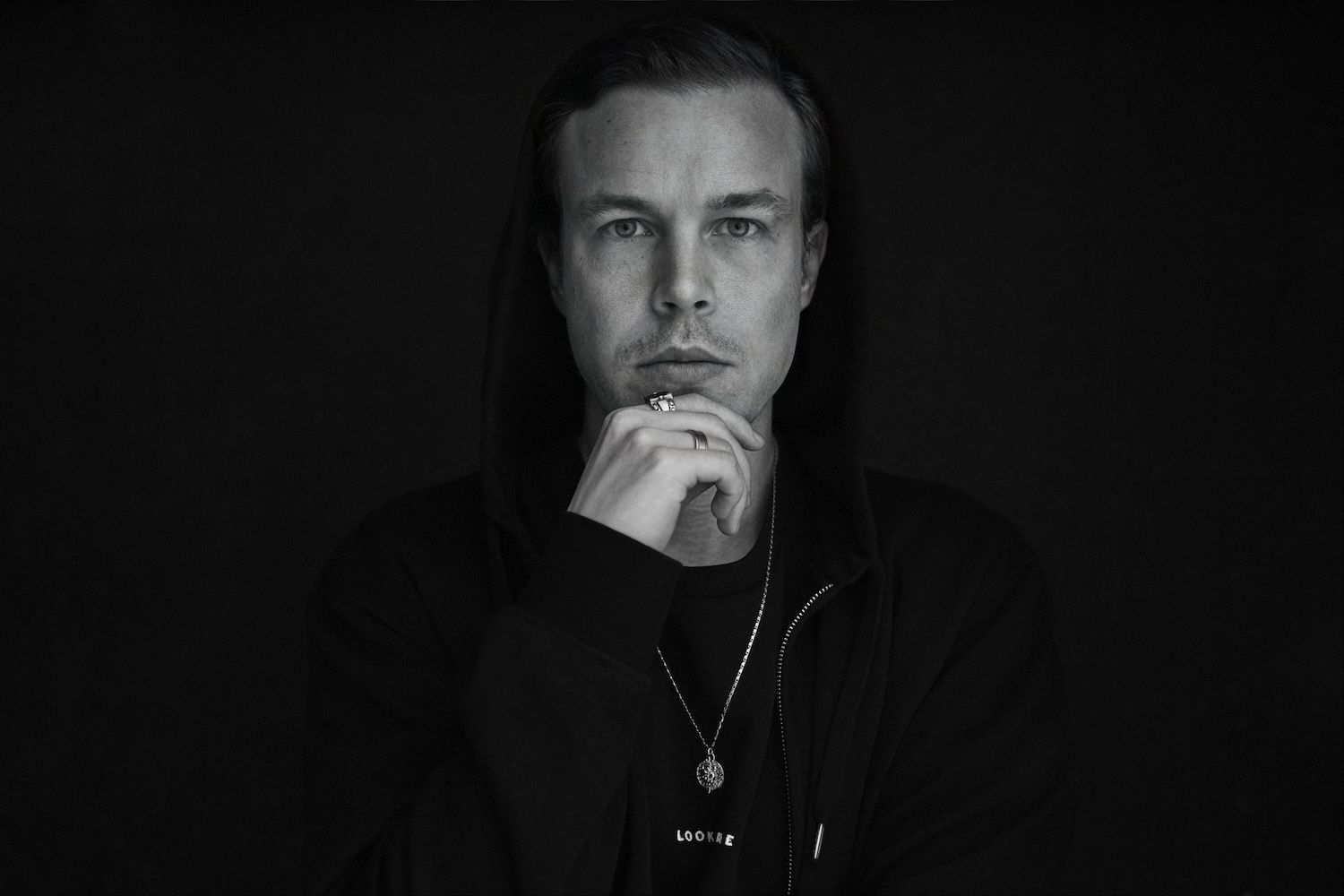
You’ve had support from artists like Solomun, Keinemusik, Black Coffee and Adriatique. Was there a specific moment where you realised your music was really connecting globally?
There wasn’t one specific moment.
It happened gradually over time through DJ support, streams and shows in different countries. But seeing people from all over the world sending messages about how a track connected with them is still an incredible feeling.
Music is a strange thing. You can make something alone in a studio in Stockholm and suddenly it becomes part of someone else’s life on the other side of the world. That’s pretty special. And it’s still hard to fully understand how something you created can have impacts on other peoples life.
“Somebody” became a huge record. Did you know while making it that it had something special?
Actually, no.
It started as a track we made for our DJ sets, and it took almost a year and a half before it was finally released. By then I’d almost forgotten about it.
Sometimes the songs you’re most confident about don’t connect at all, and other times a track surprises you completely. “Somebody” was definitely one of those surprises.
What’s one production habit or technique you think defines a Fahlberg track?
Storytelling.
I rarely think about music in terms of technical elements. I’m usually thinking about emotions, places and stories. Every sound should help move that story forward.
A lot of producers focus on building loops. I’m more interested in creating a journey where the track constantly evolves and feels alive. That’s probably the closest thing I have to a signature technique.
Afro house and melodic house have exploded globally in recent years. Where do you see the sound evolving next?
I think audiences are beginning to crave stronger artistic identities again.
For a while, a lot of music has been driven by trends and algorithms, but I think we’re moving toward something more personal. The artists who stand out will be the ones building genuine worlds around their music rather than following whatever sound is popular at the moment.
AI will be able to recreate almost any style, but it can never recreate a person’s lived experiences. I think authenticity is going to become our most valuable asset.
Are there any artists outside electronic music that heavily inspire your sound?
Absolutely.
Artists like Hans Zimmer, Bon Iver and Swedish band Kent have inspired me a lot. Not necessarily because of how they sound, but because of the emotions and worlds they create.
I’ve always been drawn to music that feels cinematic and honest. The genre doesn’t matter as much as the feeling it leaves behind.
If someone heard only one Fahlberg track to understand your artistic identity, which would you choose and why?
I’d probably choose “There’s Hope In Your Eyes.”
It captures everything I’m searching for in music: emotional depth, melody, hope, desire, longing and storytelling. But still works great for a dance floor.
For me, it’s probably the most authentic melody I’ve ever written, and it represents the heart of what feeling Nordic Melodic is all about.
Now just a fun one: if you could have any dream collaboration, past or present, who would it be?
Moby.
I’ve always admired his ability to combine electronic music with emotion and humanity. His music proves that dance music can be both intimate and universal at the same time, and that’s something I’ve always aspired to.
What else do you have exciting coming up that you can share with us?
A lot of new music.
I’m continuing to develop Nordic Melodic as both a sound and a creative world. There are some exciting collaborations, new releases and special live projects coming up that I’m really excited about.
I love the DJ world, but I also feel that a lot of people are trying very hard to fit into the same lane. Right now I’m more interested in doing the opposite. I’m focused on building something that feels timeless, unique and true to who I am as an artist. That feels much more exciting to me.
“Set Your Mind” with Cristoph is out now, follow via @fahlbergmusic