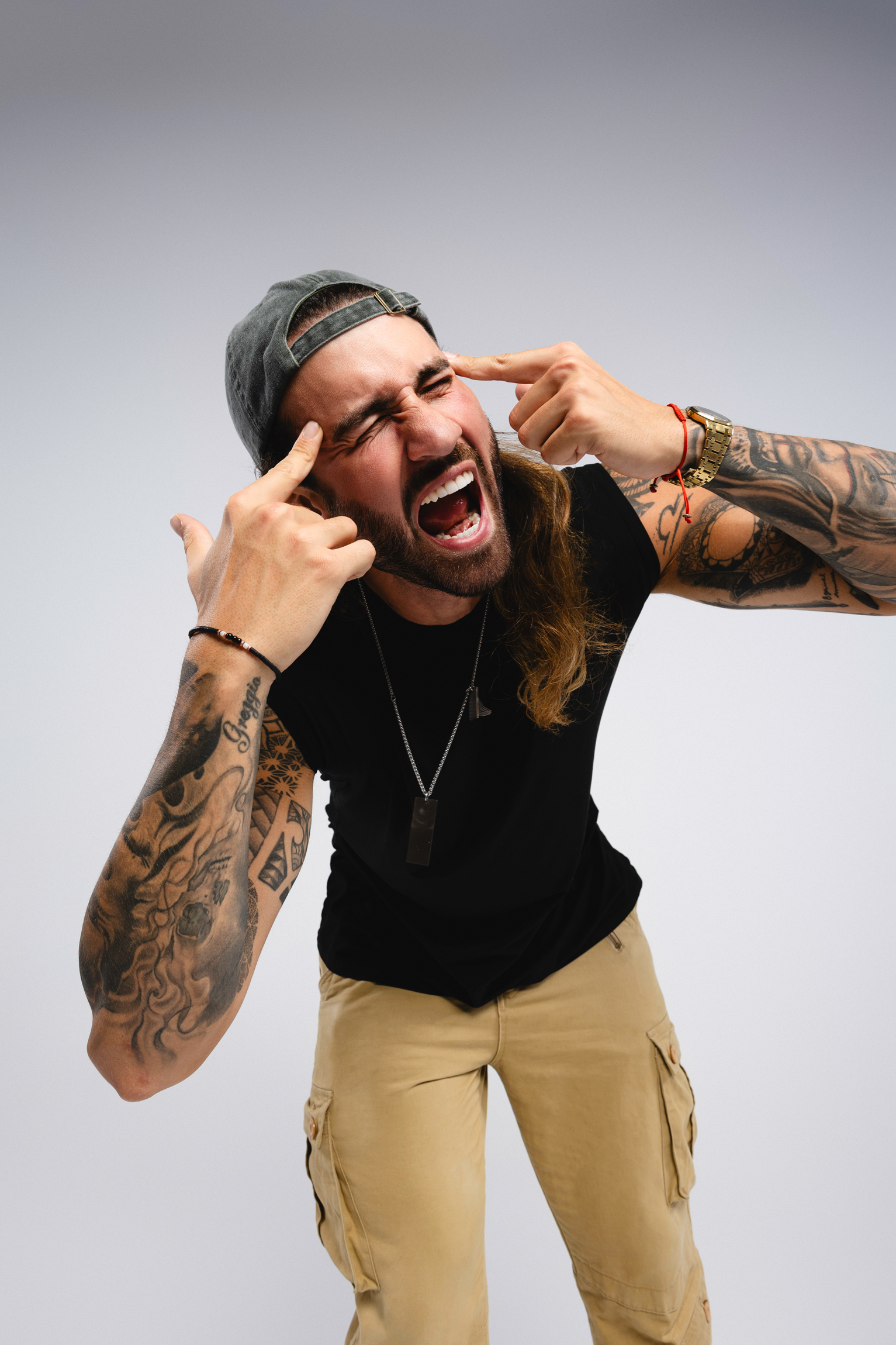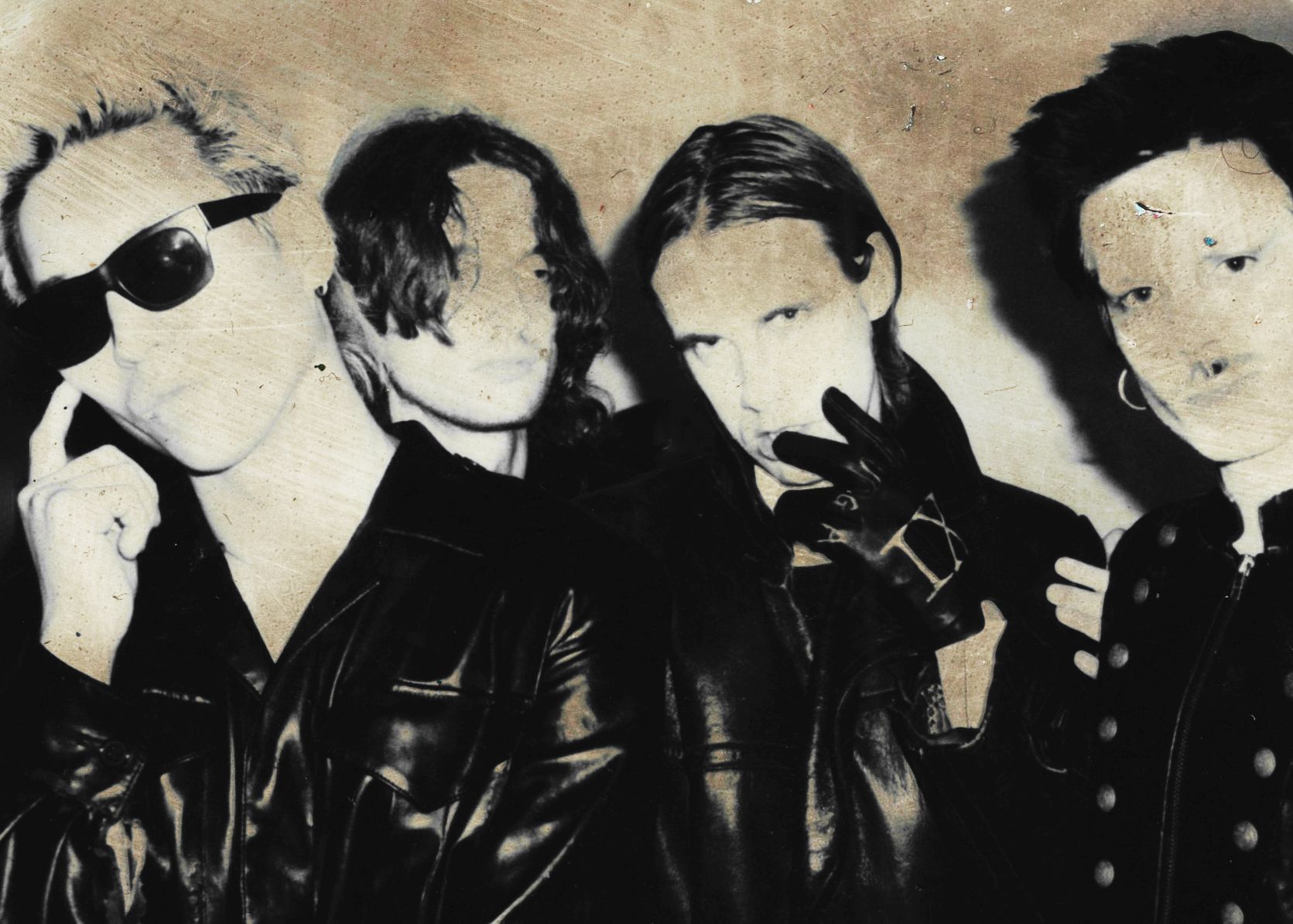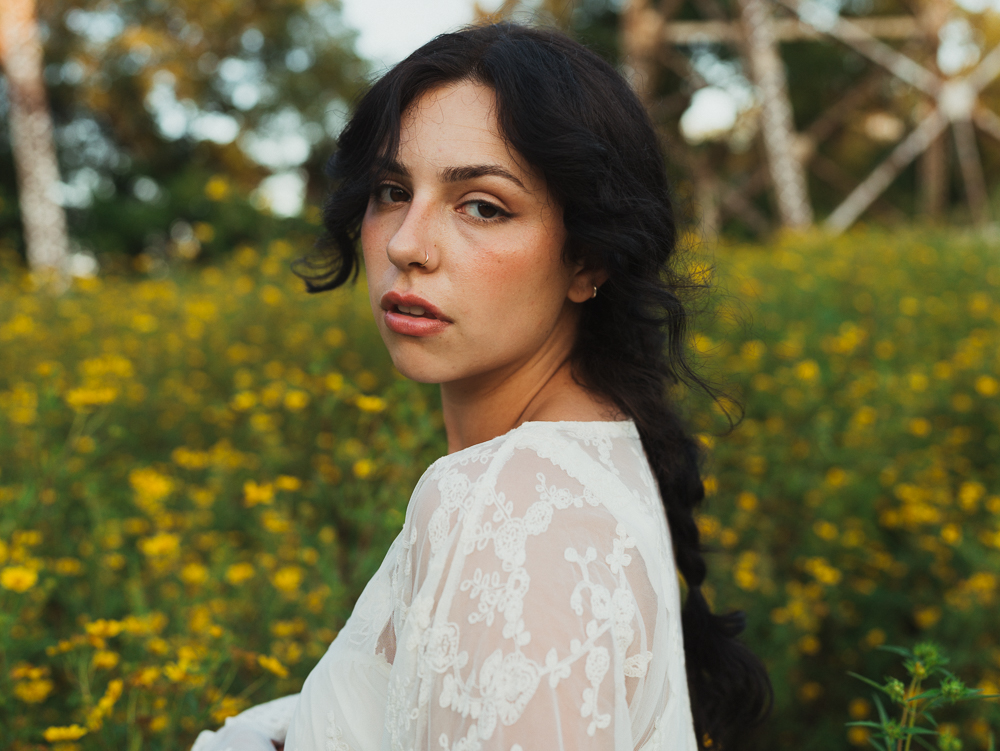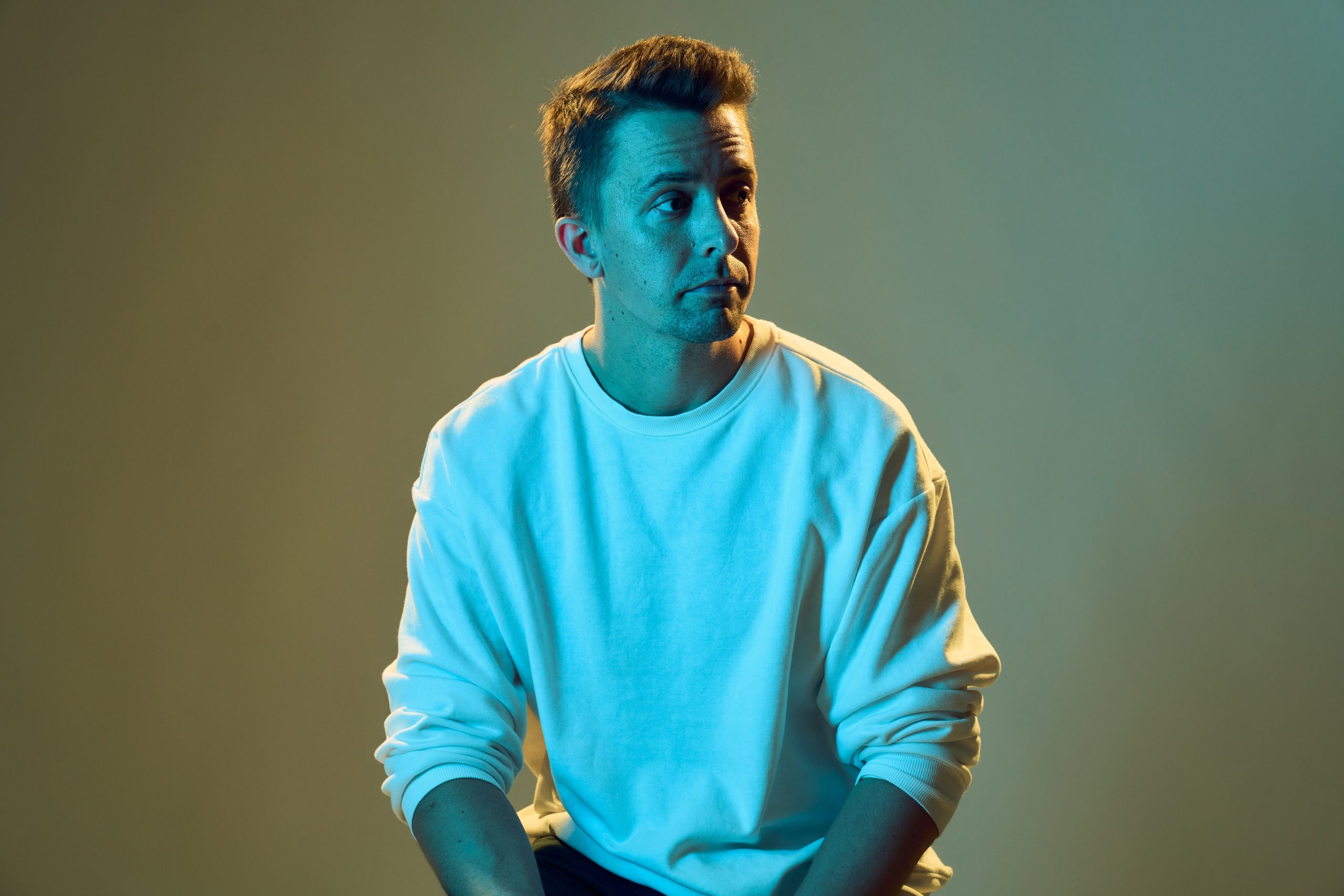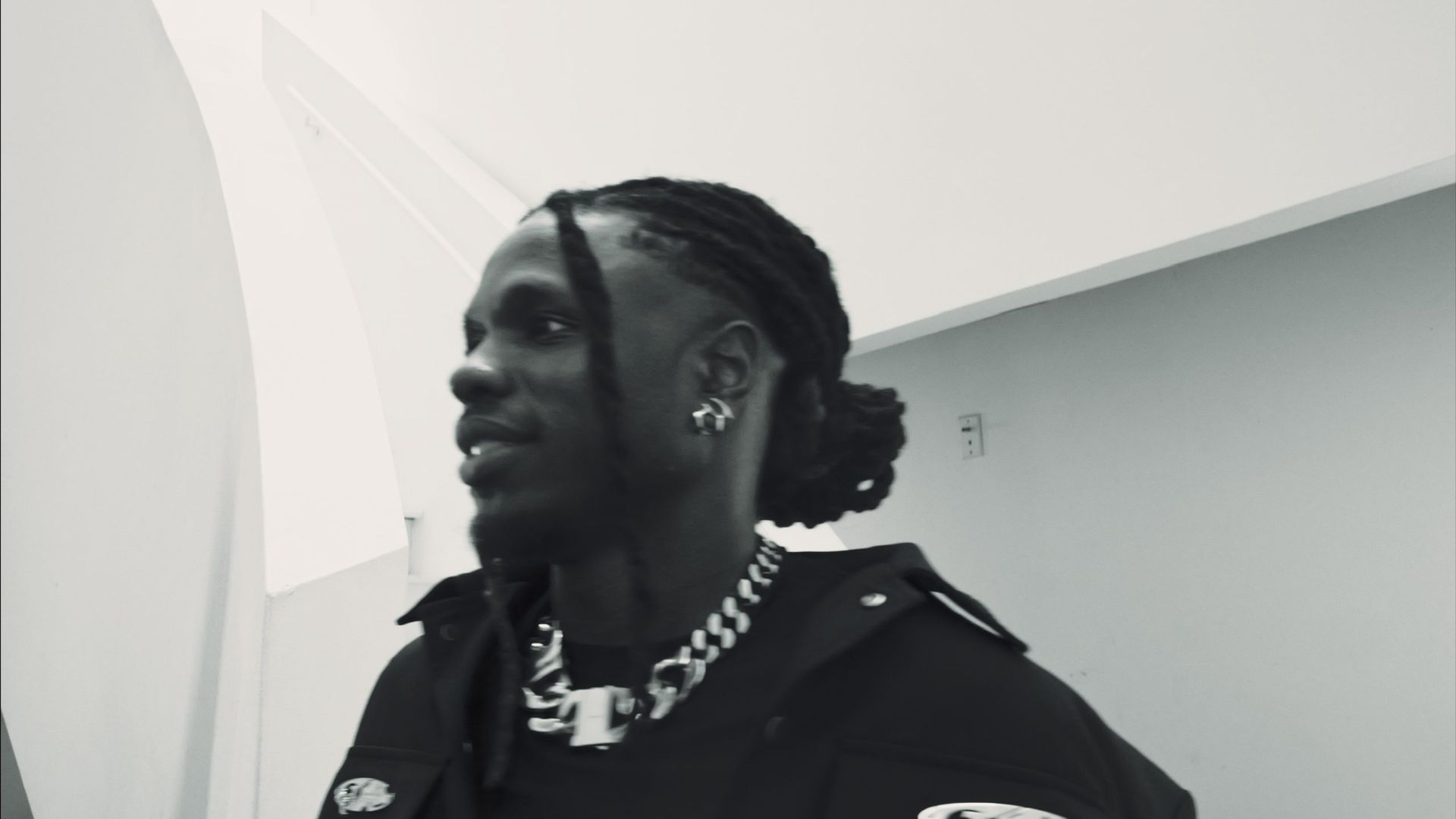
Few artists are building worlds quite like TK THE LEGEND. The independent artist, songwriter, producer, and multi-instrumentalist has spent the last decade crafting a genre-defying catalogue that pulls from alternative, R&B, hip-hop, punk, rock, and cinematic storytelling, all while forging a career on his own terms. Alongside collaborations with artists including Ye, Rihanna, The Weeknd, and Leon Thomas, TK has quietly established himself as one of independent music’s most ambitious creative voices.
Fresh off contributions to Ye’s BULLY album and continuing the rollout of Darkside, his immersive “villain origin story” project, in this 18 Questions, TK discusses artistic identity, ownership, world-building, emotional honesty, and the lessons learned from building an unconventional career.
1. What’s the first thing you usually do when you wake up in the morning?
Honestly, I usually check my phone. I wish I had a more poetic answer, but most of the time I’m checking messages, music updates, ideas I wrote down the night before, or whatever needs my attention. My brain moves pretty fast, so the morning is usually me trying to catch up with whatever version of me was working at 3AM.
2. What’s one thing you can’t live without right now?
My Voice Memos and Notes apps. So much of my life revolves around capturing ideas before they disappear, whether that’s a melody, lyric, creative concept, business idea, or random thought. I’m constantly building something, so I need a place to store ideas before they vanish.
3. What’s a song you wish you had made yourself?
There are a thousand answers to this, but three that come to mind today are “Butterflies” by Michael Jackson, “Up & Up” by Coldplay, and “Skin” by Rihanna. “Butterflies” feels effortless and showcases elite R&B songwriting. “Up & Up” has that rare ability to feel both massive and deeply human. Chris Martin is one of my favourite songwriters, and the lyrics on that record have always stayed with me. “Skin” is minimal, immersive, sensual, and cinematic. Rihanna’s delivery creates a tension that makes the entire record feel dangerous in the best way.
4. What’s your go-to comfort film or TV show?
Honestly, I’m more likely to game, watch sports, or catch up on anime than put on a comfort show. Super Smash Bros. Ultimate is probably my real comfort zone. I can always jump in and reset my brain for a bit. Outside of that, I watch a lot of basketball and tennis because I love the competition, narratives, and psychology behind them. Anime is another big one. I’m always discovering a new world to get lost in.
5. If you weren’t making music, what do you think you’d be doing?
When I was younger growing up in the UK, I dreamed of becoming a professional soccer player, and later I developed a real love for tennis. In another version of my life, maybe I’m an athlete or working in sports journalism because I love the analysis, narratives, and psychology behind competition. At the same time, I’ve always been drawn to storytelling, technology, gaming, film, and world-building. I’ve spent years developing a sci-fi fantasy universe called Eternal Garden, which has expanded into a novel, soundtrack, and limited-edition codex. Even without music, I think I would have found my way into creating worlds and experiences for people.
6. Which artist, in any medium, inspires you right now?
I’d probably say Steven Bartlett. Some people may not consider him an artist in the traditional sense, but I do. What he’s built with The Diary of a CEO is incredibly intentional. He creates conversations that are useful, honest, and deeply human. The way he curates ideas, chooses guests, and helps people reveal meaningful parts of themselves feels like artistry to me.
7. When do you feel most creatively alive?
In the first few hours after a great idea arrives. It’s that moment before I’ve had time to overthink anything, when melodies, lyrics, production ideas, emotions, visuals, and entire worlds start showing up all at once. That flow state is my favourite part of the creative process because it feels less like I’m forcing something and more like I’m receiving it.
8. What’s one piece of advice you’d give your younger self?
I’d tell him not to wait for permission. Talent matters, but ownership matters more. Learn the business early, build your own infrastructure, and protect your vision. Know what you bring to the table and communicate it clearly. When you understand your value, you make better decisions, choose better opportunities, and move with more confidence.
9. Your upbringing spans Providence, Nigeria, London, the DMV, and Los Angeles. Which place do you think lives most loudly inside your music?
I’d say Nigeria, London, and the DMV all live inside the music equally, but in different ways. Nigeria is the cultural and spiritual foundation. London shaped my melodic instincts. The DMV is where I became an artist. Nigeria is the root, London is the melody, and the DMV is where it all became craft.
10. Your music blends alternative, R&B, hip-hop, pop, punk, rock and cinematic production in a way that feels intentionally borderless. Did you always know you wanted your sound to reject genre limitations?
I don’t think I ever consciously decided to reject genre. I just never experienced music that way. Growing up, I was listening to everything, and by the time I started making music, it felt natural for those influences to coexist. I don’t see genre as a limitation. I see it as a palette.
11. “PERFECT” feels emotionally conflicted—drawn to something toxic while fully recognising the damage. What headspace were you in while making that record?
“PERFECT” came from that place where you can see the truth clearly but still feel attached to the illusion. The song is about being drawn to something you know isn’t good for you and wrestling with that tension. Working with Bloody White made the record even more special, and it felt like the perfect introduction to the next chapter of the DARKSIDE universe.
12. You describe DARKSIDE as a “villain origin story.” What does becoming the villain symbolise for you creatively and personally?
For me, becoming the villain doesn’t mean becoming evil. It means being willing to tell the truth, even when that truth doesn’t make you look perfect. DARKSIDE gives me permission to explore the more complicated parts of the human experience and confront them honestly.
13. A lot of your music feels rooted in tension—beauty and destruction, vulnerability and confidence, darkness and liberation. Why are you drawn to those emotional contrasts?
Because that feels like real life to me. Most people aren’t just one thing. You can be confident and insecure at the same time. You can love someone and resent them. You can be healing and still be destructive. You can be in pain and still feel powerful. I’m drawn to contrast because that’s where the truth usually is. Perfect happiness doesn’t always move me creatively. Perfect sadness doesn’t either. I’m more interested in the collision: the beautiful thing breaking, the dark thing becoming freeing, the vulnerable thing becoming powerful. That’s where the music starts to feel alive.
14. Your work feels incredibly visual and immersive, almost like every project exists inside its own film universe. Do visuals usually arrive before the music, or does the music create the world first?
Usually the music opens the door and the world starts forming around it. Once the core idea becomes clear, I start seeing the colours, clothing, architecture, lighting, characters, and story. With DARKSIDE, the music and visuals are inseparable.
15. You’ve worked behind the scenes with artists like Ye, The Weeknd, and Rihanna. How do you balance contributing to massive records while still protecting your own artistic identity?
The balance comes from knowing who I am before I walk into the room. I’ve always seen myself as an artist first. Working on major records can sharpen your skills, but you have to be careful not to disappear into someone else’s story.
16. You helped shape multiple records on BULLY while also building your own universe independently. Did working in those stadium-level environments change how you think about scale in your own music?
It reinforced the level of scale I already think in. More than anything, it strengthened my confidence and reminded me that the instincts I’ve developed independently can exist on the biggest stages.
17. During the Web3 era, you generated over $500K independently without relying on traditional label infrastructure. What did that period teach you about ownership, autonomy, and survival as an artist?
It completely changed the way I think about power as an artist. Generating over $500,000 independently was life-changing, but the bigger lesson was realising that artists don’t need traditional systems to validate their work. Ownership, autonomy, and community are essential. A huge part of that chapter was meeting C.Y. Lee, whose support through Eternal Ventures and Eternal Music helped me think bigger and build long-term.
18. What chapter of yourself do you feel audiences still haven’t seen yet?
I think the chapter audiences still haven’t fully seen is the one where they get to know me beyond the worlds I build. DARKSIDE begins to open that door, but the next chapter is about revealing more of the human being behind the architecture—not just the worlds I create, but the life experiences that made me capable of creating them.
Interview Stanley Kilonzo