If you’d wandered into Porto Urbano on Thursday evening, you probably wouldn’t have guessed you were standing at the opening of one of Europe’s biggest electronic music festivals. Well-dressed Torinese sipped Aperol spritzes overlooking the River Po, and the crowd looked more Milan Fashion Week than preparing for three days of techno.
Less than twenty-four hours later, many of those same people were climbing into a sleek black people carrier outside Turin’s Grand Hotel Sitea after only a few hours of sleep, bound for a day of private gallery visits, artist studios and cultural experiences before returning to Parco Dora for another marathon session beneath its towering steel structures. By that point, it was already clear that Kappa FuturFestival’s Art & Techno programme isn’t just a VIP package – it’s a different way of experiencing both the festival and the city that surrounds it.

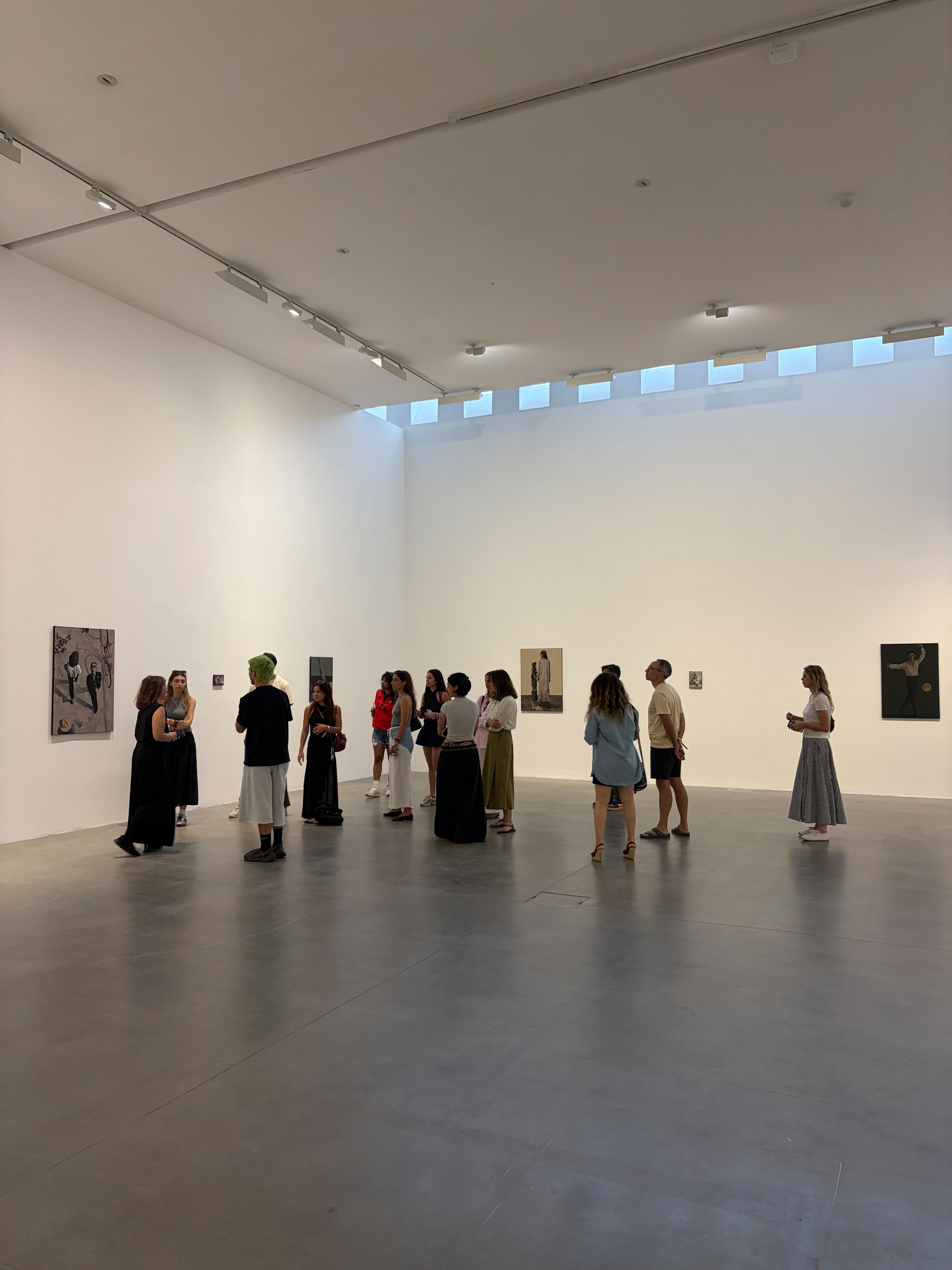
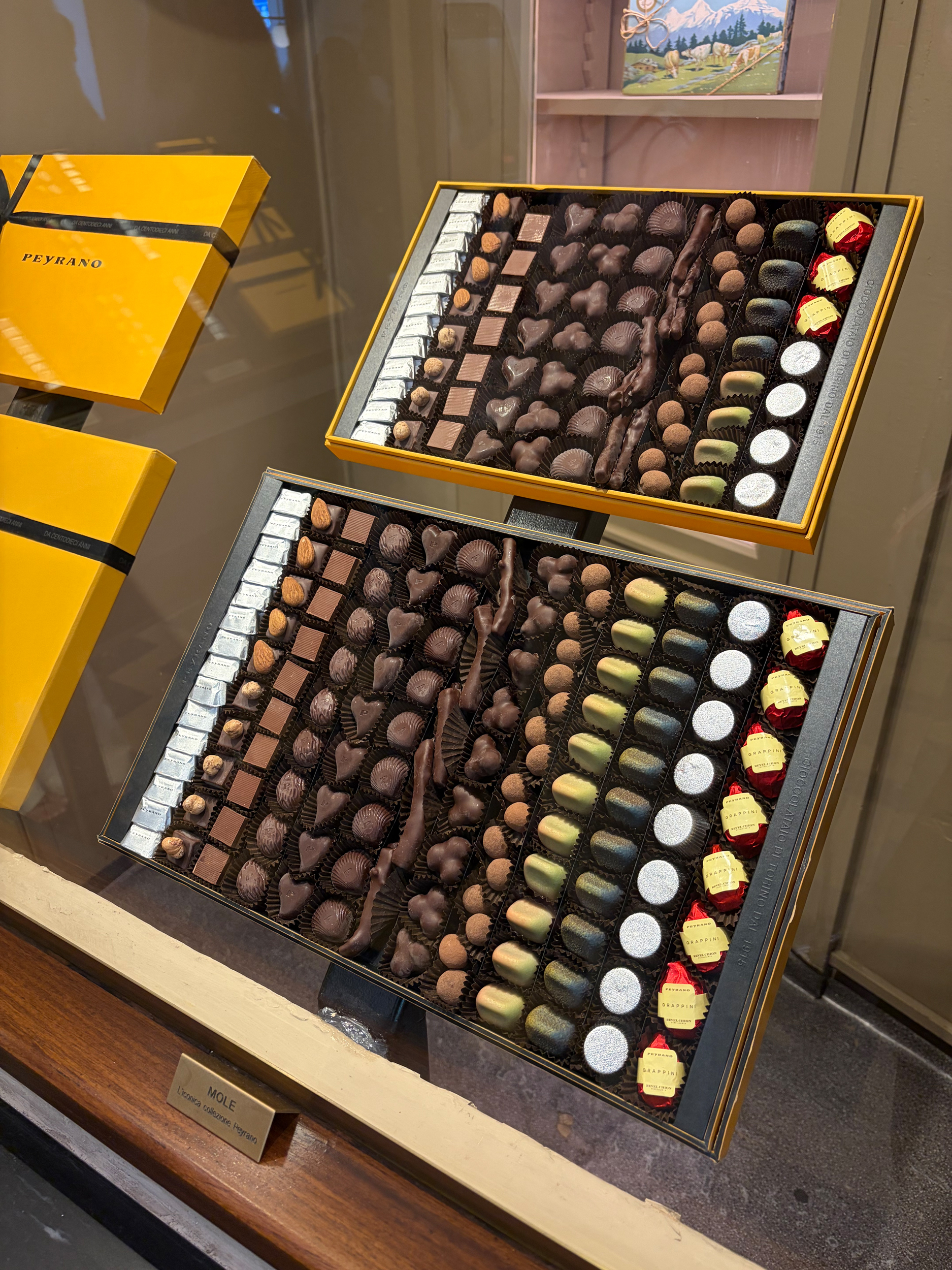
Friday offered the perfect introduction. Contemporary installations by Xin Liu, Diego Marcon and Paola Pivi filled the galleries of Fondazione Sandretto Re Rebaudengo before the afternoon shifted towards Turin’s sweeter traditions with a behind-the-scenes visit to historic chocolatier Peyrano. A stop at the Kappa archive traced the evolution of one of Italy’s most recognisable sportswear brands before the festival finally came into view, Parco Dora’s monumental industrial skyline appearing on the horizon.
Most festival hospitality programmes focus on comfort – better transport, better food, better places to watch the headline acts; Art & Techno does all of this and more by immersing guests within the city. Across four carefully curated days, Turin became every bit as important as the music itself with luxury accommodation, private transfers, exceptional Italian cuisine, and unrivalled stage access. Galleries, artist studios, conversations with curators and carefully chosen restaurants slowly built a portrait of Turin that most festival-goers never experience.
Later, Co-Founder of Kappa FuturFestival and Artistic Director Luigi Mazzoleni would explain that philosophy perfectly. “We’re trying to create a community,” he told me. “The artists don’t just come to play and leave. Even if they perform on Friday, they’ll stay for the whole weekend. Skrillex has been here watching other DJs. That’s what I’m trying to achieve, and I’m happy it’s happening. It’s organic.”
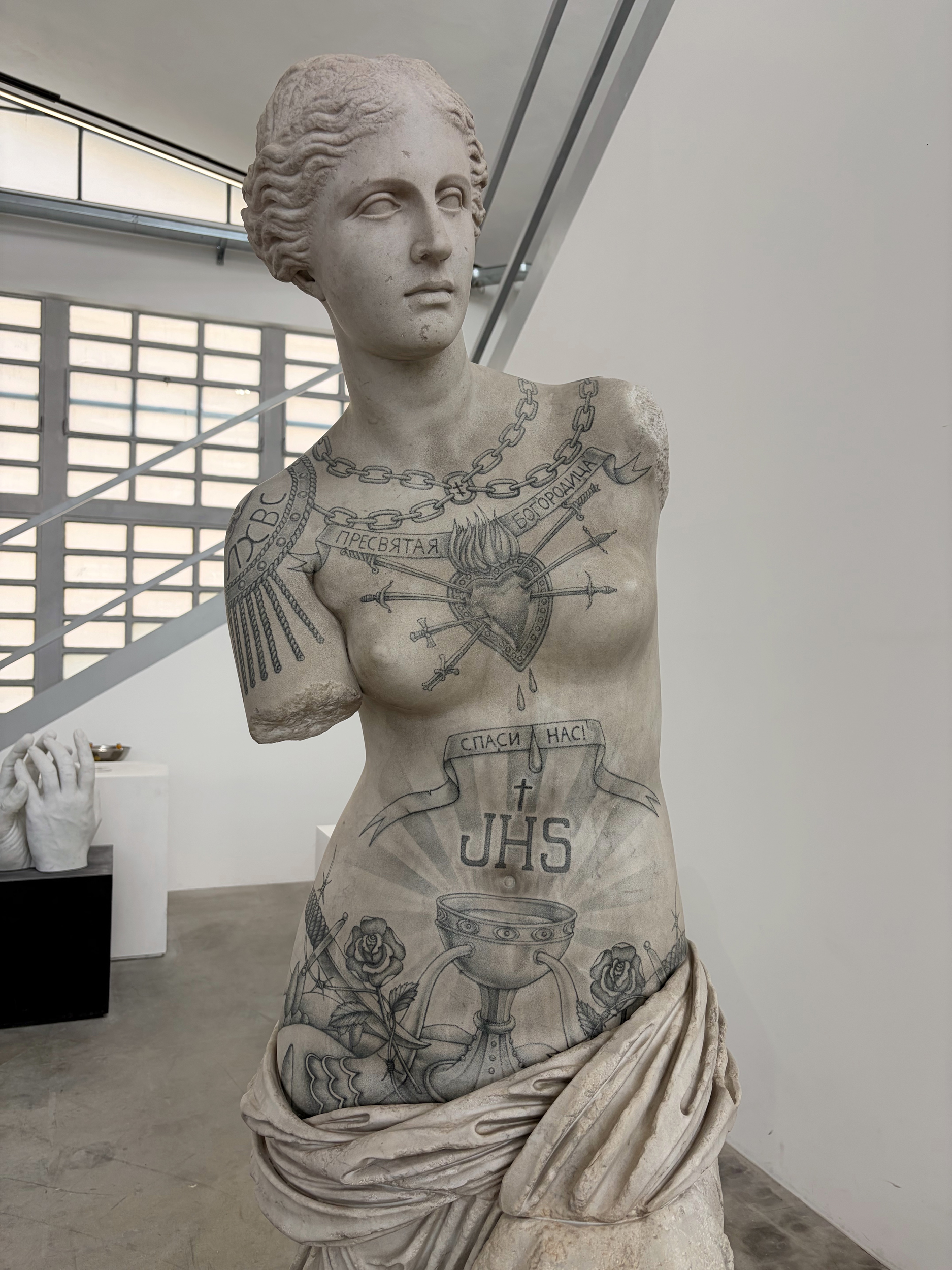
Only hours after dancing beneath Parco Dora, we found ourselves discussing Renaissance sculpture inside the studio of sculptor Fabio Viale. His painstakingly carved marble figures recall the great masterpieces of the classical world, until you notice their skin. Russian mafia prison tattoos wrap themselves around immaculate Tuscan marble, transforming familiar figures into something more provocative and contemporary. Seeing a Venus de Milo covered in criminal iconography just worked, and was the perfect metaphor for Turin itself – a city placing history and modernity side by side.
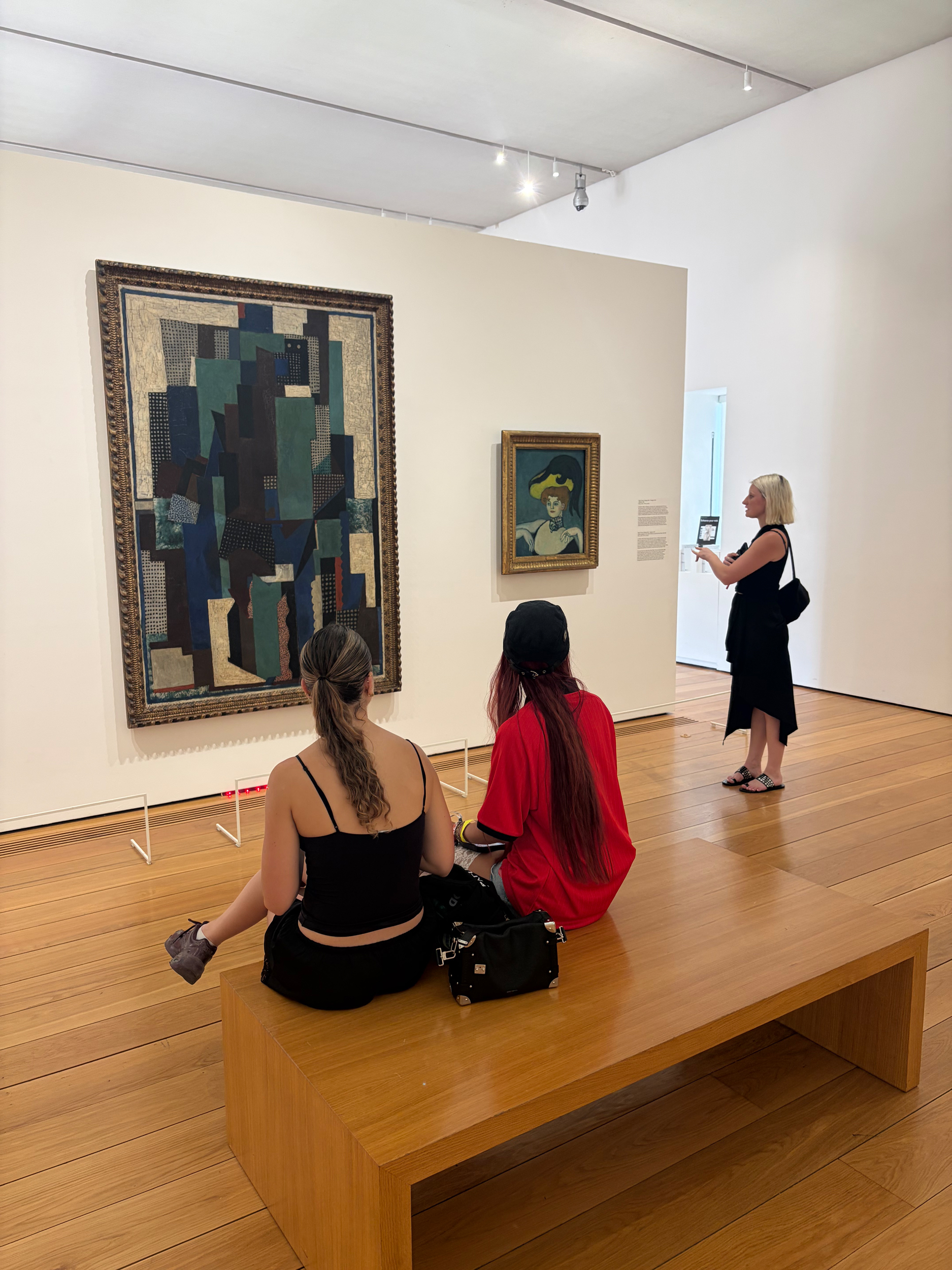
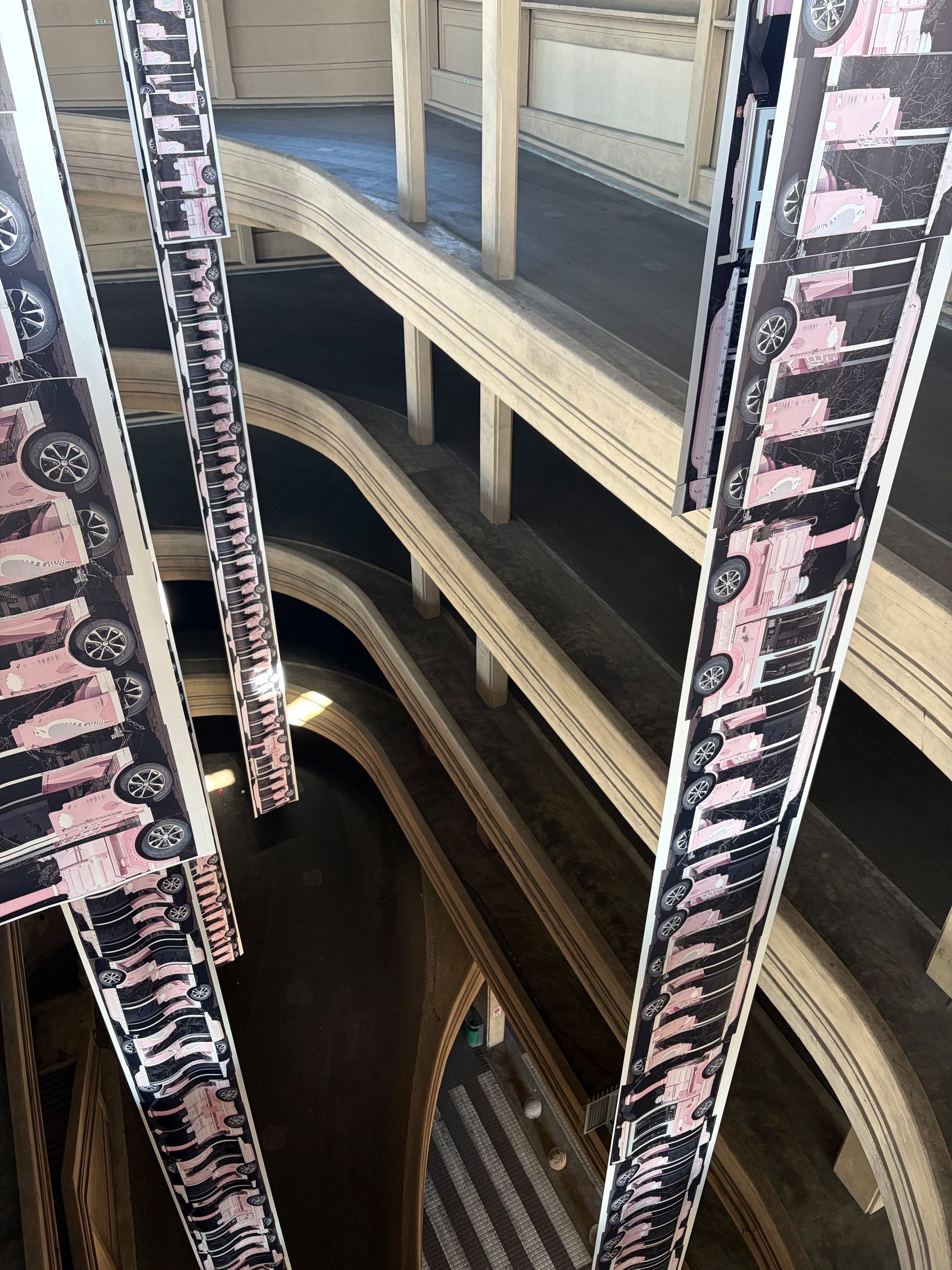
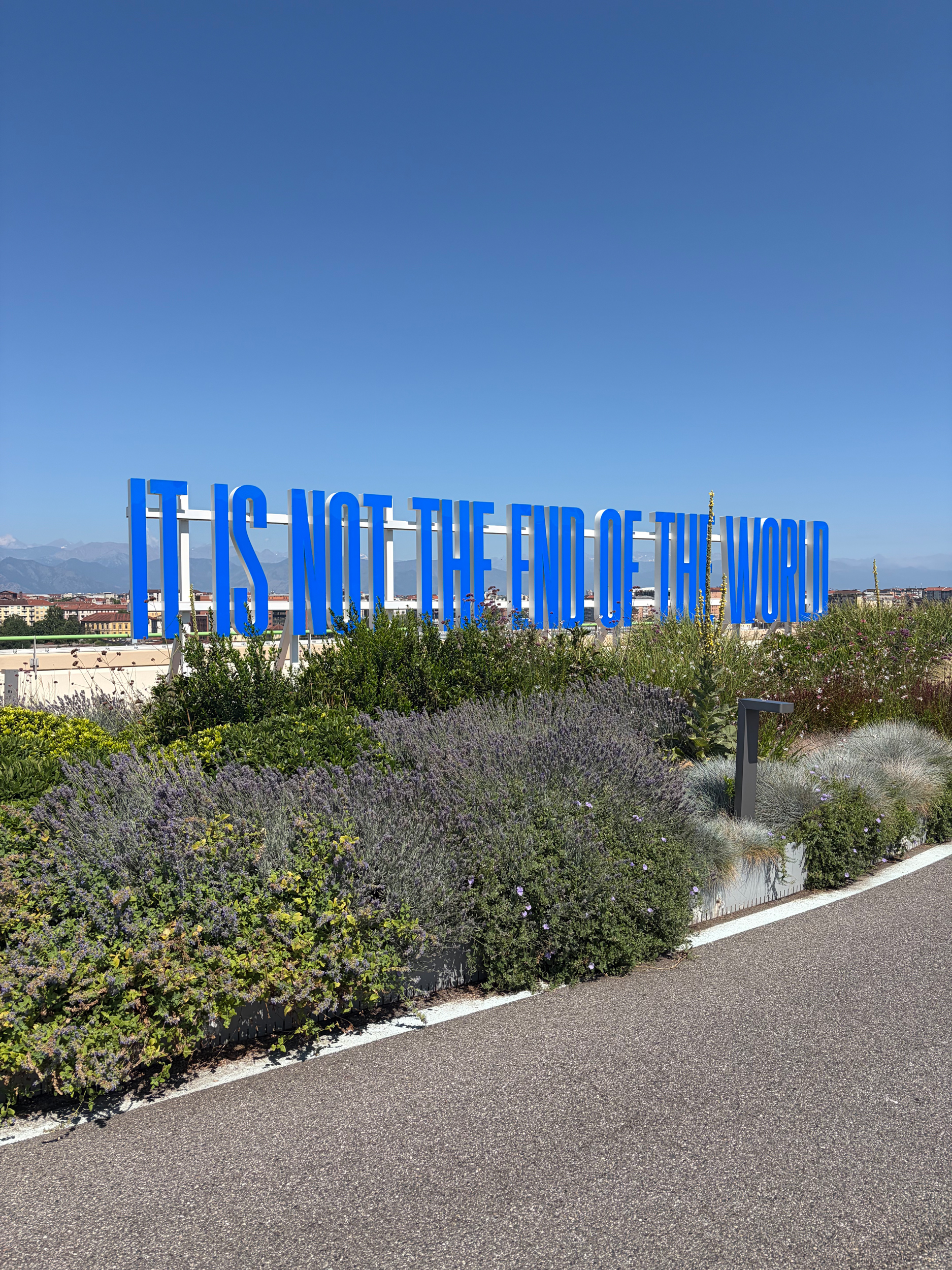
The conversation between old and new continued throughout the weekend. Sunday’s visit to Pinacoteca Agnelli took us onto the rooftop of FIAT’s former Lingotto factory, where cars once tested their speed on the famous rooftop circuit. Today, the track is home to contemporary installations and politically charged murals, while inside hangs an extraordinary collection including works from Picasso’s Blue Period, paintings by Matisse and an absorbing exhibition of Walter Pfeiffer’s photography.
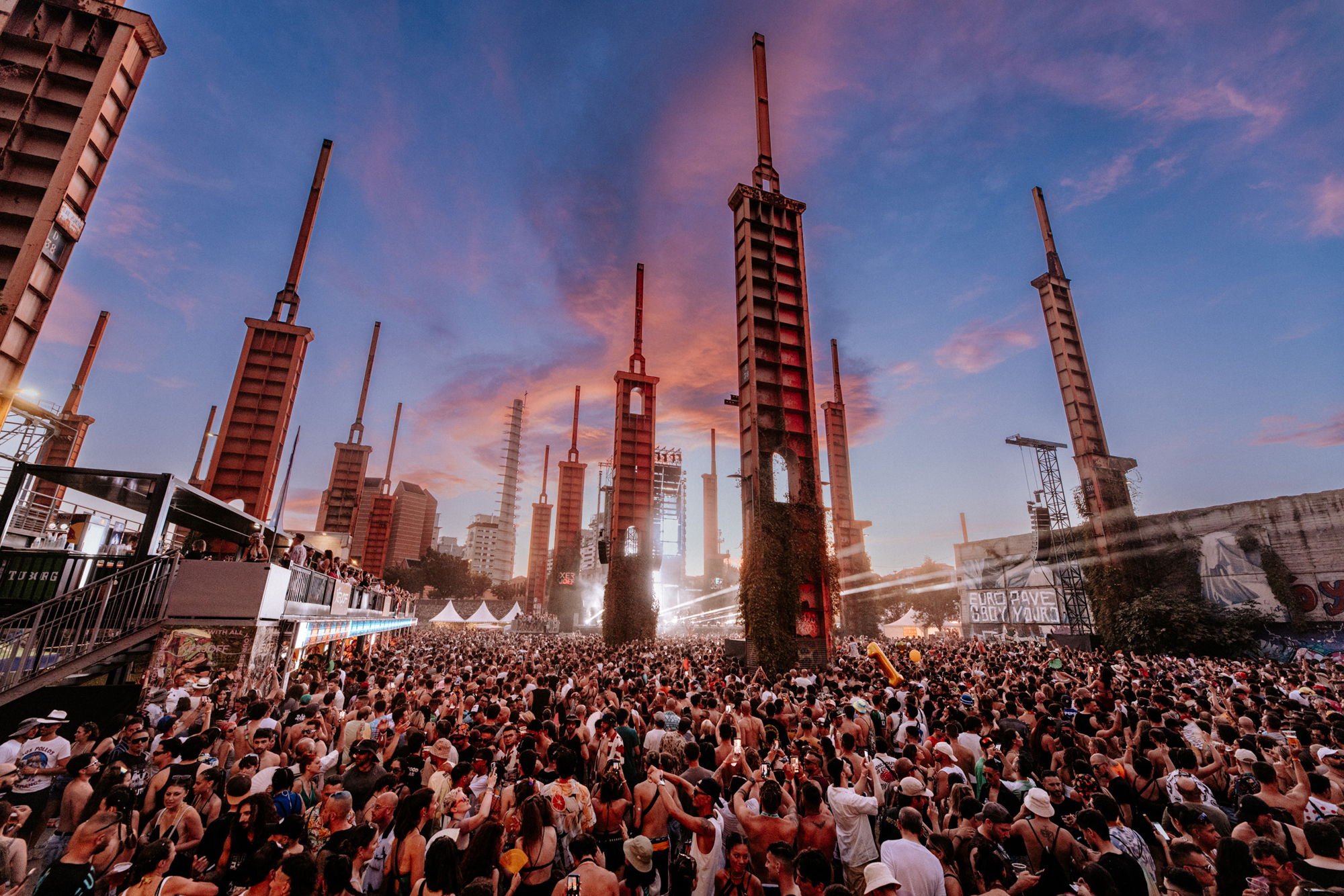
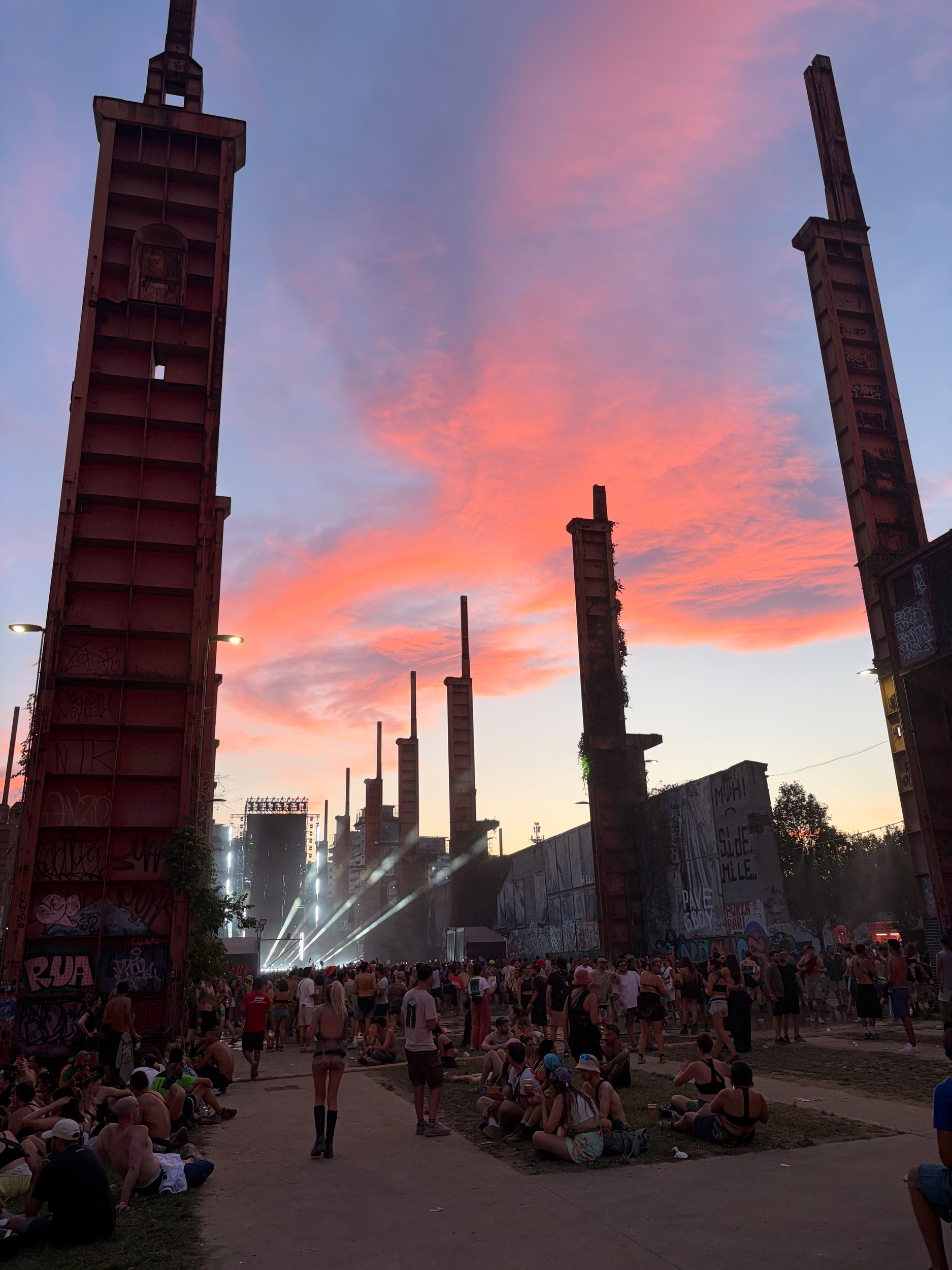
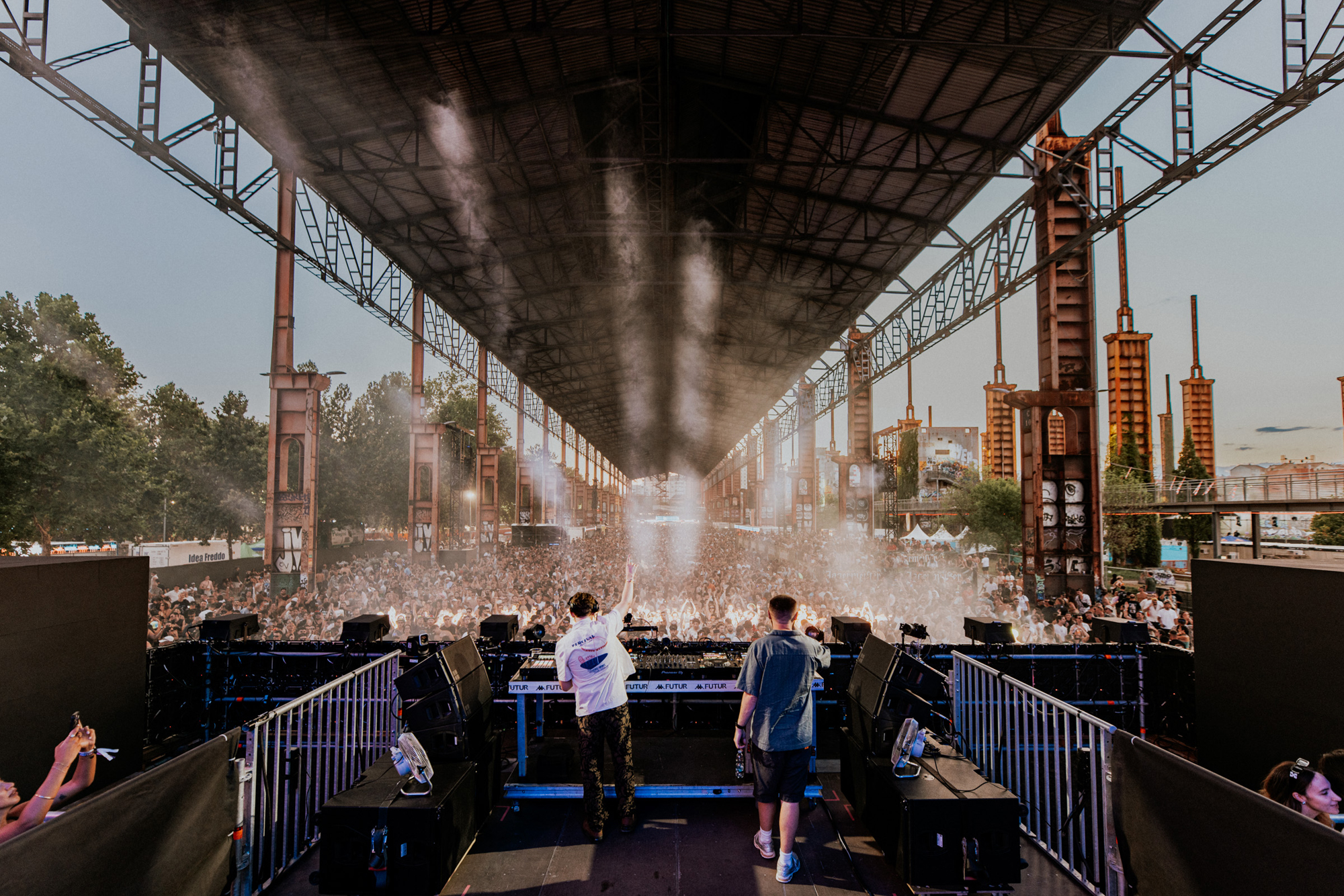
Walking through centuries-old streets and wandering art galleries before emerging beneath Parco Dora’s colossal steel framework made every entrance to the festival cinematic. The festival’s setting remains one of the most remarkable anywhere in Europe, the skeletal remains of Turin’s industrial past now providing the backdrop for one of electronic music’s most forward-thinking gatherings.
Mazzoleni believes the atmosphere is what separates KFF from other festivals. “We’re always trying to change the line-up,” he explained. “When we introduced the Lab stage, it wasn’t to sell more tickets. It was to offer different genres. Yesterday Mala played there and Skrillex, Four Tet and Daphne were all watching his set. That’s not something you often see.” Throughout the weekend, DJs became fans. Watching internationally recognised artists standing shoulder-to-shoulder behind the decks to enjoy someone else’s performance created a sense of community rarely found at events of this scale.
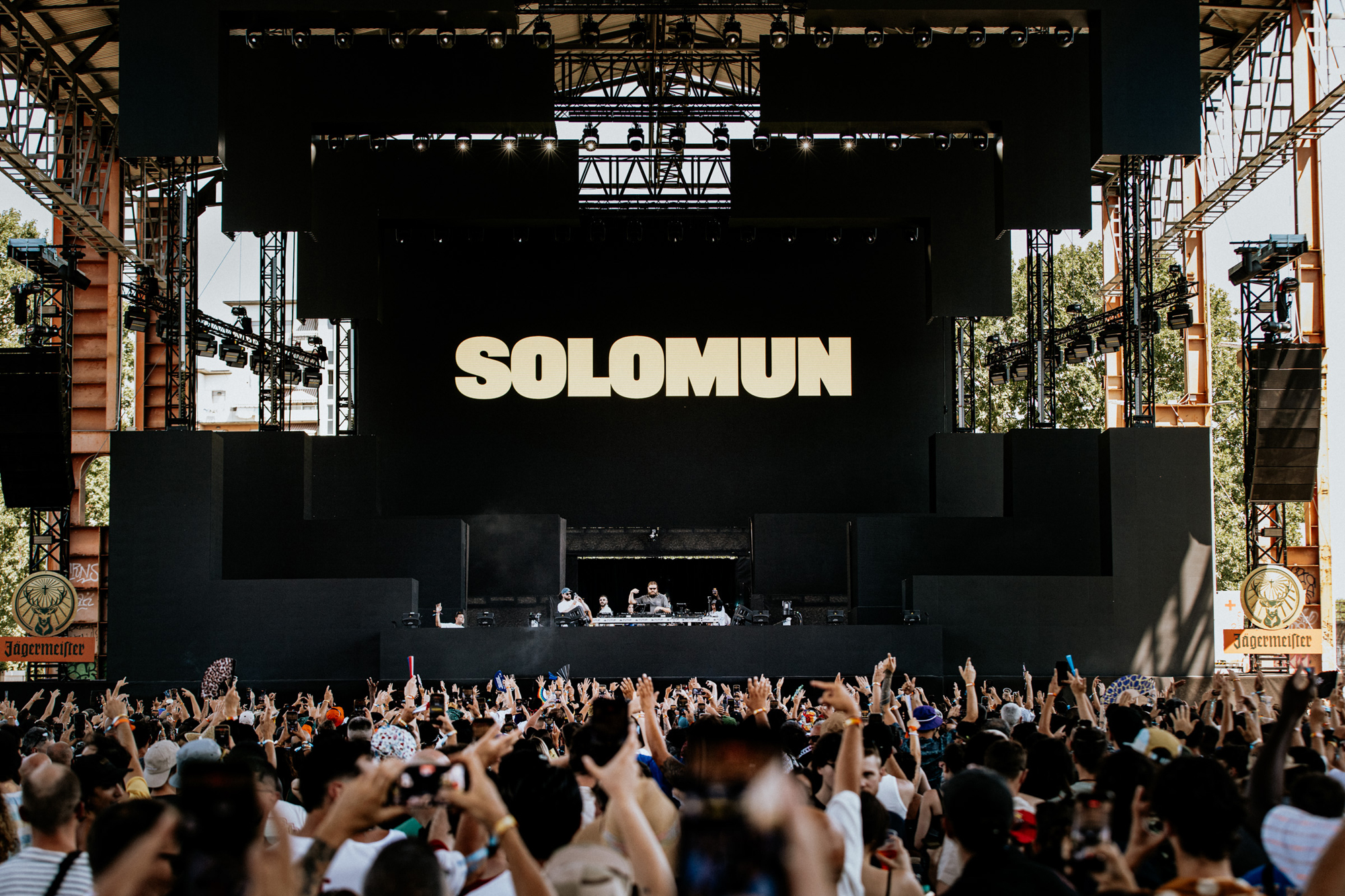
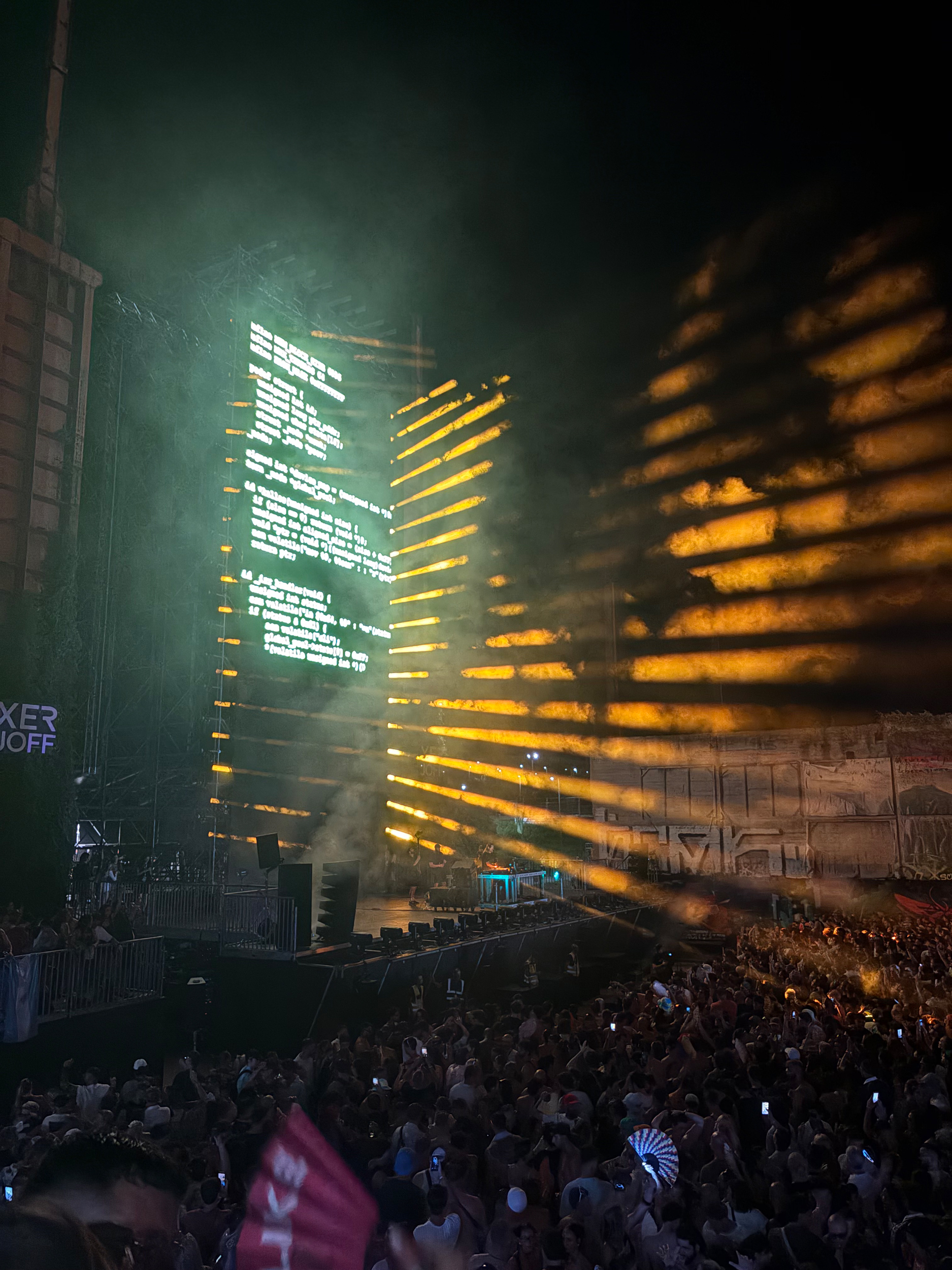
And the music itself more than justified Kappa’s reputation. Friday belonged to Four Tet, whose Voyager Stage set gradually drew a huge crowd as he shifted between techno and bass. Later, Disclosure transformed the Futur Stage into an enormous celebration. Their tracks Latch, Tondo and Crystal Waters’ Gypsy Woman became the soundtrack to thousands of smiling faces as golden hour gave way to darkness. Later, Solomun demonstrated why he remains one of techno’s finest selectors; framed by spectacular lighting against Parco Dora’s steel canopy, his hypnotic set tightened its grip on the crowd.
Disclosure
Saturday belonged to UK dubstep heavyweight and Deep Medi founder Mala. Deep, warm bass rolled across the Lab Stage, drawing dedicated dubstep fans alongside some of electronic music’s biggest names, with Daphne, Skrillex and Four Tet watching in the wings. If Mazzoleni wanted to create a festival where artists genuinely wanted to experience each other’s work, Mala’s set was the clearest proof that he’d succeeded.
That same philosophy shapes the wider line-up too. “When you have almost 140 artists playing, you need to mix it up to make everyone happy,” Mazzoleni explained. “I book historical artists like Carl Craig and Mike Banks who played yesterday, as well as new, upcoming artists for the Solar stage. Some of the newer artists are pretty young, so they are part of a new generation, which attracts a lot of people. It’s a balance which we try to maintain.”
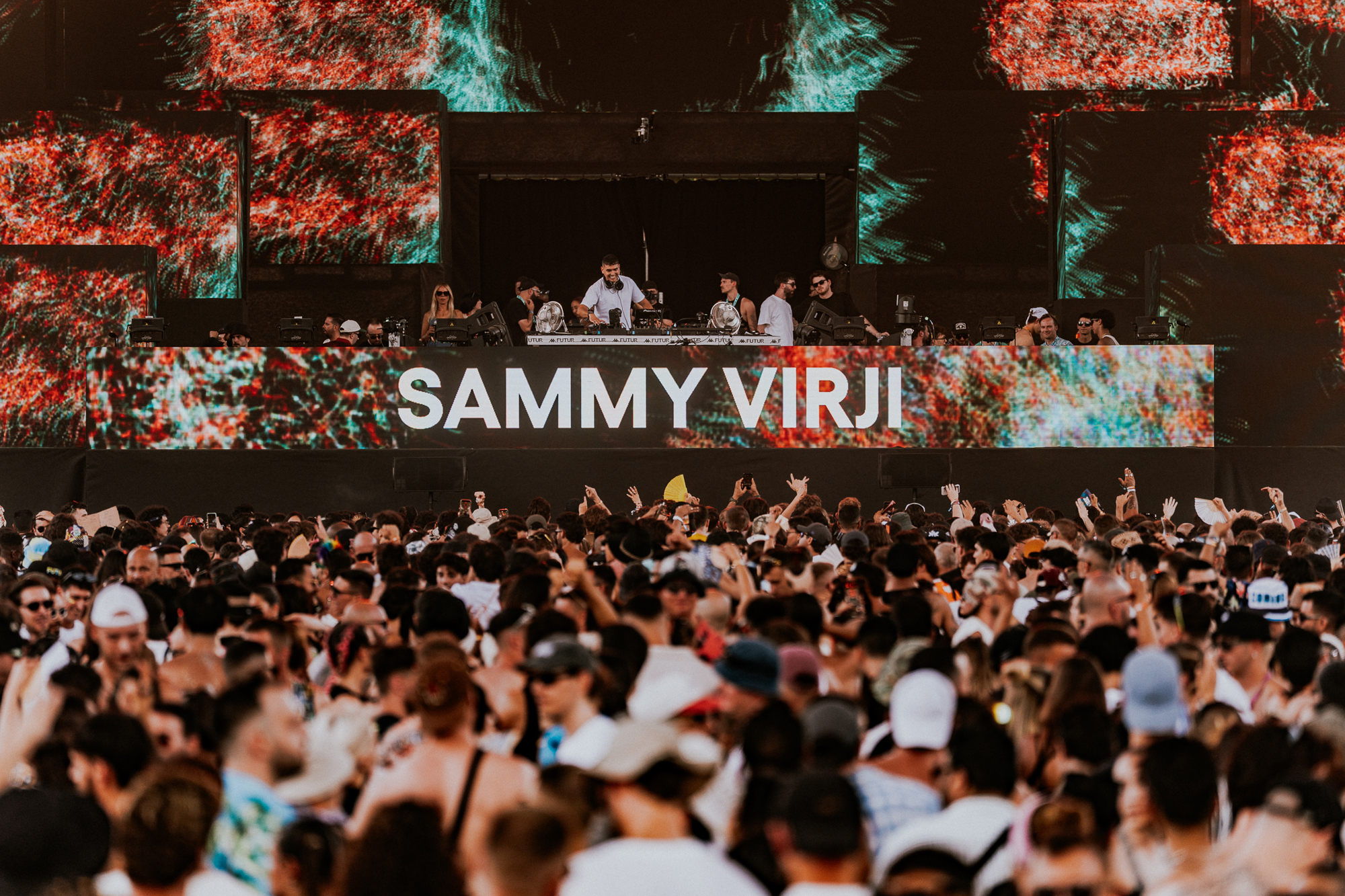
He also believes electronic music is coming full circle. “You and I were talking about Dubstep and Drum & Bass earlier, and a month ago I was in Detroit, and I noticed these genres are coming back. To be honest, I wasn’t a huge fan of these genres in the 90s and 00s when they were popular but I really love the warmth of these sounds.” Watching Mala command one of the weekend’s standout sets, before Sammy Virji brought UK garage energy to Sunday, it certainly felt as though those sounds were finding a new audience.
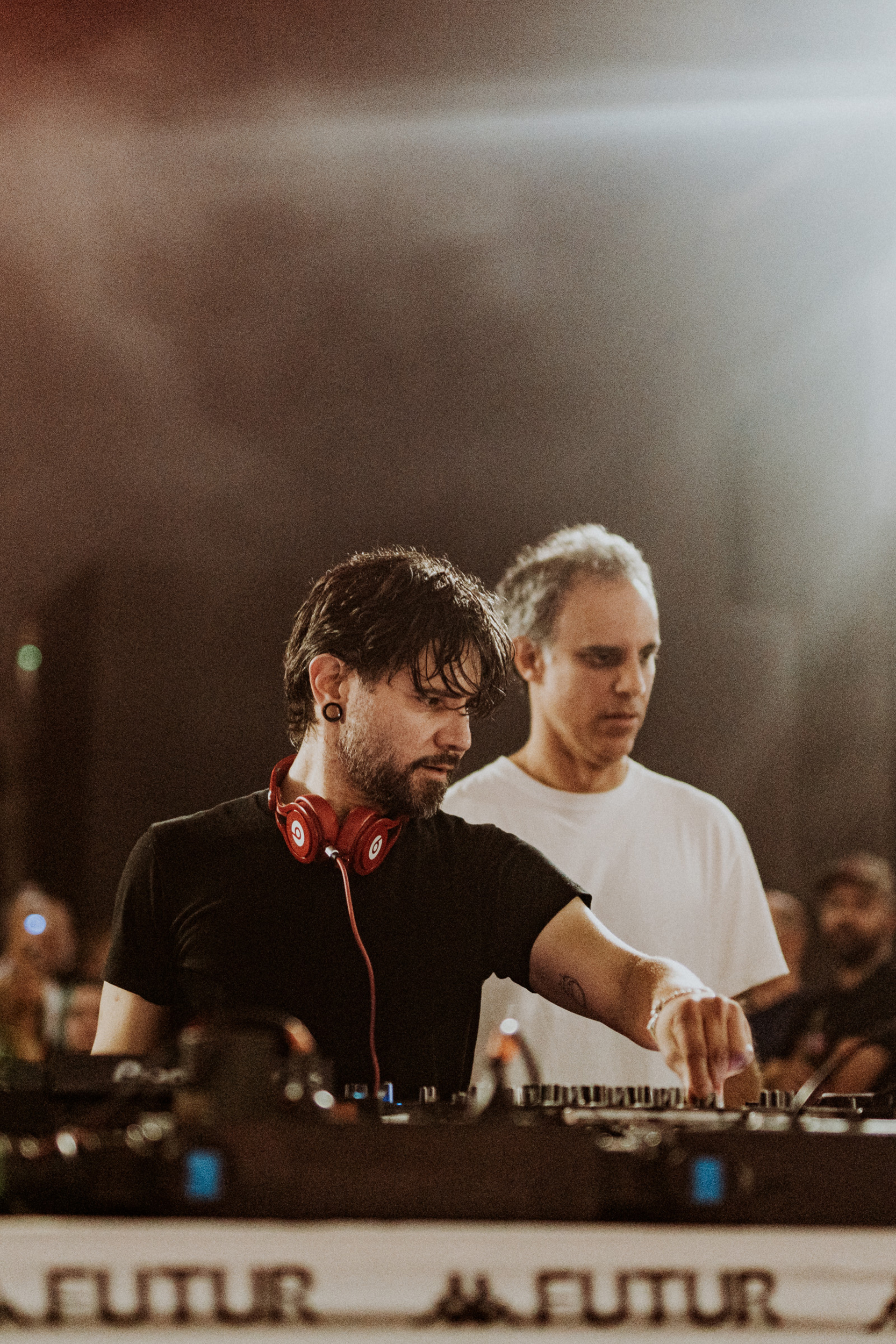
Ask Mazzoleni which artist perfectly captures this year’s festival and he refuses to choose just one. “Ooh, that’s a hard one to answer,” he laughed. “Yesterday I really enjoyed Four Tet B2B Skrillex. Carl Craig and Mike Banks’ set was super sophisticated, and even romantic in a way. Today we have Jane Fitz B2B Rhadoo which is the first time ever! Palms Trax played B2B Floating Points which was the first time ever in Italy. These sets are something you just cannot miss.”
Closing Saturday, however, was genuinely unforgettable. Four Tet B2B Skrillex somehow exceeded the impossible expectations surrounding it, as the pair darted between genres with complete freedom. Euphoric melodies gave way to crushing bass, lasers sliced across the Turin skyline and the unexpected arrival of Justin Bieber’s Where Are Ü Now sent the crowd into euphoria – for me, it was the headline set to end all headline sets.
It’s an approach rooted in his own love of club culture. “I always try to put myself into the audience’s position,” Mazzoleni told me. “I’m a promoter but I was on the dancefloor decades before that, so I always try to make the experience special and unique.” Sunday carried that energy into the festival’s closing hours. Sammy Virji brought the UK garage energy before Peggy Gou drew one of the weekend’s biggest crowds at Nova, bringing another remarkable edition of Kappa FuturFestival to a close beneath the Italian evening sun.

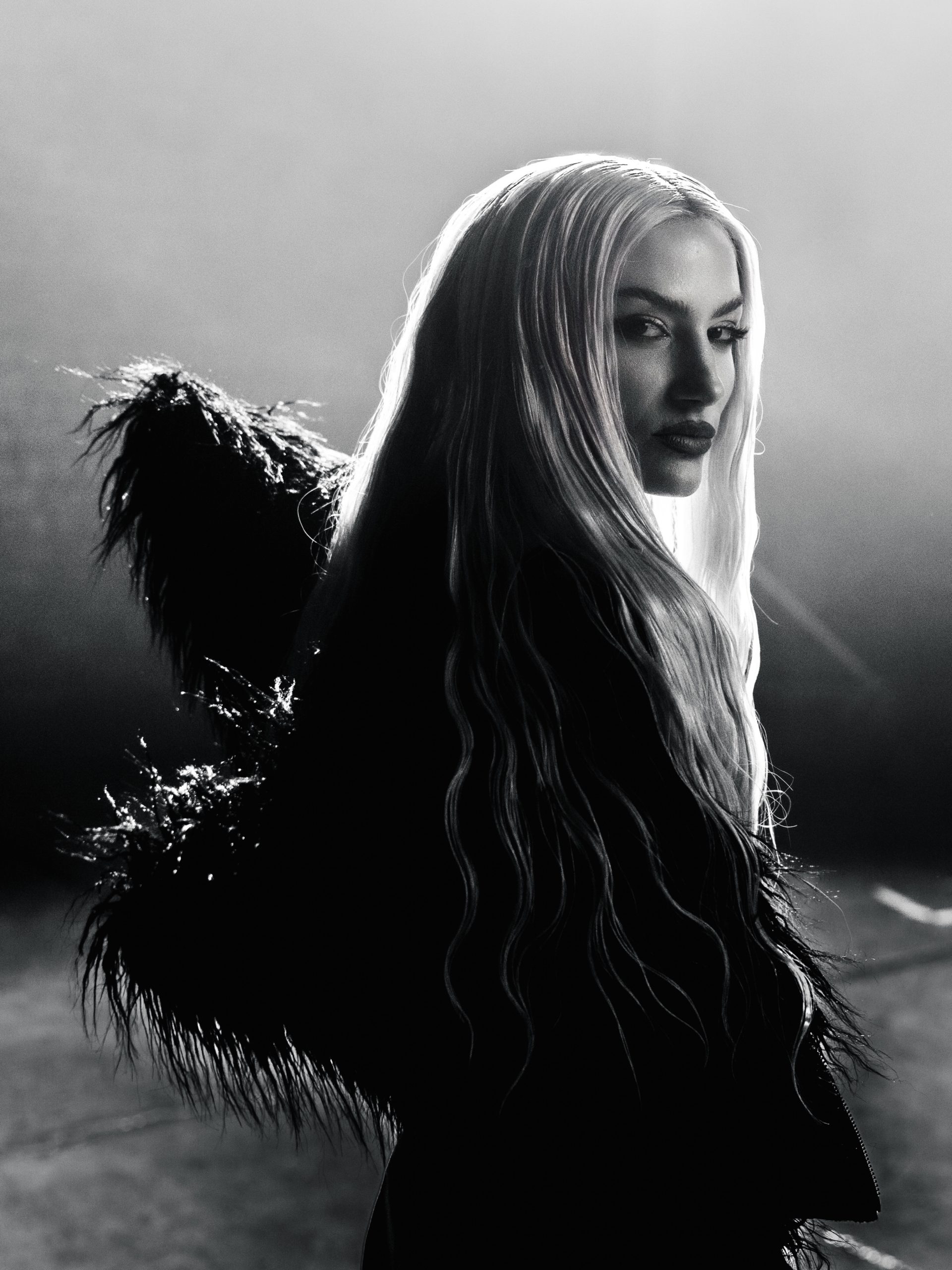
Peggy Gou
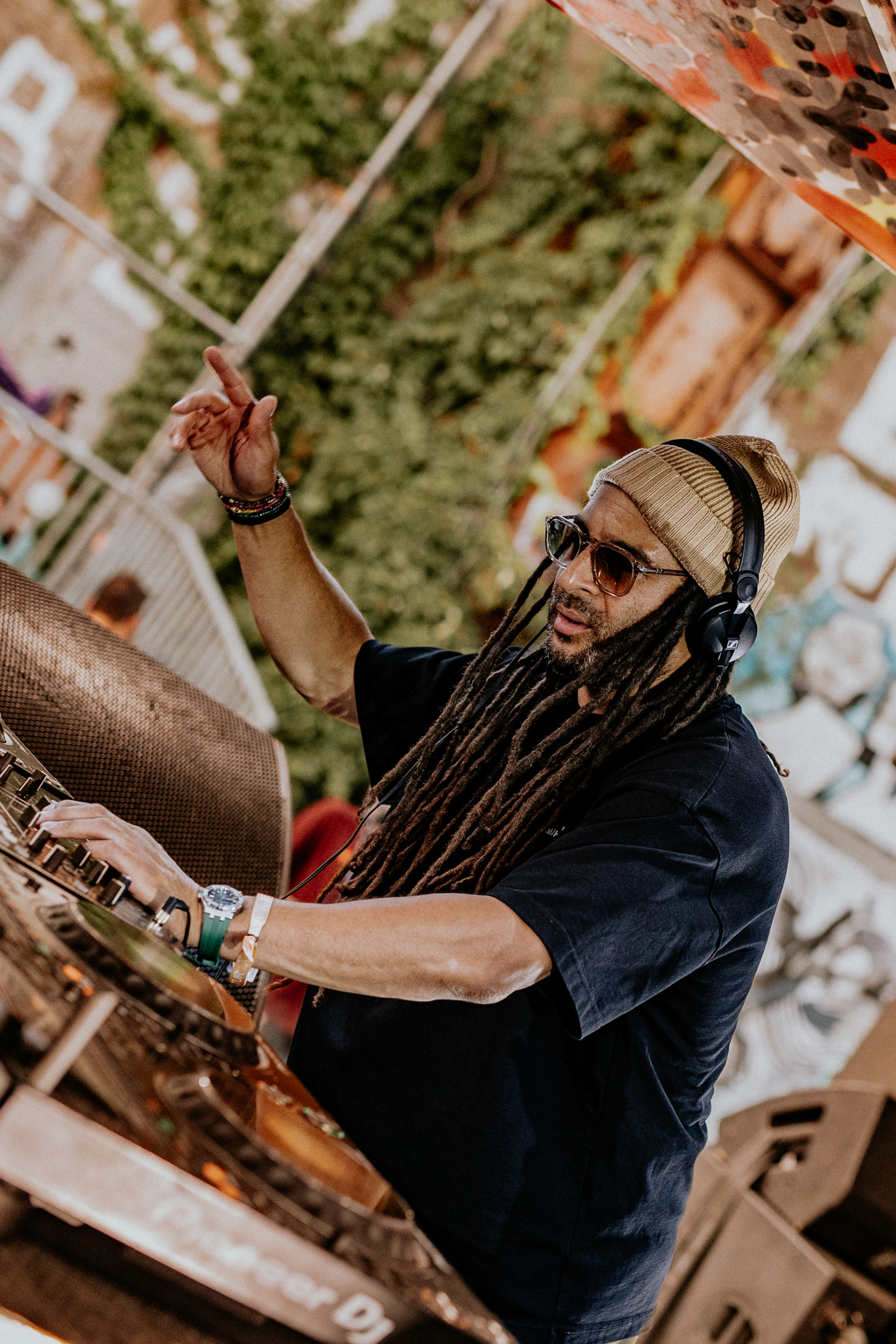
Perhaps the biggest surprise was just how joyful it felt. For a festival built around techno, KFF doesn’t take itself too seriously. Sunglasses stayed firmly on until sunset, and the crowd itself was a sartorial dream, full of people expressing themselves through fashion just as much as music. The dancefloors were full from afternoon until long after sunset, and as the evening light filtered through Parco Dora’s steel structures, it was obvious why so many people return year after year.
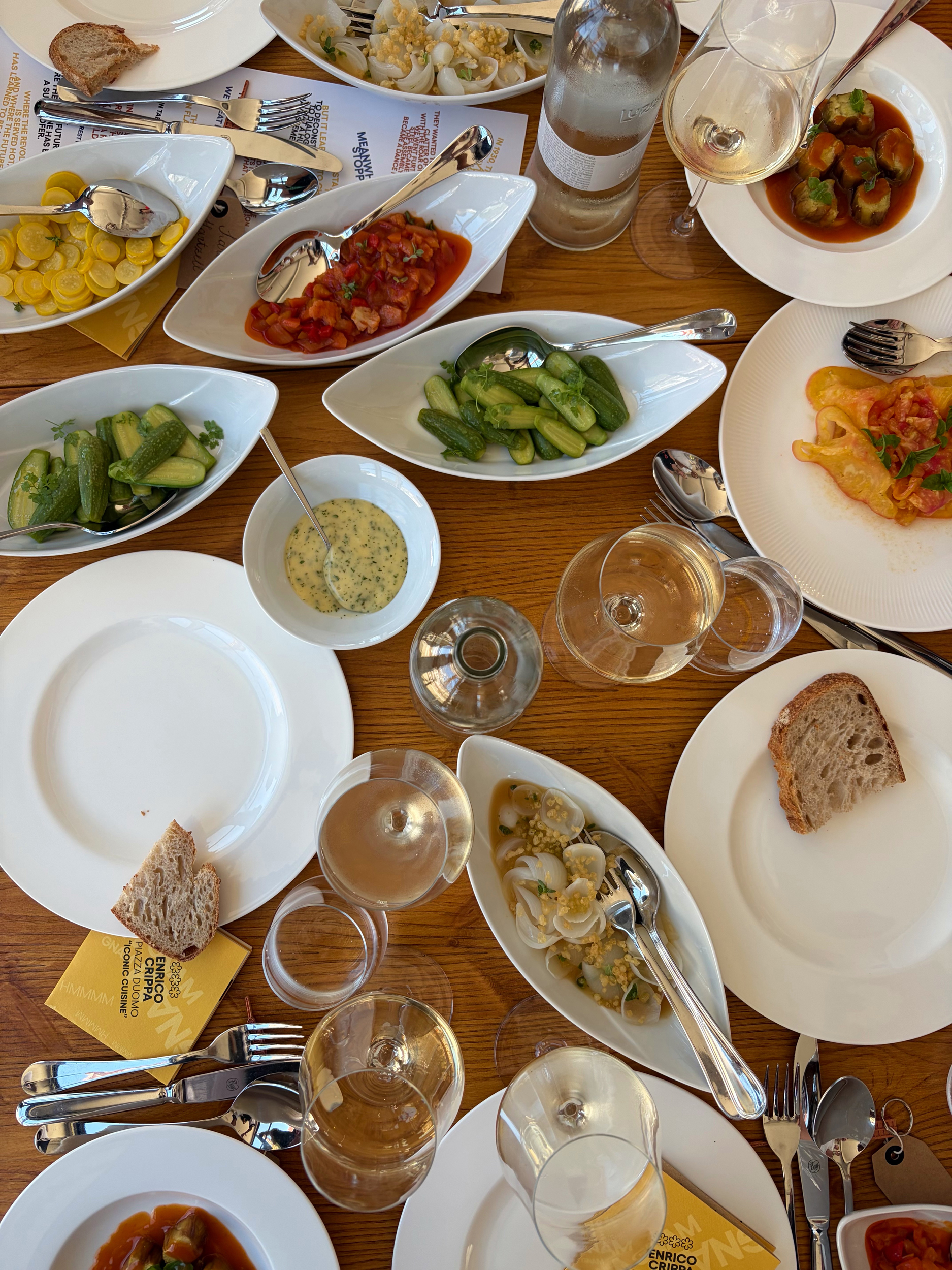
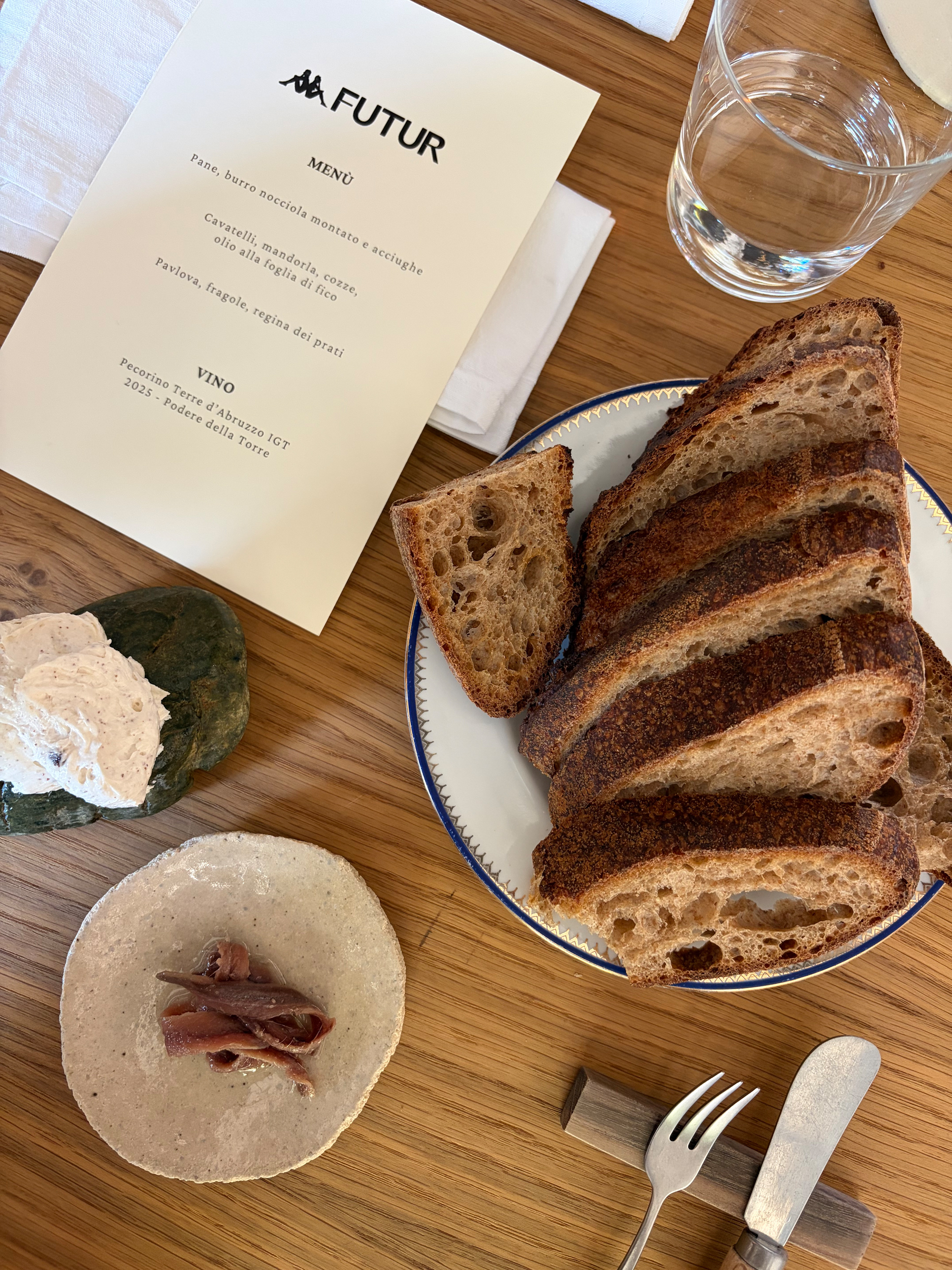
The food became another way of discovering Turin, with lunches celebrating Piedmontese cuisine punctuated the days before another evening at Parco Dora, reinforcing the idea that Art & Techno is as much about the city as the festival itself.
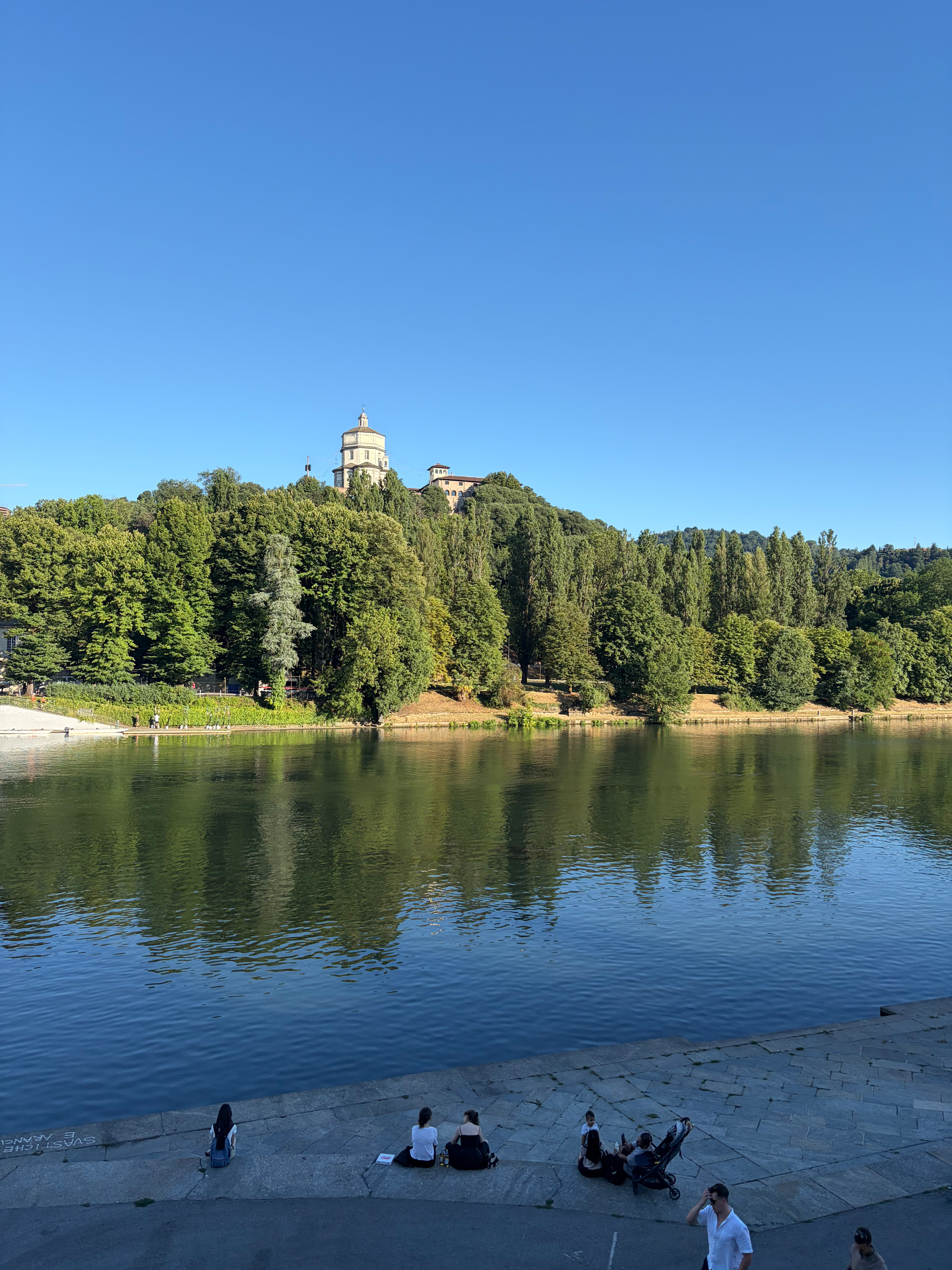
Before we finished our conversation, I asked Luigi to describe this year’s Kappa FuturFestival in three words. “Passion,” he replied almost immediately. “Energy. Soul.” I arrived in Turin expecting one of Europe’s best electronic music festivals, and KFF delivered on that promise. What I didn’t expect was to leave talking just as much about artist studios, rooftop galleries, Renaissance architecture, chocolate factories and Italian lunches as I did the music itself. The festival may be the reason people book their flights, but Turin is the reason so many leave already planning their return. Three days of contemporary art, historic architecture, artist studios, industrial heritage, remarkable food and world-class electronic music combined to create something far richer than a festival alone.
By the time the final track faded out, the city of Turin had become every bit as memorable as the headliners themselves.
Fir more info and to book tickets for 2027 go to www.kappafuturfestival.it
Words by Ama Samra