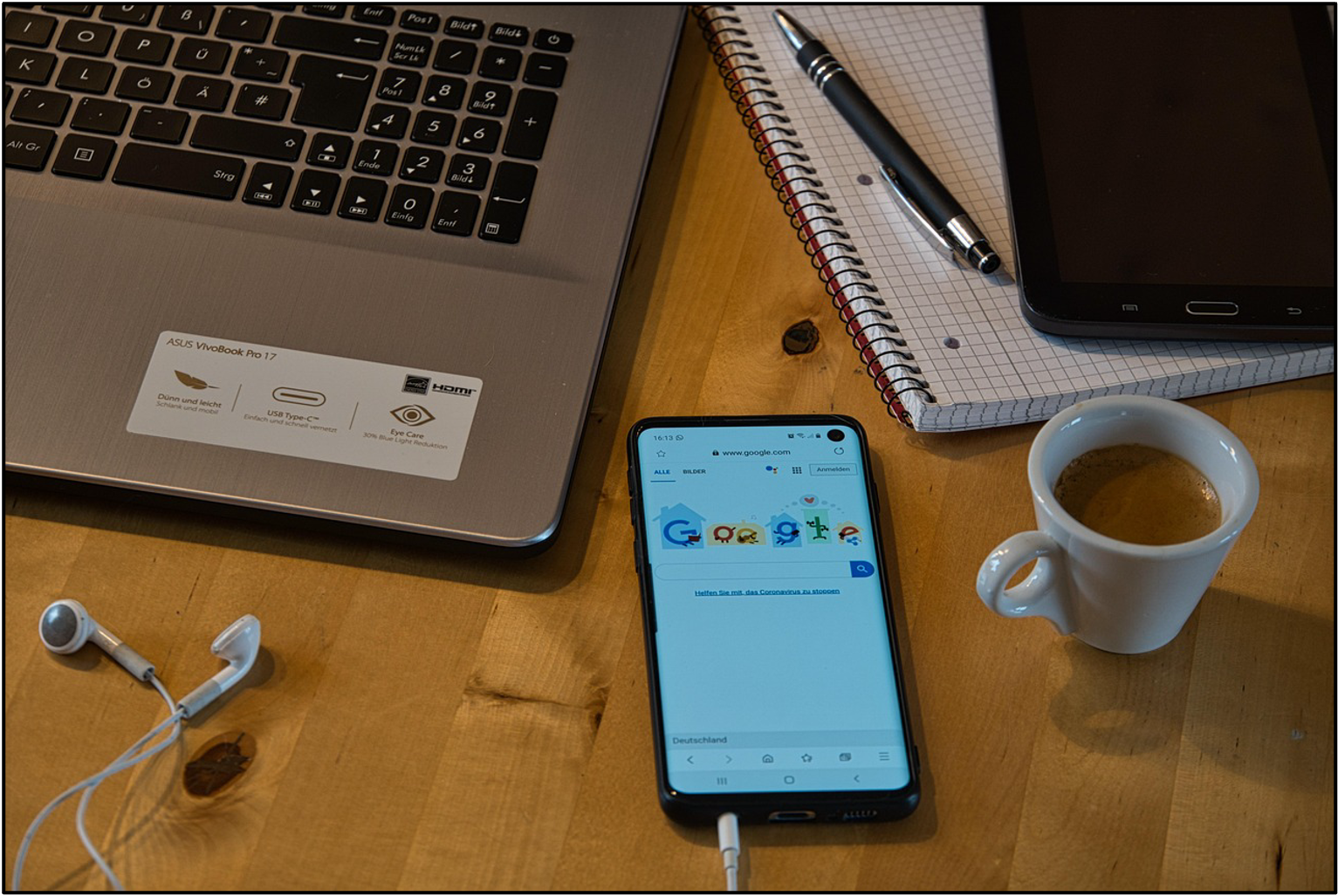
Back in the day, working from home meant freedom – but now it’s 2025, and almost half of workers say they’re more stressed than last year. We traded our commutes for kitchen table conferences and somehow ended up working longer hours than ever. 86% of remote workers experience burnout, compared to 70% of office workers – and those numbers should worry us all.
So, the problem isn’t remote work itself, but that most of us never learned how to do it without losing our minds. Your living room shouldn’t feel like a prison, and your laptop shouldn’t be the first thing you see in the morning – let’s fix that.
Why Your Brain Can’t Tell When Work Ends Anymore
Your brain needs clear signals to switch between work mode and relaxation mode. In an office, you had natural transitions – the commute, the elevator ride, even walking to your car. At home, you just close your laptop and you’re instantly “off work,” except your brain doesn’t buy it.
Something as simple as packing up your office equipment, putting coffee mugs in the dishwasher, and clearing away crumbs from your afternoon snack creates a relaxing atmosphere for your evening. Well, think of it as training your brain like you’d train a dog – consistent cues lead to predictable responses.
But what really works is to pick a shutdown ritual and stick to it. Change your clothes at 5 PM sharp, take a five-minute walk around the block, or just do ten pushups. Whatever you choose, do it every single day until your brain gets the message: work is over.
20-Minute Reset Could Help You Beat Scrolling Instagram
Remote workers save an average of 72 minutes daily without commuting, but most of us waste that time checking emails or doing “just one more task.” So, stop that – you need real breaks that actually reset your mental state.
Research shows that casual video game play during rest breaks helps restore mood in response to workplace stress, and only the video game players reported feeling better after their break. The idea is not to become a gaming addict, but to find activities that can completely shift your mental gears.
Some people find their reset in quick puzzle games or online chess. Others prefer more exciting options like exploring safe no KYC casinos at CasinoBeats, where casino expert Matt Bastock has reviewed platforms that let you sign up and play without ID verification issues. These sites are a great way to have quick entertainment bursts during lunch breaks – just set a timer and treat it like any other break activity. The point is finding something that activates a different part of your brain than spreadsheets and Zoom calls do.
Try the 90-20 rule: work for 90 minutes, then take a 20-minute break. During those 20 minutes, do something, anything, that has nothing to do with work – and your productivity will thank you.
Move Your Body Before It Rebels Against You
Sitting all day will kill you slowly – and that’s a pure science. 52% of remote workers miss changing scenery every day, and our bodies miss movement even more.
So, set hourly alarms to stand up and move, do desk yoga, walk to the mailbox, or dance to one song. Guided meditations are especially effective for stress-reduction, with instructors leading you to focus on your breath or body sensations. Even five minutes of movement beats eight hours of perfect stillness.
Playing background music, instrumental jazz works great, helps you feel more relaxed, and makes work time more enjoyable – it also reminds you that you’re a human being, and not some productivity robot.
Build a Fake Commute (Yes, Really)
You need transition time between work-you and home-you. Try changing clothes, working out, or taking a warm shower to transition out of work mode. Call it your “fake commute” – that buffer zone your brain desperately needs.
Morning routine: Wake up, get dressed (real clothes, not just different pajamas), walk around the block with your coffee, then start work. Evening routine: Close laptop, change clothes, take a 10-minute walk or do a YouTube workout.
Stop Working Alone in Your Cave
65% of remote workers miss face-to-face interactions with colleagues. Humans aren’t meant to work in isolation, yet that’s exactly what many of us do every single day.
Schedule virtual coffee breaks where work talk is banned. So, join a coworking space once a week, meet a friend for lunch, or video call your family… Your mental health needs human connection more than your inbox needs immediate responses.
The Takeaway
Remote work stress is actually fixable – all you need are boundaries, real breaks, physical movement, and human connection. 92% of employees say a supportive manager is most important after compensation, but you need to take care of yourself first.
Start tomorrow with one change – pick a shutdown ritual, take a real lunch break, and move your body every hour. Some small changes may turn into big results. Your home should feel like home again, not a 24/7 office where you happen to sleep.
The tools exist – meditation apps, exercise videos, gaming breaks, virtual social hours… so use them. Your sanity depends on it, and frankly, so does your long-term career success. Nobody does their best work when they’re burned out and miserable.