
Mass-market group tours move quickly through Italy, carrying visitors between major landmarks on tightly planned schedules that leave little time to explore the places in between. Stepping off the coach reveals a vastly different country. Regional railways, historic footpaths, and coastal ferry routes connect towns, villages, and landscapes that are easily overlooked when stops are limited.
Walking, cycling, and travelling by local train reveal quieter corners of the country, from valleys shaped by centuries of farming to small harbours, hill towns, and family-run estates where daily life continues at its own pace.
The five journeys below follow routes that encourage a slower way of travelling, using Italy’s existing transport networks and historic paths to explore beyond the country’s busiest tourist circuit.
Cycling Through Puglia’s Centuries-Old Olive Groves
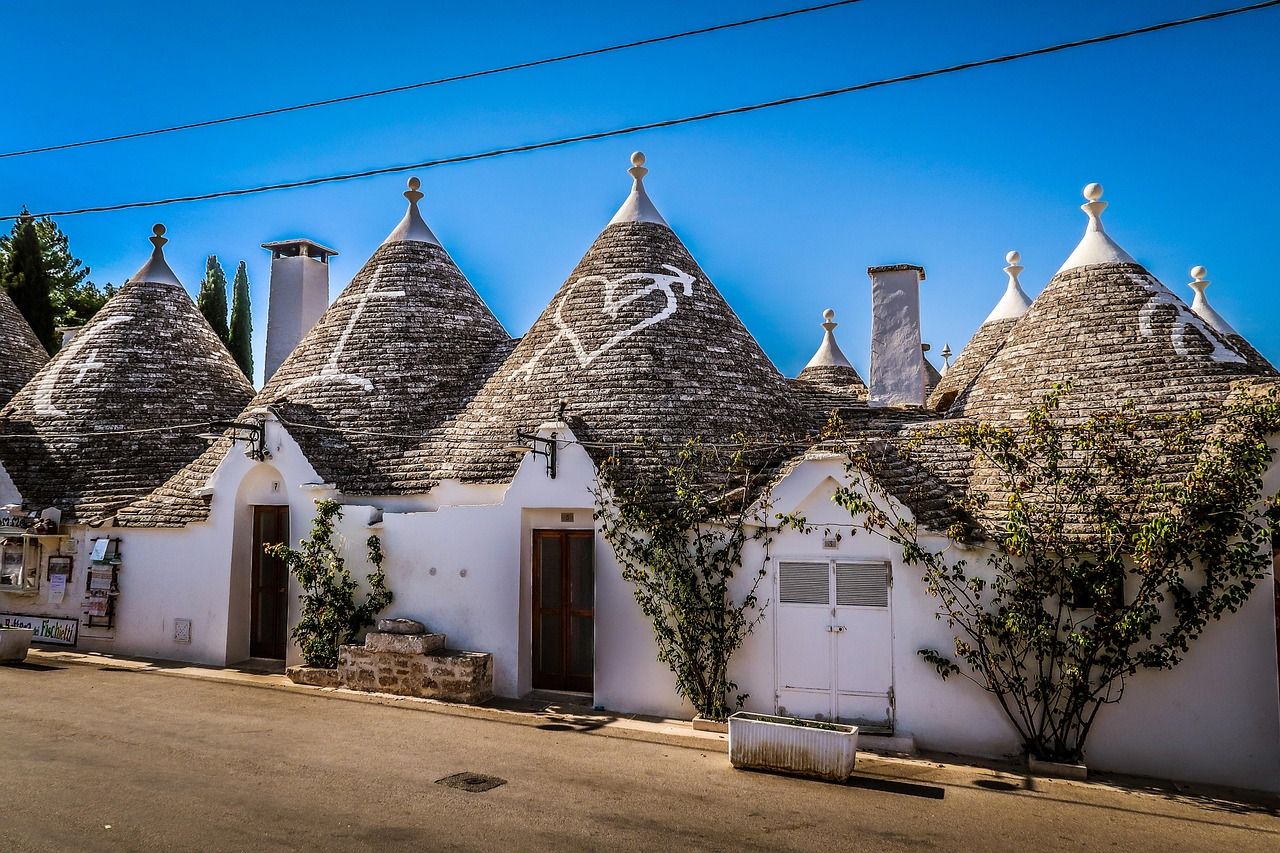
Puglia’s southern plain is shaped by dry-stone walls and ancient olive trees, some more than 2,000 years old. The SP121 between Monopoli and Fasano passes through the Valle d’Itria, linking whitewashed towns with historic masserie, the fortified farmhouses that have produced olive oil here for centuries using traditional cold-pressing methods.
If you’re planning cycling trips in Italy, the Salento peninsula is well worth considering. Its quiet, paved roads link Lecce with Otranto through olive groves, vineyards, and small farming communities. Travelling by bike makes it easy to stop at family-run olive estates, browse village bakeries for freshly baked puccia, or sample small-batch oils sold directly by local producers.
Puglia is also well suited to independent travel. Regional services operated by Ferrovie del Sud Est allow bicycles on board, making it easy to link longer rides with local train journeys. Inland routes also avoid much of the seasonal traffic along the Adriatic coast before rejoining quieter stretches near Torre Guaceto Nature Reserve.
Sailing to the Amalfi Coves, Beyond the Road
The steep cliffs of the Amalfi Coast leave little room for roads, and during the busiest months, traffic along the SS163 can move slowly for hours. Travelling by sea offers a different perspective, with traditional wooden gozzo boats departing from Marina Grande in Sorrento and the harbour in Amalfi to explore stretches of coastline that are difficult to appreciate from the road.
Heading west towards the Punta Campanella Marine Protected Area brings boats past Fiordo di Furore, a narrow limestone gorge spanned by a high road bridge. Approaching from the water reveals the small stone fishermen’s houses at its base before continuing to sea caves such as the Grotta dello Smeraldo, where sunlight enters through an underwater opening and gives the water its distinctive emerald colour.
Further east, near Conca dei Marini, boats reach small inlets and swimming spots including Baia di Ieranto, where the steep coastline limits road access. Many trips pause for a swim before continuing to waterfront trattorias serving the day’s seafood along the coast.
Walking the Ancient Pilgrim Trail Through Tuscany
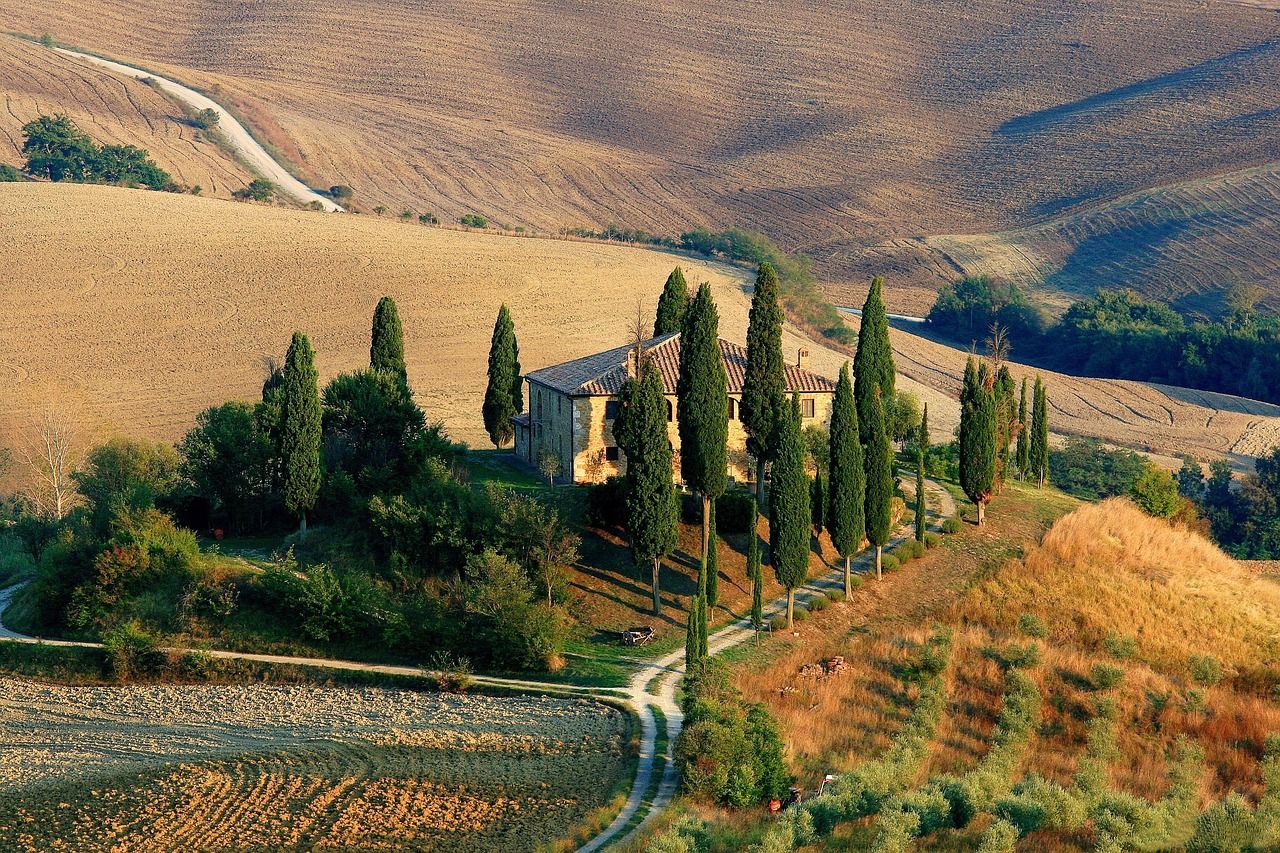
The Via Francigena is a medieval pilgrimage route stretching across Europe, with one of its best-known sections crossing the Tuscan countryside between Lucca and Siena. Section 32 leads from the hill town of San Gimignano across the Elsa Valley to the fortified village of Monteriggioni, following gravel tracks through cypress-lined farmland and rolling clay hills.
For anyone considering self-guided walking holidays in Italy, this section of the Via Francigena offers a rewarding way to experience one of Europe’s oldest pilgrimage routes. Red-and-white trail signs make the route easy to follow as it passes along roads first established during the Roman period. Along the way, small settlements such as Strove still welcome travellers with stone fountains, parish churches, and village squares that have served travellers for centuries.
Reaching Monteriggioni on foot brings you through Porta San Giovanni, the same entrance used by pilgrims arriving during the Middle Ages. The route also passes family-run guesthouses, village bakeries, and small taverns serving Tuscan specialities such as hand-rolled pici, making it easy to spend several days walking at an unhurried pace.
Riding the Clifftop Train Linking the Cinque Terre
The five villages of the Cinque Terre cling to cliffs overlooking the Ligurian Sea. Travelling by car between Monterosso al Mare, Vernazza, Corniglia, Manarola, and Riomaggiore is difficult because of narrow mountain roads and the lack of parking within the historic centres. The Cinque Terre Express runs through tunnels carved into the cliffs, linking all five villages in around 30 minutes.
Stepping off the train brings you straight into each village. At Manarola, the station is only a short walk from the Vineyard Path, where local growers still use specialised monorail carts, known as trenini, to transport grapes across the steep terraces. Walking sections of the coastal trail before returning to the railway makes it easy to experience the landscape without committing to the full route.
The railway also makes it convenient to spend more time in each village. Pause in Corniglia for a glass of locally produced Sciacchetrà before catching the next train to Monterosso, where the day can end beside one of the Cinque Terre’s few sandy beaches.
Tasting Emilia-Romagna’s Parmesan and Balsamic Vinegar Country
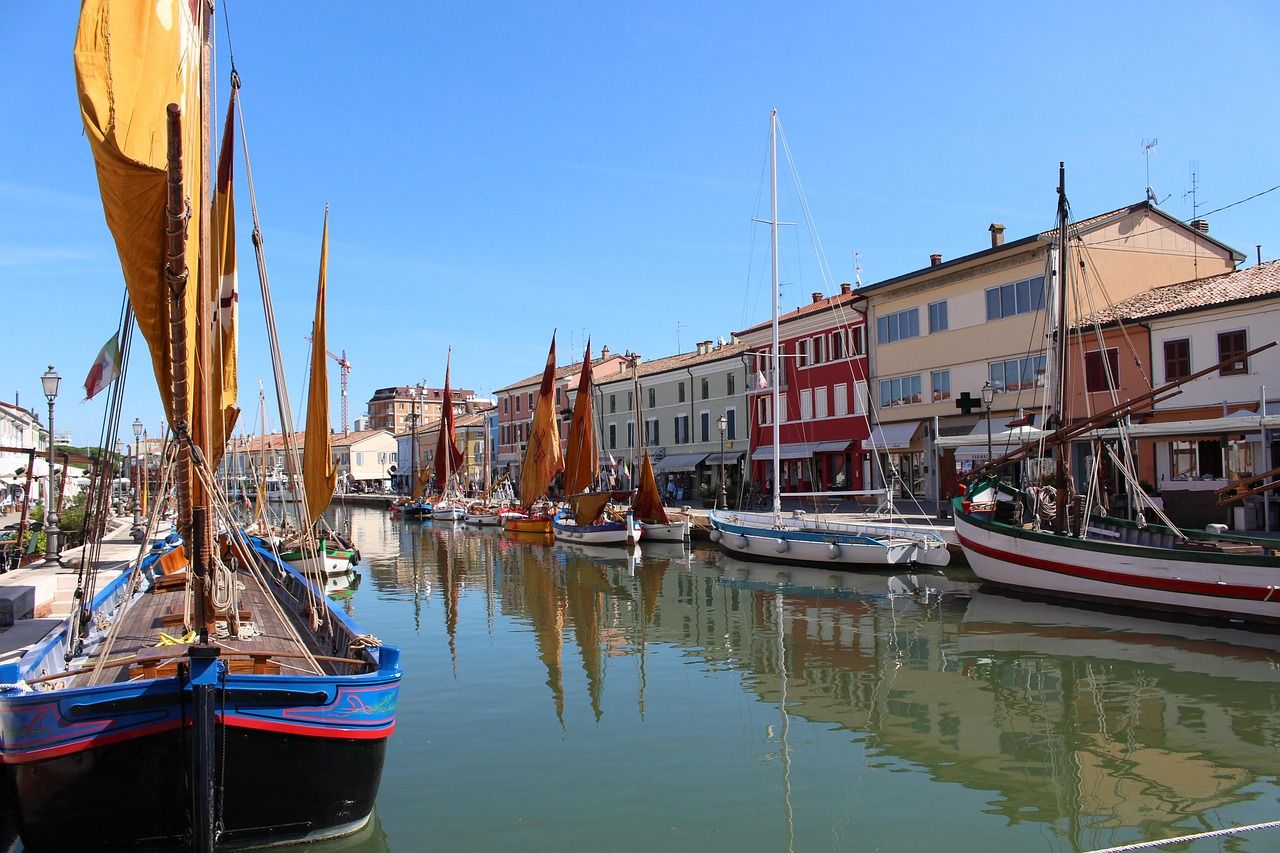
Much of Italy’s best-known regional food comes from Emilia-Romagna, where the historic cities of Parma, Reggio Emilia, and Modena are linked by the ancient Via Emilia. Travelling this route independently makes it easy to visit small producers of Parmigiano Reggiano and Traditional Balsamic Vinegar of Modena, both protected under strict PDO regulations.
Near Reggio Emilia, cheesemakers transform raw cow’s milk into Parmigiano Reggiano, ageing wheels weighing around 40 kilograms on long rows of wooden shelves for at least 24 months. In the hills above Modena, traditional acetaie (vinegar cellars) store cooked ‘grape must’ in a series of wooden barrels, where it slowly matures into Traditional Balsamic Vinegar of Modena over a minimum of 12 years.
Visiting both producers on the same journey offers a clearer understanding of how the region’s climate shapes each process. Local producers explain how seasonal changes influence the slow evaporation of balsamic vinegar through oak, chestnut, and cherry wood casks, while dairy visits reveal the careful routines behind one of Italy’s most closely protected cheeses.
Which Slow Route Through Italy Would You Choose?
Italy reveals different sides of itself depending on how you travel. Cycling through Puglia’s olive groves, following the Via Francigena on foot, crossing the Amalfi Coast by boat, riding the Cinque Terre railway, or spending time with food producers along the Via Emilia each offers a different perspective on the country’s landscapes and traditions.
Slowing the pace leaves more room for the places between Italy’s headline attractions. Regional trains, walking trails, quiet roads, and local ferry routes connect villages, coastlines, and rural communities that are easily missed on a tightly scheduled itinerary.



