For many travellers under thirty-five, the journey is no longer simply a way of reaching the destination. Overnight trains, regional railways, and small-ship voyages are becoming part of the experience instead of simply connecting one place to the next. As short-haul flights require security queues, baggage restrictions, and airport transfers… Slower forms of travel appeal for reasons that go beyond convenience.
Travelling by train or small ship gives people more time to take in the landscapes between destinations and often arrives closer to city centres or smaller ports. For younger travellers planning longer trips or exploring several destinations, the hours spent on trains and small ships are no longer viewed as time lost between stops.
Small Ship Cruises Are Drawing a Younger Crowd
Large ocean liners carrying thousands of passengers typically follow fixed schedules and often berth at terminals outside historic town centres. Smaller vessels, many carrying fewer than five hundred passengers, can navigate narrower waterways and dock closer to town quays, reducing the need for shuttle buses or lengthy transfers. For travellers who want to spend more time ashore, it leaves more of the day for exploring on foot.
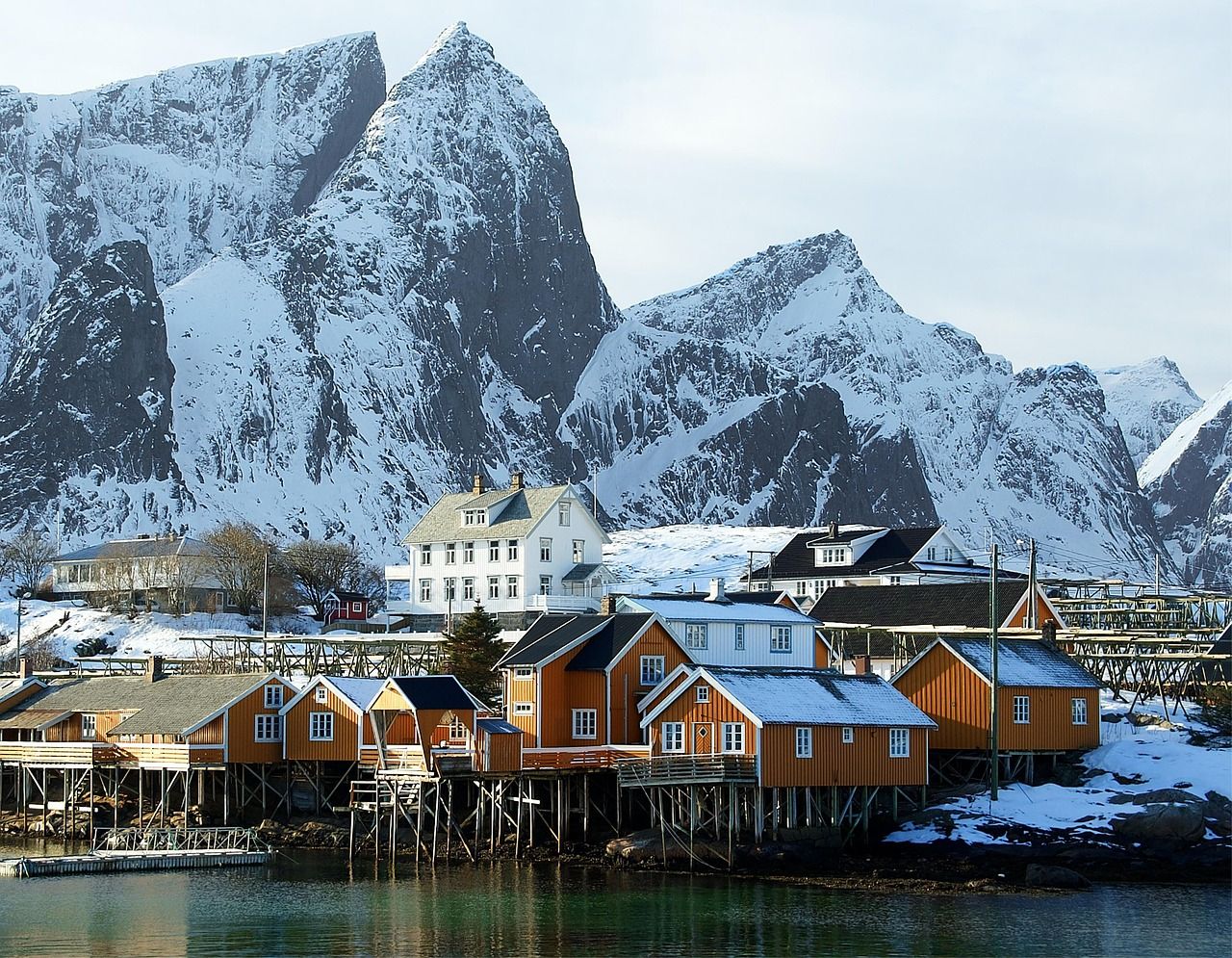
Passengers spend less time moving through terminals and more time exploring port communities on foot. Smaller vessels can also reach waterways where larger ships face size restrictions or tighter environmental regulations. That’s one reason cruising the Norwegian Fjords by small ship, for example, has become increasingly popular, with itineraries that include Zodiac excursions, kayaking, and hiking trails accessible directly from the quay.
Life on board reflects that difference as well. Instead of large theatre productions and formal dining rooms, many small ships focus on regional food, talks led by naturalists and marine specialists, and open decks overlooking the coastline. Days tend to revolve around the destination itself, with time ashore shaping the schedule more than onboard entertainment.
Rail Travel Is Replacing the Short-Haul Flight for Many
Across much of Europe, high-speed rail now competes directly with short-haul flights. Once airport transfers, check-in, and security are factored in, journeys between cities such as Paris, Amsterdam, Brussels, and London can take a little longer by train while ending in the heart of the city instead of at an airport on the outskirts. Services like the Eurostar and France’s TGV also remove the need for baggage drop queues, liquid restrictions, and lengthy transfers after arrival.
The experience on board also appeals to travellers taking longer trips. Time can be spent working, reading, watching films, or simply following the landscape through the window without interruptions from boarding gates or repeated security checks. There’s also no need to think about cabin bag fees or whether luggage meets an airline’s size restrictions, making rail a more straightforward option for travelling between international cities.
Environmental impact is another consideration for some travellers, though comfort and convenience remain just as important. For journeys across much of western Europe, the train is no longer viewed as the slower alternative. Increasingly, it’s simply another way of travelling between cities, with the time between destinations becoming part of the trip instead of something to get through as quickly as possible.
Multi-Stop Rail Trips Are Becoming a Solo Favourite
Travelling alone often makes it easier to change plans along the way, and rail networks are well suited to that kind of flexibility. Instead of committing to fixed flight schedules or collecting a hire car, solo travellers can decide to stay an extra night, stop off in another town, or continue further along the line with relatively little disruption. Stations also place people close to city centres, local buses, and onward rail connections, making it easier to move between destinations without relying on taxis or airport transfers.
That flexibility also shapes how many younger travellers plan longer rail holidays. Instead of travelling directly from one destination to the next, they’re more likely to break up the route with overnight stops at smaller towns along the way. Those planning rail tours from Bath to Cornwall, for instance, can travel through Exeter, Plymouth, St Ives, and Penzance using the Great Western Railway services.
Rail travel also creates opportunities that are less common on short-haul flights. Shared tables, café carriages, and open seating make casual conversations easy, while larger stations offer straightforward connections if plans change. Travelling alone doesn’t have to mean following a rigid itinerary, and the railway makes it easier to adjust the pace as the trip unfolds.
Coastal Cruising Is Attracting a New Kind of Traveller
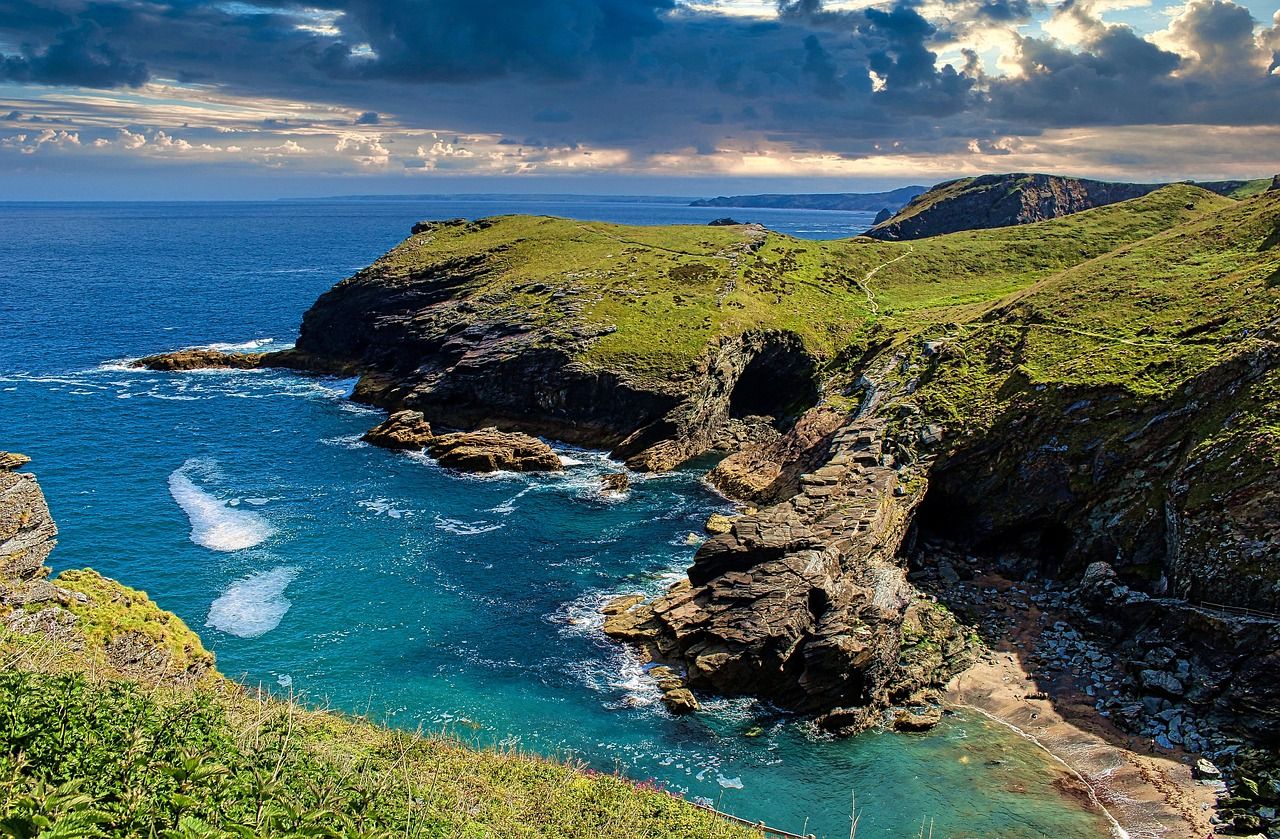
Smaller expedition vessels and coastal ferries are attracting travellers who want to spend more time exploring ashore than following a fixed programme on board. Routes through places such as Scotland’s Inner Hebrides or Croatia’s Adriatic coast focus on the coastline itself, with opportunities to go sea kayaking, watch wildlife, or visit family-run distilleries, vineyards, and fishing communities along the way.
Their size also opens up routes that larger cruise ships can’t follow. A vessel carrying fewer than one hundred passengers can anchor off places like the Isle of Skye or dock at small island harbours, leaving more time to walk coastal paths, explore quiet bays, or spend a morning in a village before larger day-trip groups arrive.
Life on board reflects that slower style of travel. Meals often feature locally sourced seafood and seasonal produce, while the focus stays firmly on the places being visited rather than onboard entertainment. The result is a style of coastal travel where the landscape, local communities, and time spent ashore shape each day more than the ship itself.
Sleeper Trains Are Becoming a Gen Z Travel Staple
Overnight rail travel is returning to Europe’s transport network, with operators such as ÖBB Nightjet expanding international routes and services like the Caledonian Sleeper continuing to connect London with the Scottish Highlands. For travellers moving between countries, sleeping through the journey has become a practical alternative to an evening flight followed by an early hotel check-in.
A sleeper train also changes how a travel day is used. Instead of spending hours getting to the airport, waiting at the gate, and travelling into the city after landing, passengers board in the evening and arrive the following morning ready to continue their trip. Travelling overnight also reduces the need for an additional night’s accommodation, making longer itineraries easier to manage.
Booking platforms now display sleeper trains alongside flights and coaches, making them much easier to compare than they were a decade ago. Newer cabins designed for solo travellers and couples have also made overnight rail travel more appealing, particularly for people planning multi-stop journeys where time and flexibility matter just as much as cost.
Is Gen Z Redefining What a Trip Looks Like?
Choosing a sleeper train over a short-haul flight, building an itinerary around regional railways, or spending several days on a small coastal vessel all point to a different way of travelling. For many people in their twenties and thirties, the time spent moving between destinations is no longer treated as something to minimise, but as part of the trip itself.
As rail networks expand and smaller ships continue to open routes beyond the busiest ports, these options are becoming easier to include in longer, multi-stop itineraries. That doesn’t mean flights are disappearing, but it does suggest that more travellers are thinking differently about how they get from one place to the next.