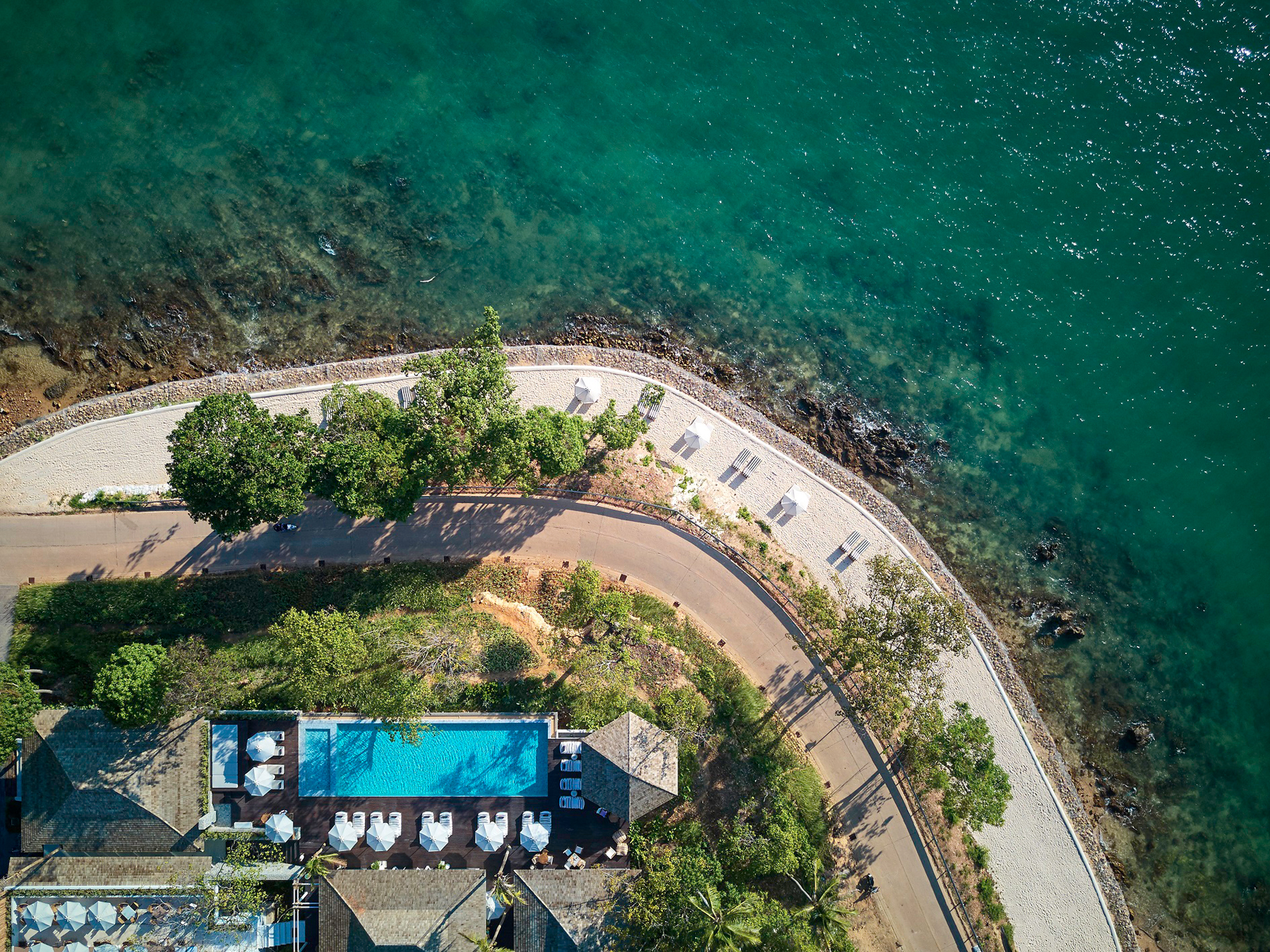
There are few places in Thailand where the pace noticeably shifts on arrival, and Koh Yao Noi is one of them. It offers something increasingly rare to find yet remains surprisingly accessible. Located just a short crossing from Phuket, this island seems completely removed, but in a good way.
Reaching Koh Yao Noi feels far more remote than it actually is. From Phuket Airport, the journey crosses to Ao Por Marina on the east coast, where Cape Kudu’s understated lounge marks the shift from road to sea. After a short pause there, I was on the hotel’s speedboat for the swift 25-minute crossing, with traditional long-tail boats drifting across the water as the limestone karsts of Phang Nga Bay slowly rose into view. A short ride in a Thai songthaew, an open-sided local taxi, completed my journey to the hotel.
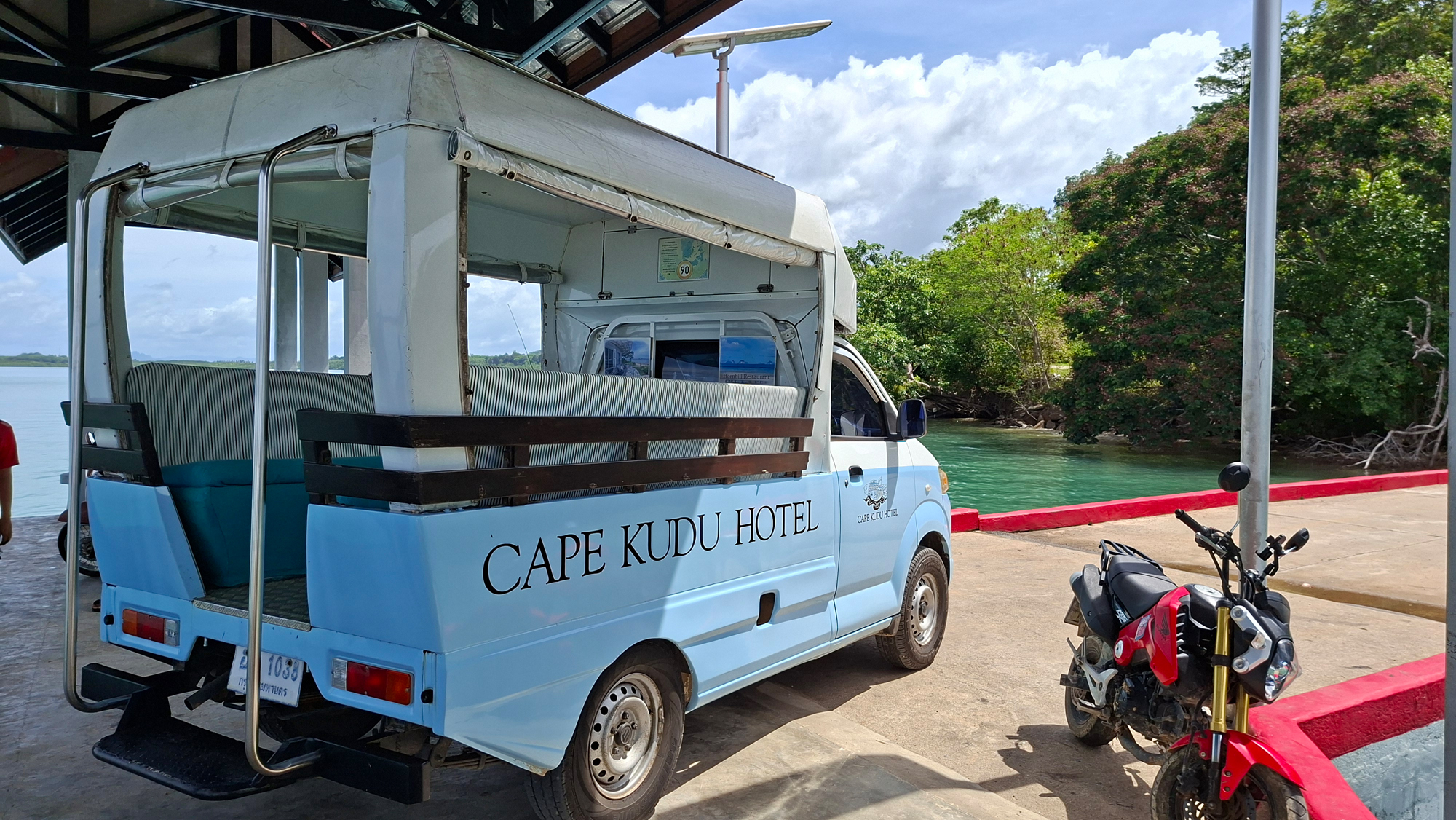
Once on Koh Yao Noi, you realise that life moves differently here. Rubber plantations, coconut groves and rice paddies stretch through the island’s interior, while scooters and bicycles far outnumber cars along the narrow roads. Small dirt tracks disappear towards quiet beaches, hidden cafés and sea views, reinforcing the slower pace that continues across much of the island.
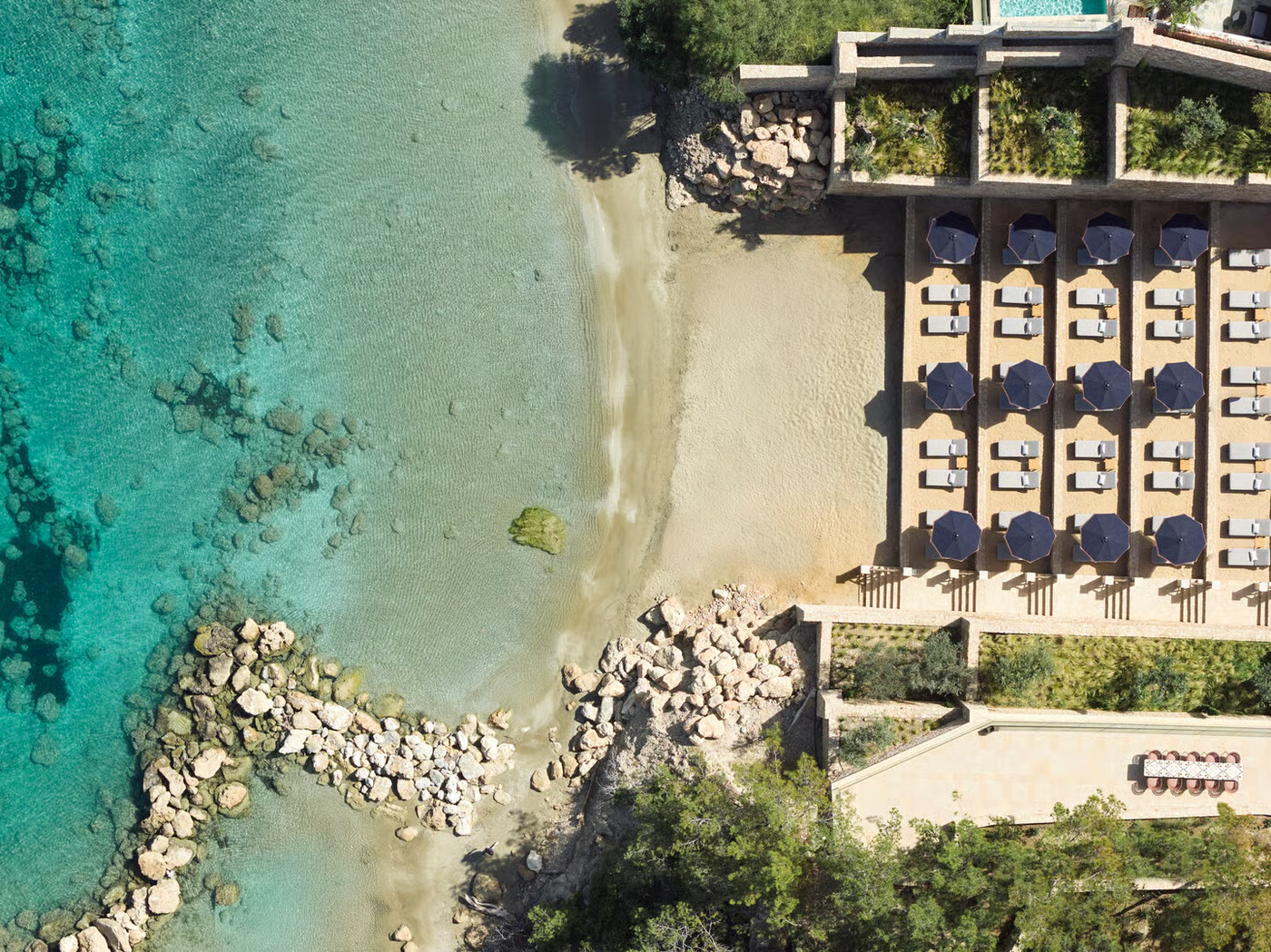
Cape Kudu became my intimate island base for the next few days. Sitting just behind a small beachfront, beside Klong Jark Beach, the hotel looks out across Phang Nga Bay. Run by Thai boutique brand Cape & Kantary Hotels and a member of Small Luxury Hotels of the World, the 56-room property feels understated and personal; its quiet confidence sharpened by the scale of the view.
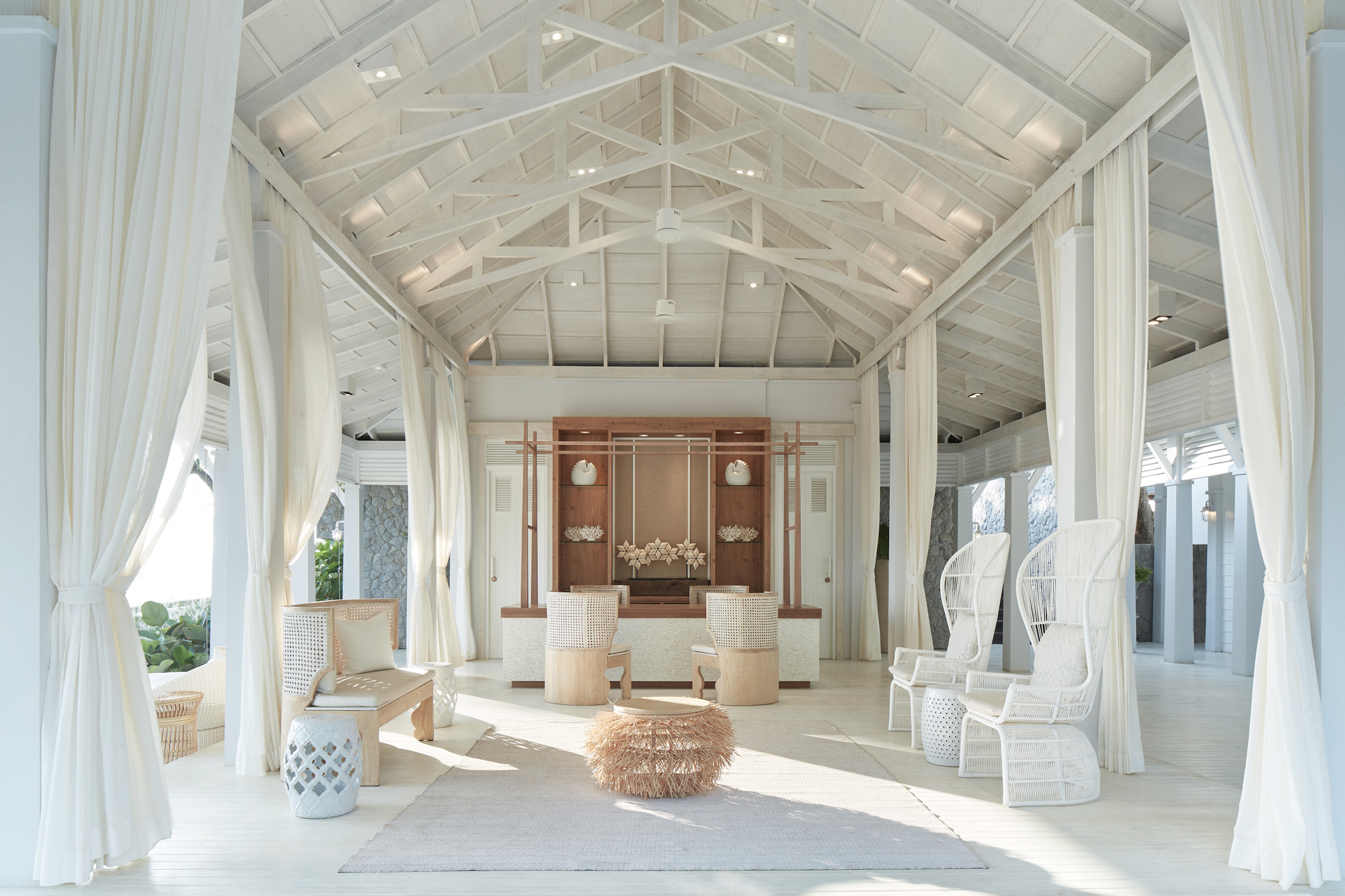
First impressions feel unexpectedly Mediterranean, with layered white textures, pale wood detailing and neutral tones shaping the calm, open-air lobby. Much of the hotel is oriented towards the view, drawing the eye instinctively outwards. Cape Kudu moves away from the usual tropical aesthetic, with a softer coastal influence. Think calming whites, sea-toned hues, mother-of-pearl elements and natural textures.
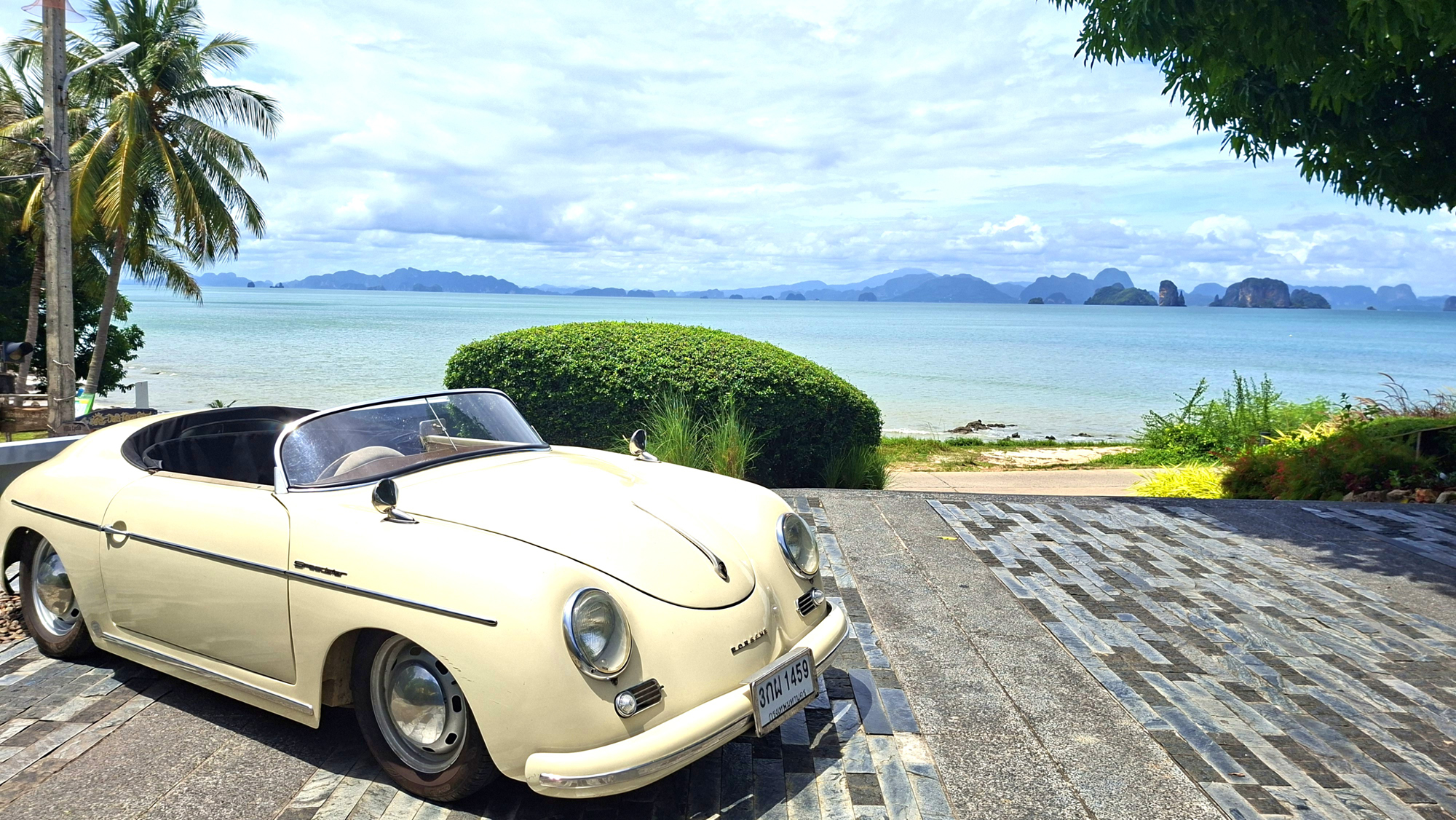
Sheer curtains drift gently in the breeze, while an unexpected vintage Porsche adds a sense of playfulness to the hotel entrance. Glass evil eyes hang throughout the property, a quiet protective motif that adds to the character. The lobby itself became something of an anchoring spot during my stay, somewhere to simply sit still and take in the uninterrupted views of speckled islands.
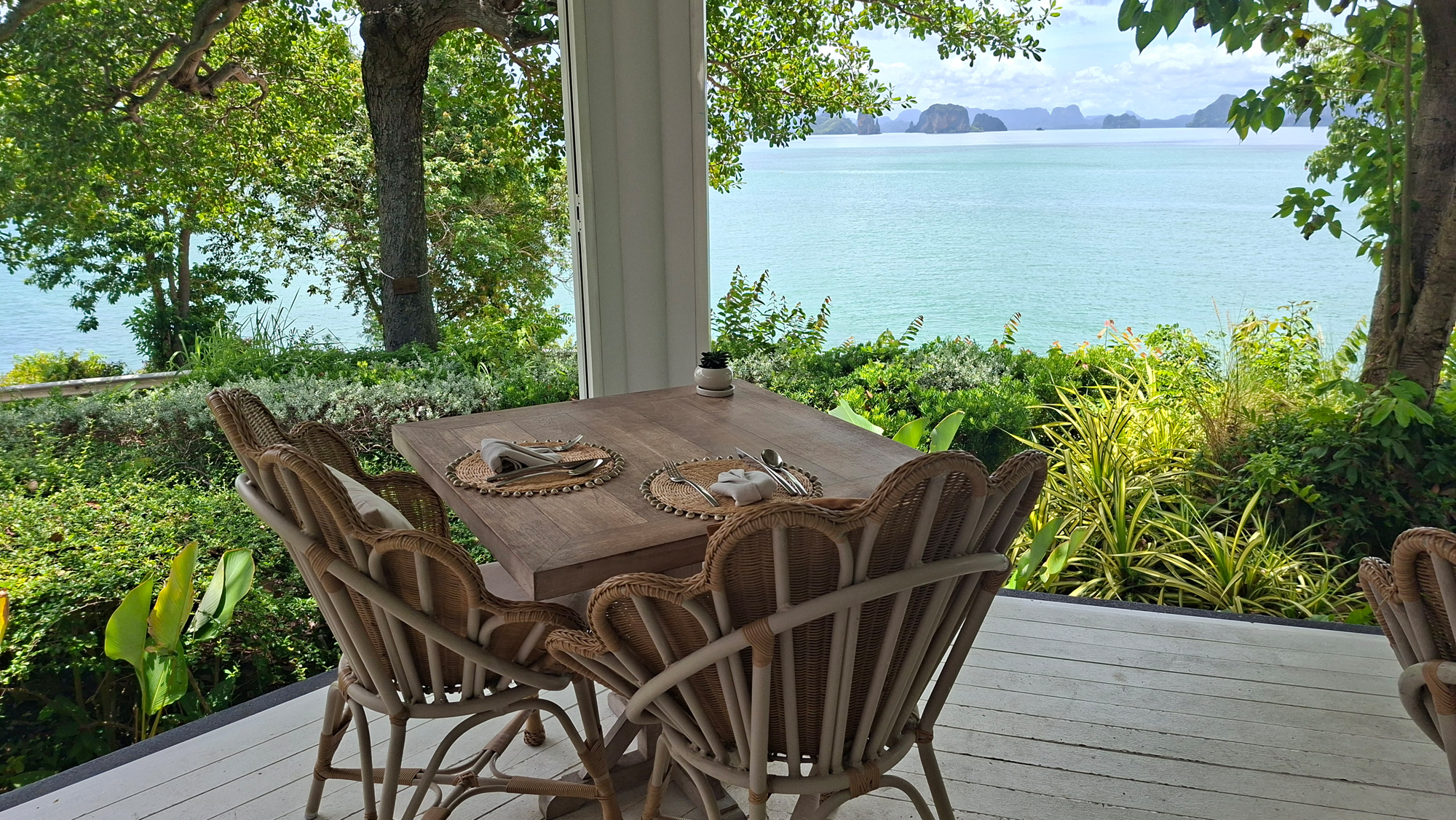
Before I got too carried away by the view, the reception team took time to explain the island’s shifting tides and what this meant practically for my stay. Put simply, Koh Yao Noi’s beaches are tide-dependent, so you can only swim or kayak at the beach in front of Cape Kudu at certain times during the day. It is all part of the island’s natural character, with tide tables clearly displayed in the lobby to help plan your days accordingly. The tides shift the landscape entirely; at times the beachfront appears idyllic, at others, exposed rocks and more rugged shorelines come into view.
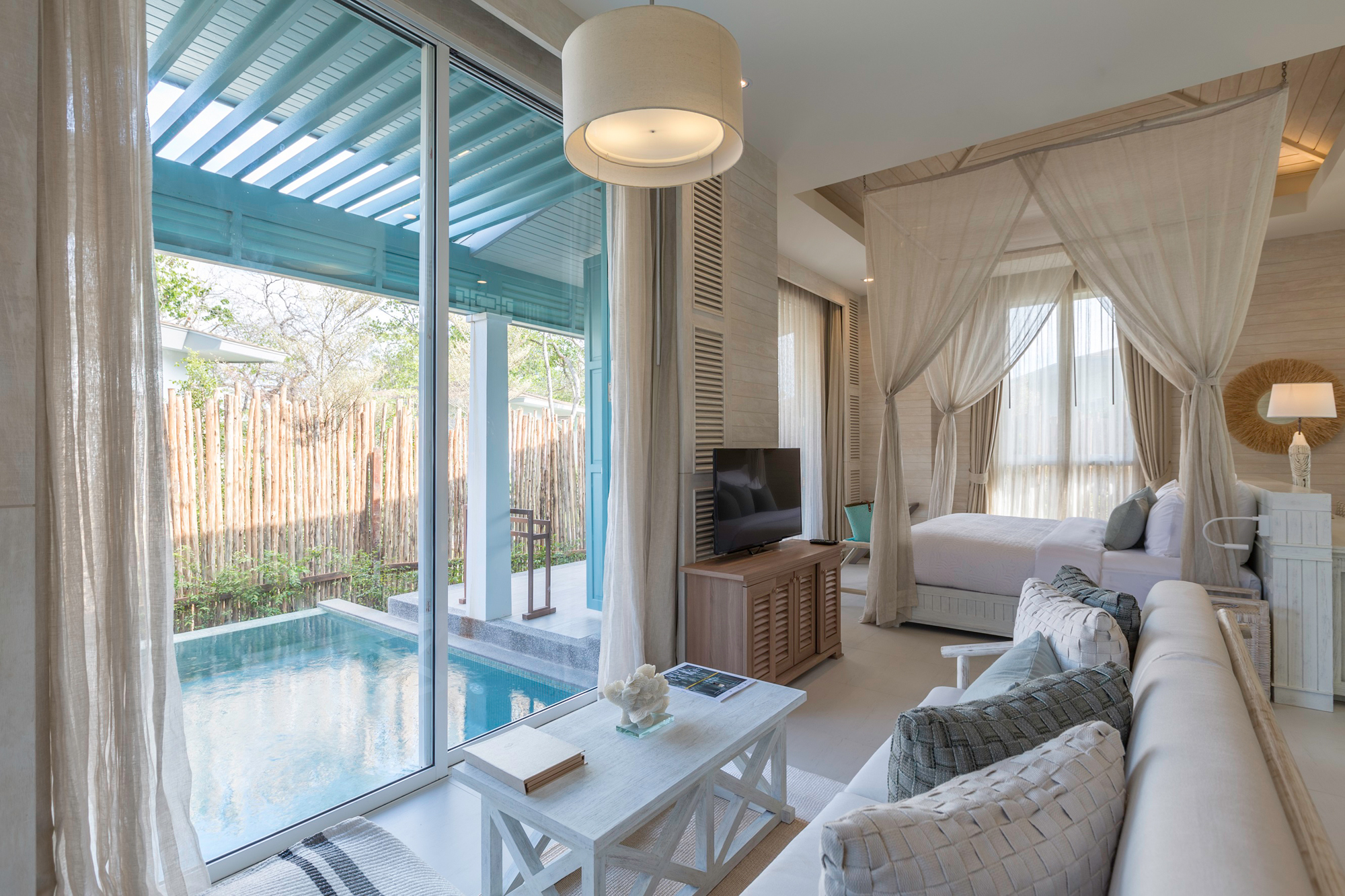
With the tides now part of my mental planning, I was guided through the tropical gardens to my Pool Villa, set slightly apart from the main areas. Inside, it opens up to softly layered, beach-inspired interiors, with a statement linen-draped four-poster bed, a seating area and full-height glass doors leading out to the private plunge pool framed by jungle greenery. At 62 square metres, the villa feels spacious without becoming excessive.
Elsewhere, low-rise buildings house Sea View and Deluxe rooms with swinging terrace seats, while the expansive Robinson Crusoe Suite brings the most character with its traditional long-tail boat reimagined as a daybed. Nearby, Baan Yu Yen takes on a more private, residential feel with its own gardens and pool. Throughout, nautical details and colonial shutter accents keep the hotel’s design language consistent.
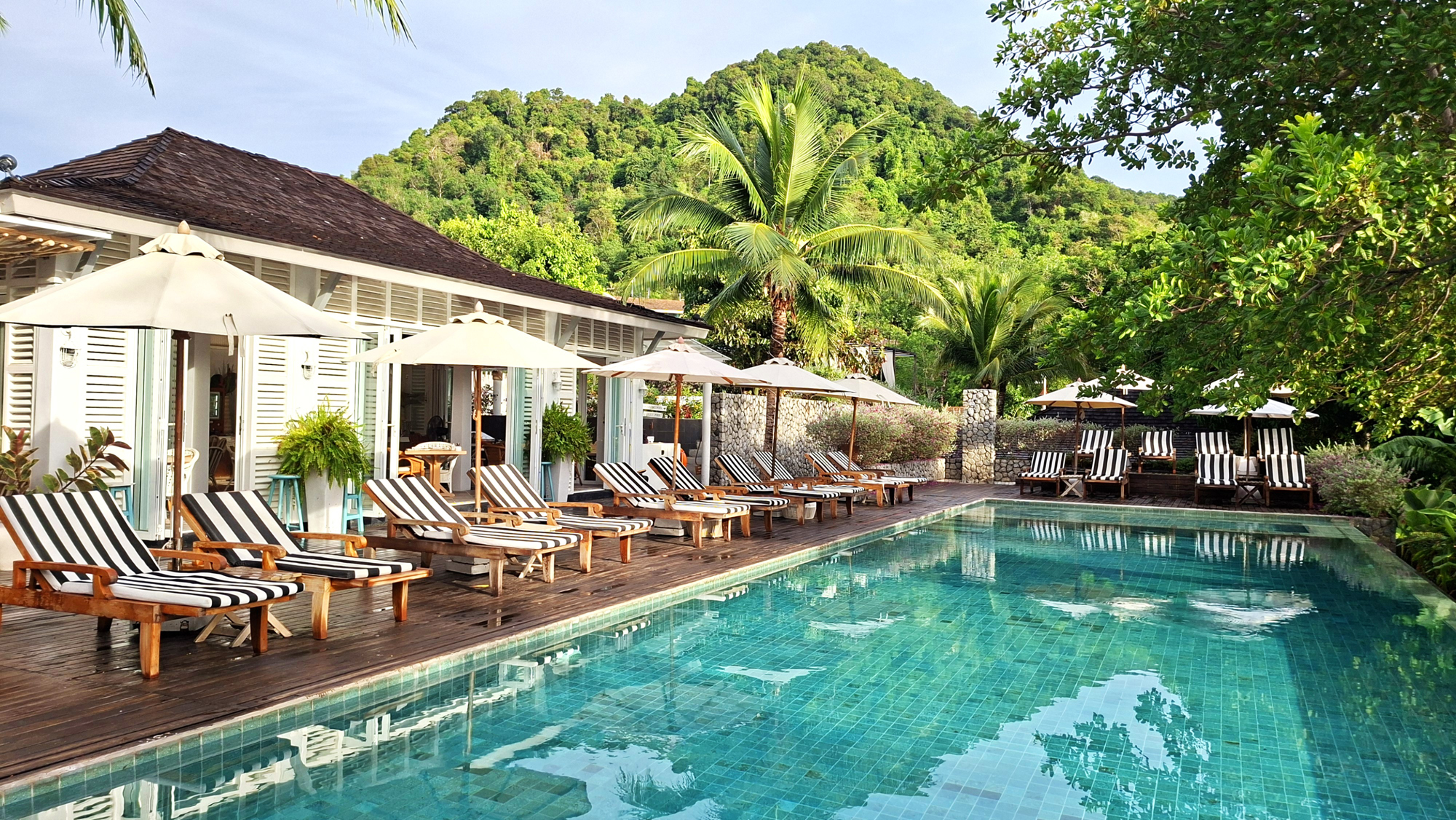
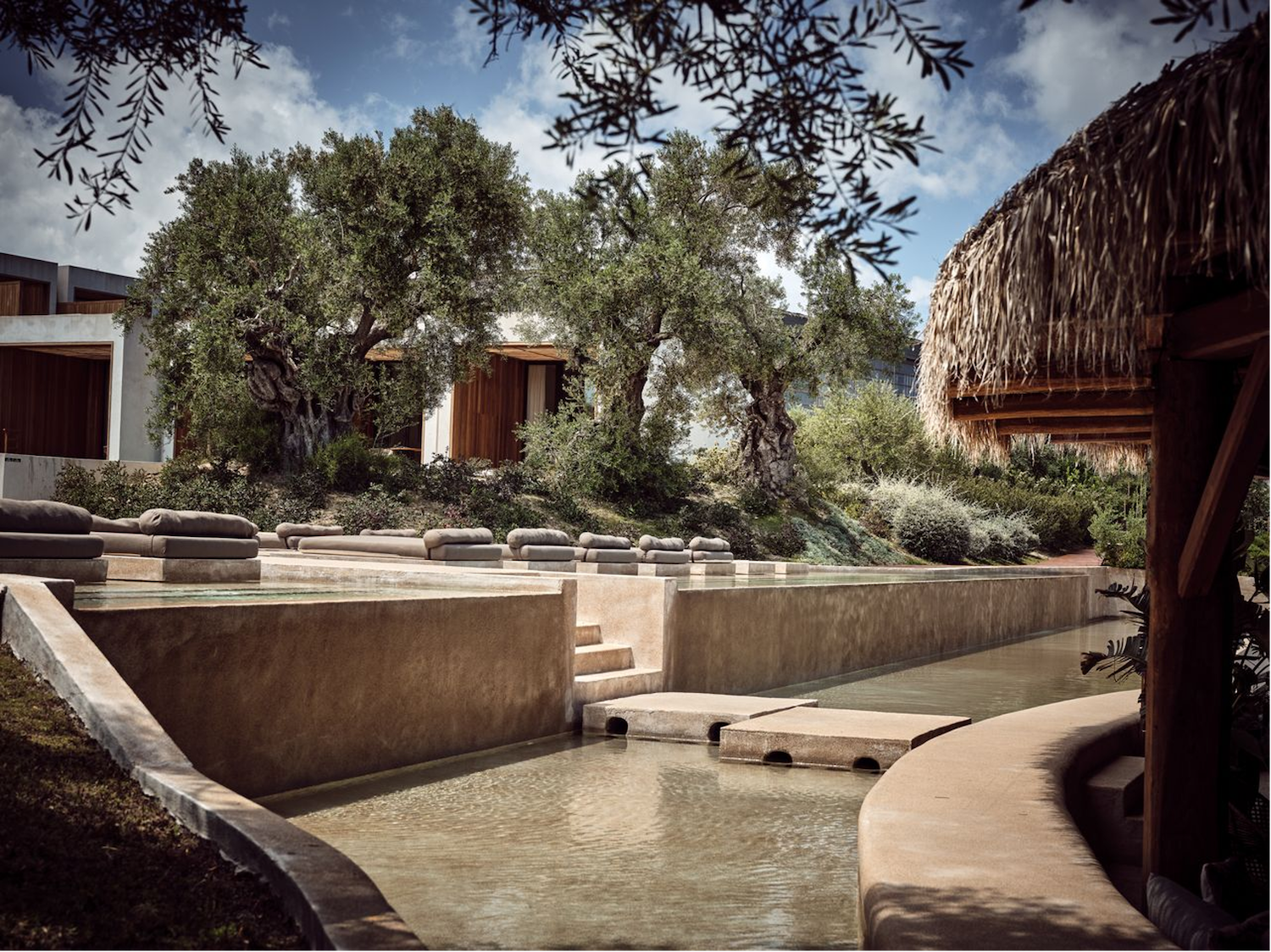
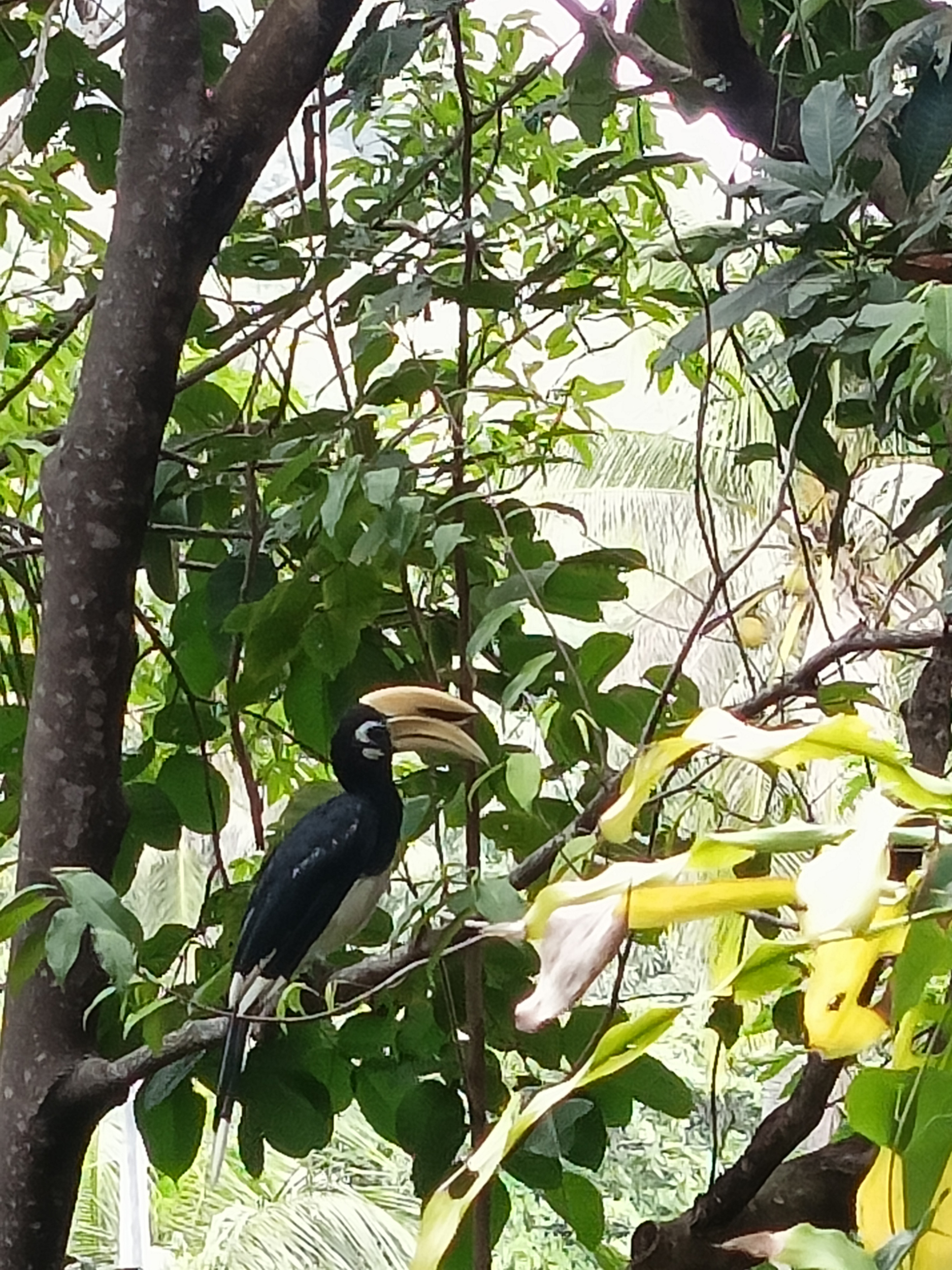
Dining at Cape Kudu is relaxed and unstructured. Long Island Bar and Hornbill Restaurant sit together poolside, where Thai dishes, Western classics and afternoon cocktails are all served against the signature backdrop. Aptly named, the restaurant features a natural hornbill nesting box, allowing the birds to return undisturbed. Wander down the stepping stones to Café Kantary for a more informal setting, popular with outside guests stopping by on their bicycles or scooters to grab a coffee, light bite or ice cream.
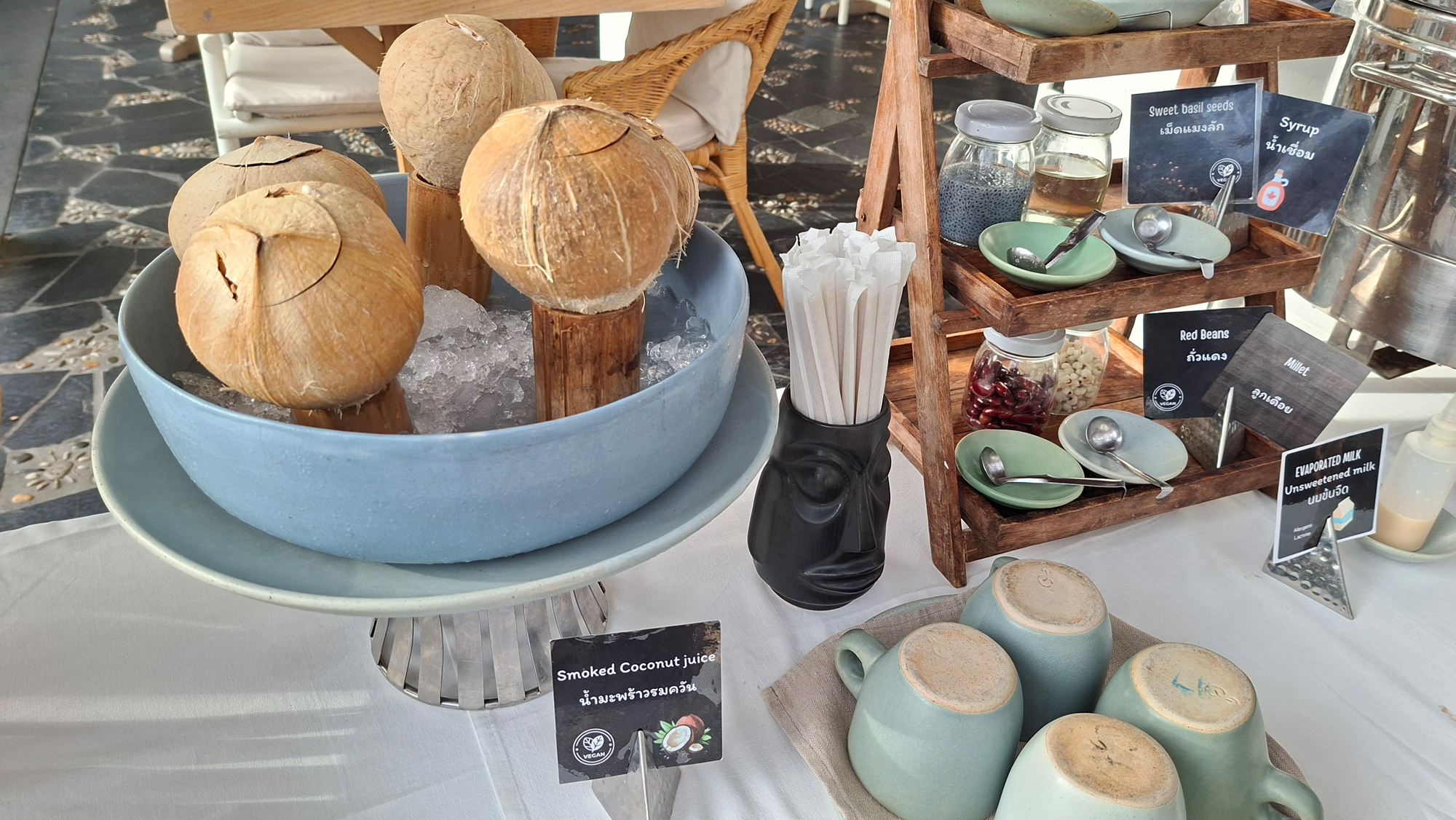
Days begin slowly at Hornbill Restaurant, my preferred spot being at a table beneath the gazebo. Alongside the more traditional buffet offering, breakfast carries a styled market feel, with a made-to-order roti station, tropical fruit carts and smoked coconuts forming part of a wider spread of local and international dishes. The champagne station positioned amusingly beside the rotating healthy juices summed up the mood perfectly, balancing indulgence with island wellness. I was lucky enough to catch a few glimpses of the resident hornbills, who appear on their own schedule, one that seemed to shift slightly each morning.
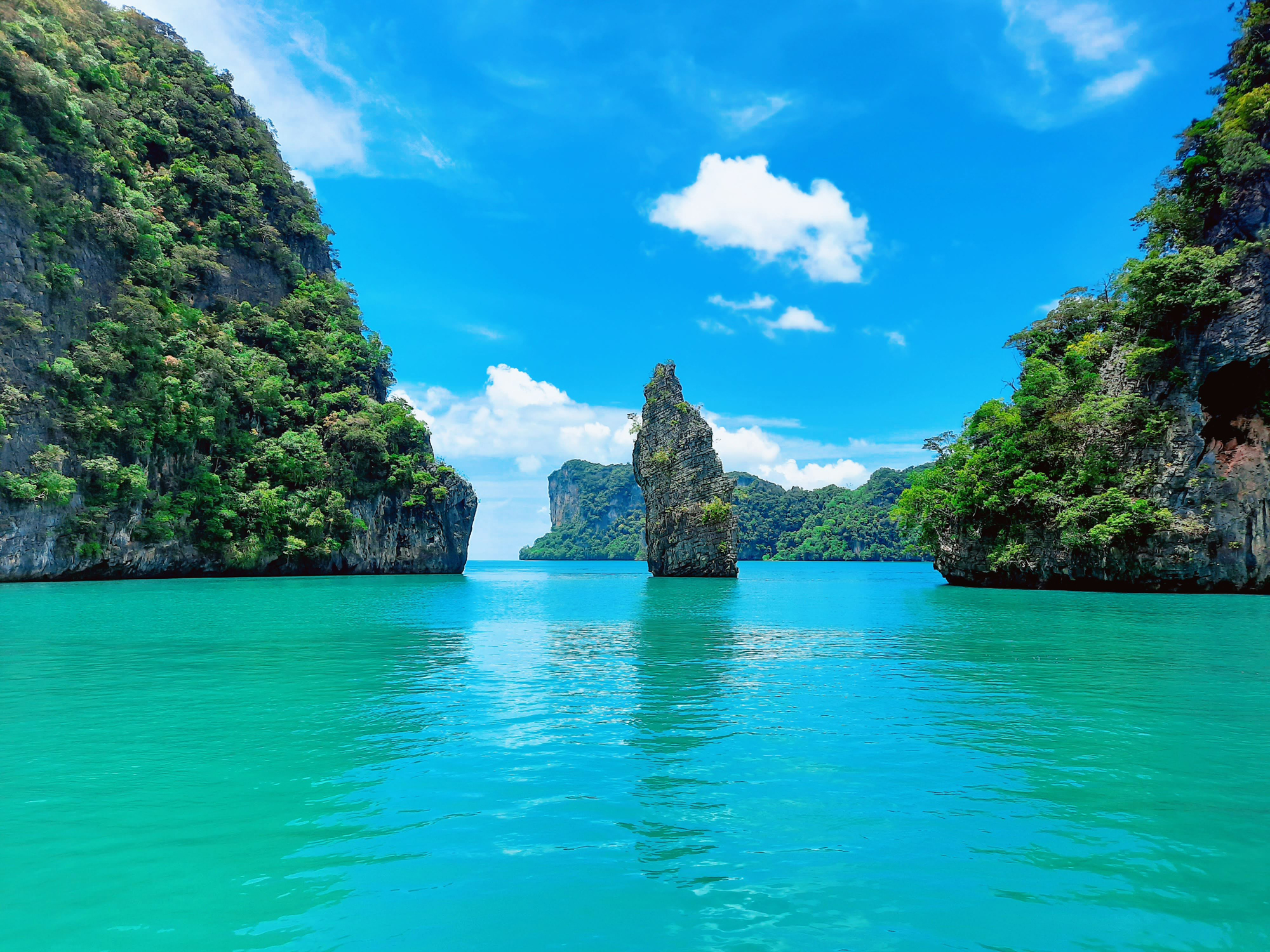
Downtime at Cape Kudu naturally centred around the pools, from the infinity main pool to a quieter, adults-only area, with tucked-away viewing decks and cocktail corners. I decided to swap lounger for the Kudu Wanderer, a converted traditional fishing boat, joining the Three Island Tour in the hope of glimpsing some untouched spots.
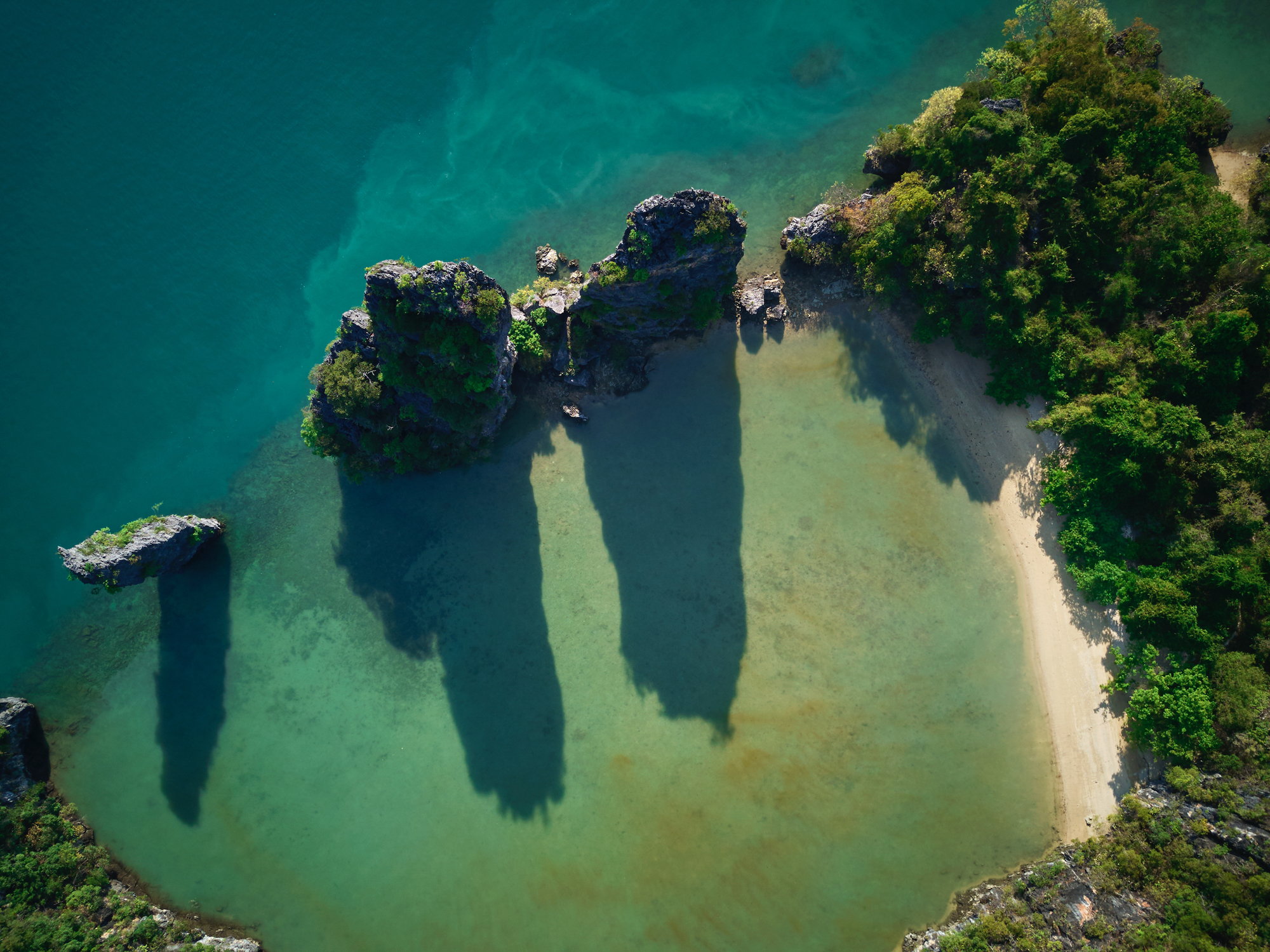
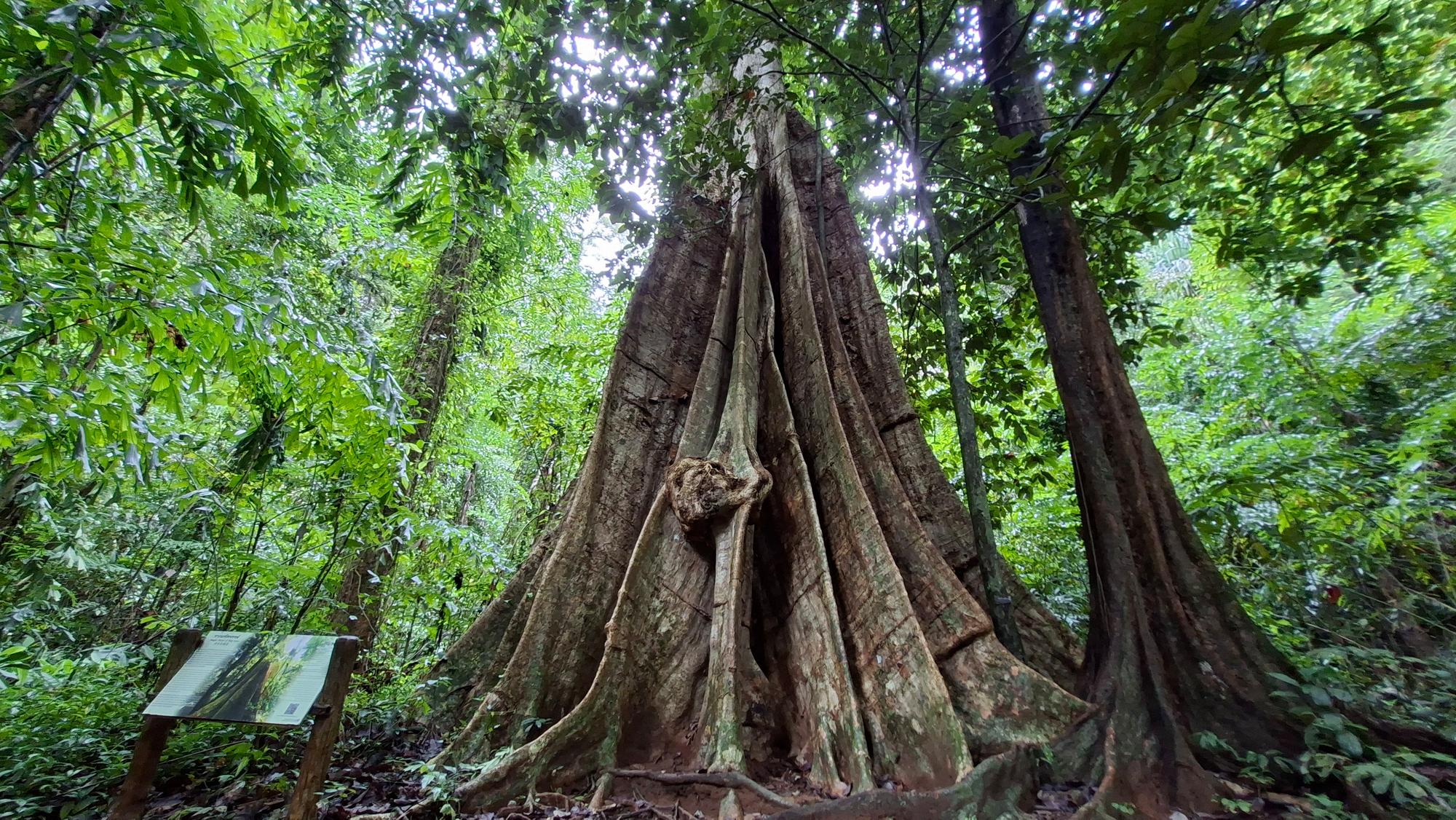
Weaving between towering limestone karsts towards Koh Roi, we entered a hidden turquoise lagoon enclosed by cliffs, accessed by ducking into the water beneath a narrow rocky opening. The next stop brought us to Big Tree, situated on a remote stretch within Ao Phang Nga National Park accessible only by boat. Here, the vast buttress root tree more than lived up to its name, sitting within an almost prehistoric setting beneath the dense jungle canopy. The final reveal was at Ko Kudu Yai, a crescent of deserted sand framed by dramatic limestone formations and fantasy island scenery that barely looked real.
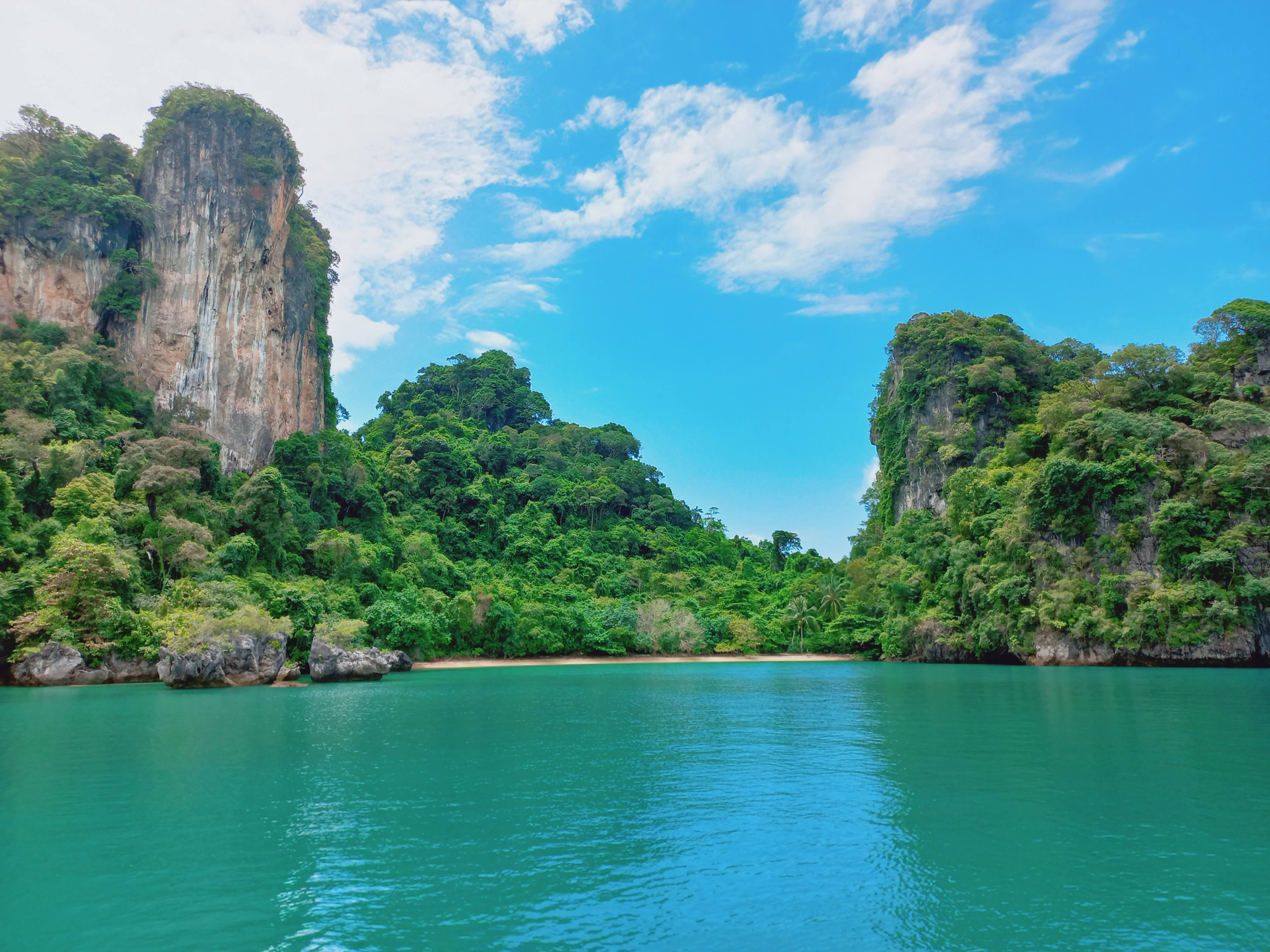
After a picturesque morning on the water, the island reveals itself best by bicycle. Cape Kudu’s complimentary bikes made it easy to explore at my own pace, without a fixed plan. I followed quiet roads past local markets, fishermen repairing long-tail boats and rice fields dotted with buffalo, offering small glimpses of everyday island life, all reached within relatively short distances.
Cape Kudu’s wider activity programme is equally easy-going, with complimentary kayaks also available on a first-come, first-served basis. The hotel can arrange cooking classes with its Thai head chef, as well as paddleboarding and yoga. A handful of local experiences sit a short ride away too, including batik painting at the Local Women’s Community, where guests can create their own masterpiece to take home.
The weekly schedule changes with the season, but during my stay it included morning yoga, a low-key beach clean and, inevitably, an ice bath experience for those brave enough. What appealed most was the lack of pressure around it all. There was enough to shape the day if I wanted structure, with room to leave the rest of it unplanned.
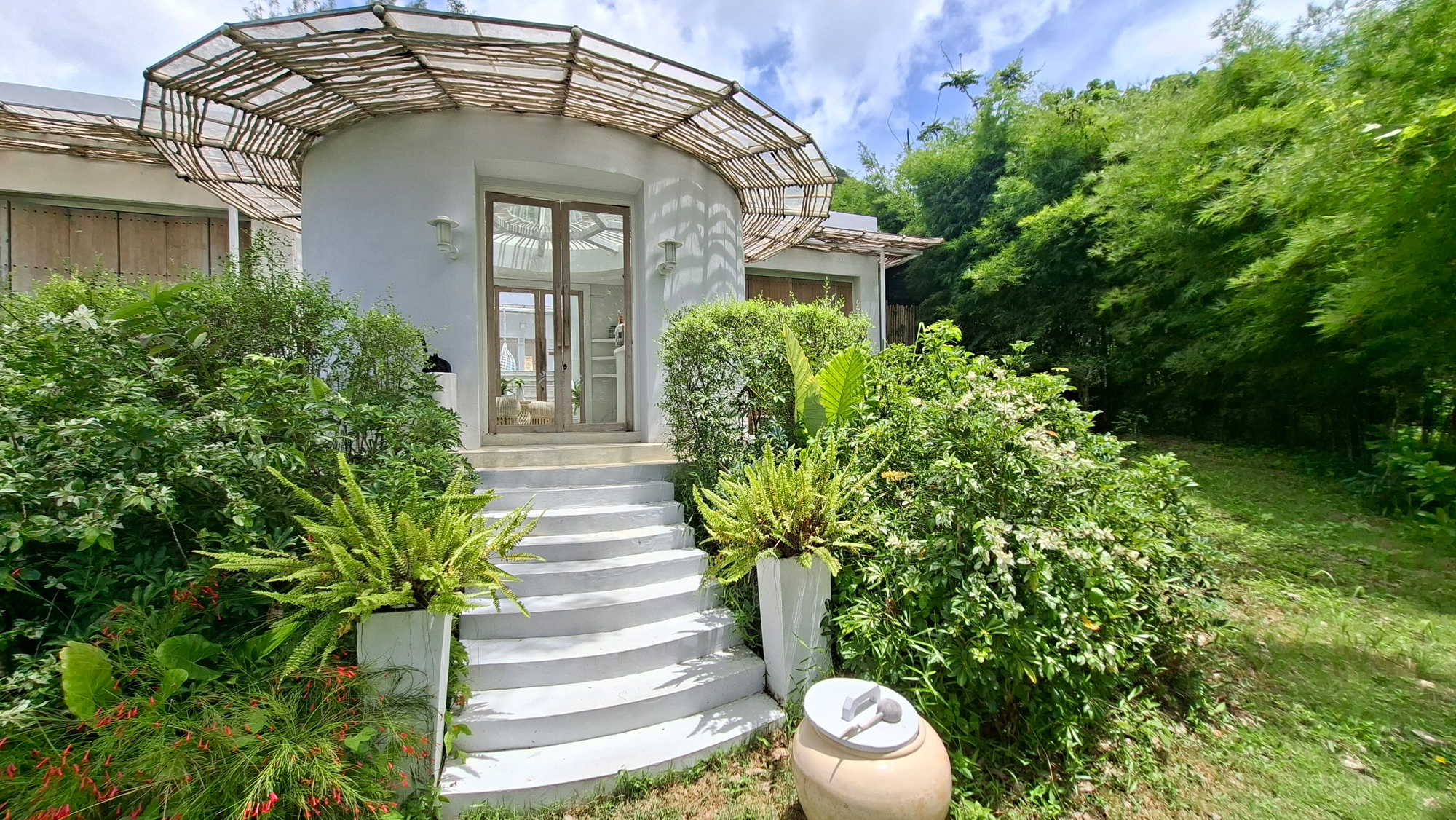
At the mid-afternoon lull, when the island heat had properly settled in, I retreated to Cape Spa. Small but visually striking, its curved, cocoon-style lounge is wrapped in chalky whites, whitewashed textures and soft detailing leading to swinging seats suspended above a shallow pool. As picturesque as the space was, the seats felt more designed to be looked at than for actual relaxation. I opted for the Siamese Touch, a traditional Thai stretching massage, where small details, including seashells pressed into the sand beneath the treatment bed, tied the experience back to the island.
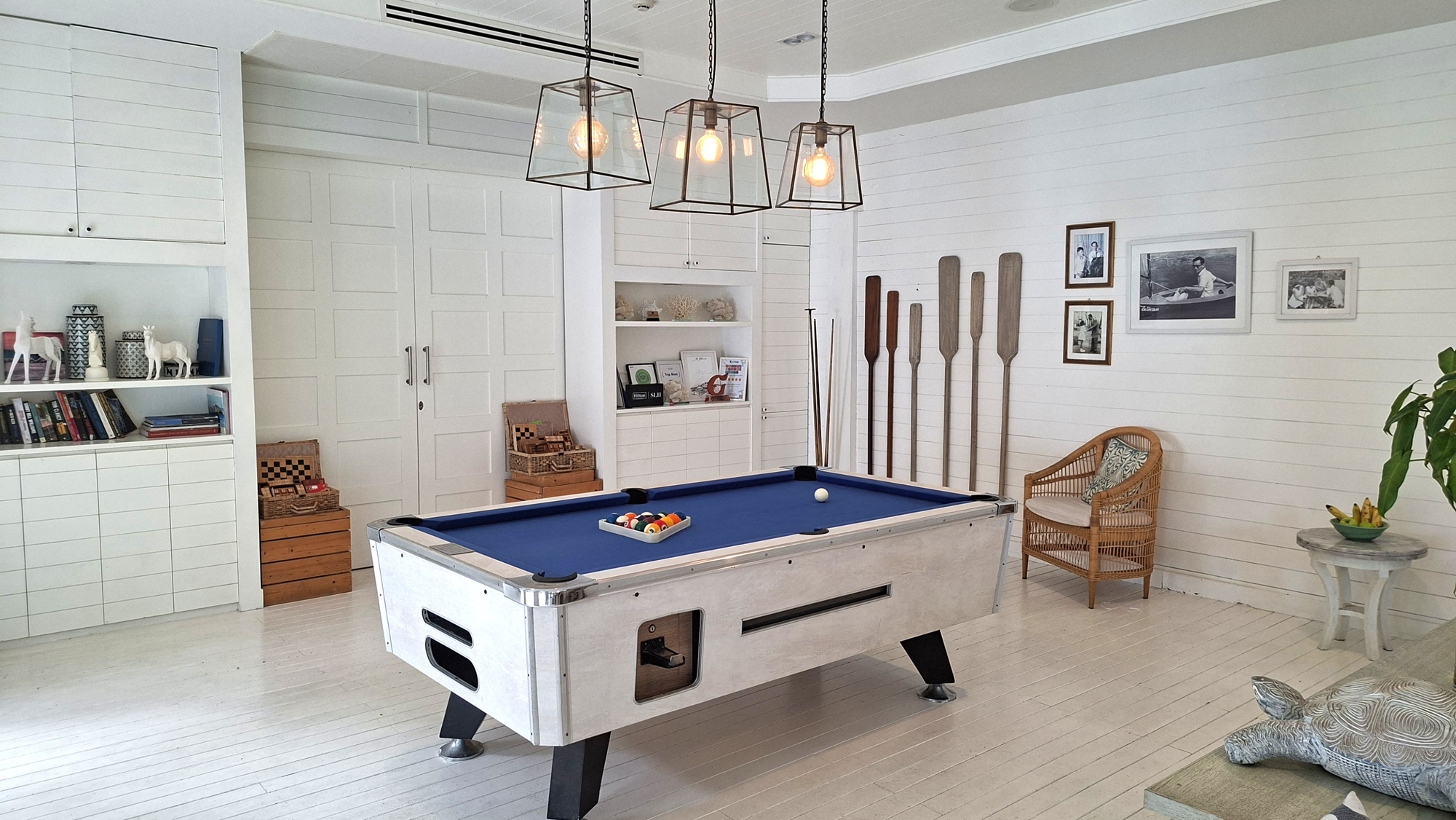
Before dinner, the Reading Room offered a cooler pause from the day. Air-conditioned and filled with books, wooden board games and a white and blue pool table, if all felt in keeping with the palette. Homemade cookies and water were left out for guests, a small detail that made the room feel more inviting.
By evening, the fishing boats and crab traps seen earlier in the day begin to find their way onto menus across the island. At Hornbill Restaurant, as in the small local restaurants nearby, dinner often follows what has come ashore that afternoon, from simply grilled fish to rich southern Thai crab curry, or ‘gaeng pu’ as it is locally known. On Koh Yao Noi, the catch of the day feels less like a menu phrase and more like the day’s work being served.
After dinner, the walk back to my villa was met with little more than the sound of cicadas and a few distant long-tail boats. It said more about Koh Yao Noi than any grand statement could. This is still island life, and a few details can feel more relaxed than at larger, more polished resorts. For me, that was part of the exchange for staying somewhere that still feels so connected to its surroundings.
I left Cape Kudu with the same feeling I had from the outset, one of quiet confidence. Considered rather than excessive, the hotel feels naturally aligned with Koh Yao Noi’s slower pace and authentic character. It also serves as a reminder that some of Thailand’s most rewarding stays are still found just beyond the obvious.
For bookings visit www.capekuduhotel.com