Redefining the Frame: Not ‘Completion,’ but the ‘Evolution’ of Buried Voices
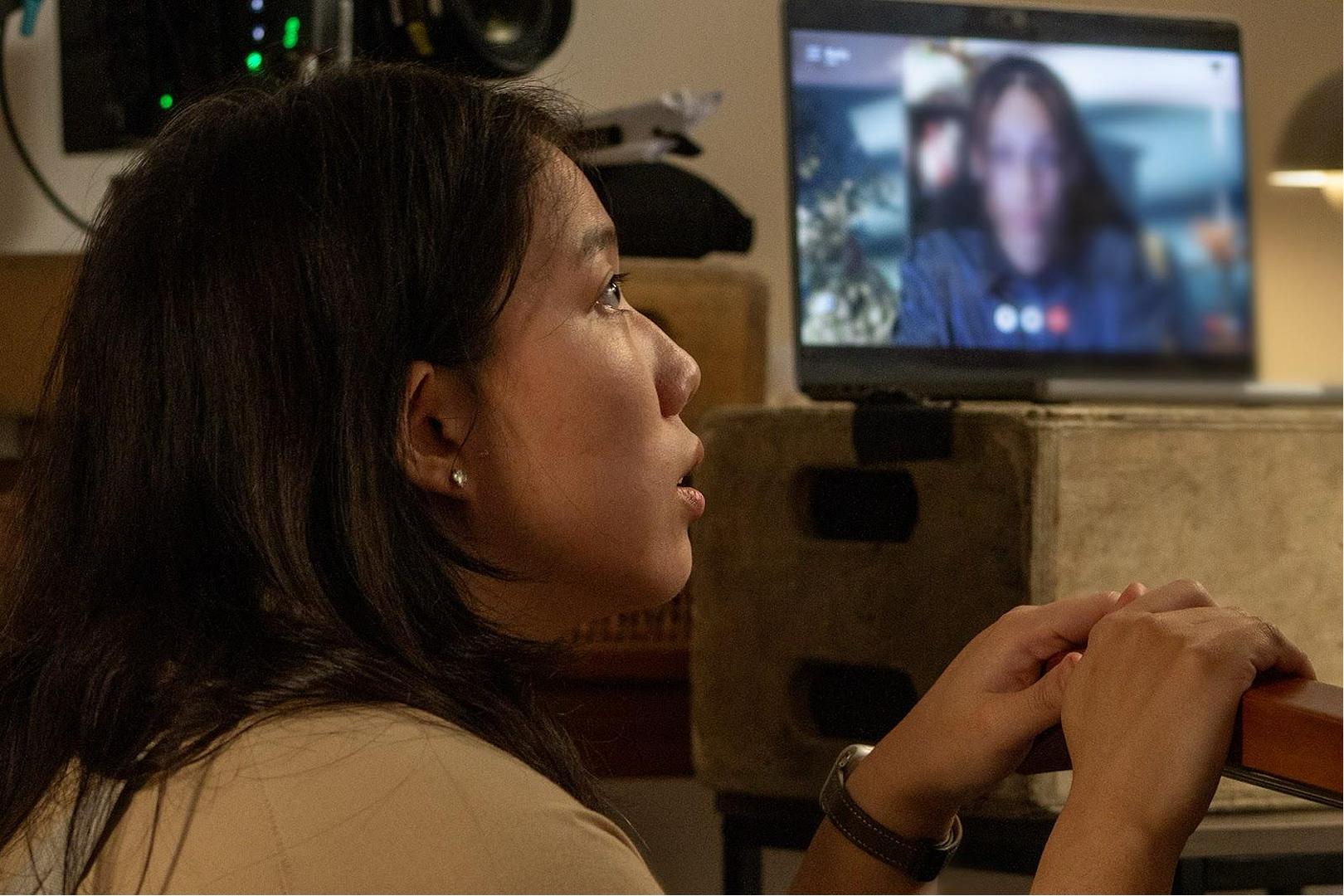
Jiyeon Kim’s project, “Me: JFK, You: ICN,” rejects conventional independent film production methods from the planning stage. For her, film is not simply about “shooting” images, but a process of “collecting and recording” voices that have not reached the world. “It wasn’t simply a project for a degree,” Jiyeon Kim says. “I pondered how to incorporate voices that had previously gone unheard into this narrative. Beyond visual perfection and a well-structured narrative, the point I wanted to reach was ‘powerful silence.'” Her film began not behind the camera, but in workshops and group therapy sessions with survivor groups. Jiyeon Kim collaborated with domestic violence survivor groups in Korea and the United States, conducting blind script reviews and screenings. Through this process, she incorporated the subtle nuances of pain that non-survivor audiences could never fully understand into the work.
Artistic Solidarity Written with Courage
The most crucial driving force behind this project stems from Jiyeon Kim’s own declaration of being a “survivor.” For a creator to reveal their own wounds to the public requires immense courage. However, by bringing personal suffering into society, she created a safe space where those struggling with similar issues could connect and stand in solidarity without hiding. For her, art is more than just a means of expression; it functions as “archival therapy” through the medium of individual experiences. The process of collecting fragmented memories of pain and preserving them in the form of a film becomes a journey of healing for both the creator and the participants.
Designed Silence: A Production Philosophy Built on Trust
“When I confirmed the survivors’ ‘deep appreciation’ for this film, the meaning of filmmaking was finally fulfilled.” Jiyeon Kim does not force a sensational narrative on the audience. Instead, she shows how the voices of those who were thoroughly isolated gain vitality through the medium of film. Transcending the geographical boundaries connecting Korea and Boston, she transformed those who were trapped in the word “victim” into “recorders of healing.”
Art, a Record of Society Beyond Individual Healing
Jiyeon Kim’s journey is an artistic triumph that elevates internal pain into an archived record in film format. Through “Me: JFK, You: ICN,” she draws attention to the silence that our society has missed, proving how art can transform individual suffering into community solidarity. This film doesn’t reproduce any unnecessary moments of life. Just as the most personal is the most creative, Jiyeon Kim’s courageous confession and record are now reaching the world, delivering a powerful message of comfort to other survivors: “You are not alone.”