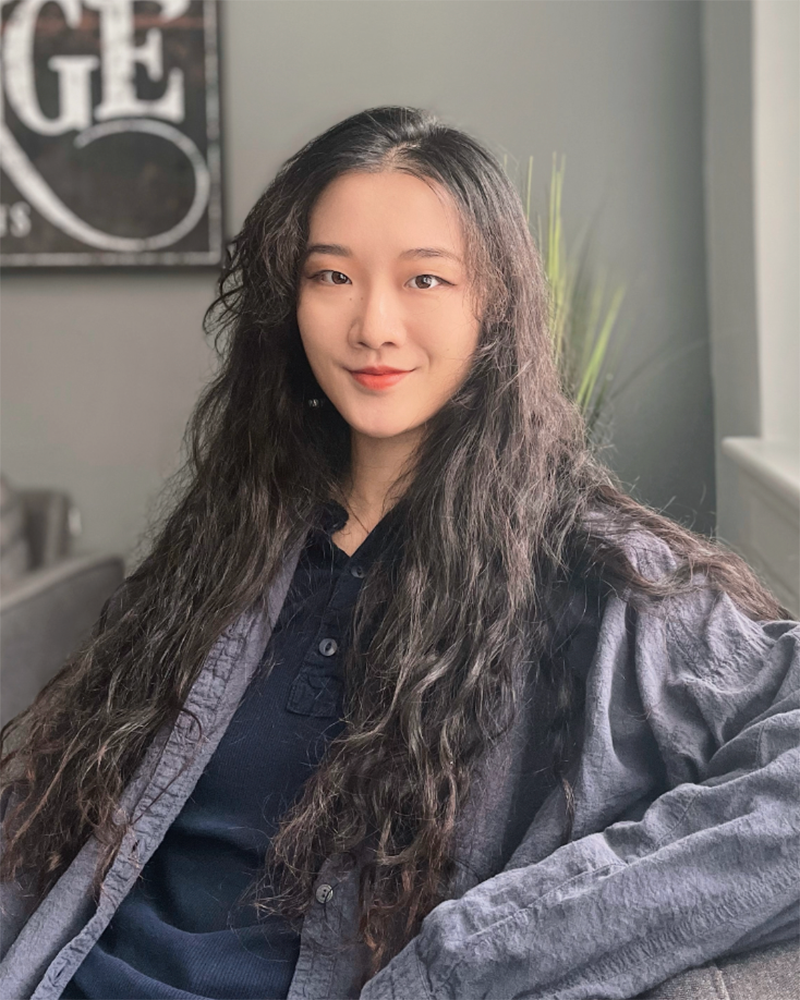
Shuhan Lei often reflects on how structure and feeling overlap, and what that means for the way people move through everyday experiences. She pays close attention to moments when people pause or hesitate, quietly trying to make sense of what’s in front of them, and to how design can help steady those moments without calling attention to itself.
Based in New York, Shuhan works in UX design across healthcare platforms, consumer-facing products, and creative tools used at scale. Her practice moves between commercial realities and human needs, shaped by close observation and an understanding that even small design decisions can influence how supported or overwhelmed someone feels.
We spoke with Shuhan about working across art and business, designing within complex systems, and why listening remains central to her approach.
Your background weaves together film, philosophy, and design. How do these perspectives influence the way you observe people and the small details that shape daily life?
Film trained me to notice what’s unsaid, while philosophy taught me to ask why it matters. These ways of seeing help me spot nuance—body language, rhythm, silence—and sense what a person might need before they articulate it. In design, those observations often become the blueprint for care.
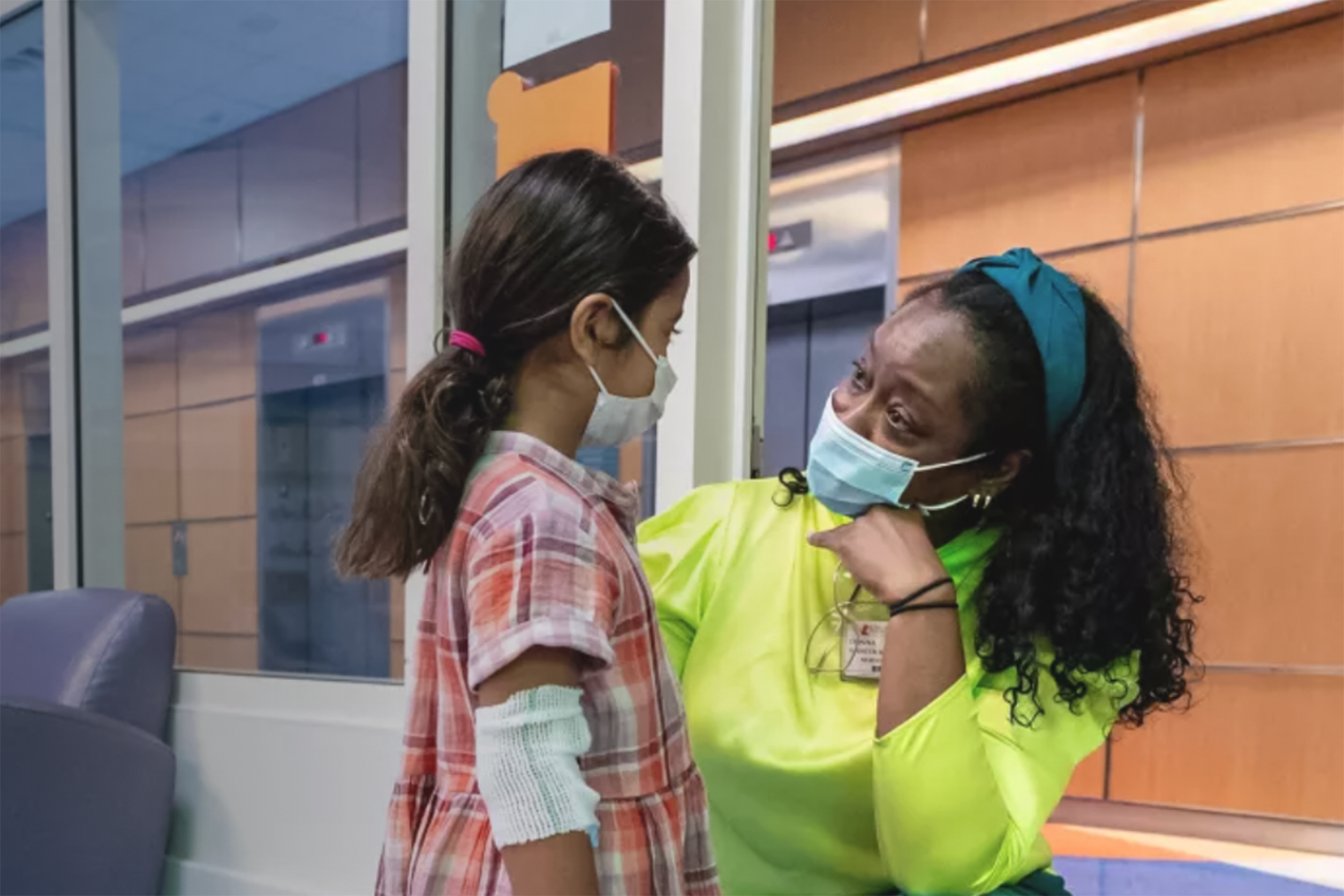
In your healthcare experience project with St. Jude, you were navigating emotional complexity as well as practical constraints. How did you approach framing a problem when so many needs and perspectives had to be held at once?
I started by listening, closely and without trying to simplify too soon. With so many layers—patients, families, researchers, healthcare providers—we mapped not just workflows, but emotional journeys. From there, we could reframe the problem in a way that honored both clarity and care.
Was there a moment during the St. Jude project that shifted how you think about the role of design in supporting people through difficult experiences?
Yes. When we were designing the “Care & Treatment” section, I realized users might arrive in a moment of deep fear or uncertainty. That shifted the goal from delivering information efficiently to holding space gently. It reminded me that good design doesn’t rush you. It steadies you.
You’ve worked on experience design for Walgreens, one of the largest pharmacy and retail chains in the United States, reaching millions of people. What details do you find yourself paying the most attention to when designing for such broad audiences?
I pay attention to tone, clarity, and emotional pacing. Even with broad audiences, people arrive with very specific needs. A button’s label, an error state, or the order of content shape how confident or overwhelmed someone might feel.
What have these collaborations revealed to you about people’s everyday needs and behaviors?
That people want to feel capable. They don’t expect magic. They want clarity, reassurance, and just enough guidance to keep moving forward. So often, it’s not about adding features. It’s about removing friction and helping people feel seen.
When working with brands that have long histories and established identities, how do you introduce innovation without losing what makes the experience familiar to users?
I think of it as restoring, not reinventing. The brand’s voice already exists. I try to uncover it in new ways. Innovation doesn’t have to be loud. It can be subtle, respectful, and rooted in the same values that made people trust the brand in the first place.
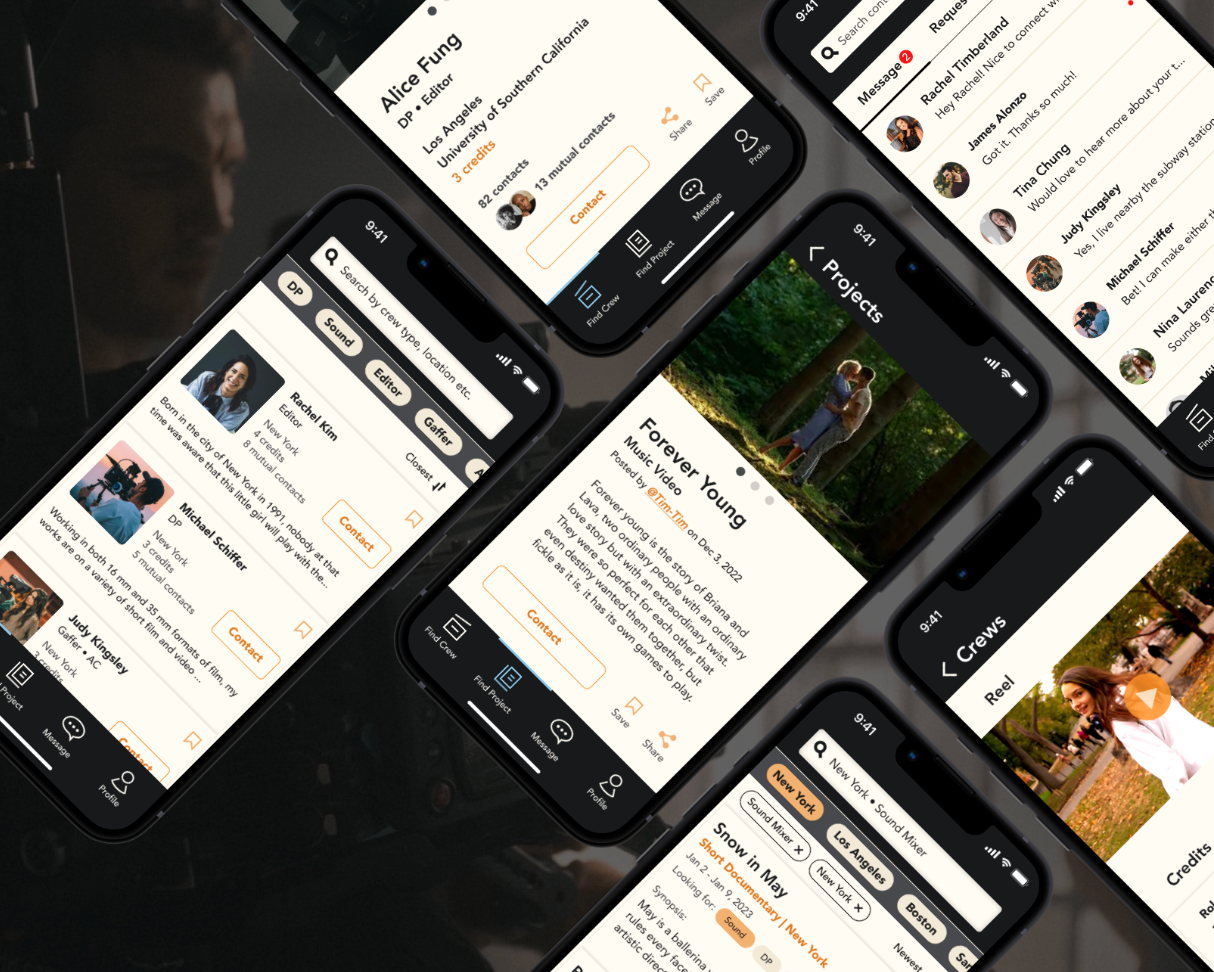
Crewmate, your crewing app designed for young filmmakers, grew out of understanding the struggles they face when building their teams. What did you learn from listening to their experiences?
I learned that behind every “skill gap” was a trust gap. Young filmmakers were looking for more than just crew. They were looking for collaborators who shared their energy and values. That insight shifted Crewmate from a directory model to a relational one, where portfolios meet personalities.
Outside of work, what kinds of environments or cultural experiences shape the way you think about design?
Spaces where people can be soft. A tea shop with handwritten notes, a museum that lets you pause, a subway dancer making strangers smile. I’m drawn to environments that invite presence, and I try to design with that same warmth and intentionality.
Working across different cultures, how has your experience as a female designer shaped the way you see creative industries evolving?
It’s made me more attuned to power dynamics—who speaks, who’s interrupted, who’s missing. I’ve learned to advocate more actively, not just for myself but for others. I see a growing shift toward collaboration over ego, care over spectacle. That gives me hope.
As AI becomes part of everyday creative work, what do you feel its place should be in UX design, and where do you think designers still need to draw the line?
I see AI as a partner in exploration, not a replacement for judgment. It can surface patterns and speed up ideation, but it can’t feel. Designers need to draw the line where nuance, ethics, and human intuition come in. That’s not just where we’re needed. It’s where we’re irreplaceable.
Interviewed by Mae Yu