Last Friday I plated lemon bucatini in shallow coupe bowls, lit two taper candles, and set a swooped buttercream sheet cake on a marble board at the end of the table. The whole dinner took forty minutes, yet the room felt composed, almost cinematic.
That overlap is where comfort food culture lives now. Familiar textures carry memory, while the table borrows its cues from fashion editorials, gallery openings, and the kind of quiet confidence that never looks overworked.
Research published in Psychological Science found that comfort foods can act as social surrogates, easing loneliness when they are tied to positive memories. The feeling comes first. The styling simply gives it a frame.
Pasta and cake remain the cleanest high-low pairing for a chic night in. One pot, one pan, one platter, and enough softness, gloss, and sweetness to make an ordinary evening feel considered.
Suggested placement: after the opening paragraphs. Visual: a candlelit dining table with lemon bucatini in shallow bowls, a buttercream sheet cake on marble, and low taper candles. Credit: use a royalty-free image from Unsplash or Pexels and credit the selected photographer on publication.
Key Takeaways
A few smart ratios and styling choices make this menu look polished without asking much of the cook.
- Pasta and cake give you the most visual return for the least effort, especially when the table stays simple and the finishes stay sharp.
- Salt pasta water to about 1 percent by weight, then reserve the starchy water to build a glossy sauce that clings.
- Sheet cakes hold their shape, travel well, and freeze ahead, which makes them reliable centerpieces for a relaxed night in.
- Warm light, varied table height, and crisp finishes like zest, crumbs, and flake salt make the meal feel brighter on the plate.
- Use 2 ounces of dry pasta per guest and a 48-hour prep window to keep the night calm from start to finish.
What Comfort Food Culture Means When You Host
Comfort food culture turns memory into atmosphere.
When you serve pasta and cake, you are not chasing novelty. You are working with dishes that already live in people’s bodies, their weeknight habits, their family photos, and their sense of home.
Now the setting has changed. Dinner parties answer crowded calendars, and the table has taken cues from set design, with flowers, low light, and a careful soundtrack shaping the room before the first forkful.
Global pasta production reached nearly 17 million tons in 2023, and Italy still leads per-capita consumption at about 23 kilograms a year. Pasta is not just dinner. It is ritual, shorthand, and shared taste made visible.
Why Pasta And Cake Work
This pairing earns its place because it gives you polish, flexibility, and a generous sense of ease.
High Impact, Low Lift
One pot and one cake pan create real presence without technical strain. Butter, citrus, herbs, and crumbs can move across the whole menu, so the shopping list stays lean.
Flexible And Inclusive
A sauce-led pasta can shift toward vegetarian, halal, or lighter dairy needs with small changes. Sheet cakes scale cleanly, and a good garnish does not care whether the base came from scratch or the bakery.
Budget-Savvy, Still Luxe
Semolina, pantry tomatoes, and butter stay affordable. Finish them with lemon oil, toasted crumbs, or a precise Parmesan swirl, and the table reads expensive in the best way.
What To Cook For An Editorial Table
Keep the cooking simple and let the finishing details carry the style, but keep one reliable resource nearby when you need a quick weeknight shape or sauce idea that still lands with polish at home once it hits the bowl and guests are already on the way to dinner. Browse Cooper for six weeknight-friendly ideas you can style up with toasted crumbs, citrus zest, and a gloss of starchy water.
The Pasta Capsule
- Lemon-Butter Bucatini: Ready in about 12 minutes. Start with butter and reserved pasta water, then finish with micro-zest and chives in a shallow bowl that holds the sheen.
- Spicy Vodka Rigatoni: About 18 minutes. Rigatoni’s ridges hold sauce well, and a last splash of pasta water keeps the surface glossy rather than heavy.
- Brown-Butter Sage Ravioli: About 10 minutes with good store-bought ravioli. A squeeze of lemon cuts the nuttiness, and crisp prosciutto adds height if you want it.
- Aglio E Olio With Chili Crunch: About 15 minutes. Bloom the garlic slowly, then toss off the heat so the oil and water bind into one silky coating.
A workable salinity range for pasta water is 0.5 to 2 percent by weight, with 1 percent a reliable target. That is 10 grams of fine salt per liter, enough to season the noodle itself without pushing the sauce too far.
Finish pasta in the pan, not the bowl. The starch in the water helps fat and water bind into an emulsion, which means a glossy sauce that clings instead of slipping away.
The Cake Capsule
- The Swoop-Top Sheet: Bake a 9-by-13 chocolate or citrus sheet, chill it for 30 minutes, then sweep the buttercream into loose waves. Add thin citrus rounds or a pinch of flake salt, not both.
- The Store-Bought Glow-Up: Trim the dome from a market cake, cover it with a thin veil of frosting, and finish with one sculptural garnish. Candied citrus or a few edible petals are enough.
- The Icebox Stack: Layer wafer cookies with lightly sweetened cream and let the fridge do the work. The sliced cross-section gives you drama with very little labor.
Unfrosted cake layers can be baked ahead, cooled fully, wrapped tight, and frozen for up to three months. Thaw them while still wrapped, which keeps condensation off the crumb and makes frosting easier.
Suggested placement: after the menu section. Visual: a close-up of glossy rigatoni with Pecorino beside a citrus sheet cake with soft buttercream swoops. Credit: use a royalty-free image from Unsplash or Pexels and credit the selected photographer on publication.
Keep the sourcing just as restrained.
Where To Source The Details
A short shopping list and a disciplined table kit create consistency.
Keep good dried pasta, unsalted butter, olive oil, garlic, lemons, chili, crushed tomatoes, and Parmesan or Pecorino on hand. For the table, use one neutral linen, warm bulbs at 2700 to 3000K, and three heights at each setting, plate, glass, and candle, so the eye keeps moving.
If baking is not the point of the evening, outsource dessert without apology. A clean-lined cake from a local patisserie can still look intimate once it sits on your own board, under your own light, and Australian hosts who want a sculptural centerpiece without baking, one that travels well and arrives photo-ready for the table, can pre-order from Zest Patisserie via Sydney cake shop.
How To Run The Night
A 48-hour window keeps the room calm and the food sharp.
- 48 Hours Out: Shop, bake cake layers if you are making them, and wrap them once fully cool.
- 24 Hours Out: Mix frosting, toast crumbs, set glassware and linen, and build a playlist around 60 to 68 BPM for an unhurried mood.
- 90 Minutes Out: Pull frozen cake layers to thaw, set out serving pieces, and get the pasta pot ready.
- 20 Minutes Out: Boil the pasta, finish it in the sauce with reserved water, and toss until it turns glossy.
- Dessert: Frost the cake, add one garnish, and slice with a hot knife, wiping the blade between cuts.
Match wine to the sauce, not the pasta shape. Italian wine pairings follow the same logic: high-acid reds suit tomato sauces, while butter or cream pair neatly with Chardonnay or Soave.
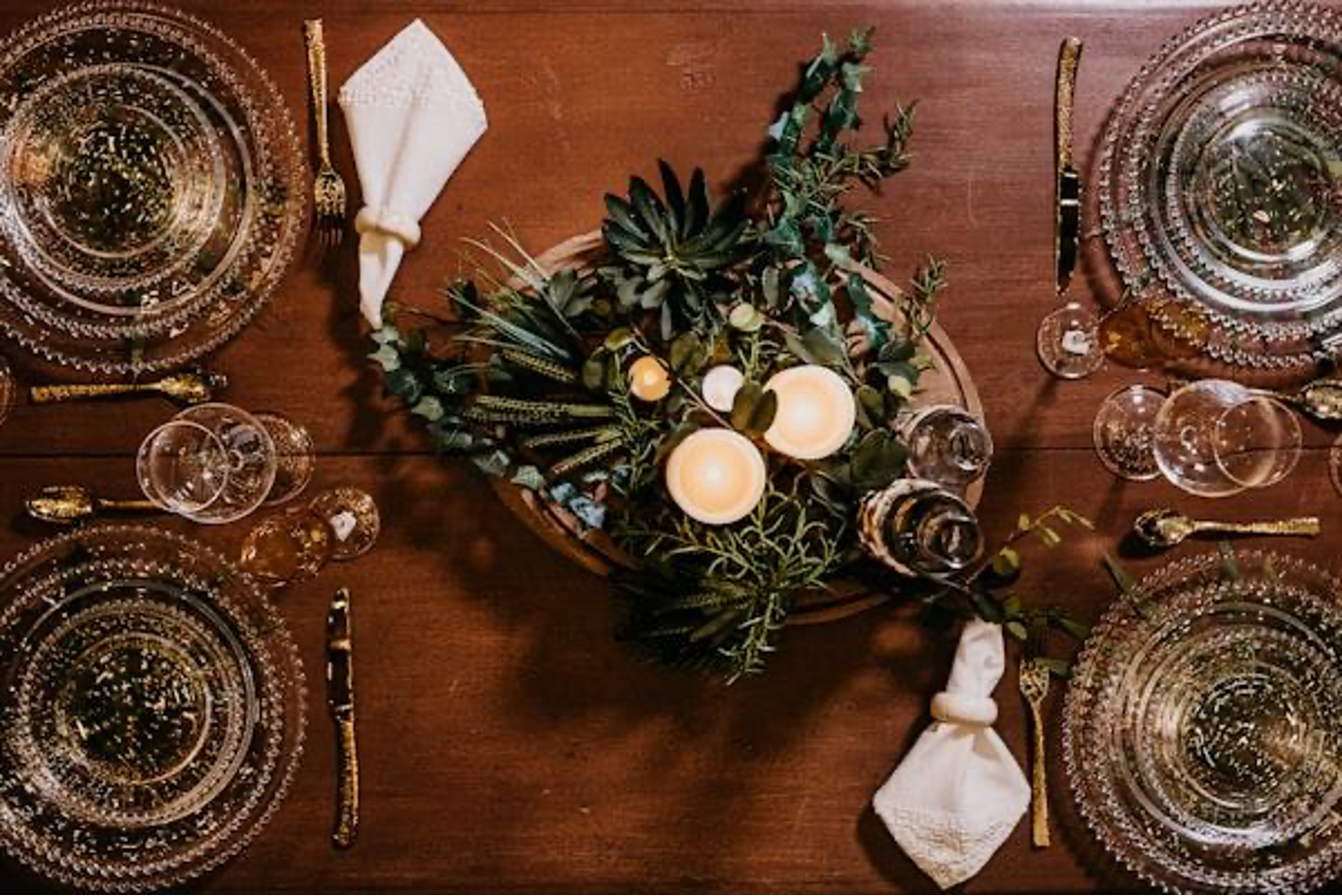
Suggested placement: before the closing section. Visual: a set table at dusk with linen, candles, a plated pasta course, and dessert waiting at the far end. Credit: use a royalty-free image from Unsplash or Pexels and credit the selected photographer on publication.
Make The Mood Your Signature
The easiest hosts repeat a few choices until they become a house style.
The menu itself stays humble. What changes is the frame, the coupe bowls that catch the light, the crumb scattered at the last minute, the cake that looks almost too pretty to cut until someone does.
Choose one pasta, one dessert shape, and one palette of linen and glass that you can reach for half-asleep. That is when entertainment stops feeling like an event and starts feeling like identity.
FAQ
The practical details are simple once the ratios are set.
How Much Pasta Per Person?
Use 2 ounces, or 56 grams, of dry pasta per guest for a main course. That yields roughly 1 cup cooked, which is a reliable visual guide.
How Salty Should Pasta Water Be?
Aim for about 1 percent by weight, or 10 grams per liter. It should taste like seasoned broth, not seawater.
How Do I Keep Pasta Glossy Instead Of Gummy?
Finish it in the pan with reserved pasta water and toss until the sauce emulsifies. Keep a small ladle of hot pasta water nearby if you need to loosen it at the last minute.
Can I Freeze Cake Layers?
Yes. Wrap them tightly and freeze for up to three months, then thaw while still wrapped before frosting.
What Wine Pairs Best With Pasta?
Match the sauce, not the shape. Tomato-based sauces favor high-acid reds like Chianti or Barbera, while rich butter or cream sauces lean well into Chardonnay or Soave.