
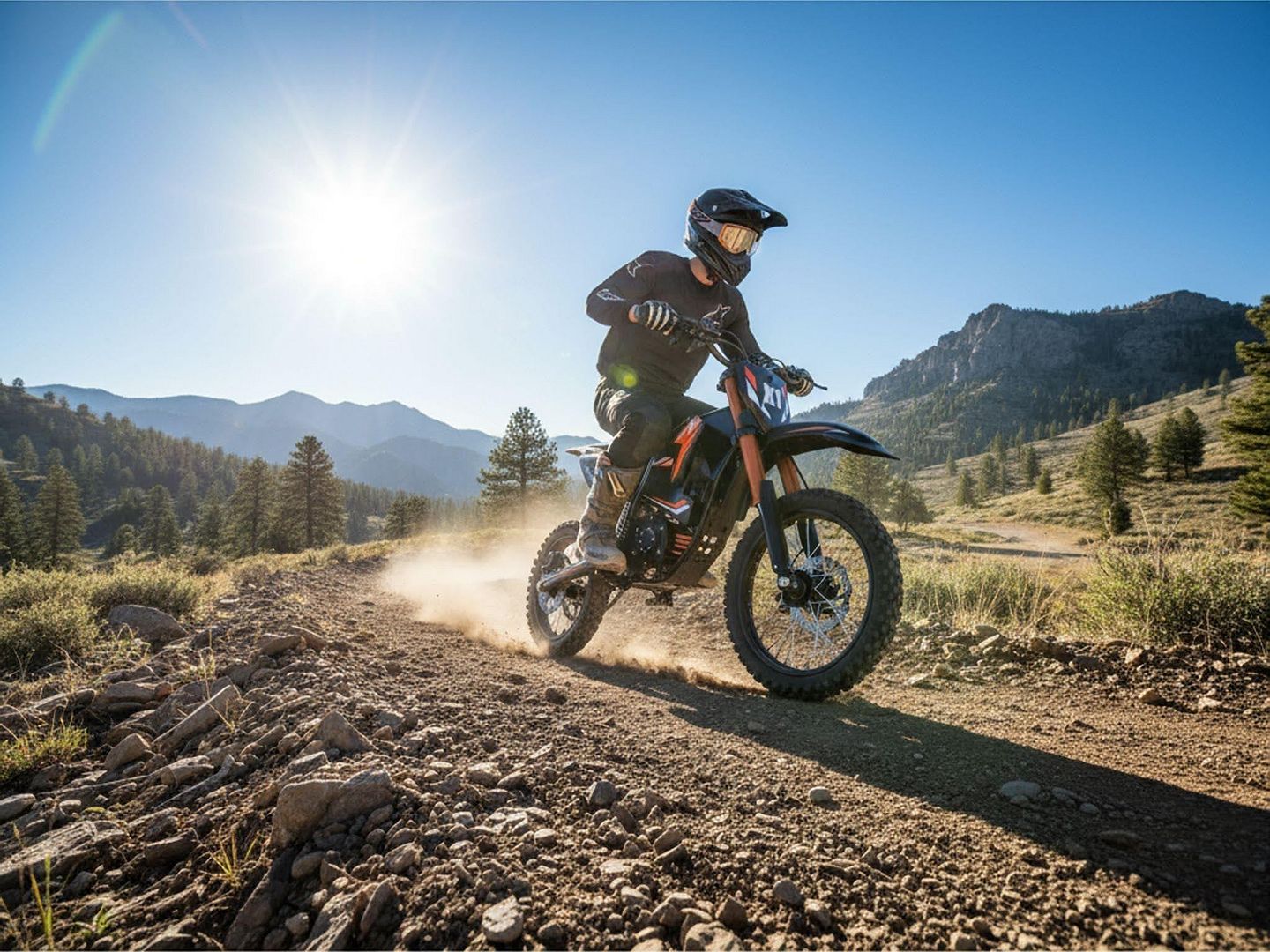
A relaxing weekend does not always need a packed itinerary.
Sometimes, it simply means putting the phone away, gearing up, and setting out from a designated off-road riding area. Within minutes, pavement gives way to dirt, gravel, and winding sections through the trees. Attention shifts away from messages, emails, and short-form content and back to the ground ahead. That change alone can become part of the outdoor experience.
This is also why an electric dirt bike is worth considering beyond power, speed, and performance figures. For riders who are not chasing competition or extreme speed, it can offer another way to spend time outdoors on the weekend. The route does not have to be long, but the rider still needs to read the terrain, make decisions, and stay actively engaged.
Off-Road Riding Changes Where Your Attention Goes
Once you move onto unpaved terrain, small changes that are easy to ignore in daily life start to matter again.
Hard-packed dirt turns into loose sand. Water appears ahead. A bend opens onto a gradual climb, or fallen leaves hide changes in the surface. Riders need to look farther ahead while also paying attention to feedback from the tyres, chassis, and throttle.
That is very different from sitting in front of a screen and receiving information.
Riding keeps attention connected to both the body and the environment. Riders still need to read the route ahead, but every moment does not have to become a challenge to go faster. Slowing the pace and choosing a smoother line can often make an ordinary weekend ride feel more complete.
A Good Route Does Not Have to Be a Difficult One
Off-road culture can bring to mind jumps, steep climbs, and deep mud, but recreational riding does not have to begin there.
For a casual weekend rider, the right route should first match the experience level. In areas where motorised vehicles are clearly permitted, open dirt roads, gentler unpaved sections, and recreational off-road areas make it easier to focus on steering, braking, and reading the terrain rather than dealing with obstacles beyond the rider’s ability.
Route planning also includes a question that is easy to overlook: is motorised riding actually allowed there?
Being outdoors does not automatically mean every route is open to vehicles. Parks, forests, private land, and OHV areas can all follow different rules, while some trails may be reserved for hikers, bicycles, or specific vehicle types. Checking local regulations, open routes, and vehicle requirements before setting out is part of the plan, not something to decide at the trailhead.
That preparation does not make the ride feel less adventurous. Knowing where riding is allowed makes it easier to focus on the route itself.
Vehicle Size Changes How You Interact With the Terrain
Power is often the first figure people look at when choosing an off-road bike, but recreational riding raises another practical question: does the bike fit the rider and the routes they actually use?
Larger platforms create a different riding position and overall physical feel, while compact bikes keep the proportions tighter around the rider. Through consecutive turns, narrow sections, or terrain that requires frequent shifts in body position, those differences are often easier to feel than they are to understand from a specification sheet.
The Qronge X1 Spark M, for example, is a mini electric dirt bike with a 14-inch front wheel and a 12-inch rear wheel, giving it more compact overall proportions. In this context, “mini” describes the bike’s dimensions, not its power level. What matters more is whether those proportions suit the rider’s height, riding position, and the kinds of off-road routes they regularly visit.
Riding Modes Can Help Shape the Pace of the Day
If the purpose of a ride is not competition, there is little reason to keep the bike in its highest-performance setting all day.
Open dirt roads, easier off-road sections, and longer climbs do not place the same demands on the bike. Different riding modes can help riders manage power delivery and energy use according to the terrain they expect to encounter and the kind of ride they have planned, rather than treating maximum output as the default.
For recreational riding, that approach often fits the rhythm of the day better. Gentler sections do not always call for stronger output, while more demanding terrain requires riders to make decisions based on their experience, the route, and the condition of the bike.
Range is part of the same planning process.
Real riding distance can change with terrain, riding mode, rider weight, and riding style. It makes sense to leave enough range for the return journey rather than treating the maximum range figure as a target that needs to be reached.
The Weekend Ritual Starts Before the Ride
An outdoor activity is more likely to become a lasting habit when the preparation is clear and easy to repeat.
Is the protective gear ready? Does the battery have enough charge? Are the tyres and brakes in good condition? How will the bike get to a designated riding area? These details often determine whether a relaxed weekend ride is easy to repeat.
Beyond the bike itself, protective gear, transport, maintenance, and riding areas all add to the long-term commitment. Electric dirt bike financing may spread the upfront cost over time, but it does not change the longer-term demands of storage, transport, maintenance, and regular use.
Once checking the bike, preparing the gear, and confirming the route become part of a familiar sequence, the weekend ritual has already started before the tyres ever touch dirt.
Not Every Outdoor Ride Needs to Become an Adventure
Some weekends leave room for a longer route. Others may offer only an afternoon.
The appeal of electric off-road riding does not have to come from how far you travel. It can come from noticing familiar outdoor surroundings differently: changes in the dirt, the angle of a slope, or the feedback through the tyres as they move across gravel.
With experience, riders develop a better sense of when to keep going, when to ease the pace, and when it makes more sense to turn back.
Find the right route and give your attention back to the terrain in front of you. Sometimes, that is enough.



