Seoul has a rhythm that’s hard to resist – one moment you’re walking through the quiet courtyards of Gyeongbokgung Palace, and the next you’re surrounded by neon signs, music, and late-night cafés in Gangnam. But while South Korea is packed with energy and style, it’s also a place where your spending can climb faster than you expect.
The key to enjoying it all comfortably is simple: understand the Korean Won, plan ahead, and make a few smart choices along the way. Whether you decide to buy South Korean Won before your trip or wait to exchange once you arrive, a bit of preparation helps your budget go further – without cutting into the fun.
Meet the Won
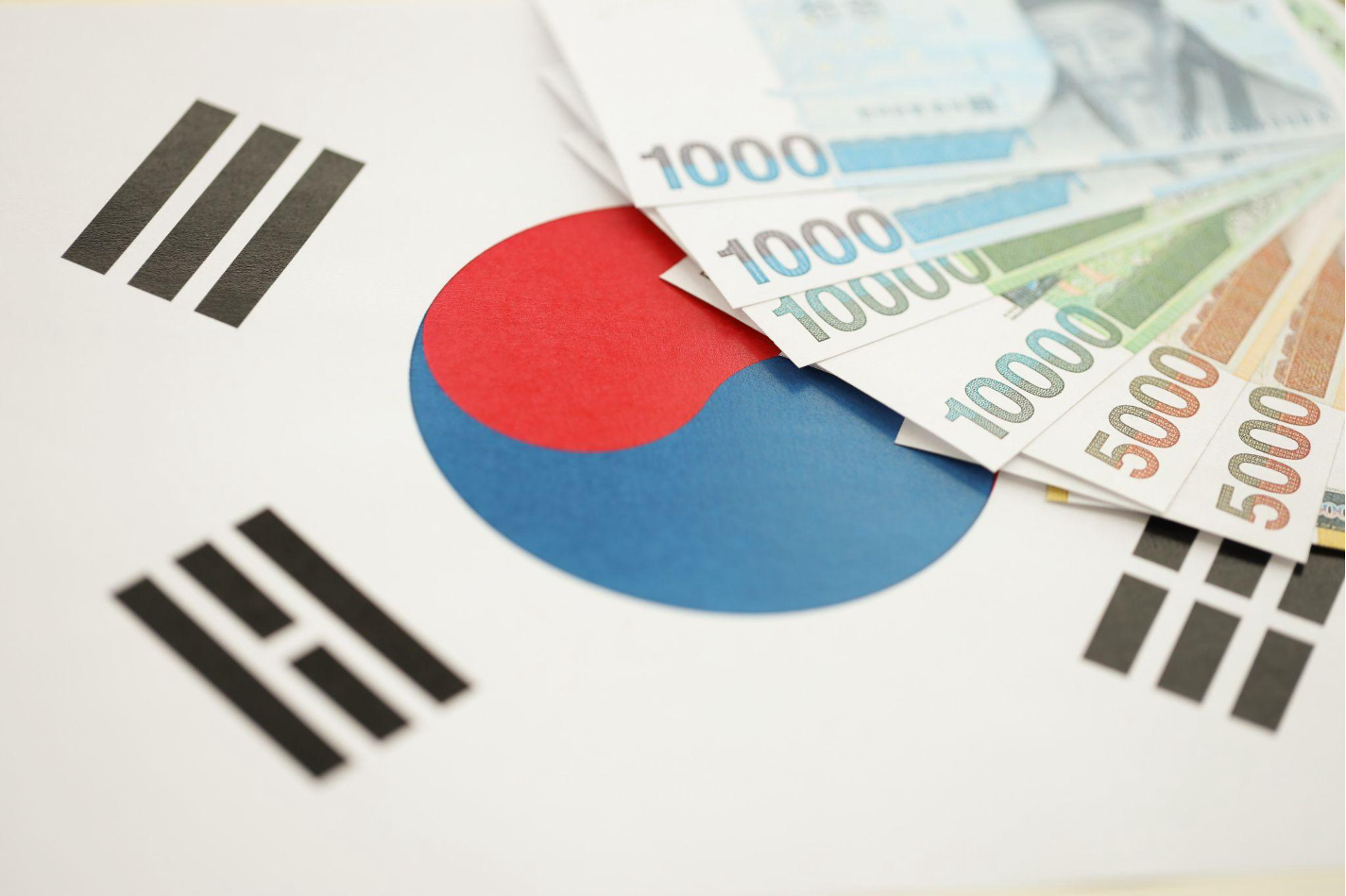
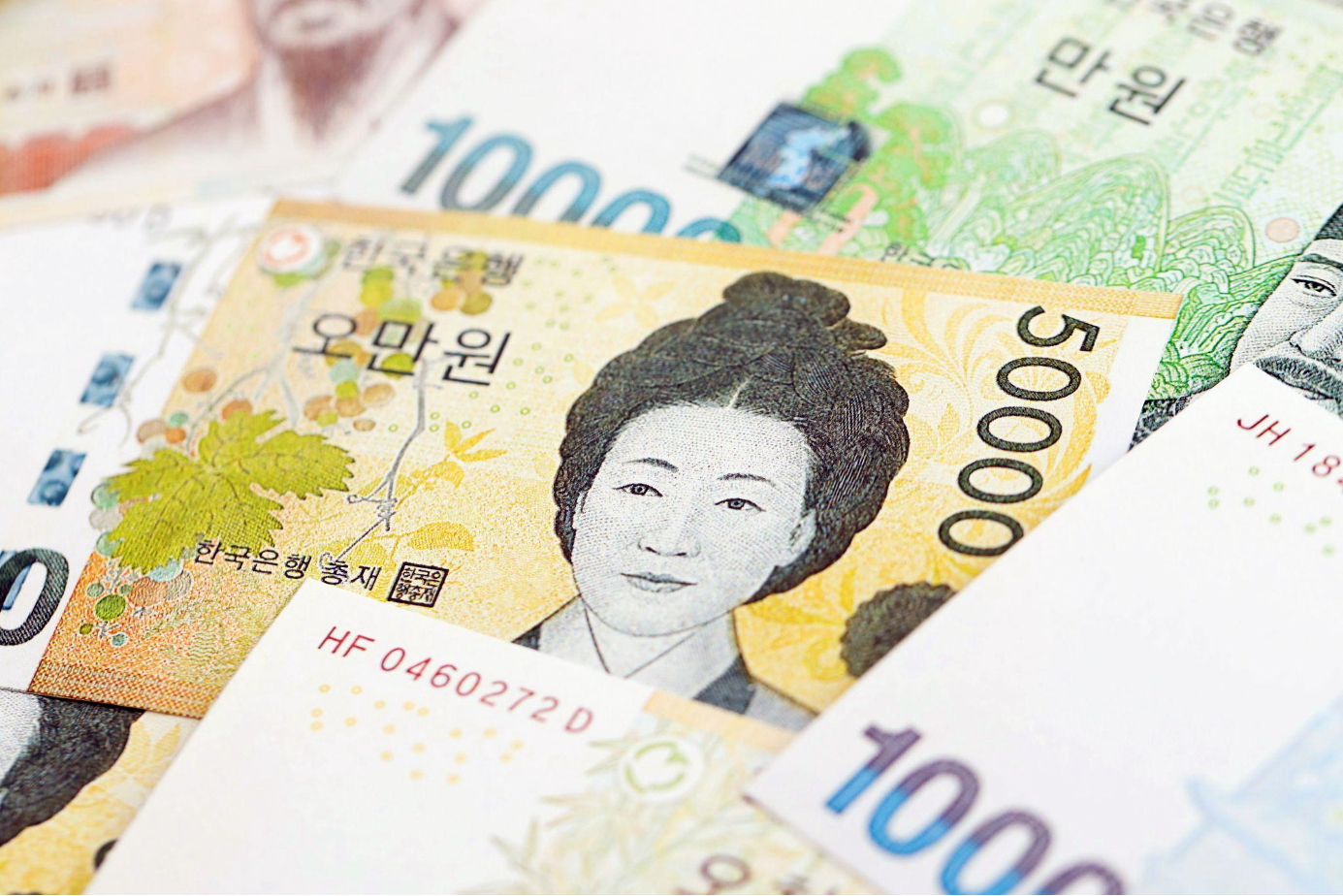
The South Korean Won (KRW) is straightforward once you get used to the zeros. The notes range from 1,000 to 50,000 Won, and the conversion is easy to remember – 1,000 Won equals just under one U.S. dollar.
South Korea is a highly digital society, so you’ll use cards or mobile payments most of the time. Still, cash is useful in traditional markets, small cafés, and for local transportation like buses and taxis. Having a small mix of both is the best balance.
What a Day’s Budget Looks Like
A comfortable daily budget in Seoul or Busan usually ranges from 70,000 to 120,000 KRW (about $50-$90 USD), depending on your travel style. Street food lovers can easily eat for under 30,000 Won a day, while those drawn to trendy cafés and sit-down restaurants should plan closer to 60,000-80,000.
Transportation is surprisingly affordable. A subway ride costs around 1,400 Won, and a full day of rides rarely goes beyond 5,000. If you’re moving between cities, expect intercity buses and trains to add a bit more – but still less than in Japan or Europe.
Accommodation ranges widely: budget hostels around 30,000-50,000 Won per night, and decent mid-range hotels between 80,000 and 150,000 Won. If you’re sharing rooms or booking early, it’s easy to keep costs under control.
Paying in a Card-First Country
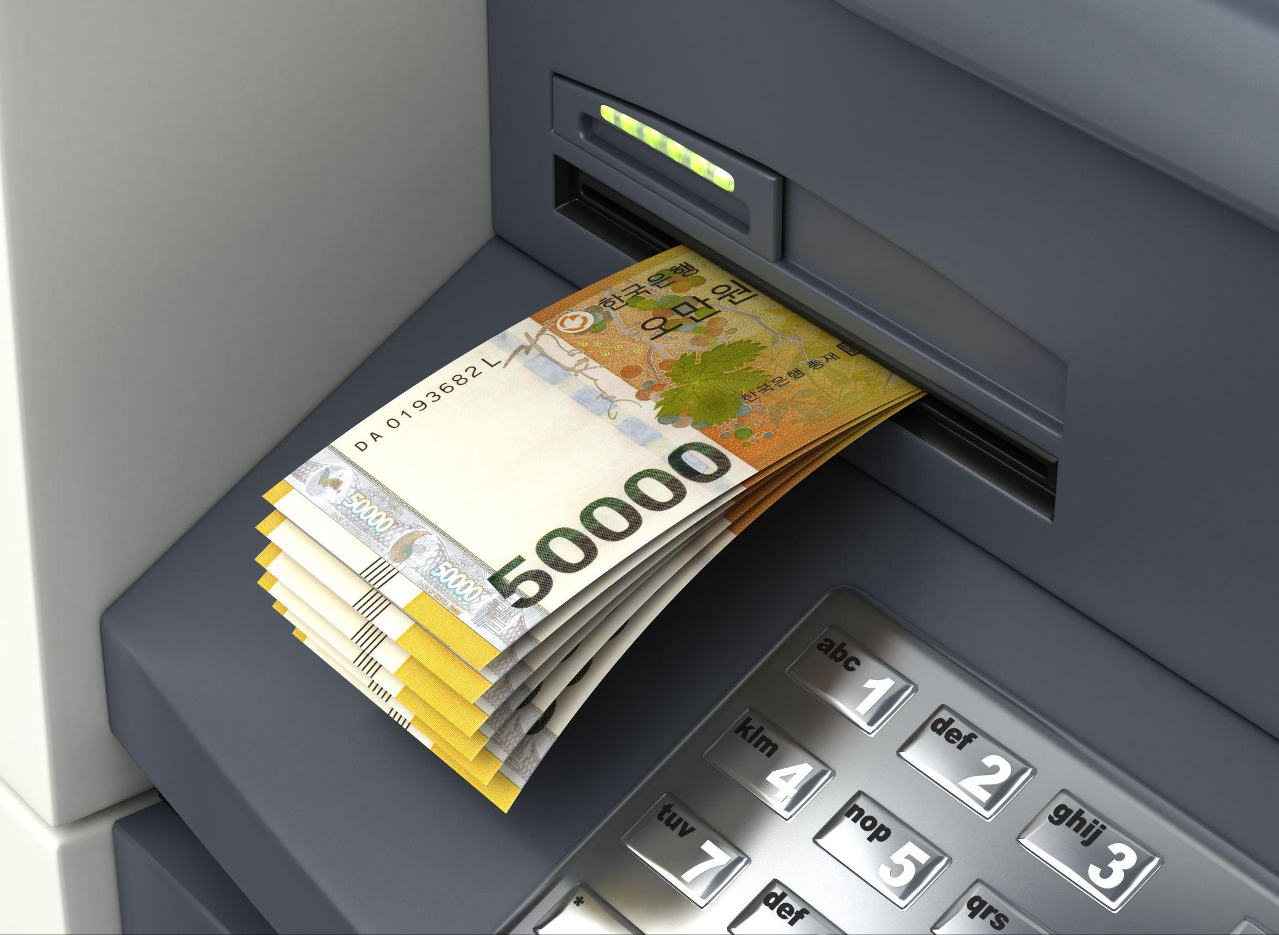
South Korea leads Asia in cashless payments. Almost everywhere accepts cards – even vending machines and taxis. Major cards like Visa, Mastercard, and local payment systems like T-money work seamlessly.
That said, keep some cash for traditional markets, smaller eateries, and countryside areas where cards might not be accepted. ATMs are reliable and available in most convenience stores, but remember to select “local currency” when withdrawing to avoid hidden conversion fees.
Contactless cards and digital wallets like Apple Pay, Samsung Pay, and Google Pay are increasingly accepted, especially in cities. They’re quick, secure, and often save you from carrying large bills.
Where to Exchange and How to Get the Best Rate
You’ll find exchange counters in airports, shopping areas, and near major subway stations, but rates vary. The best deals are usually in Seoul’s Myeongdong district, where competition keeps spreads low. Banks are reliable, though slightly slower.
Airport kiosks charge higher margins, so it’s smart to exchange only what you need for transport, then find a better rate in the city. Some travelers prefer to buy South Korean Won at home before flying – it guarantees a fair rate and saves time on arrival.
For convenience, multi-currency travel cards like Wise or Revolut can hold Won directly, letting you pay like a local and skip ATM fees altogether.
Cost Highlights for 2025
Here’s what you can expect to spend in South Korea this year:
- Street food meal (tteokbokki, kimbap): 5,000-8,000 KRW
- Café drink: 4,000-7,000 KRW
- Restaurant dinner: 15,000-30,000 KRW
- Subway ride: 1,400 KRW
- Taxi across town: 10,000-20,000 KRW
- Museum entry or palace ticket: 3,000-5,000 KRW
Keep in mind, these are general estimates, and real prices may vary.
Seoul’s cafés and nightlife can add up, but daily essentials remain reasonable. With smart planning, you can eat well, travel comfortably, and still have enough left for a round of soju with friends.
Staying Smart About Money
You don’t need to overthink your spending – just use a few small tricks:
- Use T-money cards. They work for buses, subways, and even convenience stores.
- Avoid dynamic currency conversion. Always pay in Won to skip extra fees.
- Break big bills. Many small shops prefer smaller denominations.
- Check receipts. Service charges are already included, so no need to tip heavily.
- Exchange leftovers. Keep your receipt – some counters buy back unused Won at better rates.
These little habits keep your trip smooth and help your money go where it should: experiences, not fees.
Beyond Seoul: Budgeting by Region
Outside the capital, your money stretches even further. In cities like Daegu, Gwangju, or Jeonju, food and transport can be 20-30% cheaper. A full restaurant meal might cost under 10,000 Won, and accommodation options multiply fast.
Even the southern coastal towns and island getaways like Jeju offer a range of prices, from guesthouses for backpackers to sleek resorts. If you mix a few destinations, you’ll find that what you save in one place easily covers splurges in another.
Final Thoughts
Traveling in South Korea doesn’t have to break the bank – it’s all about balance. Plan ahead, mix cash and cards, and make sure you’re spending on the things that actually matter to you.
It doesn’t matter if you buy South Korean Won before you go or handle it once you land, keeping your budget steady means you can focus on what’s around you – from the quiet halls of Gyeongbokgung to the bright chaos of Gangnam at night.
After all, the best part of traveling here isn’t counting what you spend – it’s realizing how much you get in return.