For years, I thought Botox was fairly straightforward. A few injections across the forehead, a touch between the brows to soften the ’11s’, and back again every five or six months once the effect wore off.
Then I met Dr Tejal Patel at The Aesthetics Doctor in Mayfair.
Having previously visited the clinic for polynucleotide treatments around the eyes, I found myself discussing Botox almost in passing during a consultation. What struck me was a completely different way of thinking about it. Rather than focusing solely on the lines visible in the mirror, Dr Patel spoke about facial movement, balance and the relationship between different muscle groups across the face.
The conversation quickly moved beyond wrinkles and towards something I was hearing increasingly often in aesthetic circles: facial harmonisation or facial balancing.
Lower Face Botox ? Yes please
During our consultation, Patel pointed out areas I had never considered before, including the undereye ‘jelly roll’ which is the small bulge that can appear beneath the eyes when smiling. Although this had largely settled by the time I returned for treatment, the discussion changed my opinion that Botox was reserved for the forehead and eye area alone.
For many people, Botox is still synonymous with wrinkle reduction. My own treatments had always focused on the same familiar areas: the forehead and frown lines. This time, however, Patel’s approach was different. Alongside the frontalis and glabella complex, she also recommended treating the superior crow’s feet, as well as the mentalis and DAO (depressor anguli oris) muscles in the lower face.
The latter were entirely new to me. While the mentalis influences the movement and texture of the chin, the DAO muscles are responsible for pulling the corners of the mouth downwards. Over time, both can contribute to a heavier-looking lower face and can subtly accentuate the early signs of jowling. The goal was to create a little more balance between the upper and lower thirds of the face.
“Facial harmonisation isn’t about changing someone’s face,” explains Patel. “It’s about understanding how different muscle groups interact and creating balance while maintaining natural expression.“
If there was one thing the consultation reinforced for me, it was that modern injectables are becoming increasingly dependent on the expertise of the practitioner delivering them. While social media has helped normalise aesthetic treatments, it has also created the impression that Botox is a relatively straightforward, interchangeable procedure. The reality is rather different.
When treatments move beyond the traditional forehead-and-frown-line approach and begin to address the delicate interplay between different muscle groups, experience becomes paramount. But the truth is that expertise matters even with the more traditional areas, Injecting the ’11s’, for instance, sits close to vessels and structures where a poorly placed needle can have serious consequences — a reminder that even “normal” Botox is only as safe as the hands delivering it. Understanding where to treat, how much product to use and, perhaps most importantly, when not to treat requires an expert understanding of facial anatomy and movement.
The consultation felt as important as the treatment. Rather than reaching for a standard menu of injections, dr Patel watched how my face moved and which areas would actually benefit from a light touch. Good results, it turns out, start long before the needle does.
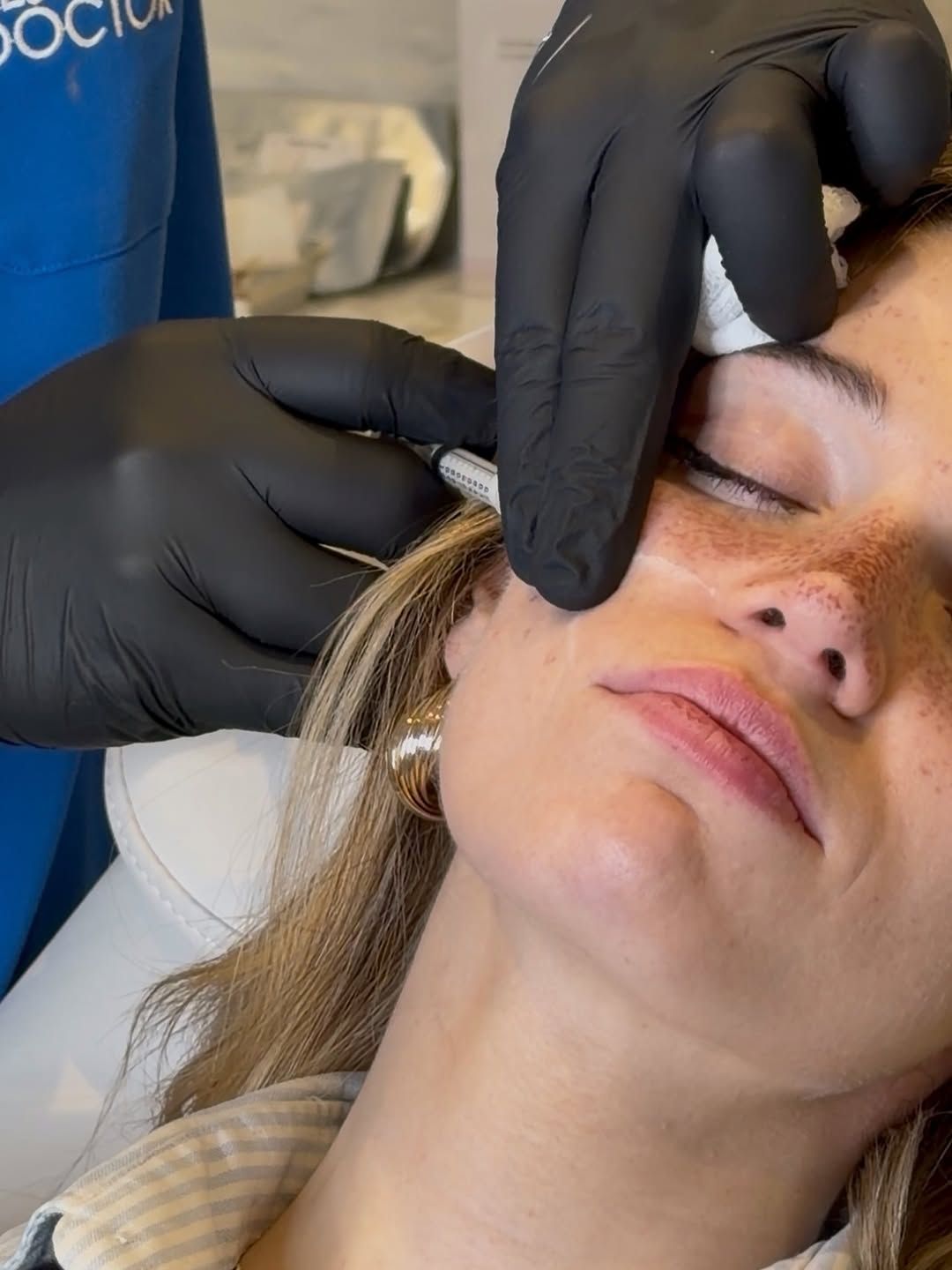
The treatment took minutes and it’s only midly unconfortable.
A few weeks later, once it fully hit, the changes showed and I have to say, the biggest one wasn’t my forehead but my lower face. Those first hints of jowls I’d clocked had basically smoothed out, and my jawline looked tighter for it. I was so pleased with the results, and never would have thought that was possible with Botox.
Maybe we’ve been thinking about Botox all wrong. It was never about freezing anything but about understanding how a face moves, and making small adjustments that let it look its best, while still, unmistakably, looking like yours.
Botox and facial harmonisation treatments with Dr Tejal Patel are available at The Aesthetics Doctor in Mayfair. To book a consultation, visit theaestheticsdoctor.com
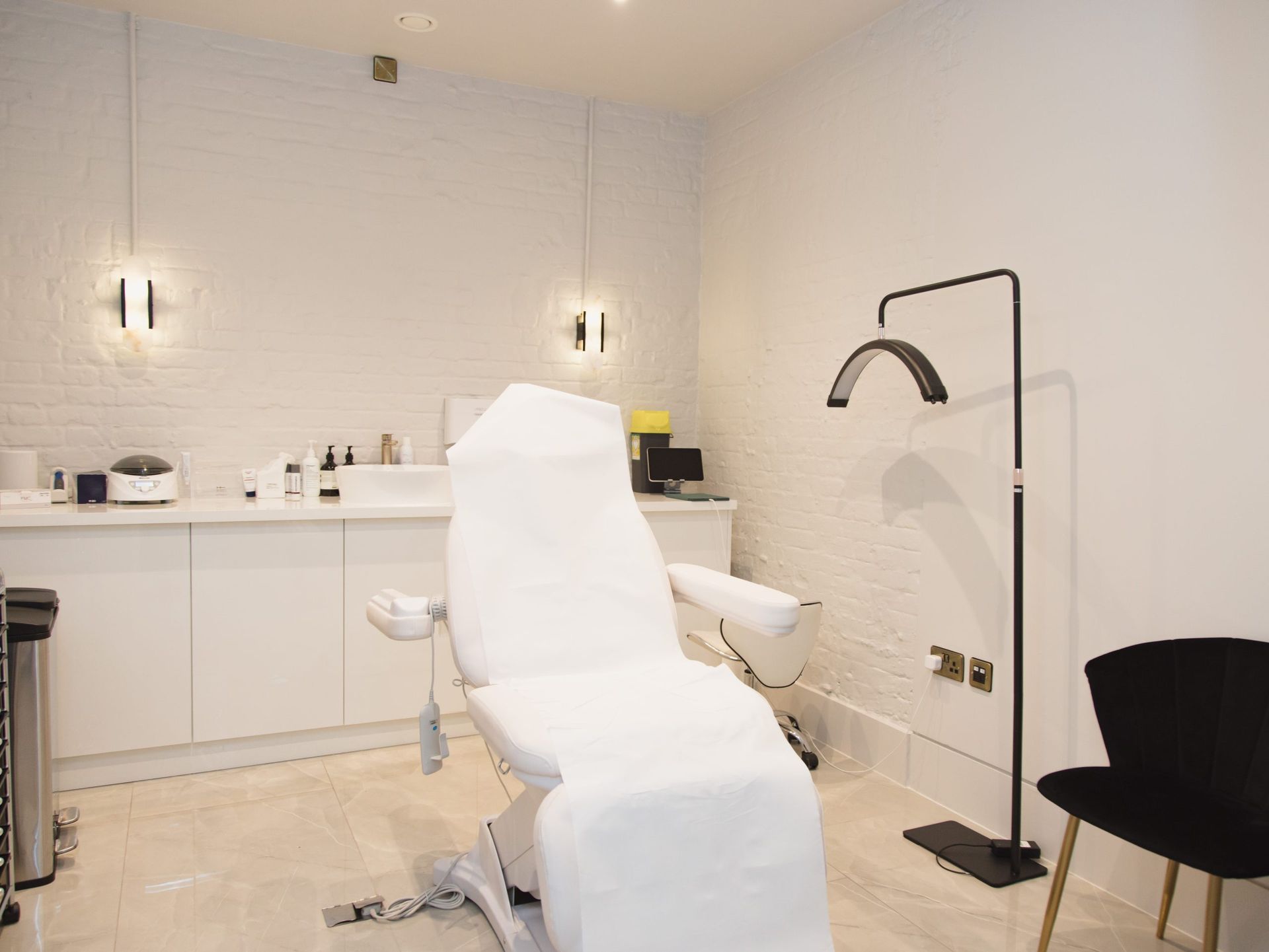
Image: courtesy of The Aesthetics Doctor (@theaestheticsdoctor)