Key Highlights
Here’s a quick look at what this guide covers for your heavy-duty guy ropes:
- Proper rope care is essential for extending the life of your gear and ensuring maximum safety.
- Recognizing signs of wear, such as fraying or flat spots, helps prevent equipment failure.
- Proper cleaning involves using mild soap and lukewarm water, avoiding harsh chemicals, and ensuring that cleaning ropes are maintained effectively.
- Regular inspections are crucial to assess the rope’s condition and identify potential issues early.
- Understanding the differences between materials like synthetic ropes and wire rope is key to maintenance.
- Following best practices for cleaning and storage will keep your ropes reliable for years.
Introduction
In the wild, reliable gear is essential. Heavy-duty guy ropes keep your awning, tent, or gazebo secure, but their condition matters. Maintenance isn’t just about cleaning—it’s about safety and performance. This guide covers key steps for cleaning and inspecting your new ropes and guy ropes to ensure they stay strong and dependable for every adventure.
Understanding Heavy-Duty Guy Ropes and Their Vital Role
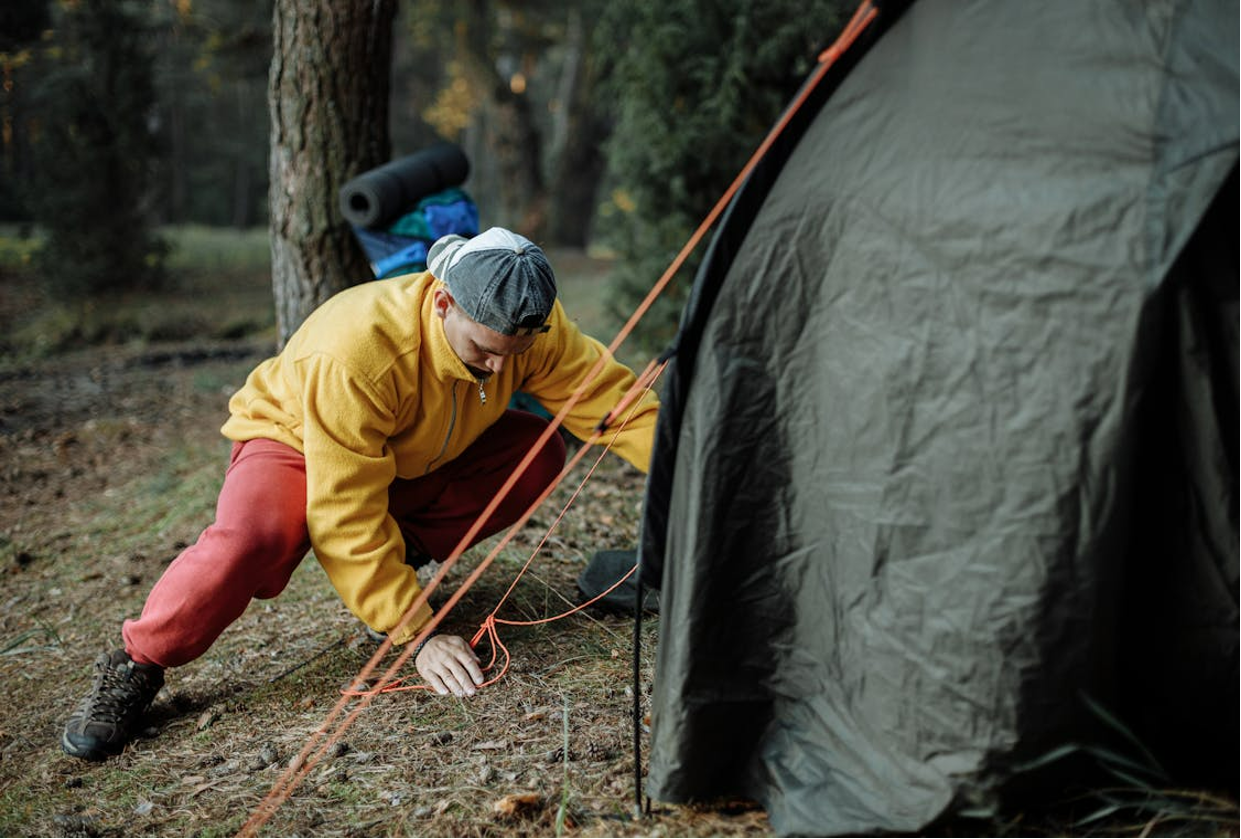
Heavy-duty guy ropes are essential for securing your outdoor shelter, providing the tension needed to keep awnings and tents stable, especially in the wind. Without them, your setup could collapse and put you and your gear at risk. Regular inspections for signs of fraying are crucial to ensure their reliability. Their strength and load capacity make them indispensable for campers and travelers.
This comprehensive guide will help you master rope safety for maximum protection on your trips. Reliable gear is key, whether tackling creative projects or building community at the campsite. Understanding how the weather affects your ropes is crucial for proper maintenance. Let’s look at the features that set high-quality guy ropes apart.
Key Features of Heavy-Duty Guy Ropes for Australian Outdoors
Selecting the right heavy-duty guy ropes is essential for handling Australia’s tough conditions. The best ropes offer both durability and user-friendly features, making setup and takedown simple. To maintain their quality, it’s important to store them in a cool, dry place. In unpredictable weather, you need gear you can trust.
Choose ropes that are strong and convenient. Features like a built-in storage bag prevent tangles, while quality tensioners keep lines tight. Start with the right equipment and look for:
- High load capacity for strong winds
- UV-resistant materials to withstand sun exposure
- Abrasion resistance against rough surfaces
- Easy-to-use tensioning systems
- Adequate length for various setups, including large awnings
These qualities ensure your setup stays secure, whether you use synthetic or other rope types. Material choice is also key to long-term durability, which we’ll cover next.
Common Materials and Their Durability Factors
The material of your heavy-duty guy ropes greatly affects their performance and the lifespan of your ropes, especially in tough conditions. Synthetic fibers like nylon and polyester are popular for their strength, flexibility, and resistance to moisture and UV damage. Polyester, for example, has low stretch and excellent UV resistance, making it ideal for long-term outdoor use.
Wire rope slings offer superior strength but need special care to prevent rust and internal corrosion for their long-term usability. For most camping or caravanning needs, high-quality synthetic ropes provide the best mix of durability and ease of use. Always check your ropes for wear—look for reduced diameter or loss of flexibility.
Here’s a quick comparison:
| Material | Key Durability Factors |
| Nylon | Low stretch, excellent UV resistance, water-repellent, durable; however, chemical exposure can be a concern |
| Polyester | Low stretch, excellent UV resistance, water-repellent, durable |
| Polypropylene | Lightweight, floats on water, less UV/abrasion resistance |
| Wire Rope | Extremely strong, can rust/corrode without proper care |
Why Proper Maintenance of Heavy-Duty Guy Ropes Matters
Proper maintenance is essential for rope safety and longevity. Regular cleaning and inspection protect your investment in heavy-duty guy ropes, ensuring reliable performance and peace of mind.
Consistent care extends rope life, maintains strength, and helps you spot minor issues before they become serious problems. Neglecting maintenance can lead to equipment failure, which is both dangerous and costly. Let’s examine the specific risks and how maintenance prevents them.
Risks Associated with Neglecting Rope Care
Neglecting heavy-duty guy rope care can have serious consequences. Dirt and grit can embed in fibers, causing hidden damage and premature wear that weakens the rope over time. UV radiation exposure degrades synthetic fibers, making them brittle and more likely to snap. Water absorption can reduce strength and create stiff, compromised sections.
Using dirty or damaged ropes risks:
- Sudden failure, leading to collapsed tents or awnings
- Reduced load capacity, making setups unstable in the wind
- Increased fraying and visible damage
- Potential injury or equipment damage
How Maintenance Extends the Lifespan and Performance
Regular care is key to getting the most from your heavy-duty guy ropes. Basic cleaning and inspecting them removes dirt and grit, preventing internal wear and extending their lifespan.
Well-maintained ropes perform better, resist tangling, and hold tension more effectively. Regular checks ensure your ropes remain strong enough for their intended load.
A few minutes of maintenance after each trip leads to long-term reliability, letting you camp with confidence and avoid unexpected failures.
Essentials of Cleaning Heavy-Duty Guy Ropes
Keeping heavy-duty guy ropes clean is essential for maintenance, especially if they have been used under extreme conditions. Cleaning removes abrasive particles like sand and dirt that can damage fibers. Use proper techniques—avoid harsh detergents or high-pressure water, which strip protective coatings and weaken the rope.
The best method is gentle: machine wash with lukewarm water and mild soap. Rinse thoroughly to remove residue, then air dry completely away from direct sunlight before storing in a rope bag. Here are the products and tools you’ll need for the task.
Safe Cleaning Products and Tools to Use
For cleaning heavy-duty guy ropes, less is more. Avoid harsh chemicals and aggressive tools, as they can damage synthetic fibers and strip protective coatings.
For routine cleaning, use lukewarm water and a mild, non-detergent soap. Gently scrub with a soft-bristle brush to remove stubborn dirt without harming the rope. You can also place the rope in a rope bag and wash it on a gentle machine cycle to prevent tangling.
Essential cleaning items:
- Mild, non-detergent soap
- Bucket or tub
- Soft-bristle brush
- Lukewarm water
Step-by-Step Guide to Cleaning Heavy-Duty Guy Ropes
Ready to wash your ropes? A simple cleaning routine keeps them clean and damage-free. Regular washing, especially after muddy or sandy trips, is an easy way to maintain a great habit. Whether hand or machine washing, always be gentle.
Start by shaking or brushing off loose dirt. For machine washing, use a mesh rope bag to prevent tangling and select a gentle cycle with cold or lukewarm water. Proper storage is crucial; never store damp ropes—let them dry fully.
Soak the climbing rope.
- Shake or brush off dirt.
- Fill a tub with lukewarm water and mild soap.
- Soak the rope.
- Gently scrub with hands or a soft brush.
- Rinse thoroughly.
- Hang to air dry in shade, away from direct sunlight.
Best Practices for Inspecting Heavy-Duty Guy Ropes
Regular inspection is essential for rope maintenance. Thorough checks help you spot wear before safety is compromised, and a consistent process—including wire rope inspection—is key.
Keep a log of usage dates and inspection results to track the rope’s history and estimate its remaining service life. This disciplined approach enhances safety for you and your fellow campers. Next, we’ll discuss how often to inspect your ropes and what to look for.
How Often to Inspect and What to Look For
Regular inspections are essential for rope safety. Quickly check your guy ropes before each use and do a thorough inspection after each season or demanding trip to monitor their condition.
When inspecting, run the rope through your hands to feel for irregularities. Focus on areas with frequent friction, such as near tensioners or anchor points. Additionally, make a note of the dates of use to track the condition. Store ropes in a rope bag to prevent damage between uses.
During checks, look for:
- Fraying, cuts, or abrasions on the outer sheath
- Stiffness, hard spots, or glossy areas (possible heat damage)
- Changes in diameter or flat spots
- Discoloration (signs of chemical or UV damage)
Identifying Signs of Wear, Damage, and When to Replace
Knowing when to retire a heavy-duty guy rope is as important as maintaining it. All ropes have a limited lifespan, and using one past its prime poses safety risks, leading to cumulative wear and tear. Obvious signs like significant fraying or cuts mean it’s time to replace the rope.
Watch for subtler issues, such as flat spots or reduced diameter, which can indicate internal damage. Synthetic fibers may be weakened by sharp edges, heat, or chemicals—even if the damage isn’t visible, especially in harsh environments. For wire ropes, internal corrosion is a major warning sign.
Replace your rope if you notice:
- Excessive fraying or abrasion exposing core fibers
- Stiff or melted sections from the heat
- Thinning or flat spots
- Significant discoloration from UV or chemicals
- Any uncertainty about its integrity—when in doubt, throw it out
Conclusion
In conclusion, proper maintenance of heavy-duty guy ropes ensures their durability and performance. Implementing advanced maintenance strategies, such as regular cleaning and inspection, helps prevent risks, detect early signs of wear, and avoid accidents or costly replacements. Well-maintained ropes enhance outdoor safety and reliability. For questions or assistance, feel free to reach out. Take care of your gear for safer and more enjoyable adventures!