
The repossession of a car seems like a sudden act, but behind it lies a well-defined process under the legal framework. Lenders cannot repossess a car arbitrarily, as each state has set guidelines regarding the procedure the creditor must follow to take control of a car, the notification to be provided to the debtor, and the subsequent actions after the tow truck leaves.
According to the Consumer Financial Protection Bureau, outstanding auto loan balances totaled $1.64 trillion as of late 2024, and there were more than 100 million auto loan accounts in the country. Proper operation of repossession law will provide a borrower with the opportunity to correct their default.
Here is how the process actually unfolds and where the law protects consumers along the way.
1. Notice Requirements Set The Timeline Before A Repossession Begins
Repossession by the lending institution does not begin automatically once a payment is missed. In most states, a default period must elapse, and for many, notice must be served before anyone from the lending institution touches the vehicle. The notice will typically include information such as the amount owed, the deadline, and the number of days remaining to clear the debt. In legal terms, this period is known as the right to cure and gives the debtor a chance.
Failure to do so could invalidate the repossession altogether, especially in court, where it carries significant weight. That is why Massachusetts Car Repossession Law clearly outlines the time the lender must wait and what the notice should contain. This knowledge will help borrowers know if the lender is following the appropriate procedure legally. It also enables them to take action before matters get any worse. Carefully reading any notices issued and maintaining documentation can be vital should any doubts arise regarding the legality of the repossession.
2. Recovery Agents Follow Strict Limits During The Vehicle Pickup
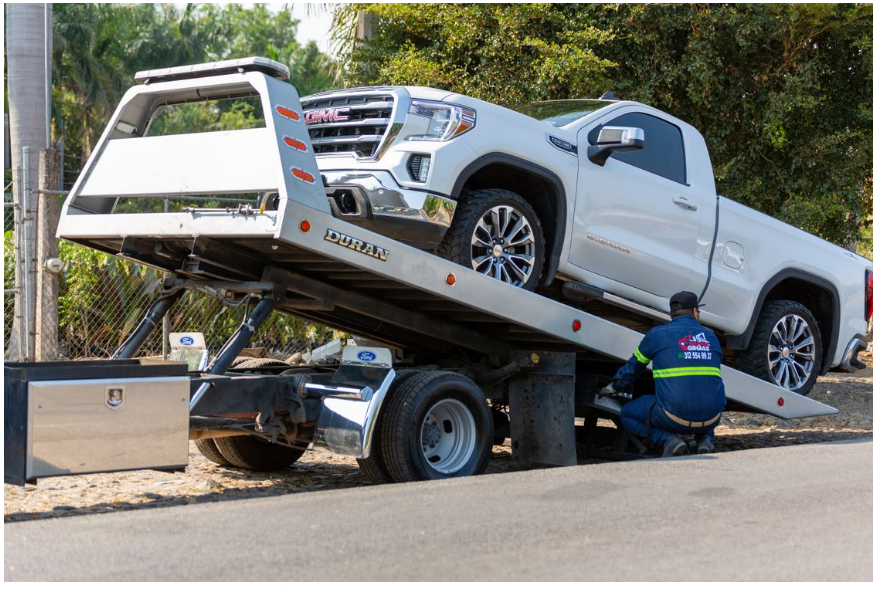
Once the cure period expires without the borrower paying off the debt, the lender may send the loan to a repossession agent or recovery company. The number of lenders using such outside forwarders is steadily increasing: while in 2018 only 31% used them, by the end of 2022 the percentage had reached 66%. The vehicle can usually be taken from the street or parking lot without prior notice.
However, in most states, a different line is drawn regarding private property, so an uninvited entry into the borrower’s garage or driveway may constitute trespassing. There should be no force, threats, or confrontations during the recovery process, since regulators treat the absence of such actions as a measure to prevent a breach of the peace.
3. Post Repossession Notices Outline A Borrower’s Remaining Options
Repossession is not over just because the tow truck drives away. Usually, lenders are obligated to inform local authorities about the repossession shortly after its completion and to notify the debtor of the options still available to them. The notification typically advises on how the debtor can recover any personal belongings from the car and the total cost of retrieving the vehicle by paying off the loan amount.
Sometimes, even selling the car cannot clear the debt. If the sales amount is less than the total amount due, the lender seeks to recover a deficiency balance, as explained below.

4. Deficiency Balances Determine What A Consumer Still Owes
Deficiency balances tend to accumulate quite quickly. According to recent data, the average deficiency balance on car repossessions in 2022 was about $11,000. And most of the time, those who are unable to pay their debt end up with significant financial liabilities even after losing the car. However, despite repossession, certain safeguards still protect a debtor from the lender’s further actions. For example, some states have limits on debt collection, and in some states, the lender is not allowed to collect anything if the deficiency balance does not exceed a particular amount.
At the same time, borrowers still have the option to request a commercially reasonable price for the vehicle, which means the lender would be prohibited from selling the car for a very low price and subsequently requiring the borrower to pay a disproportionately large balance. The Fair Debt Collection Practices Act provides additional federal consumer protection measures.
5. Legal Violations Give Consumers Grounds To Fight Back
Wrongful repossession is not necessarily the end of the line for a borrower. An individual who believes that an agent trespassed, used force, or failed to give the requisite notice can use these issues as defenses to the deficiency claim and may even sue the lender or repo company for damages.
In the event of such an infringement, gather any documents relevant to the loan, such as the financing contract, payment history, notices you have received, and any video or photographic evidence of the automobile’s repossessions. It could come in handy should you decide to file a complaint with a relevant consumer organization against the lender.

Final Thought
Repossession laws exist because being without a vehicle can make it impossible for an individual to travel to work, or care for their loved ones. The laws regarding notice, peaceful repossession, and resale are no mere formalities.
They act as a buffer, preventing a financial crisis from turning into illegal activity. It is important for those facing repossession or who have undergone it to know about these safeguards.