
A healthy smile plays an important role in everyday life, influencing how comfortably people communicate, express themselves, and interact with others. Dental health is essential to overall well-being, regardless of where someone lives. In Lincoln, Nebraska, various dental practices offer services to help individuals maintain their oral health and address concerns such as missing teeth, dental discomfort, and changes in their smile. Understanding the connection between oral health and emotional well-being can encourage people to seek appropriate dental care and feel more confident in everyday social situations.
How Missing Teeth Can Affect Confidence
Missing teeth can affect more than the appearance of a smile. Some people become hesitant to laugh, speak openly, or participate in social gatherings because they feel uncomfortable about visible gaps. These concerns may gradually influence how they interact with friends, family members, and colleagues.
Modern restorative dentistry has introduced various treatment options that can help replace missing teeth and restore normal oral function. Dental implants, bridges, and dentures can help individuals regain comfort when eating, speaking, and smiling.
Professional dental assistance can help individuals address missing teeth and explore restorative treatments that improve oral function and confidence. Consulting experienced professionals who specialize in Dental implant restoration in Lincoln, NE can be beneficial. They can help patients who have already had implants placed by an oral surgeon or periodontist complete the restorative phase of treatment with customized crowns, bridges, or other prosthetic restorations.
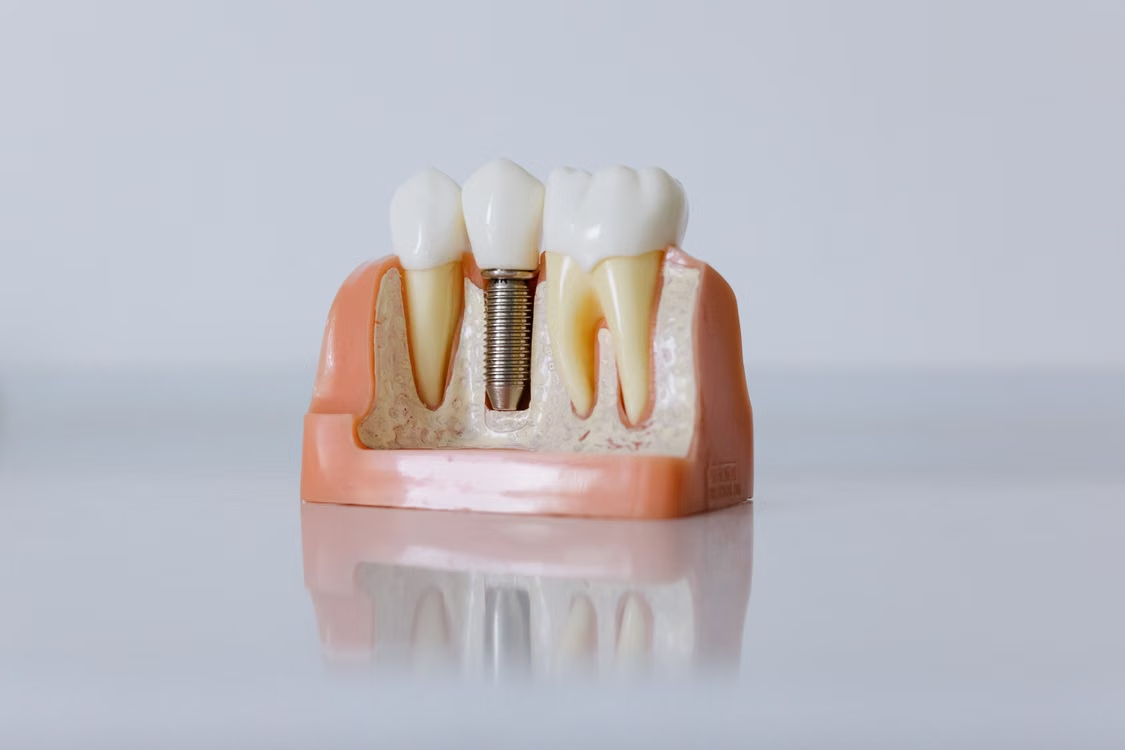
Dental implant restoration involves attaching a custom-made crown, bridge, or denture to a surgically placed implant to help restore the appearance and function of missing teeth.
The Connection Between Oral Health and Emotional Well-Being
Oral health and emotional well-being can influence each other in several ways. Dental discomfort, visible damage, or missing teeth may cause individuals to feel self-conscious, particularly during conversations or social occasions.
For some people, these concerns lead to avoiding photographs, smiling less frequently, or feeling uncomfortable meeting new people. Although everyone responds differently, persistent worries about appearance can affect confidence.
Addressing dental concerns can help reduce some of these difficulties. Regular examinations, appropriate treatment, and consistent oral hygiene support healthier teeth and gums.
It is also important to recognize that confidence involves many factors beyond physical appearance. Supportive relationships, positive experiences, and emotional resilience contribute to how people feel about themselves.
Taking care of oral health is therefore one practical way to support personal comfort and overall well-being without placing unrealistic expectations on achieving a perfect smile.
How Dental Problems Can Affect Everyday Conversations
Speaking clearly is an important part of social interaction. Teeth, the tongue, and other oral structures work together to produce sounds, making dental health relevant to everyday communication.
Missing teeth, poorly fitting dentures, or certain dental conditions can sometimes affect pronunciation. Individuals experiencing these difficulties may become more conscious of how they speak, particularly during presentations, interviews, or group conversations.
Dental discomfort can also make extended conversations less enjoyable. Someone dealing with tooth sensitivity or gum irritation may find it harder to concentrate on discussions.
Addressing these concerns can improve oral comfort. Restorative treatments may help replace missing teeth, while preventive care can reduce the likelihood of avoidable dental complications.
When speaking feels comfortable, individuals may find it easier to participate naturally in conversations and maintain meaningful social connections.
The Importance of Eating Without Dental Discomfort
Sharing meals is a common part of social life. Family dinners, celebrations, workplace gatherings, and outings with friends often revolve around food and conversation.
However, missing teeth or untreated dental problems can make eating certain foods difficult. People may avoid crunchy vegetables, firm meats, or other foods that require considerable chewing.
These limitations can sometimes create discomfort during social occasions, especially when someone feels restricted in what they can comfortably eat.
Restorative dental treatments can help improve chewing function, depending on the condition of the teeth and surrounding tissues. Appropriate treatment may allow individuals to enjoy a wider variety of foods.
Maintaining healthy gums and attending routine dental appointments also support comfortable eating. When people can enjoy meals without persistent discomfort, dining experiences may become more relaxed and enjoyable, allowing them to focus on spending time with others.
The Importance of a Healthy Smile
Smiling is a natural part of expressing happiness, warmth, and friendliness. It helps communicate emotions and often contributes to positive interactions with others.
When individuals feel uncomfortable about their teeth, they may become more reserved in photographs, conversations, or social gatherings. This hesitation can sometimes affect how freely they express themselves.
A healthy smile does not need to be perfectly straight or completely uniform to be meaningful. What matters most is feeling comfortable and maintaining good oral health.
Regular dental care can help address concerns such as cavities, gum inflammation, damaged teeth, and missing teeth. Improving oral comfort may encourage people to smile more naturally.
Building Confidence Through Consistent Oral Hygiene
Good oral hygiene supports both dental health and personal comfort. Simple daily habits help protect teeth and gums while reducing common concerns such as bad breath and plaque buildup.
Brushing twice daily and cleaning between the teeth are important parts of maintaining oral health. Regular dental examinations also help identify developing problems before they become more serious.
People who experience persistent bad breath, bleeding gums, or tooth sensitivity should seek dental advice rather than relying entirely on home remedies.
Maintaining a consistent routine can also create a sense of personal responsibility and confidence. Knowing that teeth and gums are receiving appropriate care may reduce worries about oral hygiene during social interactions.
Healthy habits work best when they are realistic and sustainable. Consistent preventive care is generally more beneficial than occasional efforts to improve dental appearance before important events.
How Restorative Dentistry Can Improve Daily Comfort
Restorative dentistry focuses on repairing damaged teeth and replacing missing ones to improve oral function and comfort.
Depending on individual needs, treatment may involve fillings, crowns, bridges, dentures, or implant-supported restorations. Each option addresses different concerns and requires careful assessment.
For example, a crown can protect a significantly damaged tooth, while a bridge may replace one or more missing teeth. Implant-supported restorations use surgically placed implants as stable foundations for replacement teeth.
These treatments can help improve chewing, support speech, and restore the appearance of a smile. However, results vary according to oral health, treatment needs, and ongoing maintenance.
Discussing available options with a qualified dental professional allows individuals to understand the benefits and care requirements of each approach. The primary goal is to restore comfortable everyday function while supporting long-term dental health.
Maintaining Oral Health for Lasting Confidence
Building confidence through better dental health is an ongoing process rather than a single achievement. Consistent care, healthy habits, and timely attention to dental concerns all contribute to long-term comfort.
People should continue attending routine dental examinations even when their teeth feel healthy. These appointments help monitor gum health, identify early signs of decay, and evaluate existing dental restorations.
Lifestyle habits also matter. Limiting frequent sugary snacks, drinking water regularly, and avoiding tobacco can support healthier teeth and gums. For individuals who have received restorative treatment, following recommended cleaning and maintenance instructions helps protect their results.