A club can tell you a lot about a place before you even visit it. A badge might feature a local landmark, a nickname may recall an industrial past, and the songs sung from the stands can preserve words and stories that have been passed down for generations. On matchdays, thousands of people gather around the same colors, no matter if they agree about anything else.
Even those who aren’t really fazed with deep diving into cultural research, just because of love for some team, involuntarily learn more about the places they come from. When you fall into the rabbit hole of sports betting and following, you realize how vast this universe is. Once you notice the number of teams participating in fixtures, listed in the Top Events section of the MelBet registration page, it’s hard to dodge the urge to learn more about the players. And it’s only natural, since every bettor should track statistics and do background checks before placing bets.
That is the power of football at the regional level. Clubs give communities a public symbol, a shared history and a reason to come together. Their influence extends beyond the pitch, shaping local traditions, supporting businesses and introducing a region to audiences around the world.
Bringing People Together

Regional identity is often strengthened through repeated experiences rather than grand declarations. Families attend matches and participate in sports betting (Arabic: مراهنات) together, friends meet in the same cafés before kick-off, discussing their wagering options, and supporters travel across the country to follow their team. These routines create relationships between people who might otherwise have little in common.
A 2024 study of 661 English supporters explored the importance of locally trained players and community connections. The researchers reported that 78% of respondents to an earlier national survey by the Football Supporters’ Association considered it important for their club to have local players. In the study’s own sample, however, respondents placed financial stability and winning trophies ahead of local identity when forced to choose between priorities. This suggests that supporters value regional connections while also wanting their clubs to survive and compete.
Football’s community role can take several forms:
- Intergenerational traditions: parents, grandparents and other relatives pass on club loyalties, matchday routines and stories about memorable seasons.
- Community programs: clubs run sessions, school partnerships, educational projects and activities for people who might otherwise feel excluded.
- Local pride: victories give residents something to celebrate together, while difficult periods can strengthen bonds among supporters who refuse to abandon the team.
- Shared public spaces: stadiums, supporter-owned cafés, local pubs and fan meeting places become familiar landmarks in everyday life.
- Regional representation: club colors, flags and songs can make a town or region visible during national competitions and international broadcasts.
These benefits are not automatic. Rivalries can deepen divisions, and some supporters may feel excluded by ticket prices or a club’s commercial priorities. The strongest community relationships develop when clubs remain accessible and listen to the people around them.
Comparing Cultures
Football links communities in different ways depending on each country’s history, political structure, and club system. In some regions, a team represents a neighborhood or industrial town. Elsewhere, it carries the language and cultural symbols of a distinct national or regional community.
Country/Region | Club example | Connection to regional identity |
| England — Merseyside | Liverpool FC and Everton | Shared city history, neighborhood traditions and civic pride |
| Spain — Basque Country | Athletic Club | Regional identity reinforced by a distinctive player-recruitment tradition |
| Spain — Catalonia | FC Barcelona | Strong association with Catalan culture, language and history |
| Germany — Hamburg | FC St. Pauli | Neighborhood roots and a supporter culture associated with social activism |
| Argentina — Buenos Aires | Boca Juniors and River Plate | Rivalries tied to distinct supporter traditions and the identity of the capital |
These examples are not interchangeable. Athletic Club’s recruitment philosophy differs from Liverpool’s relationship with its city, while the scale of Flamengo’s following gives it a different role from that of a small regional club. Yet each illustrates the same point: football offers communities a recognizable way to express belonging.
Local Loyalty
A sports club also contributes to the region through spending and employment. Matchdays bring customers to cafés, restaurants, hotels, transport services and shops. Large fixtures can attract visiting supporters who stay overnight, explore the city and return for future events.
A big stadium project could have significant impacts. On one hand, it could be a boon that provides jobs during construction and improves neglected parts of the area where the stadium sits. But badly planned developments can also drive up property prices and send money elsewhere, away from small businesses.
Smaller clubs might not be quite as high profile financially as the biggest teams, but they are still important to their surrounding areas – employing local workers, using supplies provided by companies in town, offering facilities to local youth teams and drawing visitors into city centers at weekend. It’s not all about transfers and TV deals.
For regional benefits to last, clubs and councils can work together to:
- Use local suppliers where practical and financially sustainable.
- Create apprenticeships and training opportunities linked to club operations.
- Make community facilities available beyond matchdays.
- Support local heritage projects, museums and cultural events.
- Consult residents before major stadium or transport changes.
A club can be a powerful economic partner. It cannot replace a region’s wider development strategy.
Reaching Audience with Tech
Digital media has changed how supporters maintain their connection with a club. In the past, a fan who moved away from home might depend on radio commentary, newspaper reports or occasional television coverage. Today, official apps, streaming services and social networks can keep distant supporters connected to their team throughout the season.
Technology also allows clubs to tell the stories behind their communities, not only report scores.
Useful examples include:
- Digital archives: historic photographs, match programs and interviews preserve memories that might otherwise be lost.
- Local storytelling: short videos can introduce former players, community volunteers, neighborhood businesses and regional traditions to international audiences.
- Online supporter groups: fans living abroad can discuss matches, organize gatherings, and share memories with people who understand their connection to the club.
- Multilingual communication: translated news and subtitles help supporters from different backgrounds understand a club’s history and community work.
Liverpool FC and Everton, for instance, have global audiences, but their lore remains closely linked to Merseyside. Digital media gives those stories a wider reach, helping overseas supporters learn about the city as well as the players. Research on football in Liverpool has also examined the tension between local identity and international fandom, including how tourism can change the relationship between supporters and familiar spaces.
There is a risk, however. Clubs may focus so heavily on international audiences that local supporters feel treated as customers rather than community members. Digital engagement works best when it adds to local relationships instead of replacing them.
Keeping Regional Identity Alive in a Global Game
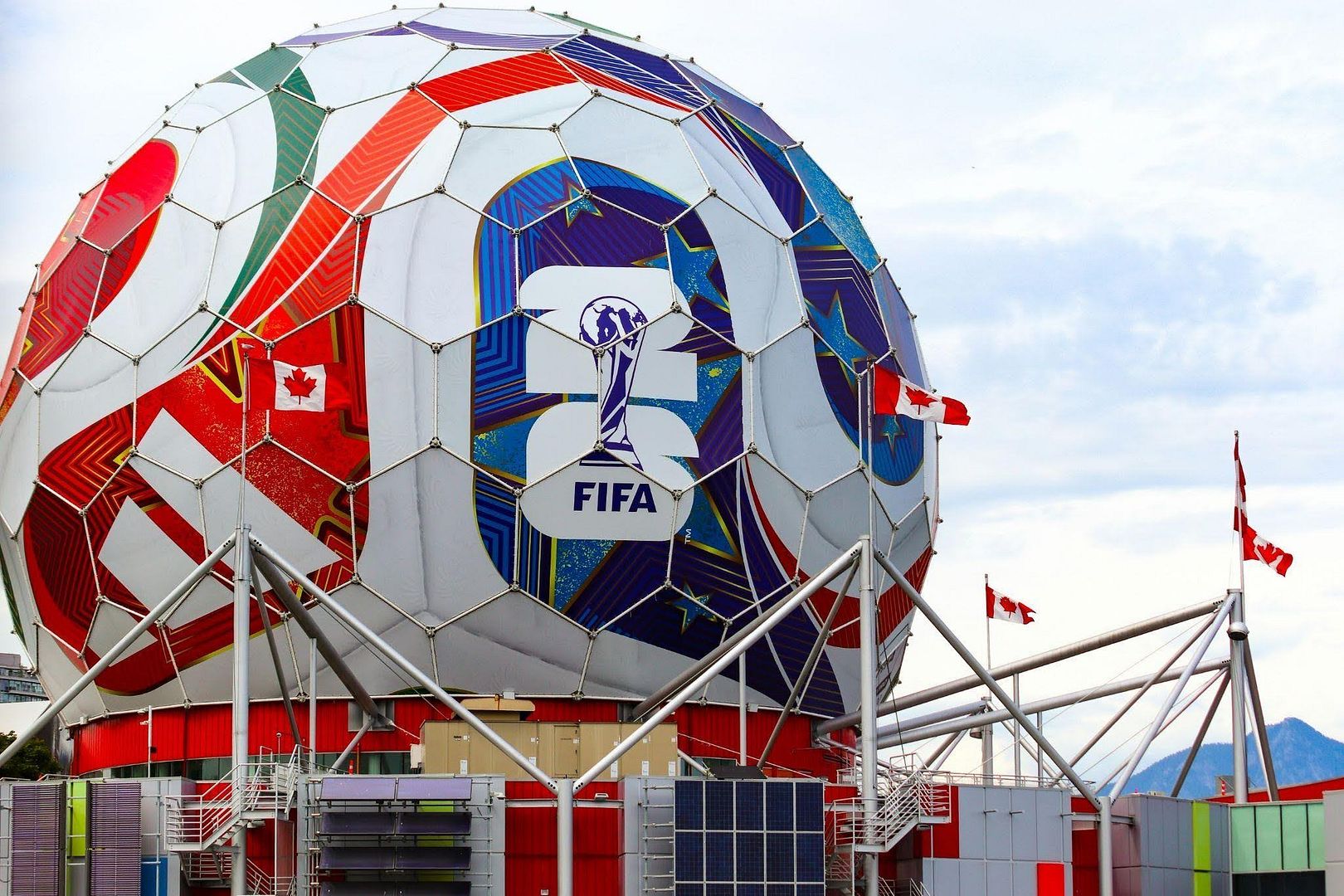
In modern football, many aspects are becoming increasingly internationalized – players move around, ownership comes from overseas, and there’s an increasing number of sponsorship deals connecting clubs across the world. In doing so, new investment and opportunities are brought forward, but at what point do we lose sight of who has a say in where our clubs are heading?
How does a club preserve its identity? Fans will know if their tickets become unaffordably expensive for them or their children to attend matches. They’ll recognize how much thought goes into respecting the club’s local history, or ensuring community programs get the attention they deserve. And most importantly, fans take part in deciding the fate of our clubs’ stadiums, names, badges and even ownership.
It may seem simple, but finding a balance between celebrating international support and maintaining local connections makes all the difference as clubs develop global brand identities. As someone whose lived experience means we’ve got personal knowledge of both sides, it’s crucially important to us to ensure our voices continue being heard.
Regional identity must also be allowed to change. Cities become more diverse, younger supporters bring new ideas, and communities develop beyond the boundaries that existed when a club was founded. A strong football culture can respect its heritage while welcoming people who have recently arrived or discovered the team from abroad.