Royal Garden Parties may look effortless from the outside, though every appearance comes with careful planning and serious cost behind it. Guests see polished tailoring, elegant hats, and formal dress codes that follow decades of royal tradition. Yet the full price behind those outfits often stays hidden from public view.
In an exclusive interview with the Cafe Casino editorial team, a royal fashion expert explained that senior royals can spend anywhere from a few thousand pounds to well over £15,000 ($20,000) on a single Garden Party look once tailoring, hats, shoes, and accessories enter the final total. The figures sound extreme at first glance, though the reality behind royal fashion is more layered than many expect.
These outfits must work under intense media attention, strict protocol, changing weather, and years of public appearances. That pressure shapes every decision from fabric choice to hat design.
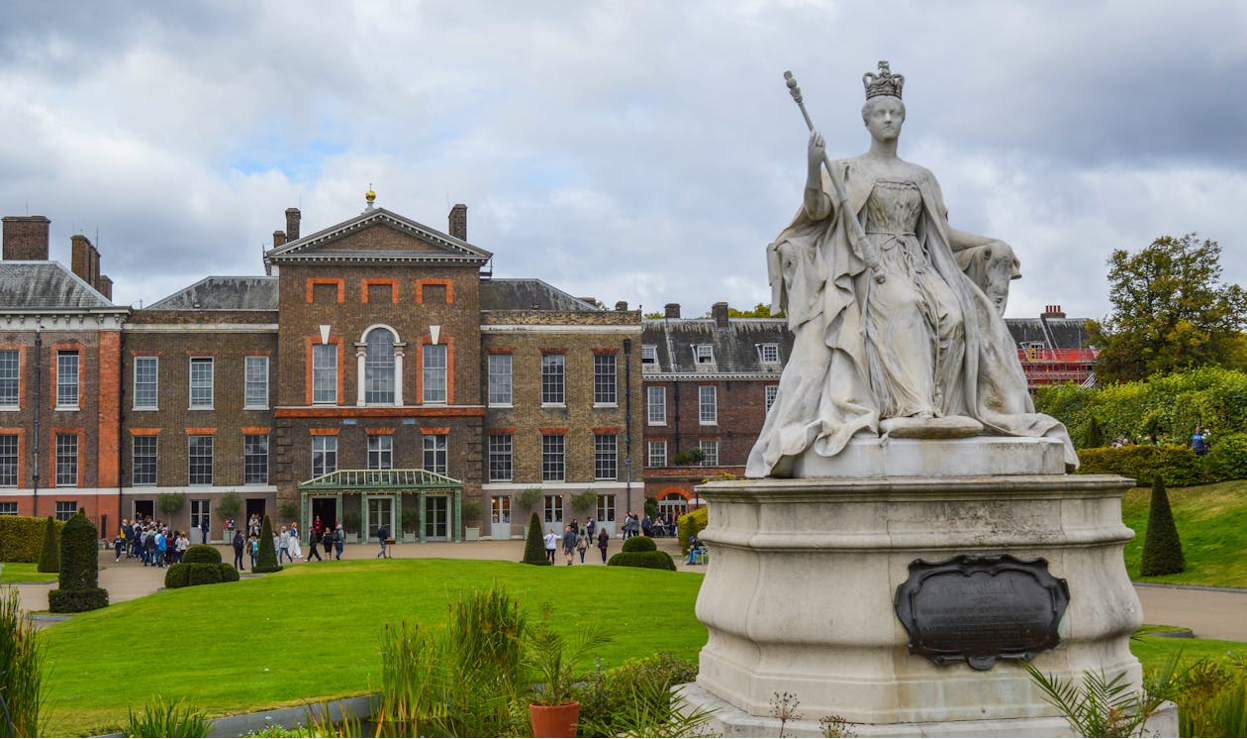
Image source: Pexels.com
A Single Outfit Often Takes Weeks To Prepare
Garden Party dressing involves far more preparation than many people realize. Senior royals rarely pull pieces directly from a rail without adjustments. Most looks require fittings, tailoring appointments, and styling decisions long before the event takes place.
Formal daywear for these occasions usually comes from established British designers or couture houses trusted by the royal household. Structured dresses and coats often use premium fabrics designed to hold shape during long outdoor appearances. Tailoring remains one of the highest costs because each piece must fit perfectly from every angle.
A royal fashion expert explained that these outfits must balance elegance with practicality. Royals spend hours outdoors greeting guests, standing on grass, and moving through crowds under cameras from every direction. Clothing cannot crease too easily or appear uncomfortable in daylight.
Hats Can Cost More Than Entire Designer Wardrobes
One of the biggest expenses attached to Royal Garden Party fashion comes from hats and fascinators. Formal headwear remains deeply tied to British royal tradition, especially at outdoor daytime events hosted at Buckingham Palace.
Many senior royals wear hats designed by respected British milliners known for handcrafted work. These pieces often require specialist shaping techniques, hand stitching, premium materials, and multiple fittings before completion. According to the fashion expert, a Philip Treacy hat alone may cost between £1,500 ($2,000) and £3,000 ($4,000) depending on design complexity.
Headwear does more than complete an outfit. Hats help create balance within formal styling and often become the focal point of the entire look. A neutral dress may appear far more striking once paired with structured millinery in soft floral shades or sculpted designs.
Royal hats rarely follow short-lived fashion trends. Senior royals tend to choose elegant shapes that photograph well and maintain a timeless appearance. Dramatic or theatrical styles can attract unwanted headlines, so most choices stay refined and controlled rather than attention-seeking.
Rewearing Outfits Has Become Part Of The Royal Strategy
Public attitudes around luxury fashion have shifted sharply over recent years, and the royal family has adjusted alongside those changes. Rewearing clothing now forms a major part of modern royal styling rather than something hidden from public view.
The fashion expert explained that audiences expect public figures to show awareness of sustainability and spending. Senior royals now repeat coats, dresses, and accessories regularly across different events. Some pieces return years later with updated styling through hats, belts, or jewelry.
Kate, Princess of Wales, has become closely associated with this approach. She often reuses tailored dresses and formal coats from earlier appearances instead of debuting entirely new wardrobes for every event. That decision has changed public conversations around royal spending.
The expert argued that cost-per-wear matters far more than headline prices alone. A bespoke outfit worn repeatedly over a decade creates a different image from luxury fashion used once for publicity. Royal wardrobes now place a stronger focus on longevity, careful craftsmanship, and practical reuse instead of constant replacement.
Kate’s High Street Choices Changed Royal Fashion
Royal fashion once relied heavily on exclusivity and expensive labels. That image has softened in recent years due largely to styling choices linked to Kate, Princess of Wales. Affordable accessories now appear alongside couture tailoring within royal wardrobes.
The fashion expert pointed to Kate’s decision to wear low-cost ASOS earrings as one of the clearest examples of this shift. The earrings sold out rapidly after photographs appeared online, and public reaction focused less on price and more on accessibility.
That moment reflected wider changes around royal dressing. Expensive clothing no longer defines successful royal fashion in the same way it once did. Quality, fit, and suitability now carry greater importance than obvious displays of luxury.
Garden Party outfits still involve substantial spending due to tailoring and formal dress codes, though the styling feels less distant from ordinary life than before. Royals now appear more careful about balancing tradition with public expectations. Polished presentation still matters deeply, yet obvious extravagance tends to receive far colder reactions from modern audiences.
Designers Still Compete For Royal Visibility
Royal Garden Parties remain one of the strongest showcases for British fashion houses. A single appearance by a senior royal can place a designer in front of global audiences within minutes through photographs, newspapers, and television coverage.
According to the fashion expert, Queen Camilla often works with established British names such as Bruce Oldfield, Fiona Clare, and Anna Valentine for formal engagements. Her style leans toward soft colors, elegant tailoring, and traditional silhouettes suited to royal ceremonies.
King Charles continues to reflect classic British menswear through Savile Row tailoring. Heritage houses such as Anderson & Sheppard and Gieves & Hawkes remain closely tied to his public image through sharp formal dressing and muted color palettes.
Prince William tends to follow a similarly structured approach with navy suits, grey tailoring, and understated styling choices. Kate’s process appears more detailed and strategic. The expert explained that every choice considers the occasion, the designer’s background, public messaging, and practical demands of the event itself.
Royal Fashion Faces More Scrutiny Than Ever Before
Royal Garden Party fashion now faces constant public analysis from newspapers, television panels, social media users, and fashion commentators. A single outfit can dominate headlines within hours if it appears too extravagant, too casual, or poorly judged for the occasion.
That scrutiny explains why senior royals rarely take major fashion risks during Garden Parties. Clothing choices aim for elegance, restraint, and consistency rather than dramatic statements. The fashion expert warned that outfits viewed as too revealing, overly casual, or attention-seeking can quickly appear disrespectful at formal royal events.
Color choices receive careful attention, too. White often remains associated with senior royals and bridal dressing, while very bright neon shades can appear harsh within traditional garden settings. Structured tailoring and soft tones usually create the safest balance for these occasions.
Royal fashion still carries luxury and exclusivity, though public expectations have changed significantly. Audiences now expect senior royals to appear polished without seeming disconnected from wider conversations around spending, sustainability, and responsible public image.