(Source)
I walked into a brand-new media room last month. The projector cost more than my car, and the speakers were flagship models. The sound was still poor.
The problem was not the gear. It was the room. Speakers sat where they looked neat instead of where they would image well, the sofa was pushed against the back wall, and polished concrete threw reflections everywhere.
That is what happens when style leads and sound follows.
The best entertainment rooms reverse that order. They start with speaker layout, seating distance, and room noise, then layer furniture, finishes, and lighting on top. Done right, movies feel cinematic at normal volume, and music keeps its detail.
If you are mapping sightlines before the walls go up, shortlist powered seating early. Amplify AV’s range lets youbrowse theatre recliner chairs by seat width, aisle clearance, and headrest height before risers and joinery are fixed.
A clear plan also helps you avoid expensive corrections later. Move the main row a little, soften the right surfaces, and the same gear can sound dramatically better.
Key Takeaways
Start with seat distance, speaker angles, and room noise, because those choices decide how every finish will perform. That planning stage is also the right time to settle powered seating dimensions, aisle clearance, recline travel, and headrest height before risers or joinery are fixed, so design teams often start comparisons early while the room is still being laid out.
- Seating sets screen size. Aim for a 36° horizontal field of view, the width of the image from your seat, or 30° for a more relaxed feel. SMPTE ST 2080-3 also points to about three picture heights.
- Speaker geometry comes first. ITU-R BS.775 places front left and right at ±30°, and Dolby Atmos adds height channels for overhead movement.
- Noise matters as much as power. AS/NZS 2107 suggests about 40 dB LAeq, the average sound level over time, for living areas and 35 dB for bedrooms.
- Picture neutrality protects colour. Rec.709 uses D65, the daylight-balanced white point, and matte surrounds near 5 cd/m² help preserve contrast.
- Streaming needs headroom. Allow 15 Mbps for each 4K Netflix stream, and plan an external DAC, a digital-to-analog converter, for full Apple Music high-resolution playback.
- Build for upgrades. Pre-wire for 7.1.4 even if you install 5.1.2 first. Dolby documents support up to 24.1.10 in residential installations.
What Music-Led Entertainment Design Means
Treat the room like a system, not a container for expensive gear.
It starts with a performance brief: how many people use the room, whether movies or music matter more, and which speaker layout you want to support. Lock the viewing angle, speaker positions, and source storage before you choose wall finishes.
Order matters because small rooms change sound fast. A sofa hard against the back wall can exaggerate bass, and bare side walls can smear dialogue with early reflections, the first sound bounces that reach your ears after the direct signal.
When those basics are set, design choices become easier. You know where lighting can sit without glare, where cabinetry can live without blocking speakers, and where soft finishes will help instead of looking like an afterthought.
Three Benefits of a Music-Led Plan
A sound-first plan gives you more immersion, more accuracy, and fewer rebuilds.
That matters in Australian homes, where hard surfaces and open plans are common.
Immersion at Lower Volume
Low background noise and correct speaker angles let you hear more detail without pushing the system. Seal gaps, slow the air through larger ducts, and use lined curtains or rugs where they will help without making the room feel heavy.
Fidelity That Flatters Every Source
Standards-based layouts preserve the intent of colourists and mixers. ITU-R BS.775 defines the 60° front arc, Dolby’s Atmos guide maps height options, and neutral screen surrounds stop bright walls from shifting how skin tones look.
Future-Proofing Without Rebuilding
Pre-wire for 7.1.4 even if today’s budget only covers 5.1.2. Add conduit to height channels, spare power at the rack, and access panels where you may want amplifiers later. CEDIA’s RP22 performance levels can then guide upgrades in clear stages.
What to Build So Your Space Sounds and Looks Exceptional
Break the room into functional zones so each choice supports both comfort and performance.
Speaker Layout by Use Case
| Layout | Best For | Upgrade Path |
| 5.1.2 | Compact rooms, single row | Pre-wire rear heights for 5.1.4 |
| 7.1.2 | Two rows, wider coverage | Add two heights for 7.1.4 |
| 7.1.4 | Dedicated rooms, stronger overhead placement | Expand surrounds toward 9.1.6 |
Choose the smallest layout that properly fits the room, then pre-wire past it. Dolby shows both in-ceiling and up-firing Atmos options. Up-firing modules are useful when ceiling cuts are impossible, but direct-radiating in-ceiling speakers give more precise overhead placement.
Seating Geometry and Sightlines
Lock the main row first and size the screen to the angle, not the brand name. A 120-inch 16:9 screen lands at about 3.7 m for a 36° cinematic feel or 4.9 m for a relaxed 30°.
Keep the main seats within ±30° horizontally from screen centre to preserve a balanced view. If you need two rows, add a 200 to 300 mm riser with low-glare step lights. Confirm recline travel, aisle width, and charging points before cabinetry, floor boxes, and outlets are fixed.
Instrument Nook: Make Music the Focal Point
A baby grand or premium upright can anchor the room without ruining the acoustics. Keep it outside first-reflection paths, where sound bounces once before reaching the main seat, and place a wool rug under the pedals with felt castors below the legs.
If you want live-performance energy, audition finishes in person. When you need to compare cabinet colour, action feel, tuning stability, lid projection, bench height, and visual presence against the room’s timber palette before you sign off on joinery, cabinetry, lighting, or rug details, many owners sensibly start by visiting the Goespel Pianos store in Sydney to avoid choosing a finish that dominates the room even when the piano sounds great.
Acoustic Treatment That Looks Intentional
Treat first reflections at the side-wall mirror points and add a ceiling cloud above the main row. Hide bass traps behind slatted timber or deep joinery, and aim for interior noise in the mid-30s dB LAeq at night by sealing leaks and lining return-air paths.
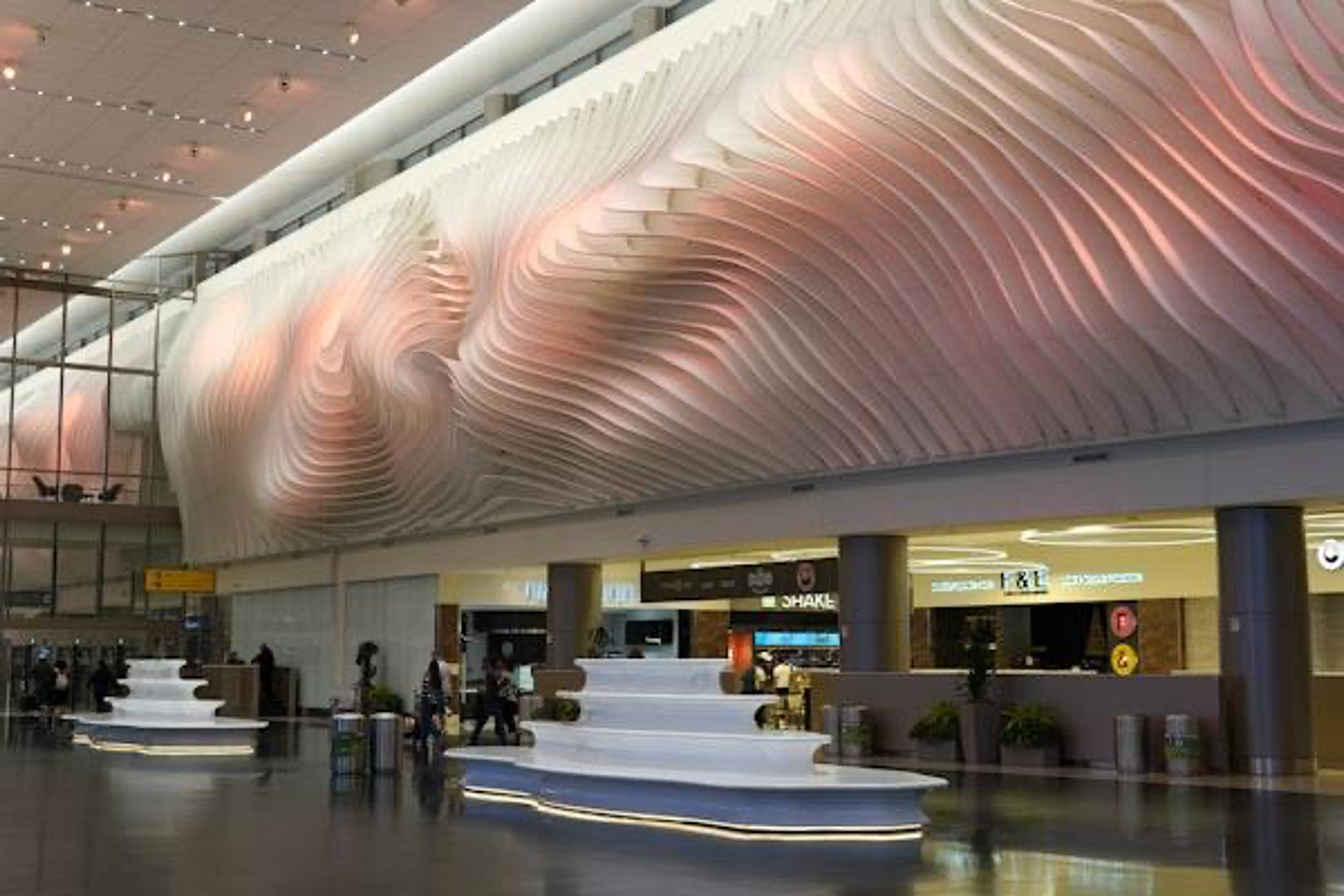
Lighting and Colour for Accurate Pictures
Keep the wall around the display matte and neutral. Bias lighting, a low light behind or near the screen, near 5 cd/m² and matched to D65 reduces eye strain, while separate scenes for music, cinema, and intermission keep the room usable without washing out the picture.

Streaming, Sources, and High-Resolution Audio
Hardwire the display and main streamer where you can. Budget 15 Mbps for each active 4K stream, and remember that Apple Music can reach 24-bit/192 kHz while TIDAL’s HiRes FLAC reaches the same ceiling. A proper external DAC and a planned USB or optical input may matter more than one more decorative shelf.
How to Track Success and Prove It to a Client
Measure the room, because polished finishes can still hide weak performance.
Check background noise at night with a sound level meter and verify that dialogue stays clear at everyday volume. Run frequency sweeps or room-correction measurements to see whether bass changes wildly from seat to seat.
Confirm the viewing angle from the main seat, check for glare, and log 4K bandwidth plus Wi-Fi strength before sign-off. A short test playlist and scene list can reveal problems faster than a long demo reel.
Make Music and Design Work Together
The best rooms feel calm because every design choice supports what you hear and see.
Luxury is not about playing louder. It is about getting cleaner dialogue, steadier bass, and a picture that stays natural through a full movie night.
Start with speaker geometry and seating angles, add acoustic treatment that looks intentional, and finish with lighting and materials that help both ears and eyes. The result is a room that performs now and upgrades cleanly later.
FAQ
Most planning questions come down to room size, upgrade goals, and how you actually use the space.
Do I Really Need 7.1.4?
No. A 5.1.2 system already adds clear overhead cues, while 7.1.4 mainly helps larger rooms or two rows.
What Is the Ideal Viewing Distance?
Choose by angle, not by screen brand. Around 36° feels cinematic, and 30° feels more relaxed.
Are Up-Firing Atmos Modules Acceptable?
Yes, when ceiling cuts are not possible. In-ceiling speakers still place overhead sounds more precisely.
Do I Need an External DAC for Apple Music High-Resolution Audio?
Yes, if you want full 24-bit/192 kHz playback. Standard lossless works on more devices without extra hardware.
How Quiet Should the Room Be?
As quiet as you can make it. A dedicated theatre usually benefits from a target in the mid-30s dB LAeq.
Can I Combine a Piano With a Cinema Room?
Yes. Keep it out of first-reflection paths, use a rug below it, and close the lid during movie nights.
Recliners or Sofa?
Either can work if sightlines and ear height stay correct. Powered headrests make that easier during long sessions.