Introduction
Architecture styles are more than just aesthetics—they shape how we live, how our homes function, and how much value they hold in the market. In 2025, homeowners are balancing timeless designs with modern adaptations, finding ways to preserve tradition while embracing new trends like biophilic living and natural modernism. Choosing or updating an architectural style isn’t just about beauty—it’s also about lifestyle fit and long-term investment.
This article explores the most popular home styles of 2025, emerging design trends, and how to adapt and protect these styles through thoughtful planning and proper maintenance.
The Importance of Architecture Style
Curb Appeal and Resale Value
Data shows that certain styles appreciate faster than others. Craftsman, Ranch, and Contemporary homes have gained the most value in recent years, while Colonial and Traditional designs remain the most common on the market. Buyers are often drawn to homes that fit current design expectations, meaning the style of your property has a direct impact on resale.
Lifestyle and Functionality
Architecture isn’t only about looks—it’s about livability. A Ranch home offers easy accessibility with its single-story layout, while Contemporary styles appeal to families seeking open floor plans and natural light. Understanding how design affects everyday life helps homeowners choose the right upgrades and investments.
Classic Home Styles Holding Strong in 2025
Craftsman Homes
Recognized for their detailed woodwork, covered porches, and warm character, Craftsman homes remain highly desirable. Their timeless appeal continues to drive strong appreciation in today’s market.
Ranch Homes
Popular for their efficiency, Ranch homes offer single-level layouts with functional designs. They’re especially attractive for aging-in-place buyers and families who prefer simple flow and accessibility.
Contemporary Homes
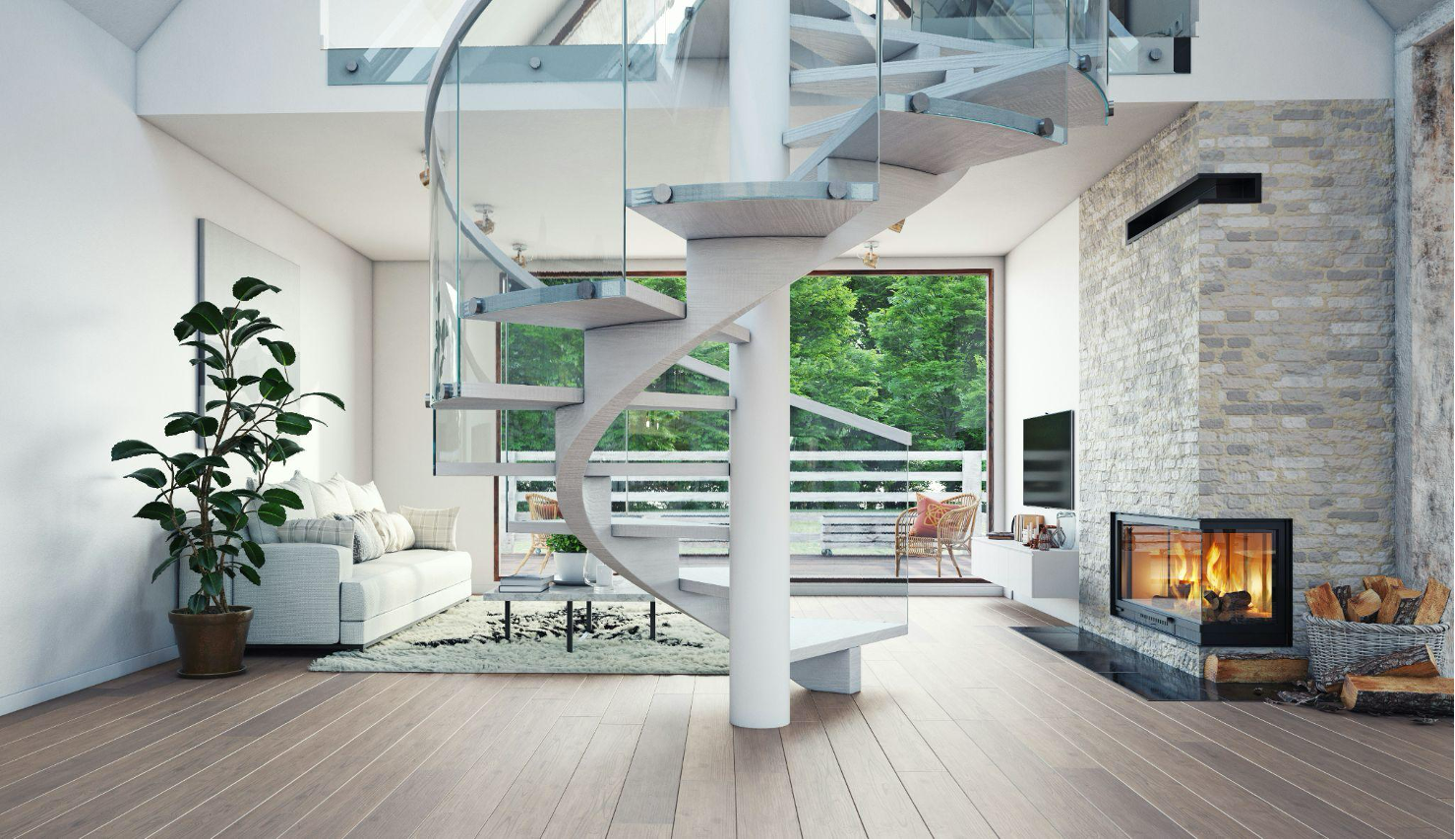
Characterized by clean lines, large windows, and indoor-outdoor integration, Contemporary homes are thriving in California’s suburban and urban settings. They bring in natural light and adapt easily to modern lifestyles.
Modern Favorites and Adaptations
Modern Farmhouse
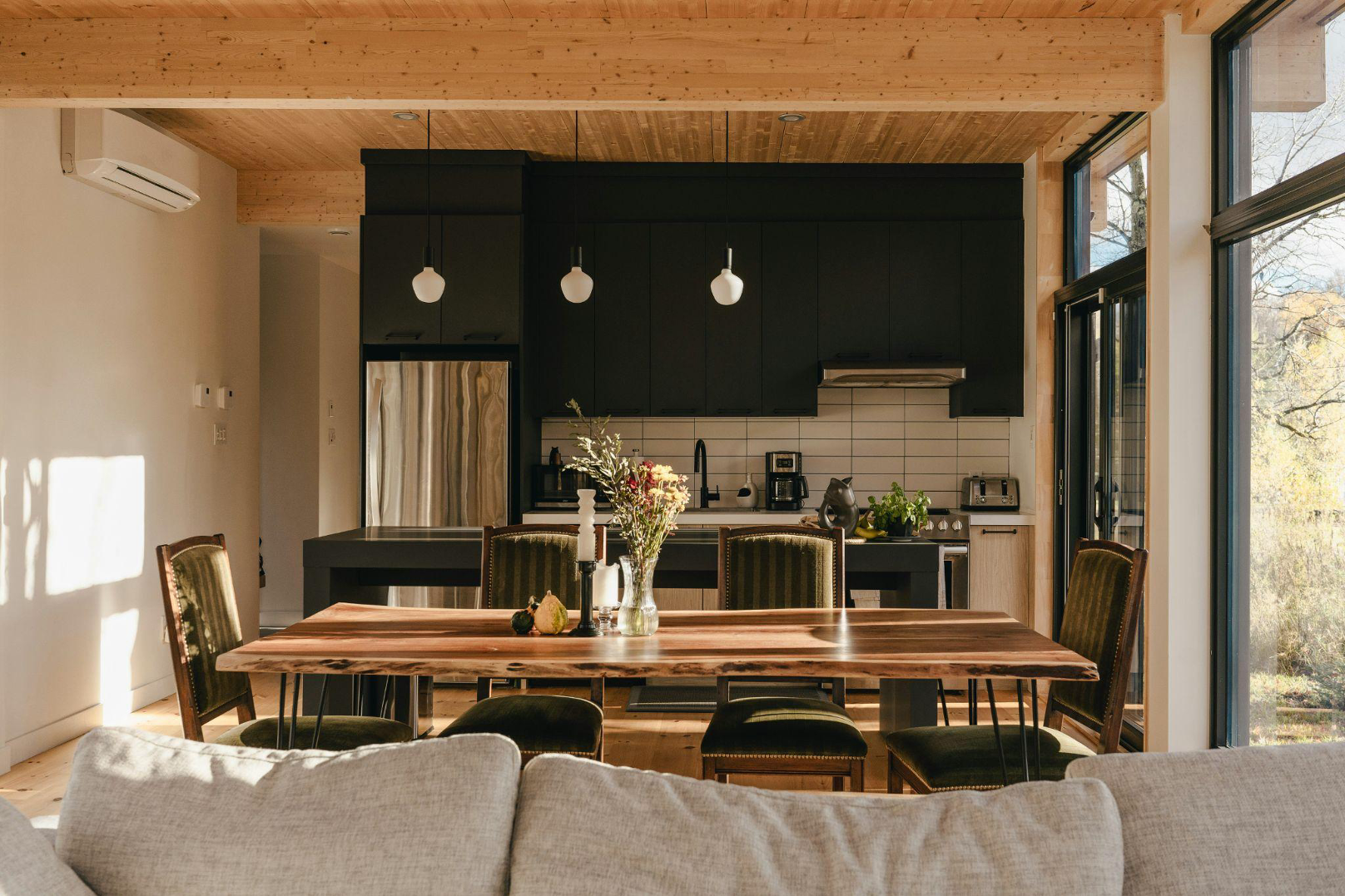
The farmhouse style has evolved into a hybrid of rustic charm and sleek minimalism. Exposed beams and barn-inspired exteriors are paired with modern finishes for a look that feels both fresh and inviting.
Industrial Style
Open layouts with exposed steel, brick, and concrete give homes a distinctive edge. Once common in urban lofts, this style is now influencing suburban remodels.
Colonial and Traditional
Still widely available across the U.S., these homes often require updates for modern living. Interior renovations and energy-efficient upgrades can keep them competitive while preserving their character.
Emerging Architecture Trends in 2025
Natural Modernism
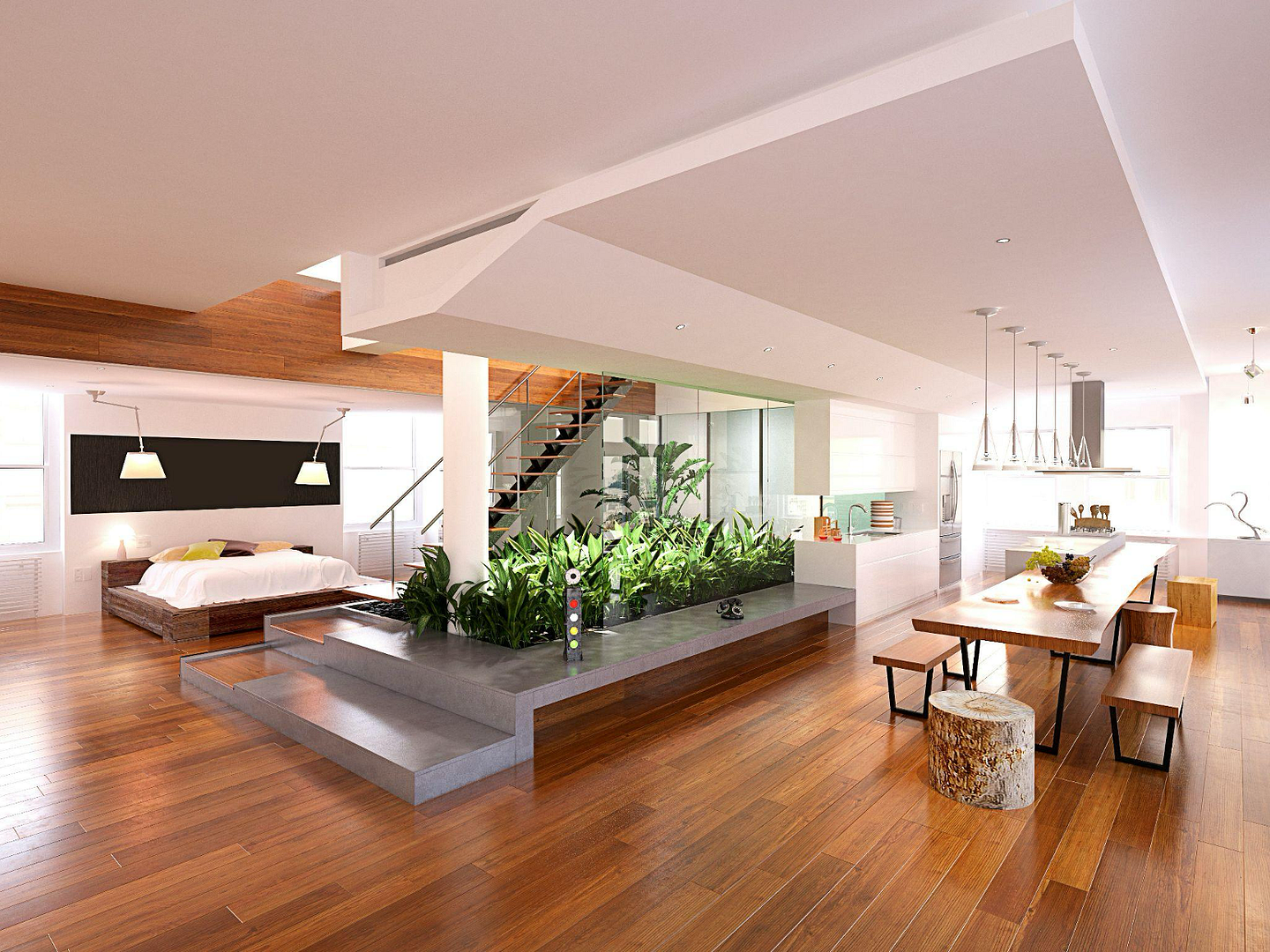
This trend blends clean architectural lines with organic materials like wood, stone, and glass. The goal is to create seamless transitions between indoor and outdoor living.
Biophilic Design
Wellness-focused architecture is on the rise. Biophilic homes emphasize greenery, natural ventilation, and water features to improve both comfort and sustainability.
Eclectic and Maximalist Revival
After years of minimalist dominance, bold and layered design is making a comeback. Colorful exteriors, personalized interiors, and eclectic mixes of styles allow homeowners to tell their own story through design.
Designing and Adapting Homes to These Styles
The Role of Professional Design
Adapting a home to fit current or emerging architectural styles often requires more than surface-level changes. Working with professionals like Golden State Design & Engineering ensures that remodels or new builds align with structural needs, climate considerations, and personal design goals.
Material and Layout Decisions
Choosing the right materials and layouts is key to staying true to an architectural style. For example, maximizing natural light complements Contemporary design, while Ranch homes often benefit from structural expansions that maintain flow and accessibility.
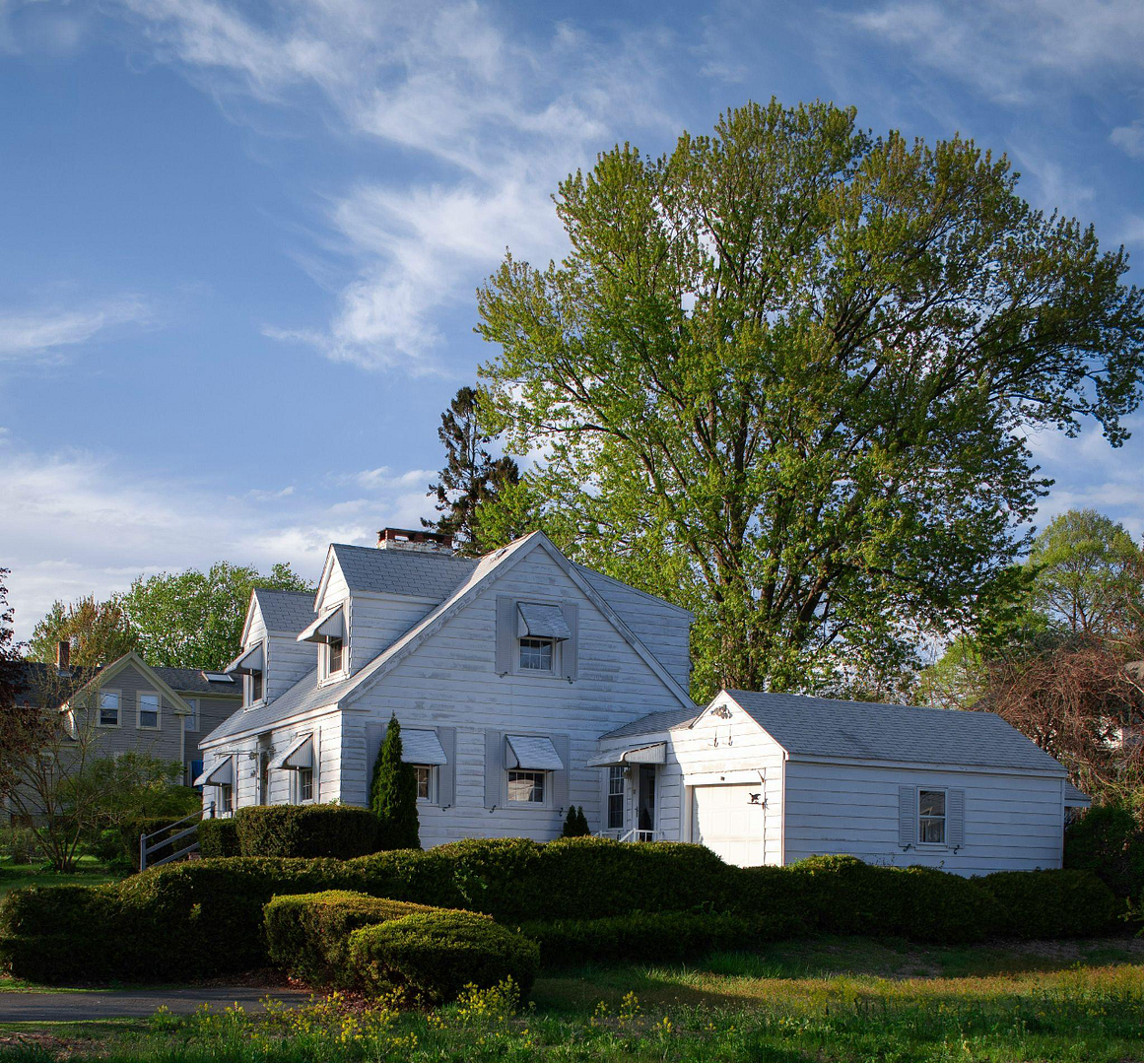
Protecting Architectural Styles with Proper Maintenance
Siding, Roofing, and Exterior Care
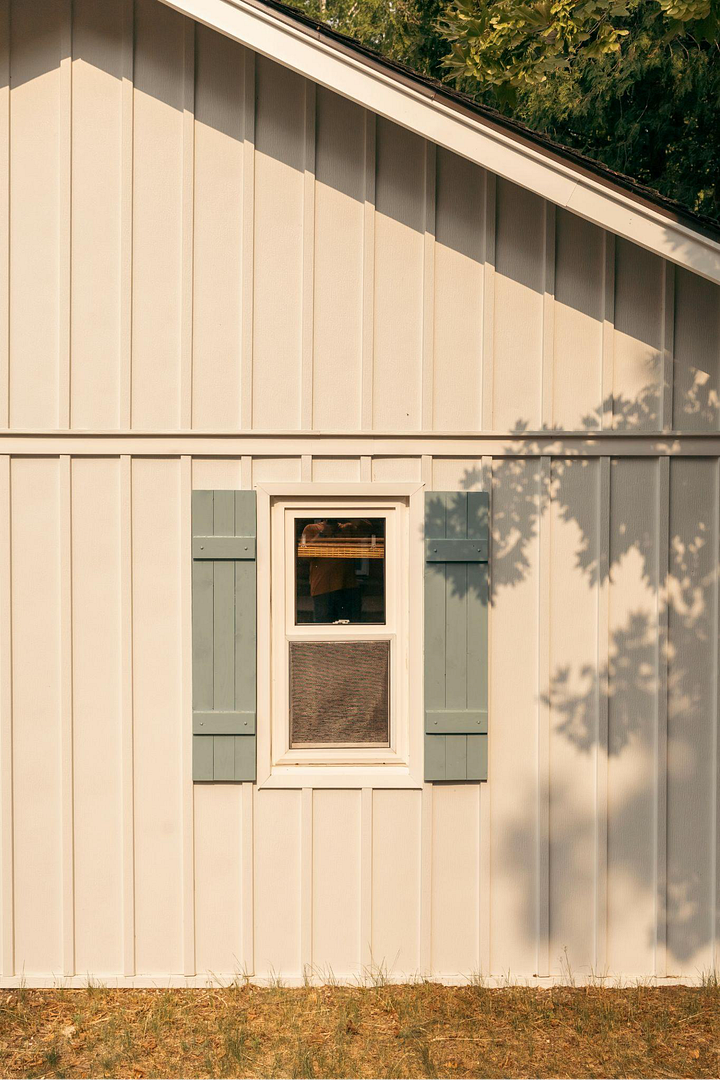
The exterior of a home plays a critical role in defining its architectural identity. Craftsman and Farmhouse homes, in particular, rely on detailed siding and trim work. Using durable materials helps protect against weathering and preserves the design’s character.
Expert Support for Long-Term Preservation
Homeowners can rely on Pro Superior Construction for expert siding upgrades and exterior preservation. Professional support ensures that a home’s style not only looks authentic but also remains structurally sound for decades to come.
Quick Guide for Homeowners in 2025
- Identify your home’s architectural style and unique features.
- Research how your style is performing in today’s market.
- Align upgrades with design consistency—kitchens, siding, or energy-efficient features.
- Consult design professionals for major remodels or additions.
- Maintain exteriors to protect both style and value.
Conclusion
Home architecture styles in 2025 are evolving, blending tradition with modern innovation. Whether you own a Craftsman, Ranch, or Contemporary property—or want to embrace new trends like biophilic design—your home’s architecture has a direct impact on its livability and long-term value. By working with design experts and maintaining exteriors with durable materials, homeowners can ensure their property reflects both timeless beauty and modern functionality.