Family tension often builds through routine. School mornings, work deadlines, family responsibilities, and constant reminders pile up in ways that feel normal until they start showing up as short tempers or restless energy. A change of environment can loosen this pressure without conversations or planning. New surroundings interrupt familiar reactions. Parents stop anticipating the next task, and kids stop responding to the same cues that usually trigger frustration.
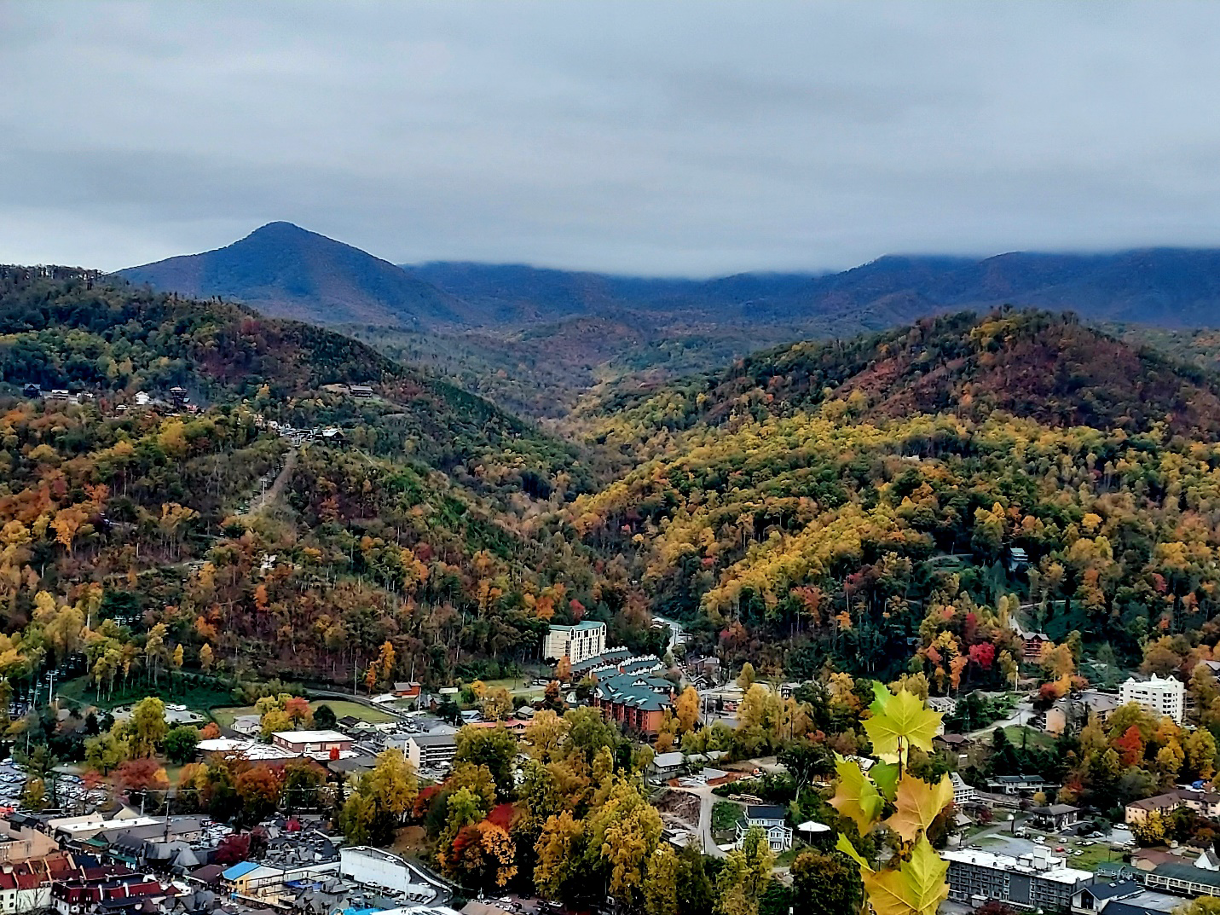
Visiting Gatlinburg places families into this reset quickly, as the setting encourages looking outward rather than staying locked into daily habits. Streets feel slower, views pull attention upward, and activities tend to happen together rather than separately. As such, this allows tension to release naturally as days move forward without constant correction or control.
Let’s explore more about this below:
Open Views
Wide open views change how families hold their attention. Eyes move away from screens and schedules and settle on something shared. Kids pause longer once scenery feels new, and parents notice fewer attempts to rush the moment along. Everyone stands still for a few seconds without being asked to do so.
Gatlinburg SkyPark, for example, creates such shared pauses. Elevated views invite families to look outward together and react in real time. Standing on the SkyBridge often brings families to a stop at the same spot, with kids pointing out landmarks below and parents taking a moment to take in the scale of the mountains together, which turns the pause into a clear, shared experience rather than a passing glance. Staying close by, especially in cabins, helps this feeling last beyond the attraction itself. Cabins allow families to remain in the same calm headspace rather than jumping back into traffic or noise. Timber Tops Cabin Rentals supports this closeness by keeping lodging tucked into the surroundings, which helps families carry that calm from the view into the evening.
Sensory Reset
New environments change the senses in subtle ways. Different sounds replace familiar noise, and fresh air changes how bodies react throughout the day. Kids respond quickly to those changes, often without realizing why. Parents feel the difference through quieter moments and fewer reactive behaviors.
Sensory changes also slow mental looping. Familiar stress signals lose strength once the surroundings feel unfamiliar. Attention moves toward noticing details rather than replaying routines. This reset helps families settle into a calmer rhythm without discussing mood or behavior.
Natural Movement
Movement happens differently in new places. Walking becomes part of discovery rather than a task. Kids climb, wander, and explore without feeling directed. Parents move alongside them instead of urging them forward.
This steady movement releases energy throughout the day. Restlessness fades once bodies stay active without pressure. Families return to lodging feeling pleasantly tired rather than overstimulated. Calm grows through motion that feels natural rather than scheduled.
Outdoor Calm
Outdoor spaces invite a slower pace without instruction. Open air creates room to spread out and breathe more steadily. Kids pause to look around, and parents stop checking the time so often.
Nature guides the flow of the day. Paths, overlooks, and quiet corners shape movement gently. That guidance removes the need for constant decisions. Calm settles in through shared space rather than forced quiet.
Stress Fades
Distance from daily routines weakens familiar triggers. Arguments tied to homework, chores, or time pressure lose relevance. Kids react to the moment rather than expectations carried from home.
Parents notice the difference quickly. Responses soften once reminders and rules step back. Families interact more freely without the weight of routine pressing in. This space allows tension to release through simple presence rather than correction.
Unplanned Pauses
New environments create pauses without asking for them. Moments of stillness appear naturally during walks, while looking out over a view, or during quiet stretches between activities. Kids stop talking for a second. Parents stop thinking about what comes next. Nobody announces a break, yet it happens anyway.
Those pauses matter because they arrive without resistance. At home, stillness often needs prompting. On a trip, it shows up through surroundings that invite observation. Families slow down together, which helps release nervous energy without effort. Calm grows through these small, unplanned moments that feel genuine rather than scheduled.
Curiosity Takes Over
Curiosity takes attention away from mental overload. New surroundings invite questions, reactions, and exploration. Kids focus on what they see rather than what they are supposed to do next. Parents follow that curiosity instead of directing it.
Plus, shared interests change how families interact. Conversations turn toward discovery rather than reminders. Everyone stays mentally present because the environment offers something new at every turn. Curiosity acts as a reset, pulling attention outward and easing tension that usually builds through repetition.
Free Play
Free play emerges easily in unfamiliar settings. Kids create games from their surroundings rather than toys. Rocks become obstacles, open spaces turn into imaginary paths, and movement happens without instruction.
Parents notice fewer interruptions during free play. Kids stay occupied through imagination rather than guidance. This independence supports calm behavior. Parents relax once they no longer need to referee or organize. All in all, play becomes a release rather than a responsibility.
Screen Distance
Screens naturally fade into the background during trips rooted in new environments. Visual stimulation comes from the surroundings rather than devices. Kids stay engaged through movement, views, and shared moments.
Parents benefit from that distance as well. Fewer screens reduce mental noise. Conversations happen face to face rather than across devices. Attention stays anchored in the moment. This shared focus supports a calmer group dynamic without rules or limits needing enforcement.
Shared Alignment
Group experiences align emotions across family members. Everyone reacts to the same moment at the same time. Laughter spreads quickly, and curiosity feels shared rather than individual.
This alignment reduces emotional friction. Families move through experiences together rather than separately. Reactions sync naturally. Calm grows once everyone feels connected to the same rhythm of the day.
Trust Through Challenge
Small challenges strengthen trust quietly. Crossing a bridge, navigating a trail, or trying something new together builds confidence. Kids feel supported rather than pushed. Parents shift from directing to encouraging.
Shared challenges deepen connection. Families rely on one another without stress, and this way, success feels collective. This shared trust carries into later moments, shaping calmer interactions throughout the trip.
New environments offer families a chance to release built-up tension without fixing anything directly. Calm develops through shared attention, movement, curiosity, and space. Familiar stress loses its grip once surroundings change and routines loosen. Trips shaped around discovery rather than control give families room to breathe together. This space allows tension to fade naturally, leaving behind connection, trust, and lighter memories that last beyond the trip itself.