
Wellness has become a defining part of modern lifestyles, influencing everything from nutrition and fitness to mental health and daily self-care routines. As consumers increasingly prioritize convenience and digital accessibility, healthcare services are also evolving to fit these changing expectations. Online pharmacies are becoming an important part of modern wellness culture by offering easier access to medications, healthcare products, and wellness support through digital platforms that align with fast-paced, technology-driven lifestyles.
The Rise of Digital Wellness Culture
Modern wellness is no longer limited to gym memberships or healthy eating habits. Consumers are now integrating digital tools into nearly every aspect of personal health management, including telehealth services, wellness apps, and online healthcare platforms.
An online pharmacy fits naturally into this shift toward digital wellness by allowing individuals to manage prescriptions, order healthcare products, and access medication support from their homes. This convenience reflects broader lifestyle trends where people increasingly value flexibility, accessibility, and time-saving healthcare solutions.
Convenience as a Modern Lifestyle Priority

Busy work schedules, travel, and constantly connected lifestyles have changed how people approach healthcare. Traditional pharmacy visits may not always fit easily into demanding routines, especially for individuals balancing professional and personal responsibilities.
Online pharmacy services simplify this process by offering home delivery, digital prescription management, and flexible ordering systems. These features make healthcare more accessible while reducing many of the inconveniences associated with in-person pharmacy visits.
Wellness, Privacy, and Personalized Healthcare

Modern consumers are placing greater emphasis on privacy and personalized experiences when managing their health. Some individuals prefer more discreet ways to access medications and healthcare products, particularly when dealing with sensitive or ongoing health concerns.
Many people using an online pharmacy appreciate the ability to manage prescriptions privately while maintaining greater control over their healthcare routines. Digital healthcare platforms also allow for more personalized communication and support, contributing to a more comfortable patient experience.
Technology Reshaping Healthcare Accessibility
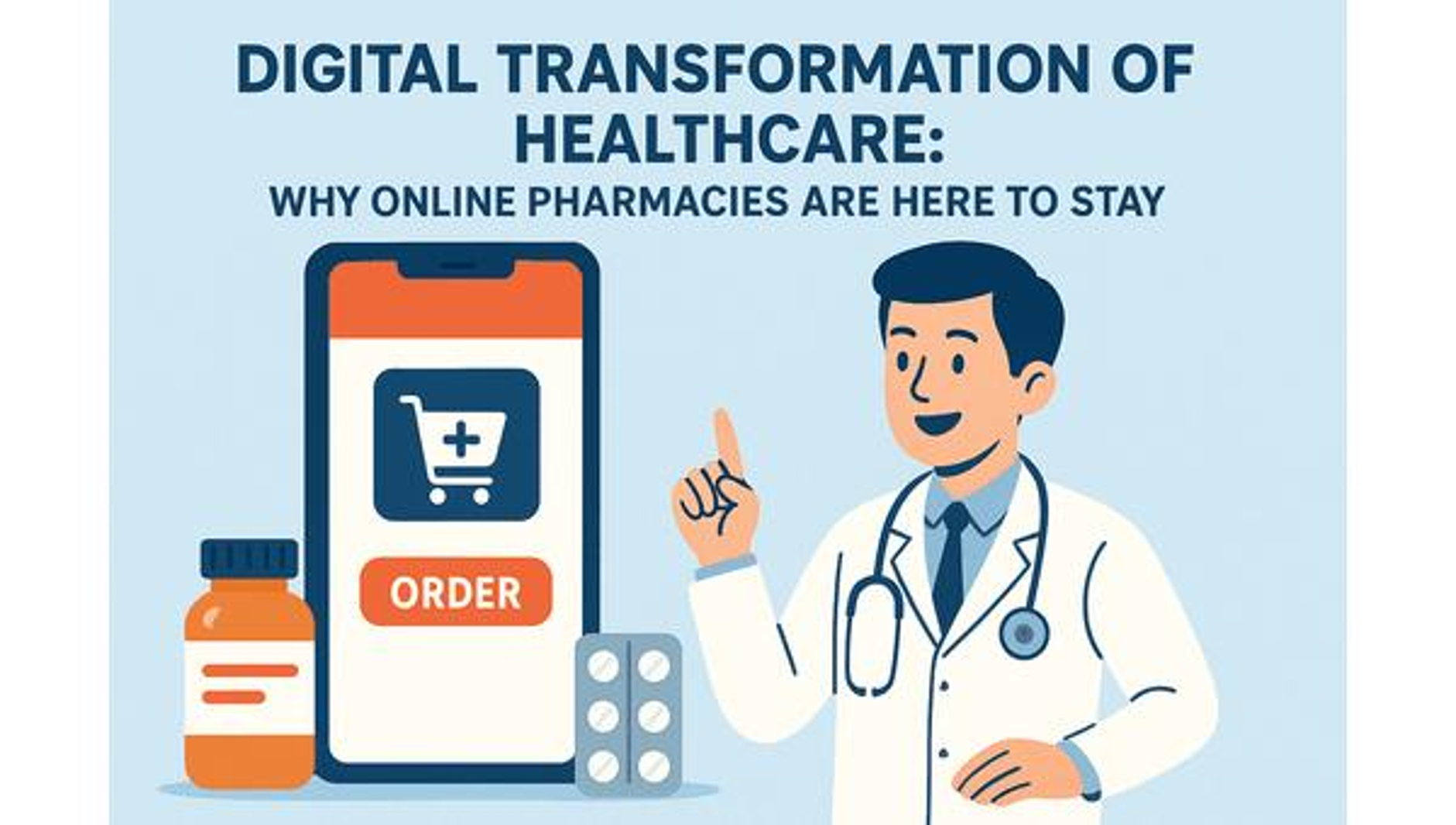
Technology continues to transform the healthcare industry by improving how patients interact with healthcare providers and services. Electronic prescriptions, telemedicine, secure payment systems, and digital medication tracking tools have all contributed to the growth of online healthcare platforms.
These innovations make healthcare management more efficient and integrated into daily life. As digital healthcare ecosystems continue to expand, online pharmacies are becoming more closely connected to broader wellness and preventive care trends.
The Influence of Wellness-Focused Consumer Habits
Consumers today are more proactive about health management than previous generations. Preventive healthcare, nutritional support, mental wellness, and self-care routines are now central parts of many people’s lifestyles.
This growing focus on wellness has increased interest in healthcare solutions that feel accessible, flexible, and aligned with everyday habits. Online pharmacies support this shift by helping consumers integrate medication management and healthcare access more seamlessly into modern routines.
The Future of Online Pharmacies in Wellness Lifestyles
The growing popularity of online pharmacies reflects broader cultural changes in how people approach health, wellness, and convenience. Consumers increasingly expect healthcare services that match the accessibility and efficiency of other digital lifestyle platforms.
As digital healthcare technology continues evolving, online pharmacies are likely to play an even larger role in modern wellness ecosystems. Their ability to combine convenience, privacy, and accessibility positions them as an important part of how future consumers manage both healthcare needs and overall well-being.