
Starting a hat brand once meant embroidery machines, bulk factory orders, and a warehouse full of stock. Print on demand has removed most of that burden, letting anyone launch a headwear line from a laptop.
Instead of manufacturing hats yourself, you focus on the brand and the artwork. Production, quality control, and shipping are handled after each order comes in, so there is nothing sitting on a shelf waiting to sell.
This shift has opened the door for designers, side hustlers, and small business owners who never wanted to touch a sewing machine. All they need is a strong idea and a platform that can turn that idea into a physical product on demand.
The financial risk that used to stop most people from starting has largely disappeared with this model. Instead of committing thousands of dollars to a factory minimum, a founder can launch with the price of a single sample hat.
Why Hats Are a Smart Product to Start With
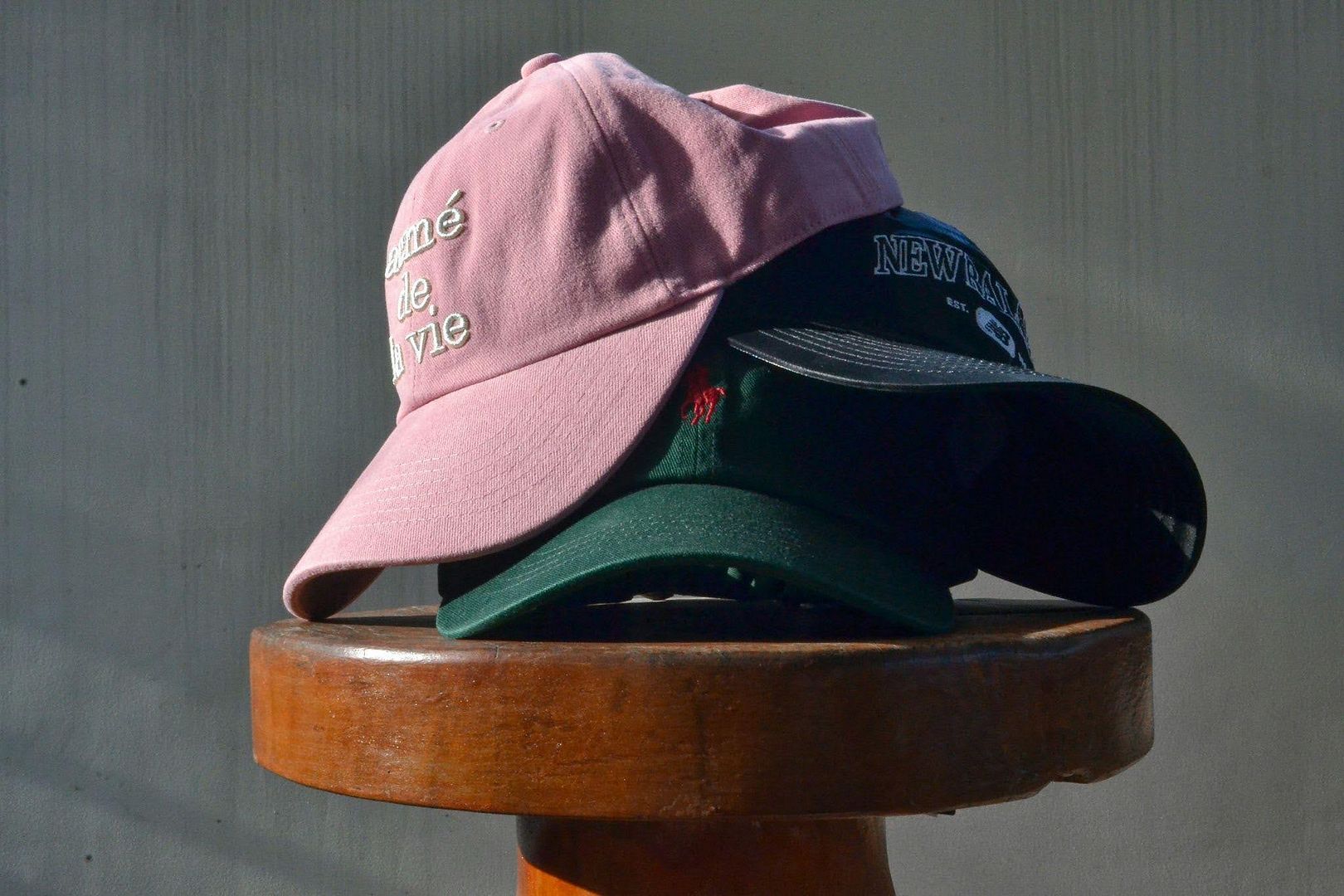
Headwear has stayed one of the most consistent categories in fashion e-commerce for years. It is affordable to produce, easy to ship, and flattering across almost every body type and age group.
A hat also works as a walking billboard for a brand. Every customer who wears one in public becomes free advertising for the logo or design on the front panel.
Compared to full apparel lines, hats are simpler to size and stock. There is no worrying about a dozen size variants per style, which keeps the catalog lean and the decision-making easy for shoppers.
Hats also travel well through both search and social media. A single photo of someone wearing a bold design can drive as much interest as a full outfit shoot, which makes them cheap to market.
How Print on Demand Removes the Manufacturing Barrier

Print on demand flips the traditional retail model on its head. A design is only produced once a customer actually pays for it, which means zero unsold inventory and no upfront production cost.
The basic flow looks like this: you create or upload a design, connect it to a hat style in a catalog, and publish the product to your store. When an order comes in, a fulfillment partner prints or embroiders it, packs it, and ships it directly to the customer.
This is where a print-on-demand platform like Printful, with its free tool for custom hat design, becomes useful. It supplies the blank hats, the decoration equipment, and the fulfillment network, so a solo entrepreneur can operate like a full production company without owning any of the physical infrastructure.
Printful operates as a print on demand and dropshipping partner rather than a marketplace itself, connecting to stores built on Shopify, Etsy, WooCommerce, and other platforms. Once a customer places an order, it handles everything from embroidery and printing to packing and worldwide shipping.
Getting Started With Printful’s Hat Catalog
Printful stands out because it does not require a store or a bulk order to get going. You can open the catalog, choose a hat style you like, apply your artwork through the built-in editor, and place an order for a single unit without any minimum requirement.
That single-hat option matters more than it sounds. It means you can test a design on yourself or a friend before ever listing it publicly, which lowers the risk of building a whole product line around an idea nobody wants.
The process itself is designed to be fast. Pick a blank from styles like trucker hats, dad hats, snapbacks, or bucket hats, drop your logo or text onto the mockup, preview it in real time, and check out.
Beyond the practical convenience, this model also gives founders room to experiment. A design that flops can be quietly retired without any leftover stock to deal with, and a new idea can go live the same day.
Choosing the Right Decoration Method
Not every design suits every technique, and this is where a bit of planning pays off. Simple logos and text usually look cleanest with regular embroidery, since the raised stitching holds sharp lines and lasts through years of washing.
Detailed or multicolor artwork often calls for unlimited color embroidery or a flexible print method instead. These techniques handle gradients, shading, and busy graphics that traditional stitching would flatten into a blur.
Matching the technique to the artwork is part of what separates a brand that looks professional from one that looks like a rushed side project. Spending a few extra minutes previewing the mockup before ordering saves a lot of disappointment later.
For sellers running an all-over graphic instead of a simple front-panel logo, sublimation printing is usually the better fit. It covers the whole surface edge to edge without cracking or fading the way a standard print might over time.
Step 1: Define a Clear Brand Identity
Before touching any design software, decide who the hats are actually for. A streetwear audience wants something very different from a golf crowd or a pet-lovers community, and trying to please everyone usually pleases no one.
Write down the tone, the color palette, and the kind of person who would proudly wear the hat outside. That short exercise will guide every design decision that follows.
It also helps to look at what similar brands are already doing well, without copying them outright. Noticing gaps in a niche, like a color scheme nobody else is using, can turn into an easy edge.
Step 2: Design With Consistency in Mind
Random one-off graphics rarely build a recognizable brand. Successful hat lines tend to repeat a signature color, a consistent logo placement, or a recurring phrase across every product.
Whether the artwork comes from an in-house designer or a freelance graphic artist, the goal is the same. Every new release should feel like it belongs next to the last one.
It also pays to test how a design translates onto different hat shapes before publishing it widely. A logo that looks sharp on a structured trucker hat might need adjusting to sit right on a curved dad hat brim.
Step 3: List Products With Real Detail
A product page with a vague title and one photo will not convert well. Use descriptive names, explain the material and fit, and include a mockup that shows the design from more than one angle.
Search intent matters here too. Shoppers often type specific phrases into Google, so weaving natural terms related to custom hat design into your titles and descriptions helps the right customers actually find the listing.
Step 4: Choose Where You Sell
Marketplaces like Etsy and eBay bring built-in traffic that a brand-new store simply does not have on day one. They are especially strong for gift shopping and niche, personality-driven products like hats.
A standalone Shopify or WooCommerce store, on the other hand, gives full control over branding and customer data. Many sellers eventually run both, using marketplaces for discovery and their own store for loyal repeat buyers.
Step 5: Automate the Fulfillment Side
Manually placing every order would defeat the purpose of print on demand. Connecting your store to Printful automates that entire step, so a sale on your website or marketplace listing triggers production and shipping without you lifting a finger.
This kind of automation is what allows one person to run a brand that looks and feels much bigger than it actually is. Printify offers a similar model for sellers who want to compare providers or split production across multiple partners.
Common Mistakes New Hat Brands Make

A weak or overly broad niche is one of the most frequent early mistakes. Trying to appeal to everyone usually means the branding feels generic and forgettable.
Inconsistent design direction is another common trap. Publishing whatever design trend is popular that week, instead of sticking to a clear visual identity, makes it harder for customers to remember or recognize the brand later.
Ignoring product page SEO is a third mistake that quietly costs sales. Even a great design will not sell if nobody can find the listing through search.
Why Quality and Support Still Matter
Even in an automated business, the physical product still has to hold up. Printful quality-checks each hat for a consistent fit, and covers a reprint or refund if something arrives with a manufacturing error.
Reliable customer support behind the scenes also protects the brand’s reputation. When a buyer has a sizing question or a shipping concern, having a responsive team on the fulfillment side keeps that experience smooth for the end customer.
The Bigger Picture for Hat Entrepreneurs
Print on demand has lowered the barrier to entry so far that a hat brand can now start with a single design and a single order. There is no factory contract to negotiate and no warehouse lease to sign before the first sale happens.
That accessibility does not mean success is automatic, though. Brand identity, consistent design, smart marketplace choices, and solid SEO still separate the brands that grow from the ones that quietly disappear.
For anyone who has been sitting on a hat idea, the technical barrier is essentially gone. Open a catalog, pick a hat, apply the artwork, and see how it looks before committing to anything bigger than a single unit.



