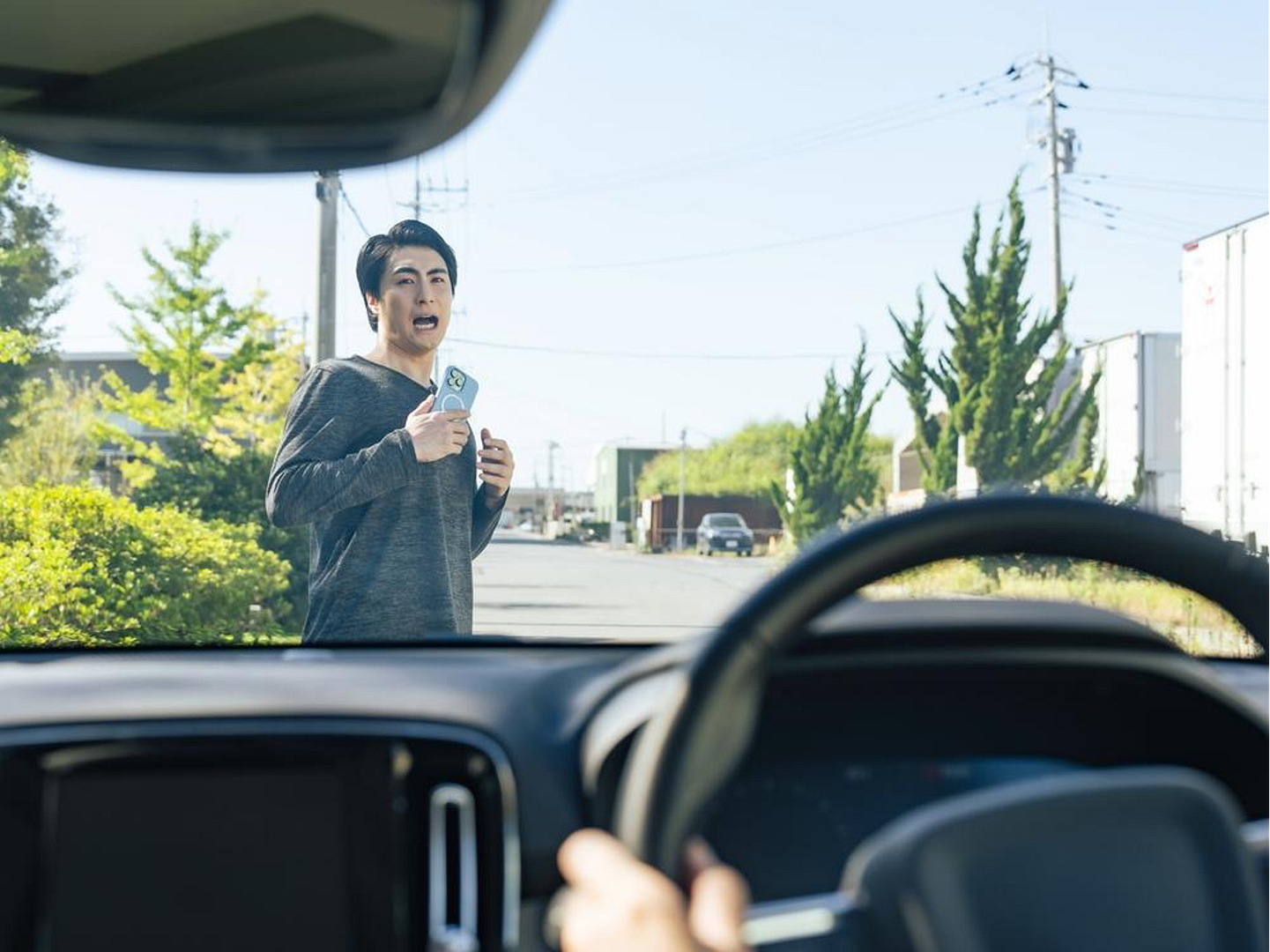
A simple walk across the street shouldn’t come with risk, but pedestrian accidents can happen when least expected. In a city like St. Louis, where traffic, intersections, and foot traffic often overlap, these incidents can lead to serious consequences in a matter of seconds. Unlike drivers, pedestrians have little protection, which makes the aftermath of an accident especially overwhelming.
In those early moments, it’s not always clear what steps to take or how to protect yourself moving forward. Many people begin by trying to understand their options, including whether speaking with pedestrian accident lawyers in St. Louis might help them make sense of the situation. While every case is different, the actions taken shortly after an accident can have a lasting impact.
Focus on Safety and Medical Attention First
After a pedestrian accident, your health should always come first. Even if injuries appear minor, it’s important to seek medical attention as soon as possible.
Some injuries, such as internal trauma or head injuries, may not show symptoms right away. Getting evaluated early not only supports your recovery but also creates a record that connects your injuries to the accident. This documentation can become important later if questions arise about what happened.
Document the Scene and Gather Information
If you are able to do so safely, gathering information at the scene can help provide clarity later on. Pedestrians often don’t think about collecting evidence in the moment, but small details can make a difference.
Try to collect:
- Photos of the scene, including crosswalks, traffic signals, and the vehicle involved
- Contact information for the driver and any witnesses
- Notes about the time, location, and conditions at the time of the accident
In a busy environment like St. Louis, where traffic patterns and visibility can vary, these details help build a clearer picture of how the accident occurred.
Be Careful with What You Say
After an accident, conversations can happen quickly—with drivers, bystanders, or insurance representatives. While it’s natural to want to explain what happened, it’s important to be mindful.
Avoid making statements about fault or apologizing, as these comments can sometimes be misunderstood. Keeping your communication simple and factual can help prevent confusion later. It’s also wise to be cautious when speaking with insurance companies, especially when asked to provide detailed or recorded statements.
Understand That Liability May Not Be Simple
Many people assume that drivers are always at fault in pedestrian accidents, but liability is not always straightforward. Several factors can influence how responsibility is determined.
These may include:
- Whether traffic signals or crosswalks were followed
- Visibility conditions at the time of the accident
- The actions of both the driver and the pedestrian
Because of these variables, building a clear understanding of what happened is essential. This is often where individuals begin to explore their options further, including connecting with pedestrian accident lawyers in St. Louis, MO, to better understand how responsibility may be evaluated.
Keep Track of the Impact on Your Daily Life
The effects of a pedestrian accident often extend beyond the initial injury. Recovery may involve medical appointments, time away from work, and changes to your daily routine.
Keeping records of these impacts can be helpful. This may include:
- Medical bills and treatment plans
- Lost wages or reduced ability to work
- Physical limitations or ongoing discomfort
These details help show the full extent of how the accident has affected your life, not just the immediate aftermath.
Take Time Before Making Important Decisions
After an accident, there can be pressure to resolve things quickly—especially when dealing with medical costs or insurance claims. However, the full impact of an accident is not always clear right away.
Rushing into decisions, such as accepting a settlement, may mean overlooking future needs. Injuries can take time to fully develop, and financial effects may continue beyond what is initially expected. Taking time to understand your situation can help you make more informed choices.
Conclusion: Small Steps That Help Protect Your Future
A pedestrian accident can disrupt your sense of normalcy in an instant, but the steps you take afterward can help bring clarity and direction. From seeking medical care to documenting the scene and approaching conversations carefully, each decision plays a role in protecting your rights.
In St. Louis, where pedestrians share space with heavy traffic, being informed can make a meaningful difference. While the experience itself may feel overwhelming, taking a thoughtful and steady approach can help you move forward with greater confidence and awareness.