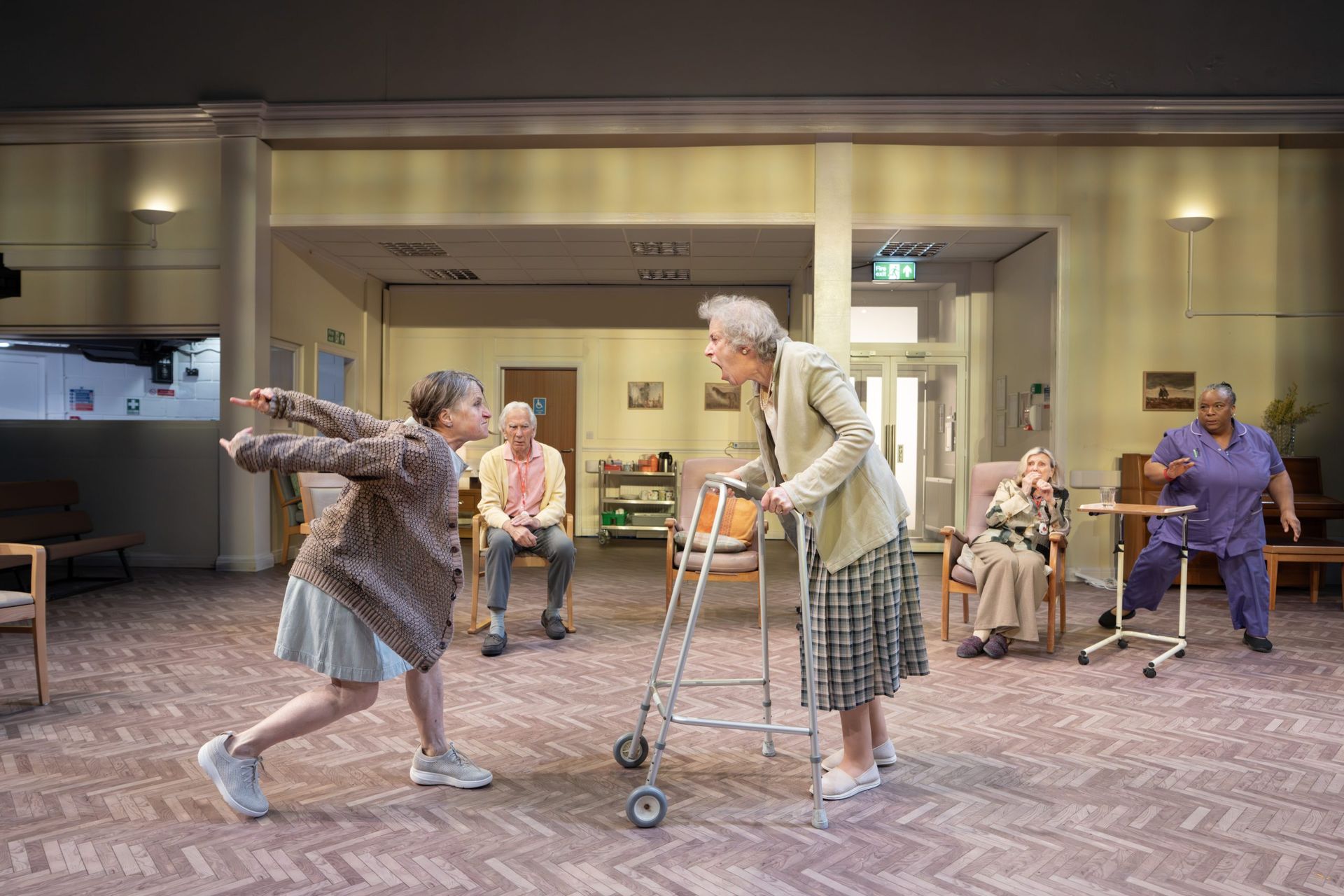
As we enter the auditorium, there is no doubt where we are. The yellow walls – a colour said to represent joy and optimism, known to stimulate the nervous system and aid mental health – are cleverly written into the dialogue as a source of comfort and connection. The random pieces of art on the walls, blithely commented on as pretty despite little thought having gone into their acquisition; the sterile chairs arranged in the round for activities, sharing, and forced leisure time; the coded entry system allowing only the chosen in and out.
A care home, most likely a local authority-funded one, but a care home nonetheless. You could almost smell the bleach, heavily used to cover a multitude of other odours.
For anyone who has any experience of the care system, be that through residents or keyworkers, friends or family, you might already have an idea of what award-winning writer and director Alexander Zeldin’s new play CARE may touch upon. The lack of staff amounting to a lack of time, the indignity of the elderly being left in a state of uncleanliness, the impact of music on the mind and memory, and the pressure on families financially and emotionally are all explored here. Yet Zeldin goes further, taking a deeper and more careful look at the relationships involved, lost and gained, for those in and around a care home situation.
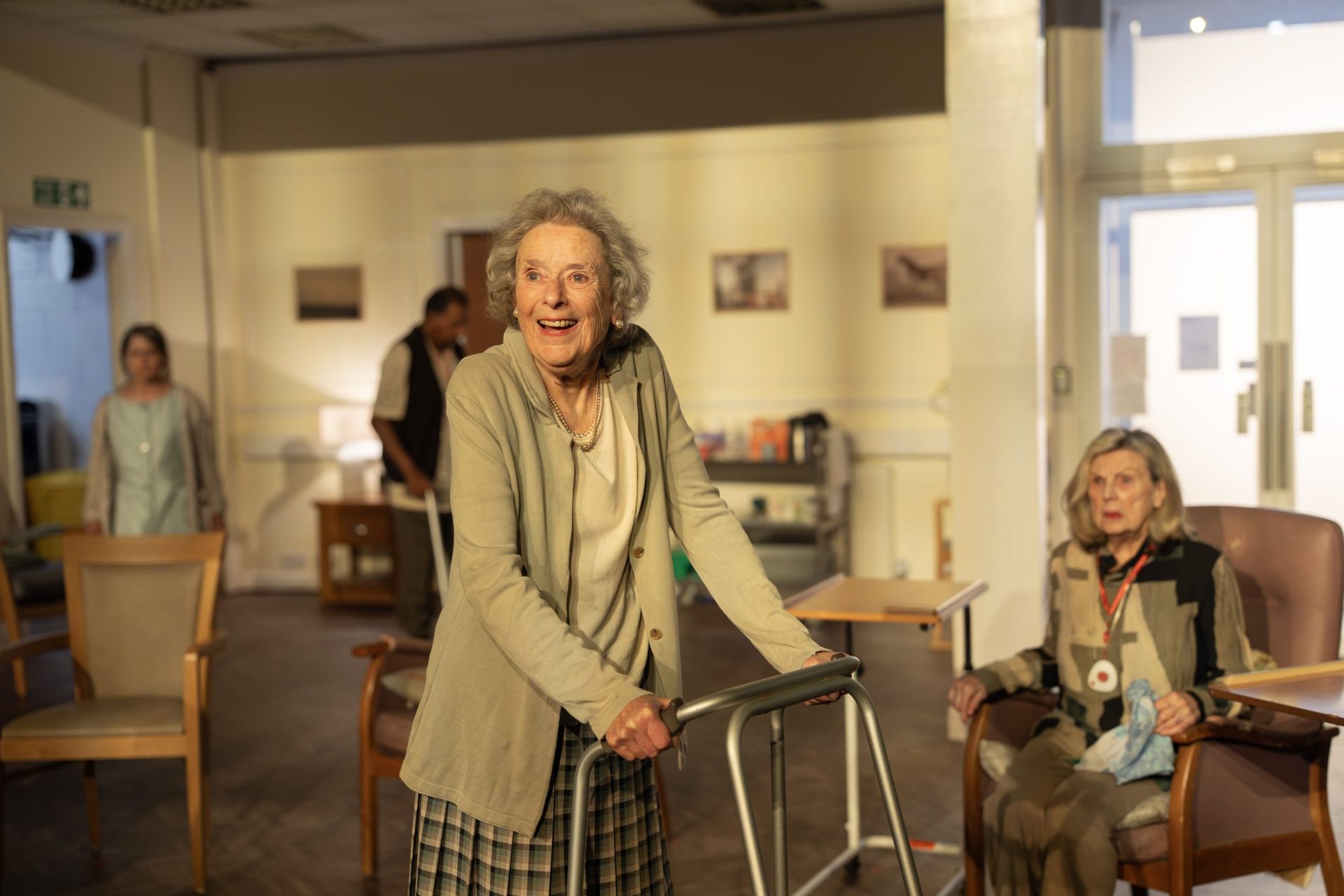

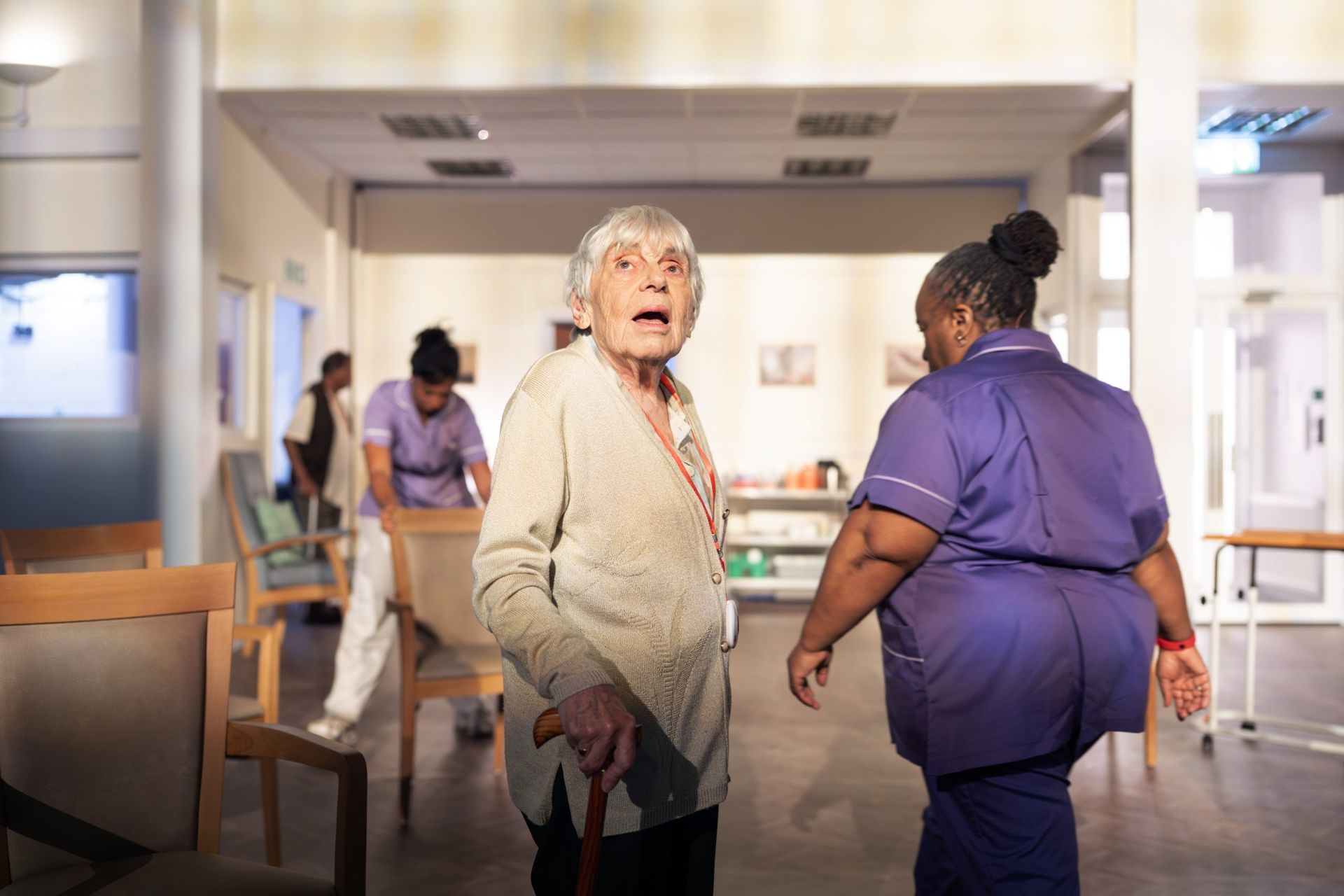
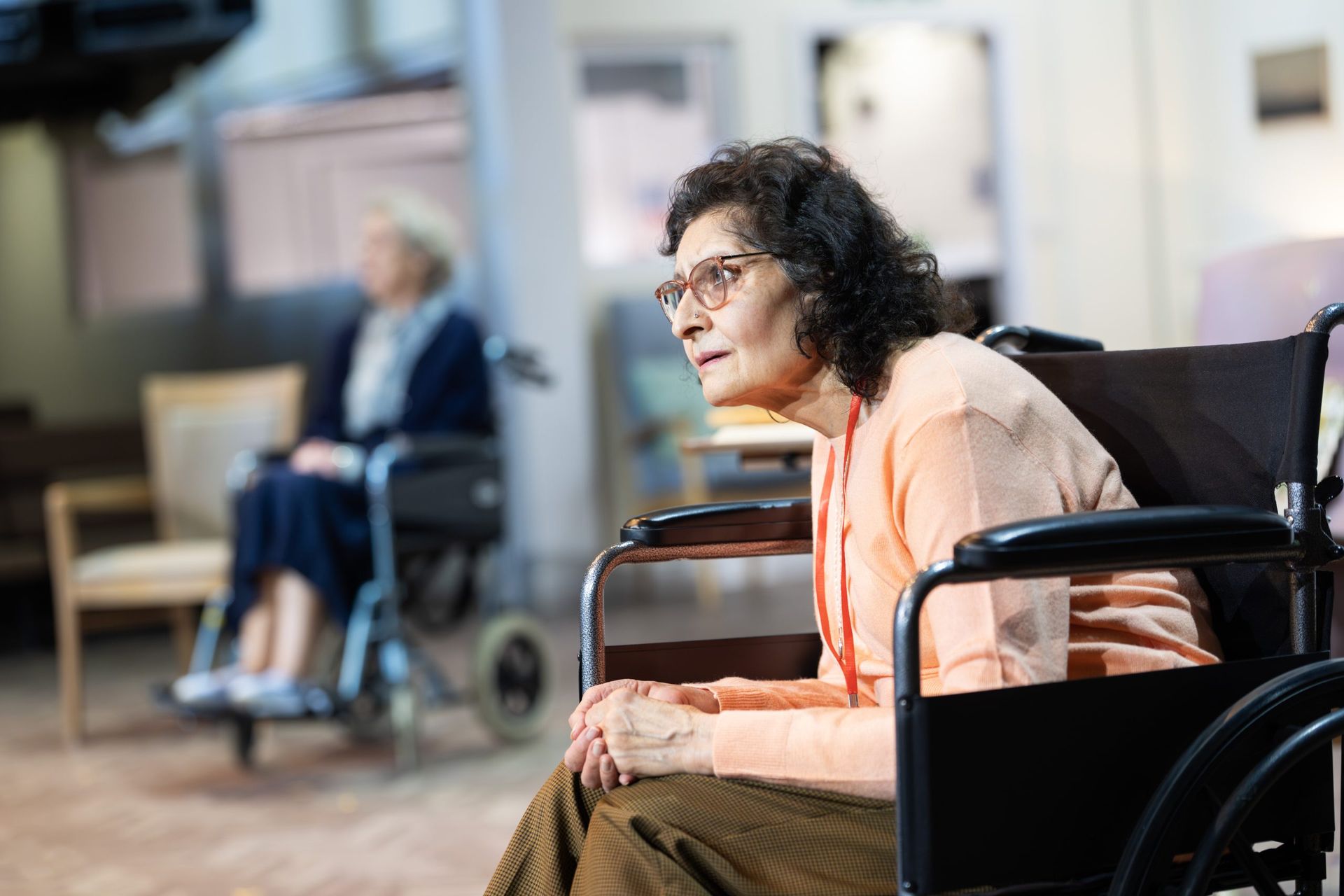
The play centres on Joan, played by the ever-impressive Linda Bassett. She finds herself in a care home after a fall, placed there by her daughter Lynn, played comfortably by Rose Cavaliero. Thinking this is short-term, and appearing of sound mind, it soon becomes clear that she will not be leaving and that things are actually far worse than they seem.
Joan is left to navigate a new, restrictive environment, with a routine she has no control over, and new faces she is encouraged to befriend (a feat at any age!), all of whom are characters fighting their own battles. Some suffer from dementia, all are stuck in the past – lonely, longing for that moment of awakening, fighting for a place in the conversation, establishing who they are, or were. Throughout the play, some of the residents pass on and take their place in the audience as onlookers.
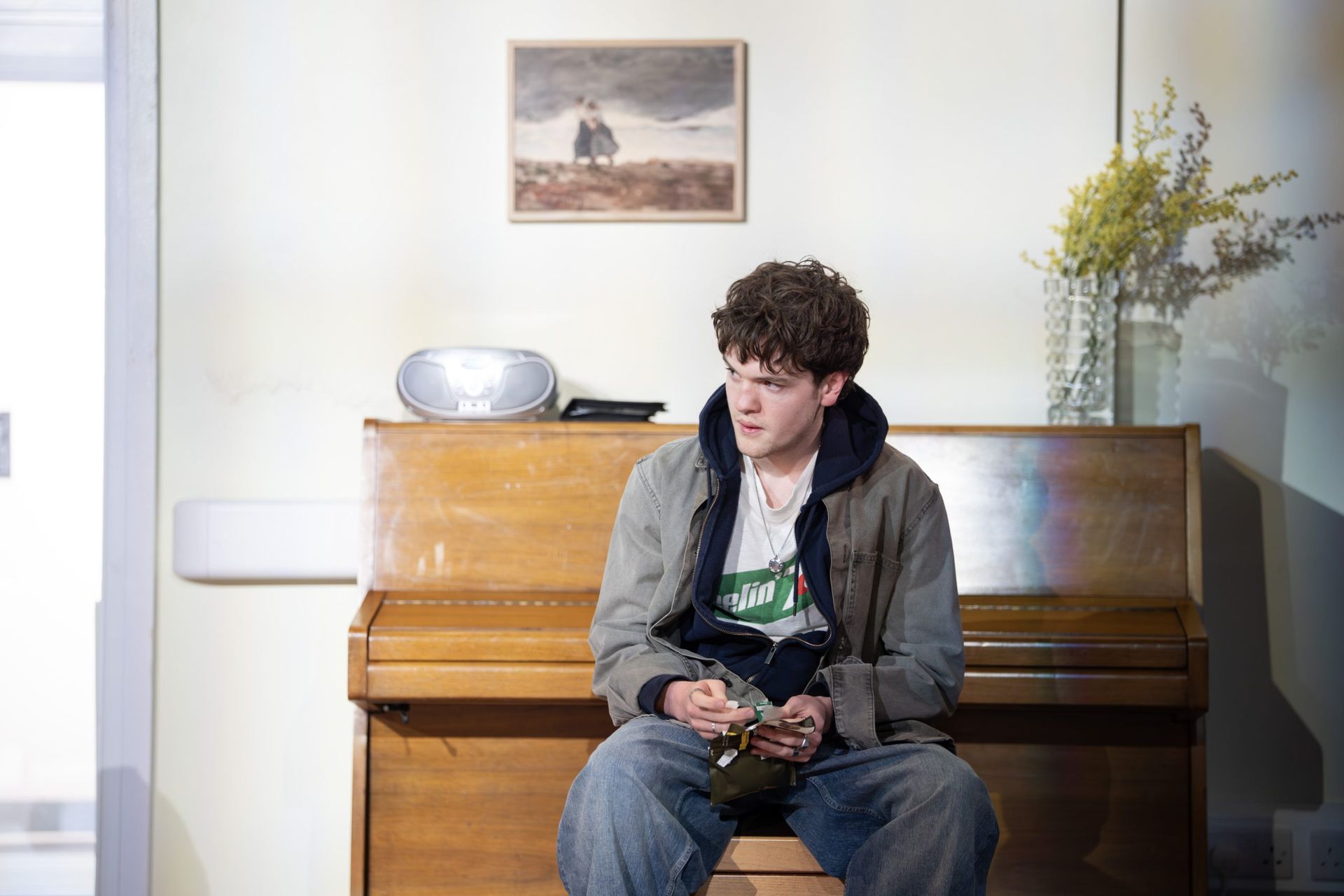
Ultimately, it is the relationships between Joan, Lynn, and grandsons Laurie and Robbie (played brilliantly by William Lawlor and Ethan Mahony respectively) that are at the forefront as they all battle this storm together. William Lawlor gives a very developed and well-crafted performance of a teen questioning life, death, and his own place in the world, exploding and lashing out, and at times in quiet contemplation. His character’s journey in particular is to be the one who questions the rational and irrational thoughts and actions of the supposed adults around him, those who should know better. Lawlor really grows through his playing of this role, crescendoing to his own emotional conclusion.
This is what Zeldin has written so well in his play, adapted further from his original Une Mort dans la Famille, highlighting in CARE the way in which the elderly are so often belittled and infantilised; by words, in activities, and in the way they are treated and spoken to. It is the generation below that has the power, and then the generation below that that calls out the inadequacies. Repeatedly we hear that Joan feels she is a dog being fed scraps under the table. Hard-hitting words.
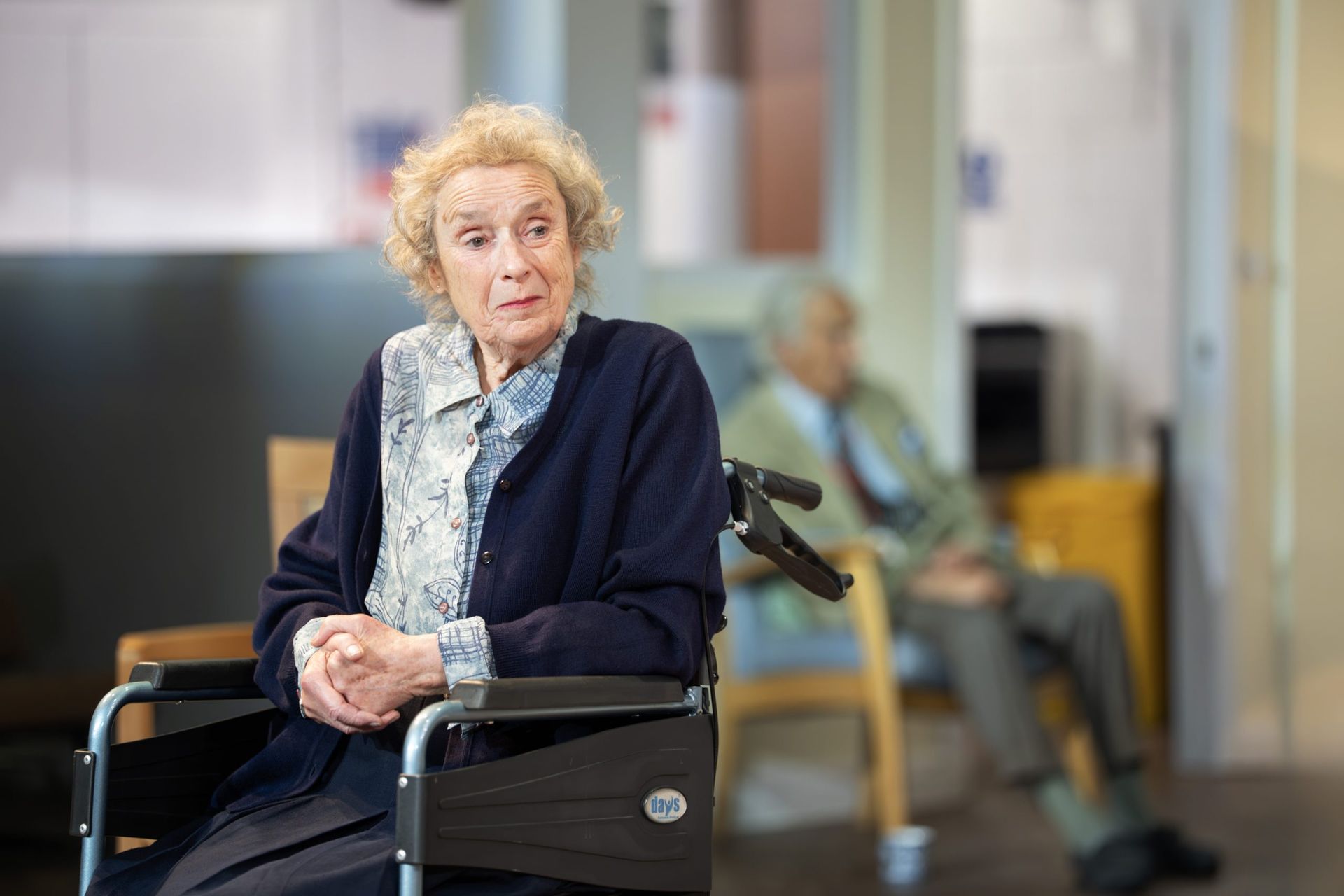
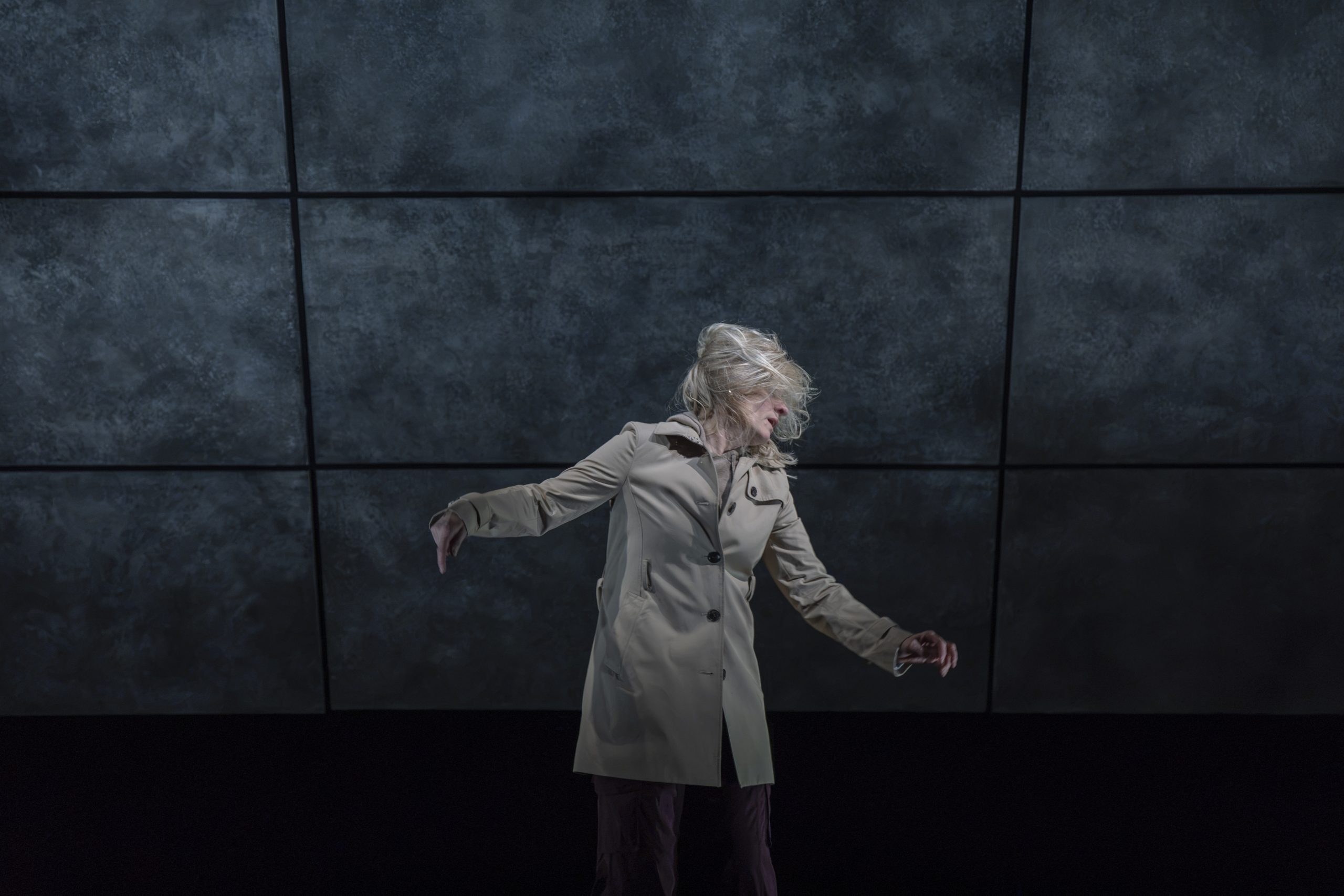
Linda Bassett’s performance is sublime and incredibly brave, showing us a very stark reality of experience as Joan herself deteriorates. Each sentence is spoken with truth and understanding, but it is her physical performance that is masterful and affecting.
In one of the most beautiful and yet devastating scenes, Joan is given a bed bath by Hazel, the Senior Care Nurse, played with a certain drudgery and acceptance of her lot by Llewella Gideon. Carried out in complete silence, Hazel is treating an incapacitated Joan with such beauty and care, as Joan looks upon her with such innocence and dependence. An act of routine for Hazel, who gently lifts Joan into her arms, this simple movement offers a deep connection for Joan, as she holds on, in a childlike hug, angelic yet dependent, moving the audience to tears.
Whilst an element of gloom does hang over this play, it is very funny in places, and there is so much joy to be had and beauty and tenderness to behold.
In a notable scene, we witness the almost silent John, played with great prowess by Richard Durden, a resident living with dementia whose memories revolve around the early years of his marriage. Through Rodgers and Hammerstein, he reconnects with his past and finds his voice once more, awakening within him a renewed zest for life and an innocently misdirected affection towards Joan. An obvious trope, perhaps, but having seen the power of music first-hand during my own musical visits to care homes, it is something that is incredibly potent. As the play develops, Zeldin delicately weaves this theme into the lives of the central characters, who are themselves affected by the role music plays in their own lives.
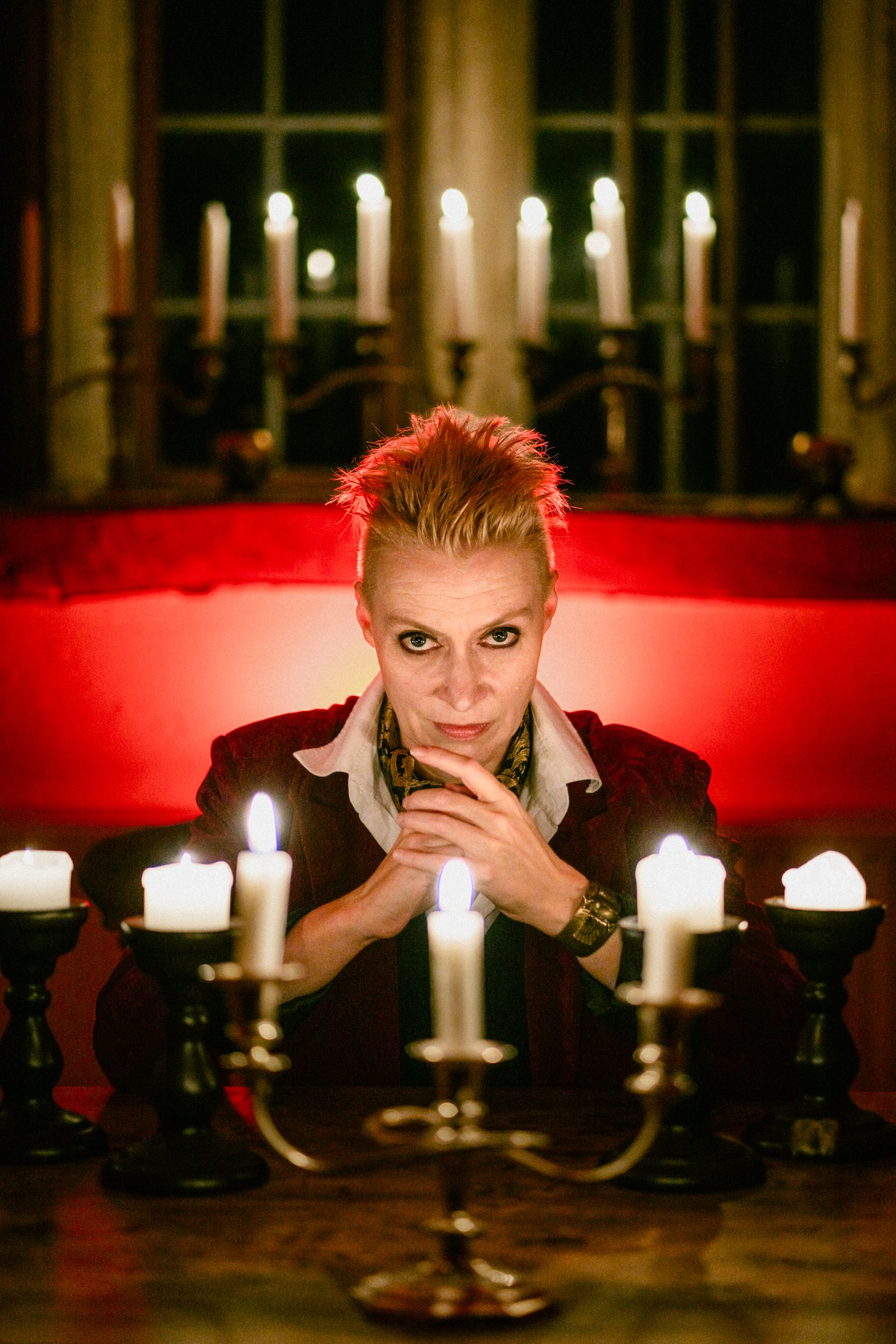
We also have the character of Simone, played fearlessly by Hayley Carmichael. Simone is a broken character with a dark sexual past who rests on her laurels, shall we say, and uses her ‘brass’ as a way to be seen. An ally of Joan and the source of many a bold laugh, her interactions with Joan, and the interactions between Joan and John, provide some of the play’s most heartfelt connections, leaving the audience with overwhelming love for their relationships.
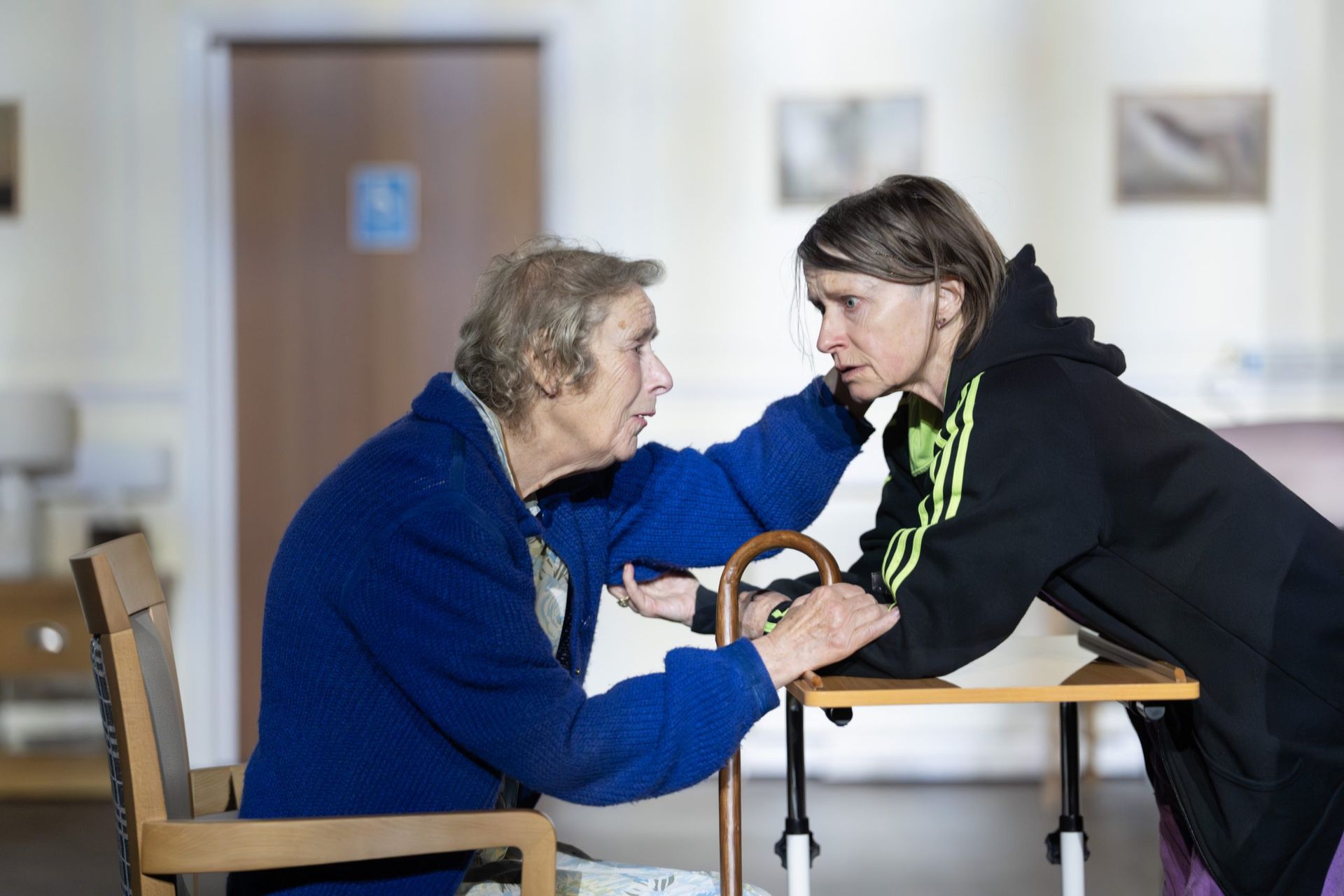
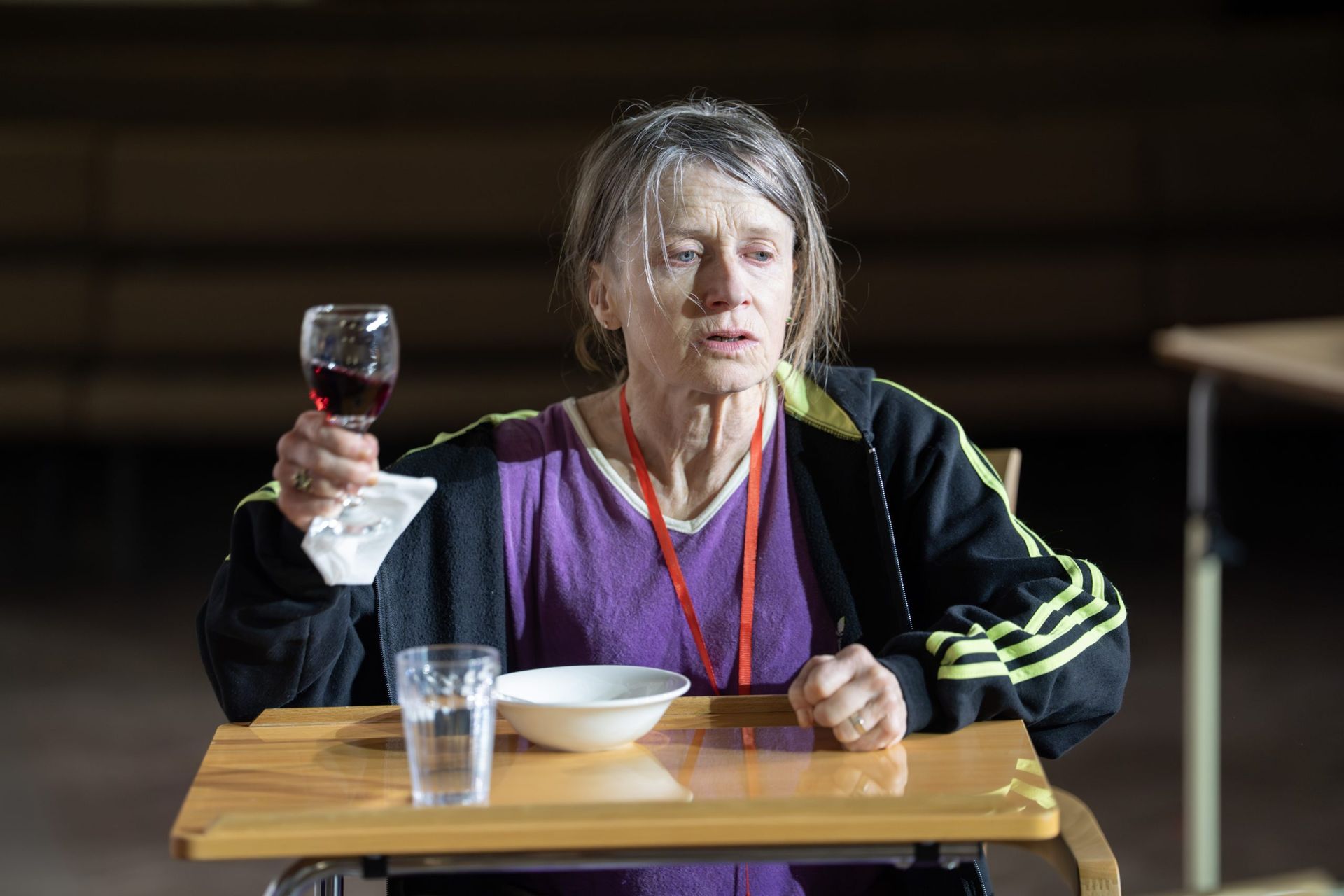
This is what it comes down to, connection. How do we find connection in a world where everyone is out for themselves, where miscommunications happen, where assumptions are laid upon us for whatever reason; cognitive or physical? In CARE the assumption is that when you are old you are no longer able to decide for yourself, but that does not mean that your experience should not matter and you don’t have the right to a voice.
A well-chosen play with which to round off Young Vic Artistic Director Nadia Fall OBE’s inaugural season, and one that is absolutely worth a visit. Whilst you may find the content triggering, you will also find tenderness, and you will likely leave tearful, but wrapped in a state of gentle affection, like an unquestioned embrace lovingly given.
CARE runs at the Young Vic until 11 July 2026.
Book tickets now at youngvic.org
Words by Abigail Jones
Photography by Johann Persson