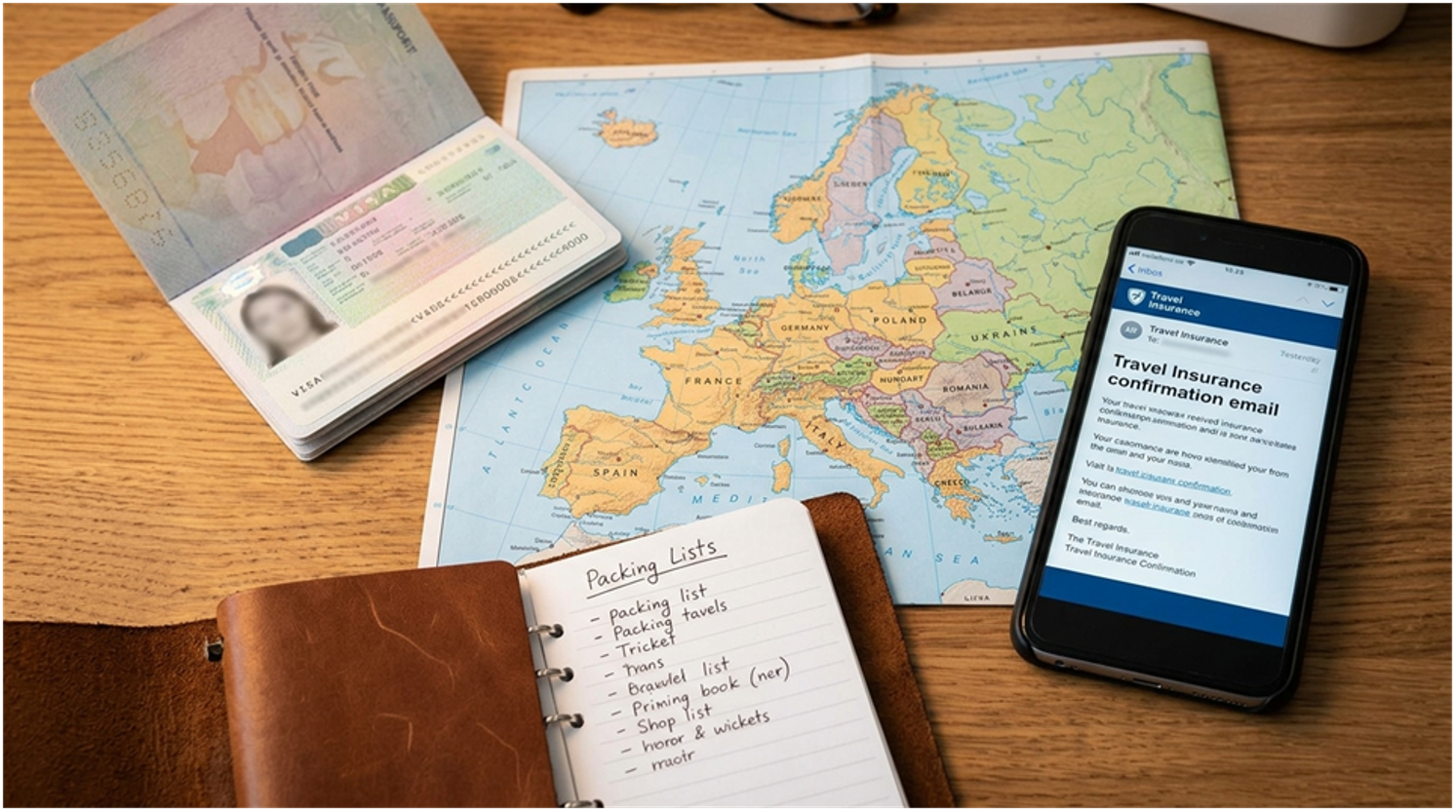
Traveling abroad is one of life’s most exciting experiences. It opens doors to new cultures, cuisines, and unforgettable adventures. However, stepping into unfamiliar territory also comes with risks. Whether you’re a first-time traveler or a seasoned explorer, knowing how to stay safe is essential for a smooth and enjoyable trip.
In this guide, you’ll discover practical, easy-to-follow tips to protect yourself, your belongings, and your peace of mind while traveling internationally.
1. Research Your Destination Thoroughly
Before you even pack your bags, invest time in understanding your destination. Learn about:
- Local laws and customs
- Common scams targeting tourists
- Safe and unsafe neighborhoods
- Emergency contact numbers
Government travel advisory websites are a great place to start. Being informed helps you avoid risky situations and blend in more easily.
2. Keep Digital and Physical Copies of Important Documents
Losing your passport or ID abroad can quickly turn into a nightmare. Prepare in advance by:
- Making photocopies of your passport, visa, and travel insurance
- Saving digital copies in secure cloud storage
- Emailing copies to yourself for easy access
This simple step can save you time and stress if documents are lost or stolen.
3. Stay Connected with Reliable Internet Access
Having constant internet access is crucial for navigation, communication, and emergency situations. Instead of relying on unstable public Wi-Fi, consider using an international eSIM.
A reliable option like Holafly allows you to stay connected securely without the hassle of swapping SIM cards. With dependable mobile data, you can access maps, book rides, and contact help whenever needed.
4. Avoid Public Wi-Fi for Sensitive Transactions
Public Wi-Fi networks in cafes, airports, and hotels are often unsecured, making them a hotspot for hackers.
To protect your data:
- Avoid logging into banking apps on public Wi-Fi
- Use a VPN (Virtual Private Network)
- Stick to mobile data for sensitive activities
Your personal information is valuable—don’t expose it unnecessarily.
5. Be Smart with Your Money
Financial safety is just as important as physical safety. Follow these tips:
- Carry a mix of cash and cards
- Avoid displaying large amounts of money
- Use ATMs located inside banks or secure areas
- Inform your bank about your travel plans
Also, keep an emergency stash of cash in a separate place.
6. Stay Aware of Your Surroundings
Situational awareness is your best defense against theft and scams.
- Avoid distractions like constantly checking your phone in crowded areas
- Be cautious when approached by strangers offering unsolicited help
- Trust your instincts—if something feels off, it probably is
Pickpocketing is common in tourist hotspots, so always stay alert.
7. Choose Safe Accommodation
Where you stay matters. Prioritize:
- Well-reviewed hotels or hostels
- Locations in safe neighborhoods
- Properties with 24/7 security or reception
Avoid sharing your room number publicly and always lock your doors and windows.
8. Blend In with the Locals
Standing out as a tourist can make you an easy target.
- Dress modestly and according to local customs
- Avoid flashy jewelry or expensive accessories
- Learn a few basic phrases in the local language
The more you blend in, the less attention you attract.
9. Use Trusted Transportation Options
Getting around safely is crucial in a foreign country.
- Use official taxis or reputable ride-hailing apps
- Avoid unlicensed transport services
- Share your ride details with a trusted contact
If renting a car, familiarize yourself with local driving rules.
10. Share Your Itinerary with Someone You Trust
Keep friends or family informed about your plans:
- Share your accommodation details
- Update them when you move to a new location
- Check in regularly
This ensures someone knows where you are in case of an emergency.
11. Be Careful with Food and Water
Food safety varies by destination. Protect your health by:
- Drinking bottled or filtered water
- Avoiding street food that looks unhygienic
- Washing hands regularly
Staying healthy is a key part of staying safe.
12. Get Travel Insurance
Travel insurance is not an extra expense—it’s a necessity.
It can cover:
- Medical emergencies
- Lost luggage
- Trip cancellations
Unexpected situations can arise anytime, and insurance gives you a safety net.
Final Thoughts
Traveling abroad doesn’t have to be risky if you take the right precautions. A combination of awareness, preparation, and smart choices can significantly reduce potential dangers.
Using trusted services like Holafly for reliable connectivity, staying informed about your destination, and maintaining situational awareness will help you travel confidently and safely.
Remember, the goal isn’t to be fearful—it’s to be prepared. With these tips in mind, you can focus on what truly matters: enjoying your journey and creating unforgettable memories.