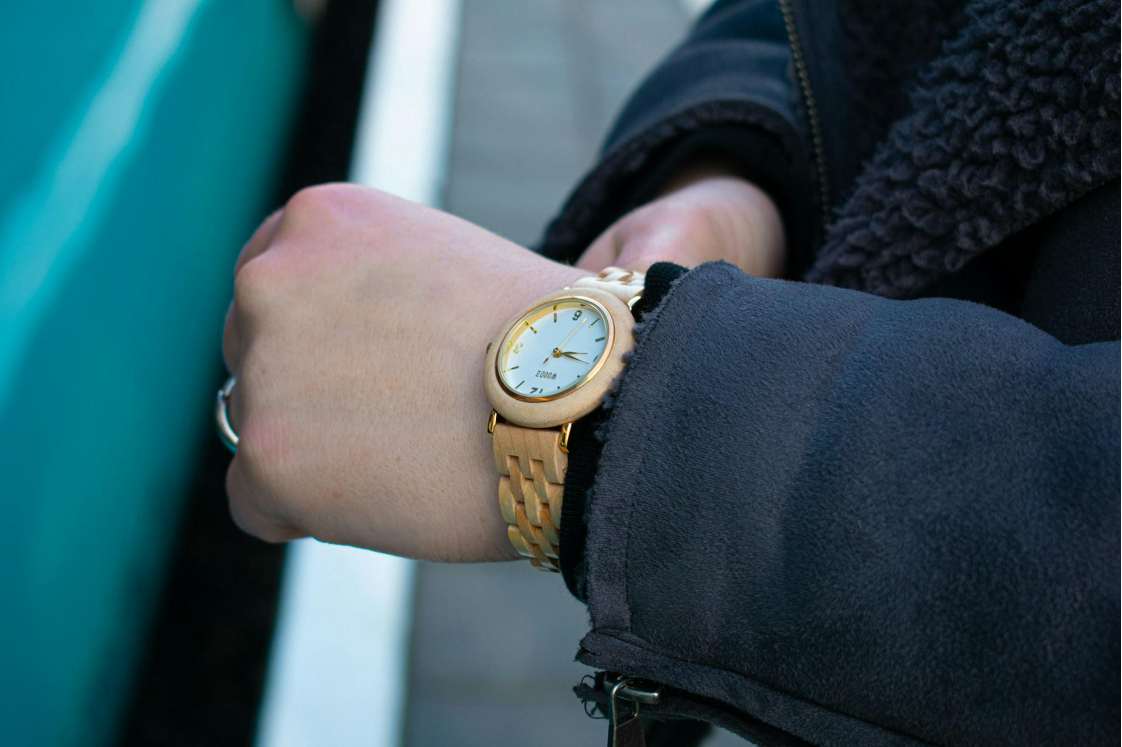
Photo by Aren Nagulyan on Unsplash
There was a time when a watch existed for one purpose only: to tell the time. It was a tool, worn discreetly, rarely discussed, and almost never treated as a reflection of personal style. Today, that idea feels almost quaint. Watches have become cultural artefacts, objects that signal taste, identity, and attitude as much as function. In an era where phones sit constantly in our hands, the decision to wear a watch is no longer about necessity. It is about intention.
That shift is evident in how people style their watches. The rise of personalisation, from case size to materials, has transformed watches into modular fashion pieces. Even something as simple as changing a watch strap can dramatically alter the mood of a watch, allowing it to move seamlessly from understated elegance to bold self-expression. This flexibility mirrors a broader transformation in fashion itself: fluid, individual, and deeply tied to personal narrative.
From Utility to Symbol
Watches entered popular use in the early 20th century as practical instruments, particularly during wartime. Wristwatches replaced pocket watches not because they were more stylish, but because they were more efficient. Over time, however, their visibility on the wrist turned them into subtle markers of status and refinement.
As industrial design advanced, watchmakers began paying attention to form as much as function. Case shapes evolved, dials became more expressive, and materials shifted from purely utilitarian metals to precious alloys. By mid-century, watches were no longer just tools, they were symbols of modernity, professionalism, and aspiration.
This symbolic role laid the groundwork for watches to enter the fashion conversation.
The Influence of Film, Icons, and Culture
Cinema played a defining role in elevating watches from accessories to statements. A watch worn on screen carried narrative weight. It became part of a character’s identity, a reflection of power, rebellion, elegance, or precision.
From mid-century Hollywood to contemporary cinema, watches have been used as visual shorthand. They communicate wealth without dialogue, discipline without exposition, and personality without explanation. Over time, audiences internalised these signals, associating certain styles with particular attitudes or lifestyles.
Musicians, artists, and cultural icons followed suit. Watches became embedded in personal branding, worn not to impress, but to express.
Watches and the Rise of Personal Style
The modern fashion landscape is defined less by rigid rules and more by individual interpretation. Trends exist, but adherence is optional. Watches have thrived in this environment precisely because they are adaptable.
A single watch can feel radically different depending on how it is styled. Paired with tailoring, it suggests restraint and polish. Worn with streetwear, it becomes a counterpoint, a deliberate contrast that adds depth. This adaptability has made watches essential in an era where mixing references is not just accepted, but celebrated.
Crucially, watches offer permanence in a fast-moving fashion cycle. While trends change seasonally, a watch endures. It becomes part of a person’s visual vocabulary rather than a passing statement.
The Quiet Power of Customisation
One of the most significant developments in watch culture has been the normalisation of customisation. What was once reserved for collectors and enthusiasts is now mainstream. People expect to adapt their watches to their wardrobe, lifestyle, and mood.
This shift aligns with fashion’s broader movement away from uniformity. Style is no longer about owning the “right” item; it is about making an item your own. Watches, with their interchangeable components and timeless forms, are uniquely suited to this philosophy.
Customisation has also softened the boundaries between luxury and accessibility. A watch does not need to be rare or expensive to feel personal. Its value lies increasingly in how it is worn, not just what it costs.
Gender, Fluidity, and Redefined Norms
Historically, watches were heavily gendered, large cases for men, delicate designs for women. Contemporary fashion has dismantled many of those assumptions, and watches have followed.
Oversized watches now sit confidently on slimmer wrists. Minimalist designs are worn across gender lines. The distinction between “men’s” and “women’s” watches feels increasingly irrelevant, replaced by conversations about proportion, presence, and personal comfort.
This shift reflects a larger cultural movement toward fluidity in fashion. Watches have become tools for self-definition rather than symbols of conformity.
Watches in the Age of Digital Time
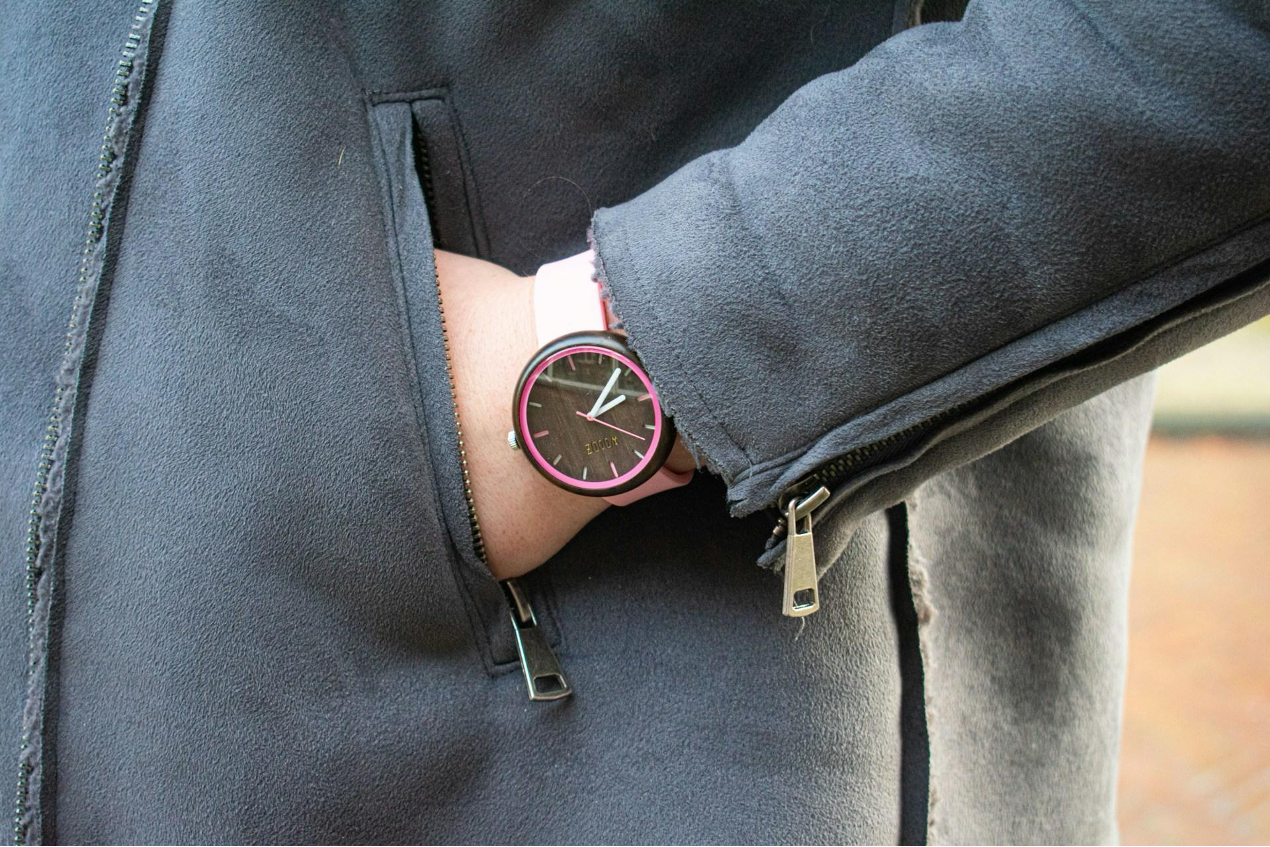
Photo by Aren Nagulyan on Unsplash
Ironically, the digital age has amplified the watch’s status as a style object. When time is always accessible on a phone, wearing a watch becomes a conscious aesthetic choice.
Traditional watches now represent tactility, craftsmanship, and intention. They stand in contrast to the constant churn of digital notifications. For many, wearing a watch is a way of reclaiming a sense of slowness and focus, values increasingly prized in contemporary culture.
Even smartwatches, once viewed as purely functional devices, are now styled with fashion in mind. Design, materials, and modularity matter because wearers expect their devices to integrate seamlessly into their personal aesthetic.
The Watch as a Personal Archive
Unlike many fashion items, watches age alongside their wearers. They mark time not just objectively, but emotionally. A watch might be worn through career milestones, relationships, travel, and personal change. Over years, it accumulates meaning.
This emotional continuity is part of what makes watches powerful style statements. They are not disposable. They are companions. In a fashion landscape often criticised for excess and ephemerality, watches offer an alternative narrative, one rooted in longevity and story.
Why Watches Endure as Style Statements
Watches have become style statements because they sit at the intersection of identity, culture, and design. They are visible without being loud, expressive without being trend-dependent.
In choosing a watch, people are not just selecting an accessory. They are signalling values: appreciation for craftsmanship, comfort with tradition, openness to personalisation, or resistance to disposability.
The transformation of watches from timekeeping tools to style statements reflects a deeper shift in how we think about fashion itself. Style is no longer about strict codes or uniform signals. It is about nuance, choice, and personal meaning.