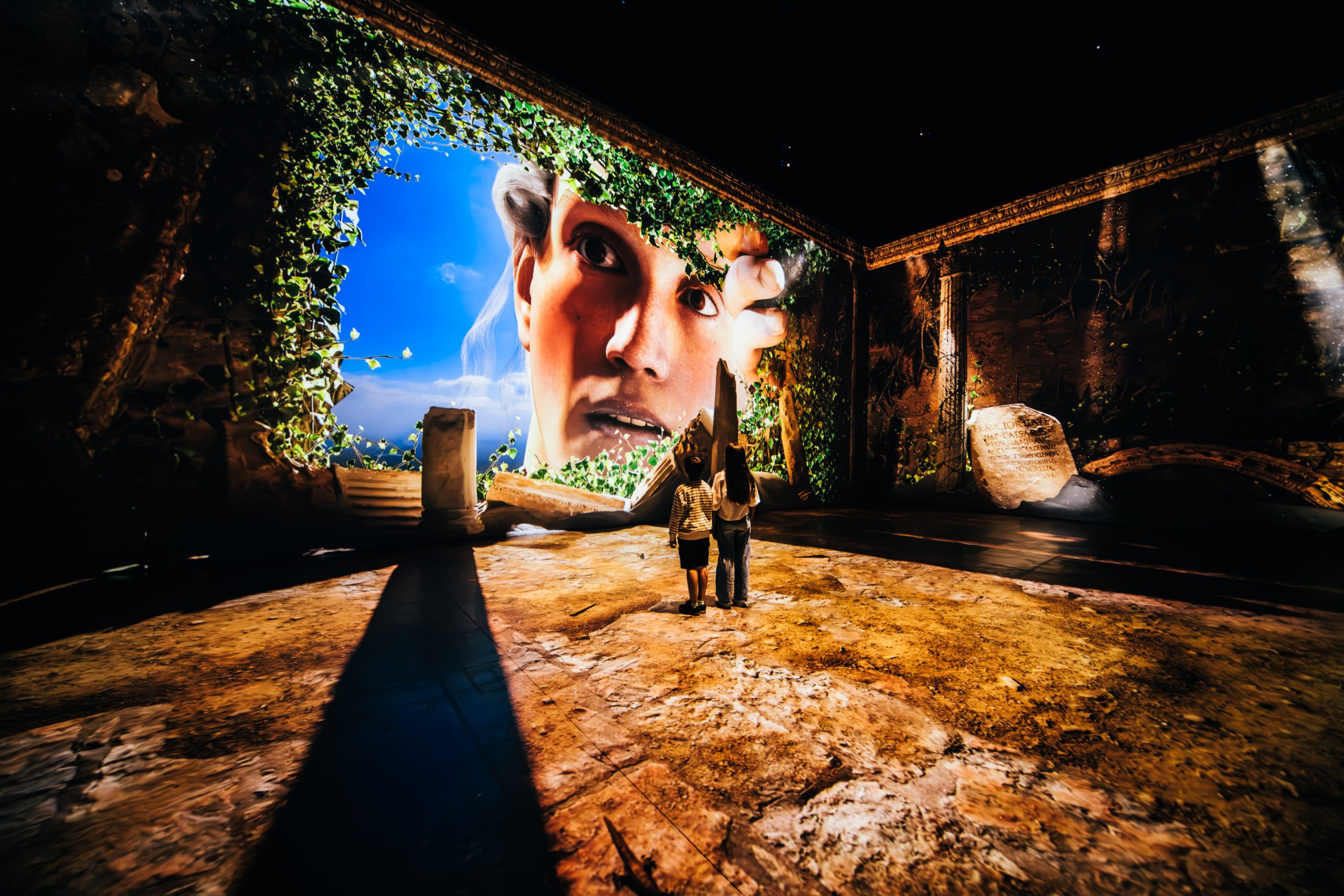
The Last Days of Pompeii: The Immersive Exhibition at the Excel Centre really does feel like stepping back in time. It’s educational, sure, but also full of clever, engaging ways to step into the lives of the citizens of that once great and ill-fated city.
I’ve never been to Pompeii itself, though I went to the British Museum’s Life and Death in Pompeii and Herculaneum exhibition back in 2013. Fascinating for me, but not something I’d have dragged a child to. This, however, is a completely different proposition. I had my wife and my two ADHD-powered girls with me, aged 7 and 11, which meant I was getting this from multiple angles at once.

The opening section is fairly standard: artefacts in glass cases, big info panels, a few haunting casts of bodies encased in ash. All interesting, but nothing wildly technological yet. That changes quickly.
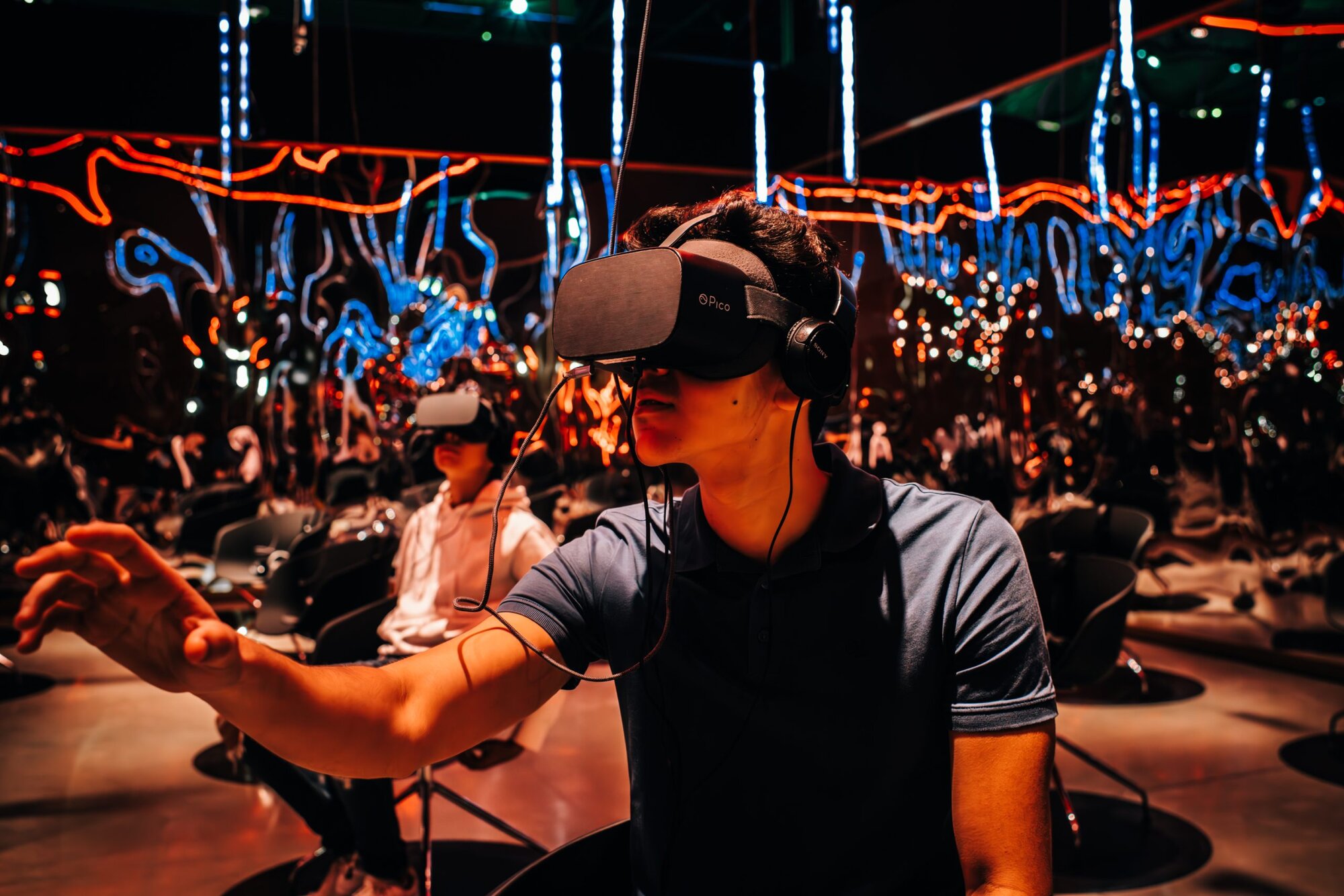
The first VR segment is a seated headset experience. You pop it on and suddenly you’re racing in a Roman chariot, thrown into a gladiator fight, a tiger charging in, the whole thing designed to feel big and dramatic. I’ve spent a lot of time in VR over the years, so I clocked immediately that something felt off. After swapping a few headsets with staff it became clear that the 3D in this segment is actually inverted. Depth reads the wrong way. Not a faulty headset, just the way this scene is currently set up. I’ve fed this back by email, because it genuinely has potential once corrected. The final aerial shot of Vesuvius erupting, which doesn’t rely on stereoscopic depth, looked fantastic. My family had a great time and noticed nothing amiss, so most people will probably still enjoy it, but it’s worth mentioning.


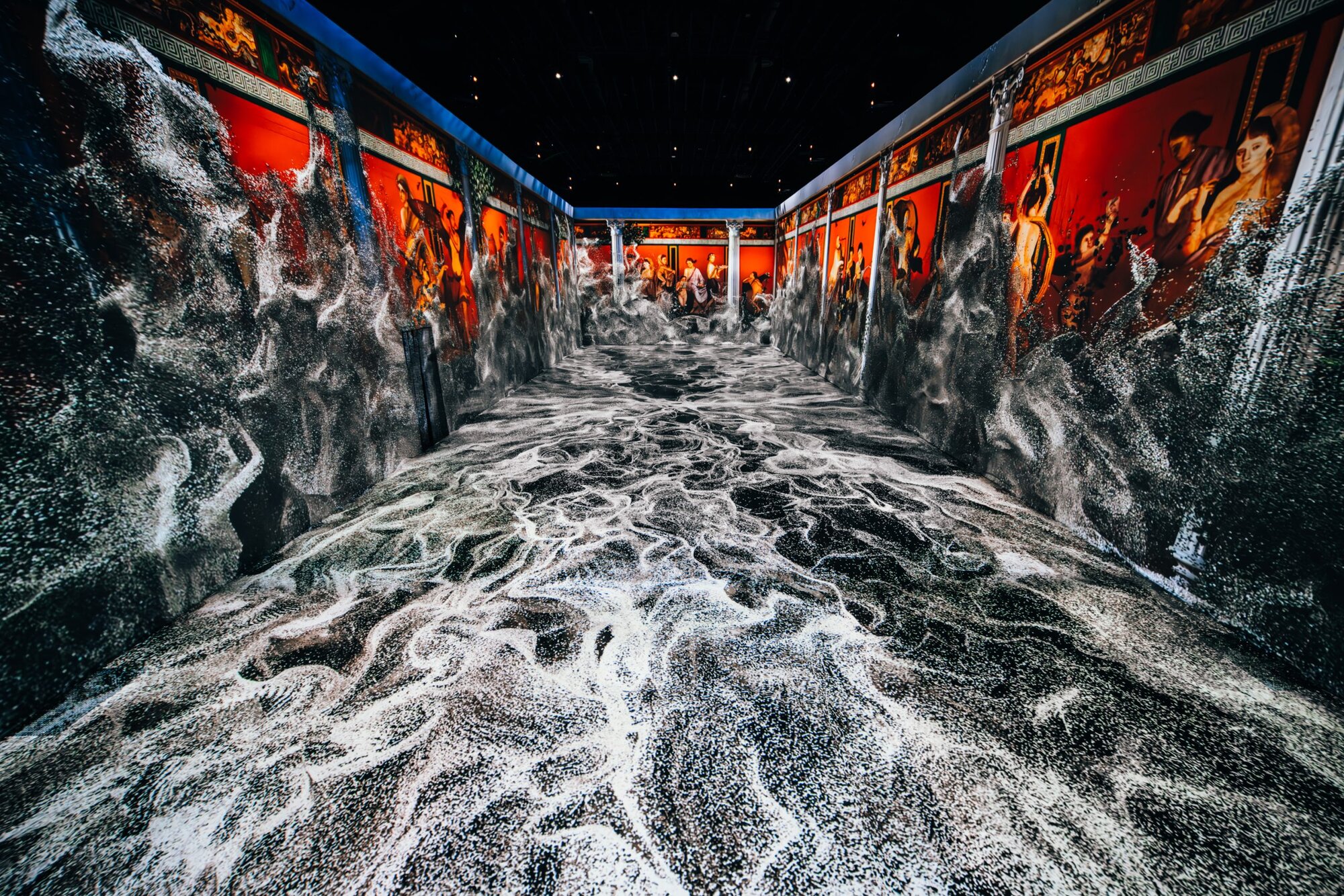
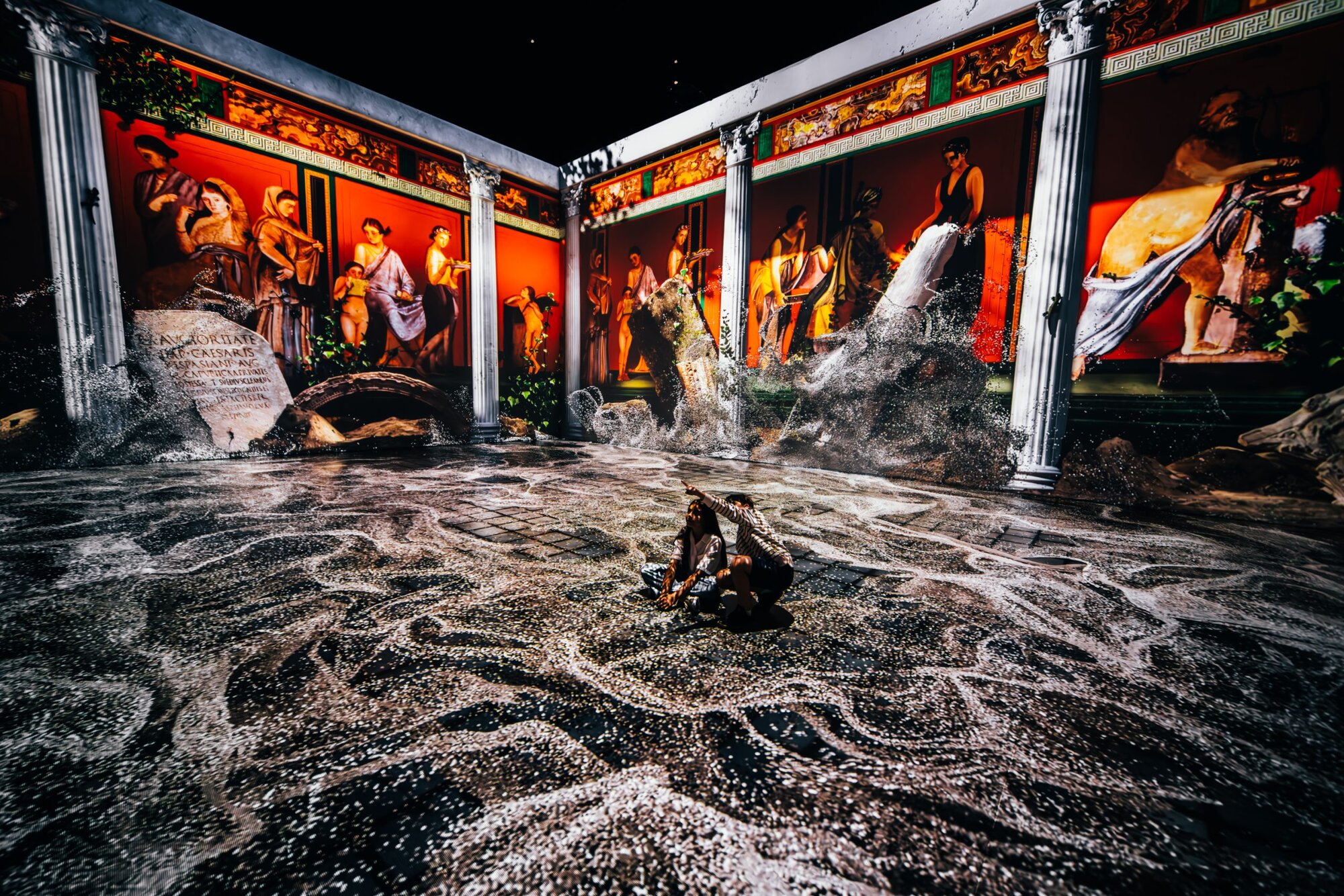
Then came the immersive room. I’d seen similar at Van Gogh and The Legend of the Titanic (the latter also from Madrid Artes Digitales), and this was just as jaw-dropping. Four walls plus the floor, 30 high end projectors, 1200 m² of projection surface, and a 26 minute story that genuinely transports you. You travel through the Italian countryside, land in the ruins, watch them rejuvenate around you, meet Roman characters, learn about superstitions, then get hit with full volcanic destruction. At one point I looked around the room and saw several jaws hanging open. My kids were obsessed. To be able to have a world unfold around you and at your feet, whilst not wearing any special headgear, is really a unique experience that you cannot recreate at home!
After that, there’s a large interactive zone where you can brush away virtual leaves to uncover artefacts, touch different parts of a map to learn more about the city, and generally poke and prod your way through Roman life. It works brilliantly for adults and children alike.

Then came the bit we were all excited for: the VR walking tour. I’d done the Titanic one, so I knew the format, but the content is obviously very different. Each adult took a kid and off we went. You find yourself in ruins again, and they slowly rebuild around you as you explore freely. Move to the next room, more scenes, more reveals. One improvement from last time was the hand detection, which meant I could point out things to my daughter as we walked. I won’t describe every beat because you should experience it yourself, but it’s mesmerising. My daughter kept saying ‘wow’ and getting excited. I’ll admit, Titanic hit me harder, but that’s probably just because I’m emotionally attached to the 1997 film. Even so, this is incredible tech. The idea that this is still “new” is mind blowing, considering where it’ll be in ten years.
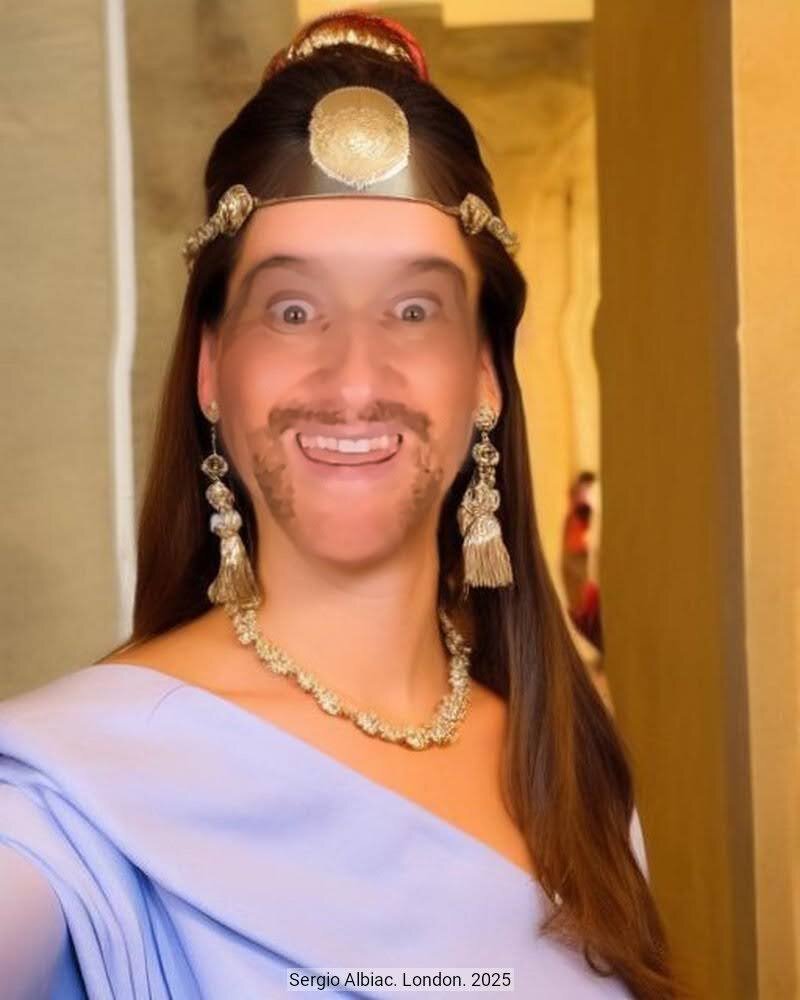
The exhibition closes with a fun AI Photobooth that basically turns visitors into citizens of ancient Pompeii, complete with ‘authentic hairstyles, clothing and accessories’. These were a lot of fun and you can see some of the crazy results below!


On the way out, I had a slightly uncomfortable thought. We had just been gleefully entertained by reliving something that killed 20000 people in a single day. We’re so far removed from it that we don’t feel the horror in the same way. It made me wonder if, in a few hundred or thousand years, people will be joyfully attending immersive exhibitions about the Holocaust or 9/11, as shocking as that sounds now. They’ll probably marvel at how primitive we were. They’ll be excited to “experience our time”. That emotional distance works both ways: we feel fascinated, but not upset.
As you can tell, we really enjoyed the experience. So get yourself and your friends down to Immerse LDN at the Excel and check out The Last Days of Pompeii. If these disasters teach us anything, it’s that life is urgent and you have to live it up now!
The Last Days of Pompeii is running at Immerse LDN, Excel London until 15 March 2025.
Book tickets now at pompeii-experience.com
Words by Nick Barr
Production photography by Madrid Art Digitales