Lab-grown diamonds and moissanite are no longer the “alternative” aisle. In 2026 they sit at the center of how many couples plan an engagement ring: clearer budgets, more carat for the look they want, and fewer compromises on design. The trend is not only about the stone. It is about control—choosing a silhouette that feels personal without waiting for a showroom to stock it.
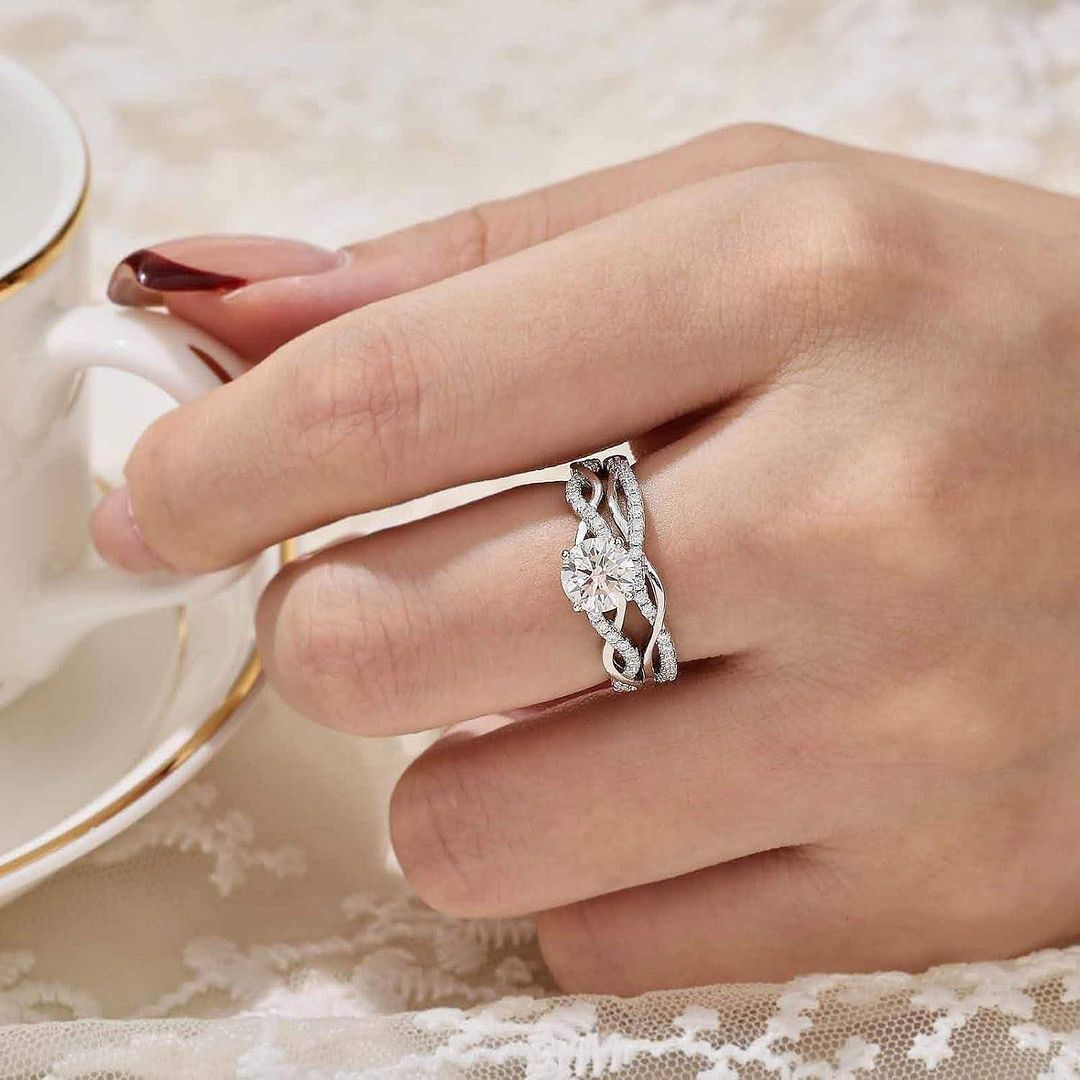
That is why custom bridal rings and semi-mount settings are rising together. One path delivers a finished, made-to-order bridal piece. The other starts with a mounting built for a stone you already love. Both are fashion-forward. Both reward careful listing checks. Neither requires inventing luxury claims that the product page does not support.
This guide breaks down the hot custom-bridal trend, the two build paths couples actually use, and the details worth verifying before you pay.
Why custom bridal feels current (not niche)
Fashion coverage keeps circling the same shift: couples want a ring that looks intentional, not identical to every case display. Lab-grown and moissanite make that easier because shoppers can prioritize cut, shape, and setting architecture instead of treating carat as the only lever.
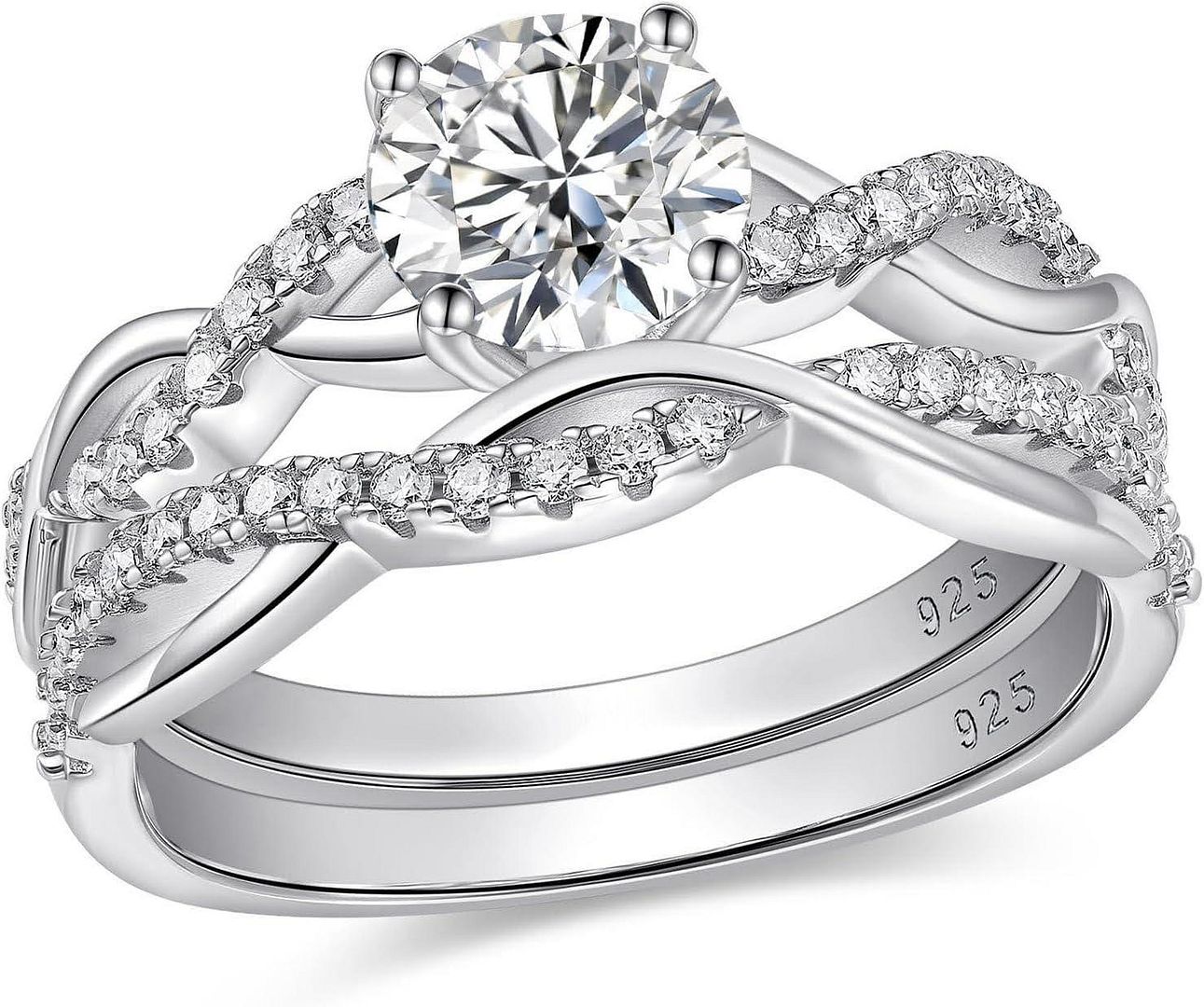
What “custom” means in practice usually falls into a few buckets:
• A finished ring designed around your stone preferences (shape, size range, metal)
• A coordinated bridal set where the band is meant to sit with the engagement ring
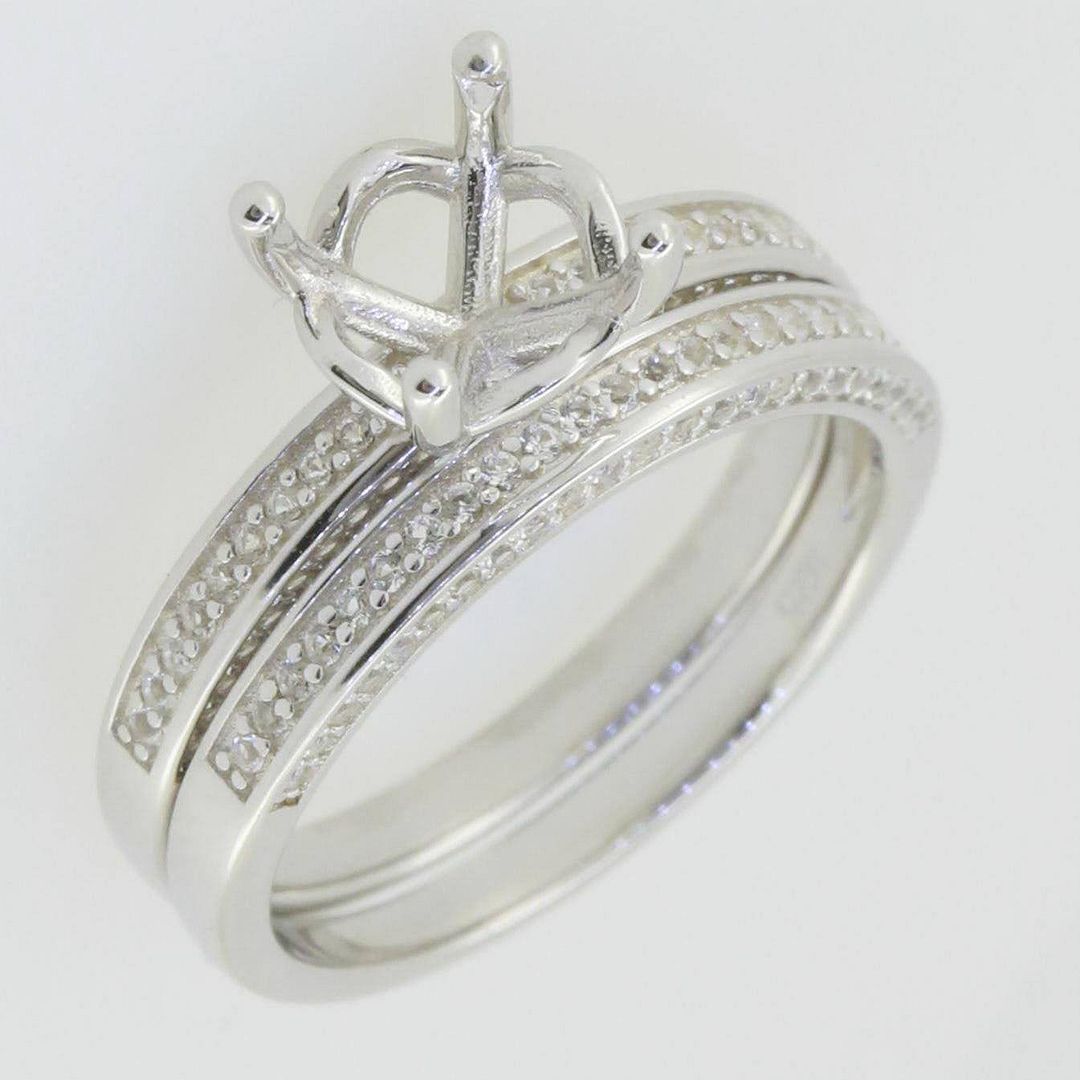
• A semi-mount mounting sold so a jeweler (or you) can set the center stone later
The trend language is glossy. The buying work is practical: read the product page, confirm what is included, and match millimeter reality to the design you pinned.
Path 1: A finished custom bridal ring
If you want one destination for a bespoke-feeling engagement or bridal look—especially with moissanite or lab-grown center options—start with a custom bridal specialist rather than a generic fashion marketplace.
That path is useful when you:
• Want a finished ring narrative (not a DIY mounting project)
• Prefer guided customization (shape, metal, silhouette)
• Are shopping bridal sets as a coordinated story
• Care about proposal timing and a clear order process
When you are ready to browse that finished-custom direction, explore moissanite engagement rings and treat every SKU as listing-specific: metal, stone type, and inclusion rules should be confirmed on the page you add to cart—not assumed from a homepage banner.
What to verify on a finished custom listing
1. Center stone type named clearly (moissanite, lab-grown/CVD language, etc.)
2. Metal named for that exact option
3. Shape and approximate size / carat language explained without vague “looks big” marketing only
4. Whether you are buying a single engagement ring, a set, or a configurable design
5. Return / resize / production notes as stated by the seller
Skip invented lead times. If a page does not document production timing, ask before you plan a proposal date around it.
Path 2: Semi-mount settings for a stone you already chose
The other hot workflow is almost the reverse: the stone comes first. Designers, remount shoppers, and DIY jewelers shortlist a setting—a ring structure sold primarily as the band and head—then set the center later.
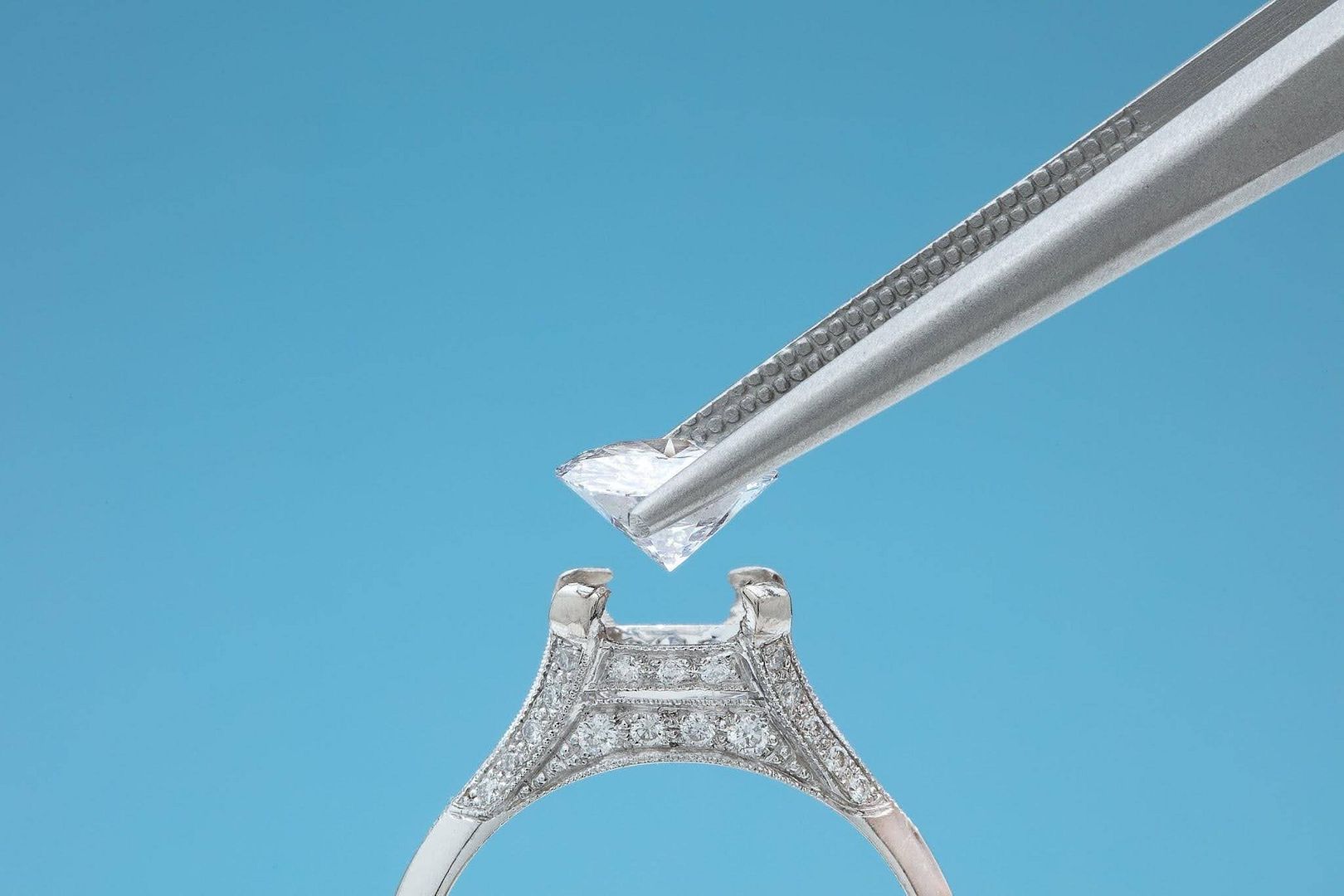
This path fits when you:
• Already own a loose diamond, moissanite, sapphire, or other center
• Want to compare silhouettes before committing to a finished bridal SKU
• Need millimeter matching more than mood-board captions
• Are coordinating custom setting work after shortlisting a direction
For that workflow, browse from a dedicated sem mount ring setting catalog such as semi-mount ring settings, then open individual product pages to confirm shape opening, metal, accents, and whether any center stone in photos is illustrative only.
Semi-mount checklist (non-negotiable)
1. Shape match — round, oval, cushion, pear, emerald, marquise, princess, and so on
2. Millimeters — measured dimensions beat “carat vibe”
3. Profile height — side photos matter for everyday wear
4. Metal — collection language is not a substitute for the SKU metal
5. Accents — included vs not included; illustration stones called out honestly
Semi-mount shopping is not a comfort guarantee based on shank buzzwords. Finger shape and daily wear still vary. Use photos and specs, then decide.
Hot silhouettes couples are shortlisting right now
Trend pieces change. These silhouettes keep showing up because they photograph well and adapt to lab-grown / moissanite centers:
Clean solitaires
A simple head keeps attention on color and cut. Verify prong vs bezel language on the listing—those details change both look and setting method.
Halo and double-halo frames
Halos can make a center read larger in photos and add sparkle under soft light. Confirm accent inclusion before you assume the halo stones ship with the mounting or finished ring.
Elongated shapes
Oval, pear, marquise, and emerald-cut stories remain fashion favorites. Elongated outlines need careful length × width matching if you are pairing a loose stone to a semi-mount head.
Vintage-inspired detail
Milgrain, filigree, and geometric Art Deco–inspired lines still signal “character” without requiring an antique hunt. “Inspired” is the honest word unless provenance is documented.
Split shank, bypass, and flatter euro-shank profiles
Shank architecture changes how a ring reads on the hand. These are design choices, not universal comfort certificates. Compare title language and photos rather than assuming every “modern” band feels the same.
How to choose between finished custom and semi-mount
Use this decision frame:
| If you… | Lean toward… |
| — | — |
| Want a finished bridal piece with customization options | Custom bridal ring path |
| Already have the center stone | Semi-mount settings path |
| Need a matching band story as one project | Custom bridal / bridal-set browsing |
| Want maximum silhouette comparison across metals | Semi-mount catalog browsing |
| Are proposal-date sensitive | Whichever seller documents process clearly on-page |
Many couples do not need to “pick a tribe.” They shortlist one finished custom direction and one mounting direction, then keep the option that survives the checklist.
Metal notes without the mythology
Sterling silver and karat gold both appear across bridal and settings catalogs. That does not mean every design is available in every metal.
On each product page, confirm:
• Exact metal for the selected variant
• Any hallmark language shown for that item
• Finish notes (for example, plating) if stated
Do not copy metal claims from a collection title onto an individual product. Collection pages help you browse; product pages decide what you buy.
Mistakes that waste budget (and returns)
• Choosing by carat language instead of measured size
• Assuming photo stones are included inventory
• Ignoring accent inclusion
• Treating homepage trend copy as a substitute for SKU specs
• Ordering a shank style for “comfort” without comparable profile photos
• Planning a proposal date around undocumented production promises
Avoiding those mistakes matters more than chasing the newest trend word of the month.
Bringing the trend back to a real cart
Lab-grown and moissanite energy made custom bridal design feel accessible. The couples who shop well still do the unglamorous work: shape, size, metal, inclusion, and process—checked on the listing.
If you want a finished, customization-led bridal direction, start from the custom bridal path above. If you are building around a loose stone or comparing mountings first, use the semi-mount catalog path—and verify every detail on the product page that actually goes in your cart.