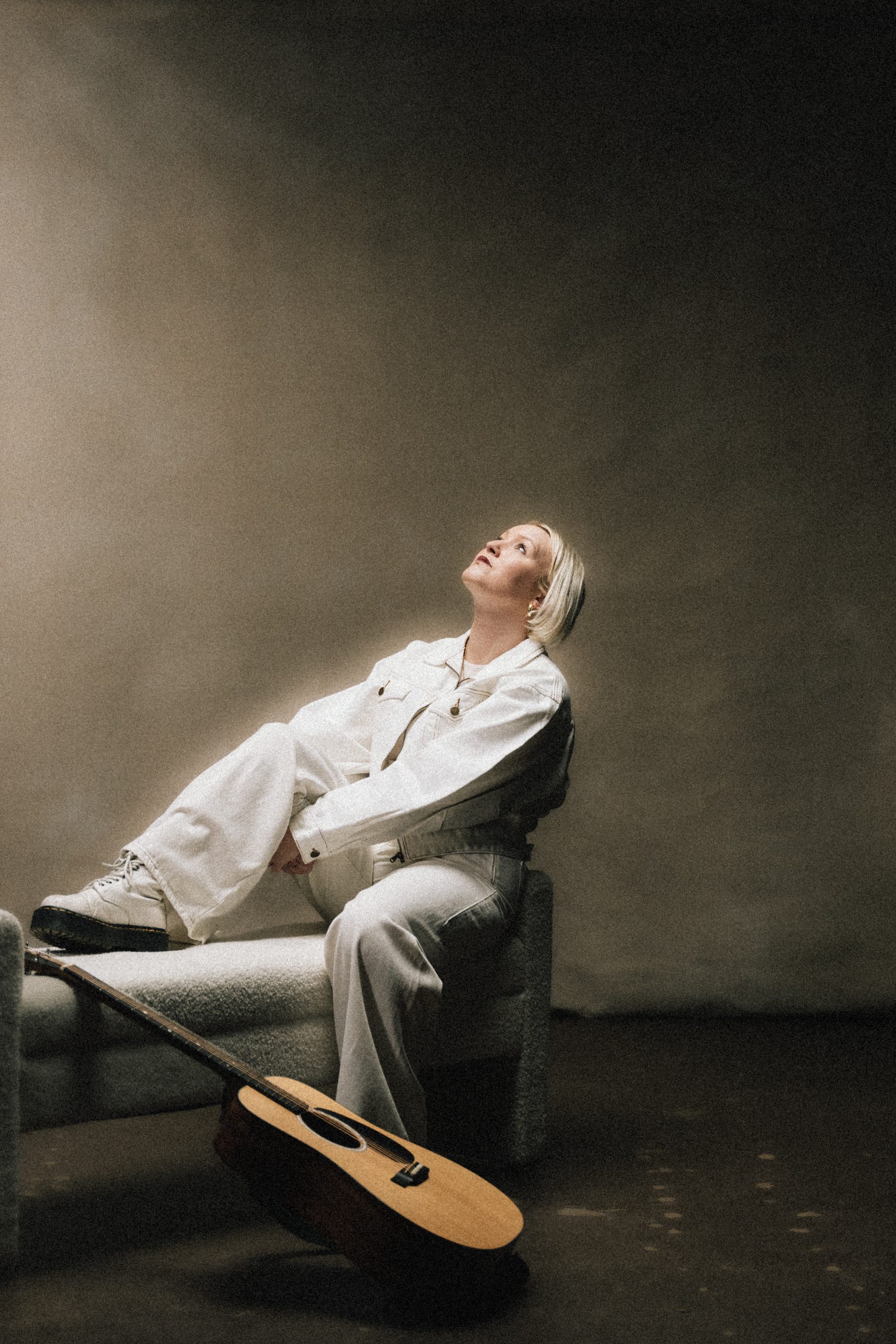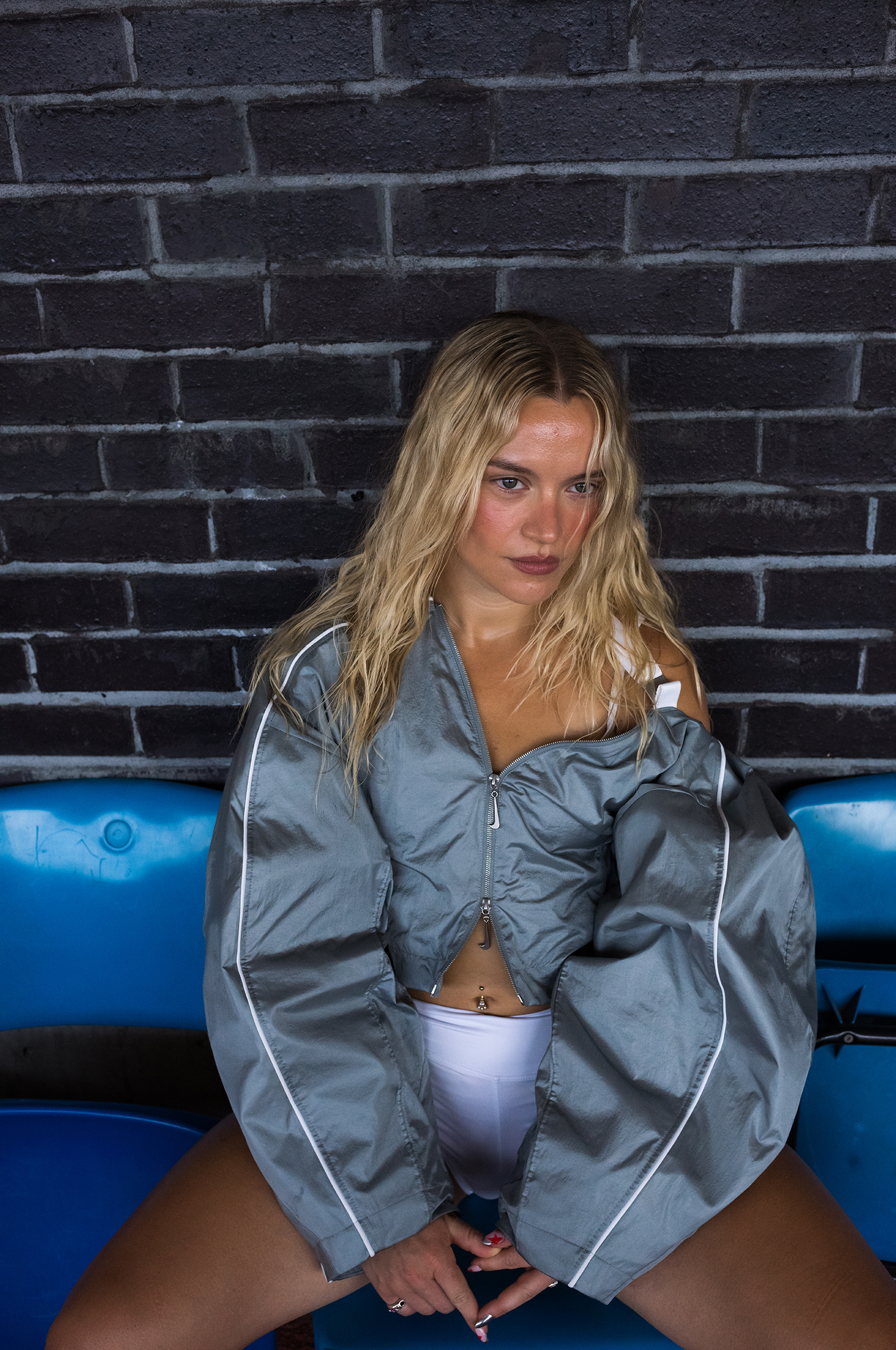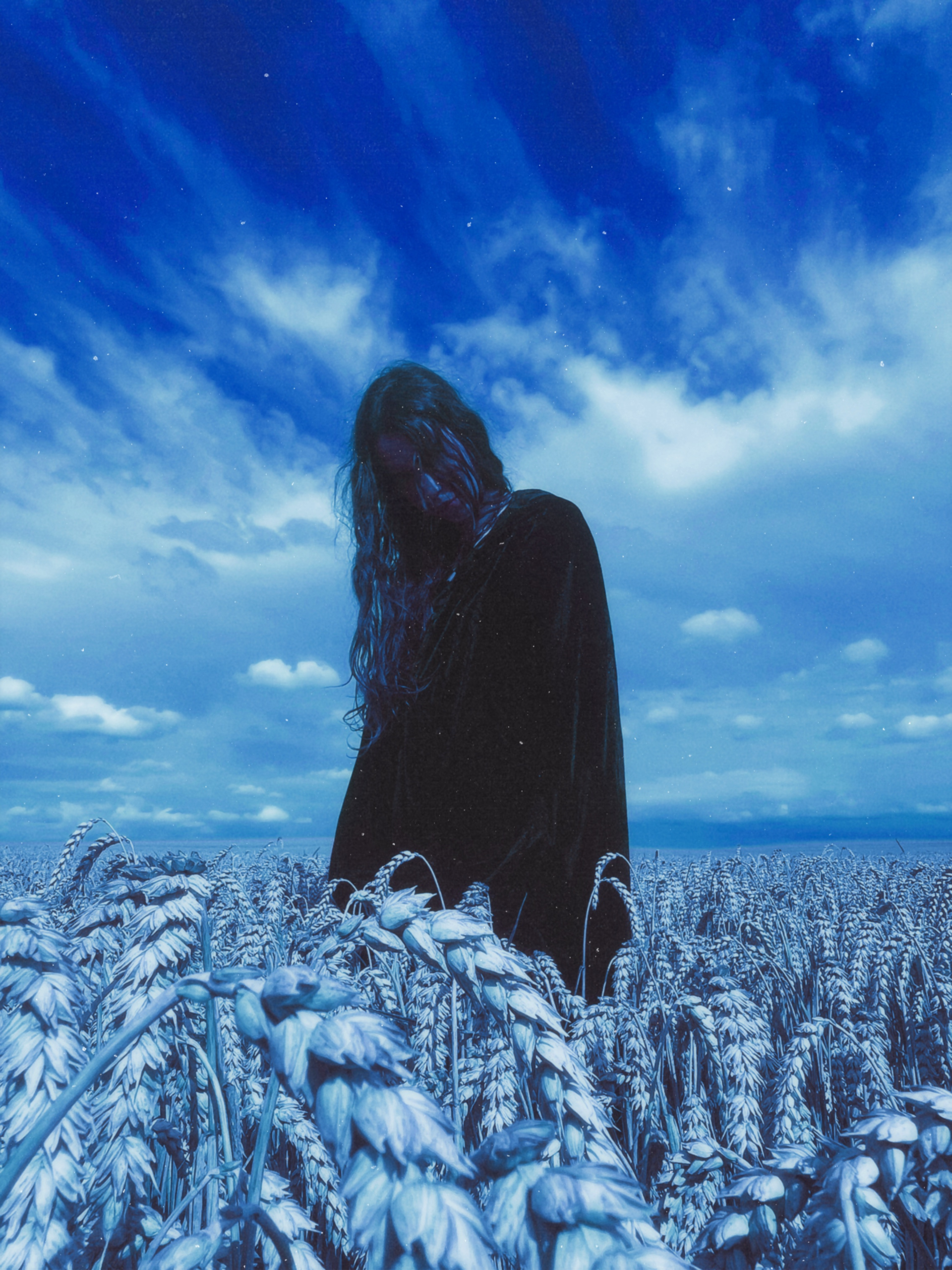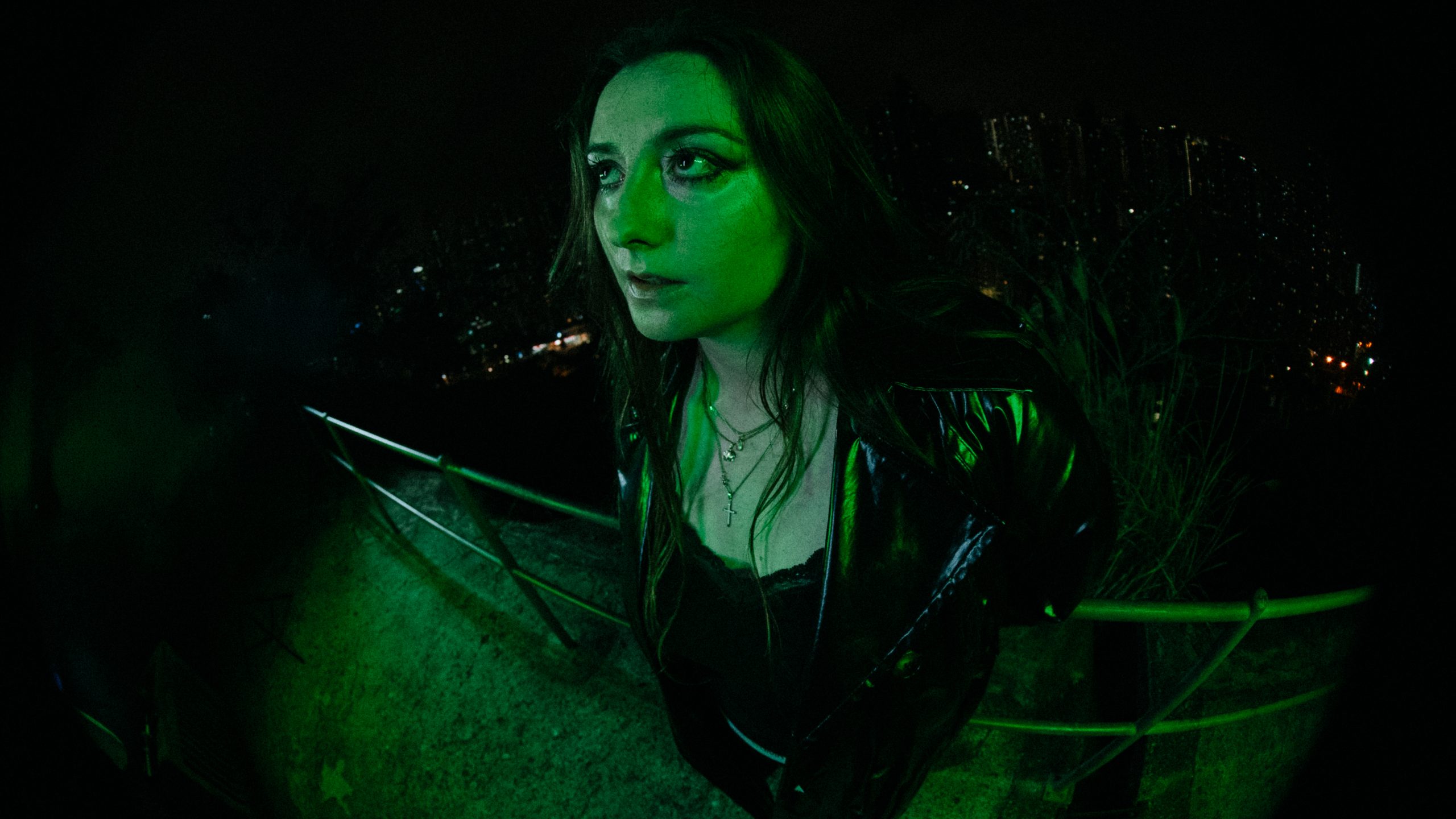
Some artists work across disciplines; LAMIA dissolves the boundaries between them. The London and Berlin-based artist, producer, filmmaker and researcher has steadily carved out a distinctive creative practice where electronic music and cinema exist in constant dialogue, each informing the other. It’s an approach shaped not only by years of musical training and academic research, but also by synesthesia. It’s a neurological condition that causes her to experience sound as vivid cinematic imagery, naturally drawing her towards filmmaking as an extension of her music.
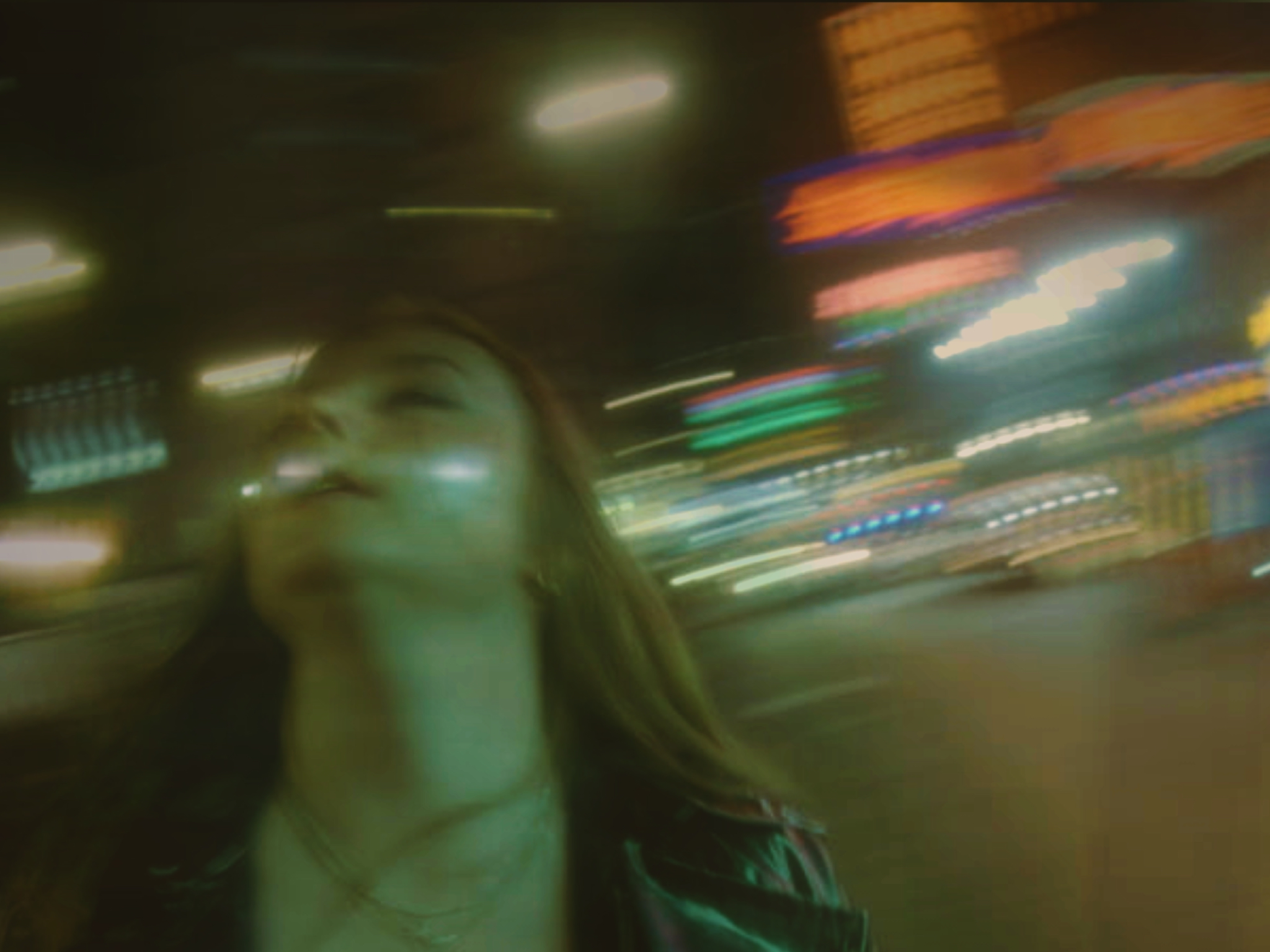
Her latest single, Requiem For A Dream, marks the beginning of that next chapter. Entirely self-produced and accompanied by her solo directorial debut, the Hong Kong-shot visual follows a heartbroken protagonist navigating a neon-lit cityscape that blurs the line between memory, fantasy and reality. Serving as the first glimpse of her forthcoming visual album Nighthawks, the project fuses fractured club rhythms, post-trance textures and striking cinematic storytelling into an immersive audiovisual experience that feels as emotionally intimate as it does visually expansive.
Having earned support from the likes of BBC Radio 1, CLASH, DMY and NOTION, while screening award-winning audiovisual work at festivals across Europe, LAMIA continues to push beyond the conventions of electronic music. With Requiem For A Dream, she presents her most ambitious work to date—one that places music, film and visual art on equal footing.
As she prepares to unveil the wider world of Nighthawks, 1883 Magazine sits down with LAMIA to discuss creative control, interdisciplinary storytelling and bringing her cinematic vision to life.
This feels like your biggest project to date. When did you know Requiem For A Dream was going to be something much bigger than a standalone single?
Yes, I agree it is. I am the most proud of this project because to me, it is perfect. As a perfectionist, this takes a lot. I think I knew it would be a big project after I finished the script. When I was editing the video and I saw the last scenes we shot before wrapping, I was like, wow, I look seriously wiped out.
You produced the track, directed the video and even edited it yourself. Was there ever a point where you thought, “I’ve taken on too much”?
I initially got the idea to edit my music videos from a Grimes interview in which she said she used to edit her own videos. I thought, yeah, why not? It was a lot of work, but I wouldn’t say too much, too little or anything like that.
I think it depends on your skill set, as sometimes it takes more work to communicate your ideas than to do the task yourself. Being an artist can be tough because people are constantly trying to get money out of you, and you have to be discerning.
Hong Kong gives the video such a distinct atmosphere. Why was it the right setting for this story?
Thank you. The audiovisual project explores tensions between urban dreams of self-actualisation, relationship fantasy, and psychological fragmentation, so it needed to be shot somewhere with a distance between the character and the setting, like a Hopper painting.
A lot of your work touches on loneliness, ambition and trying to find your place in the world. Are those themes that come naturally when you write, or do you consciously return to them?
Yes, I am very inspired by artists who explore these themes because we live in a late-capitalist society that perpetuates these ideas. It’s good to be observational as an artist and consider how this might affect people on an individual level.
You experience synesthesia, which means you see images when you hear music. Has that always been part of your creative process, or is it something you’ve learned to lean into over time?
Synesthesia is usually associated with music and colours, so I never thought I had it until I realised it was much more complex and there are many different forms. I do try to lean into it, but it’s not really something I can control.
You’ve spent years studying both music and film. Has being in education made you more confident as an artist, or has it pushed you to question your work even more?
Depends what day it is! I would say it is both of those things amongst other things as well.
You’ve performed in clubs, presented research at conferences and had your films screened at festivals. Does switching between those different worlds keep things fresh, or can it be difficult to juggle so many sides of your career?
I would say it keeps things fresh, as the different areas often overlap.
Looking beyond this release, what do you hope people understand about you after they’ve experienced the full Nighthawks project?
Thanks for the thoughtful interview! I am very excited for the full Nighthawks project to be released. I aim for the music and visuals to reach new audiences and connect with others emotionally.
Main image photography Jove Tsin Li