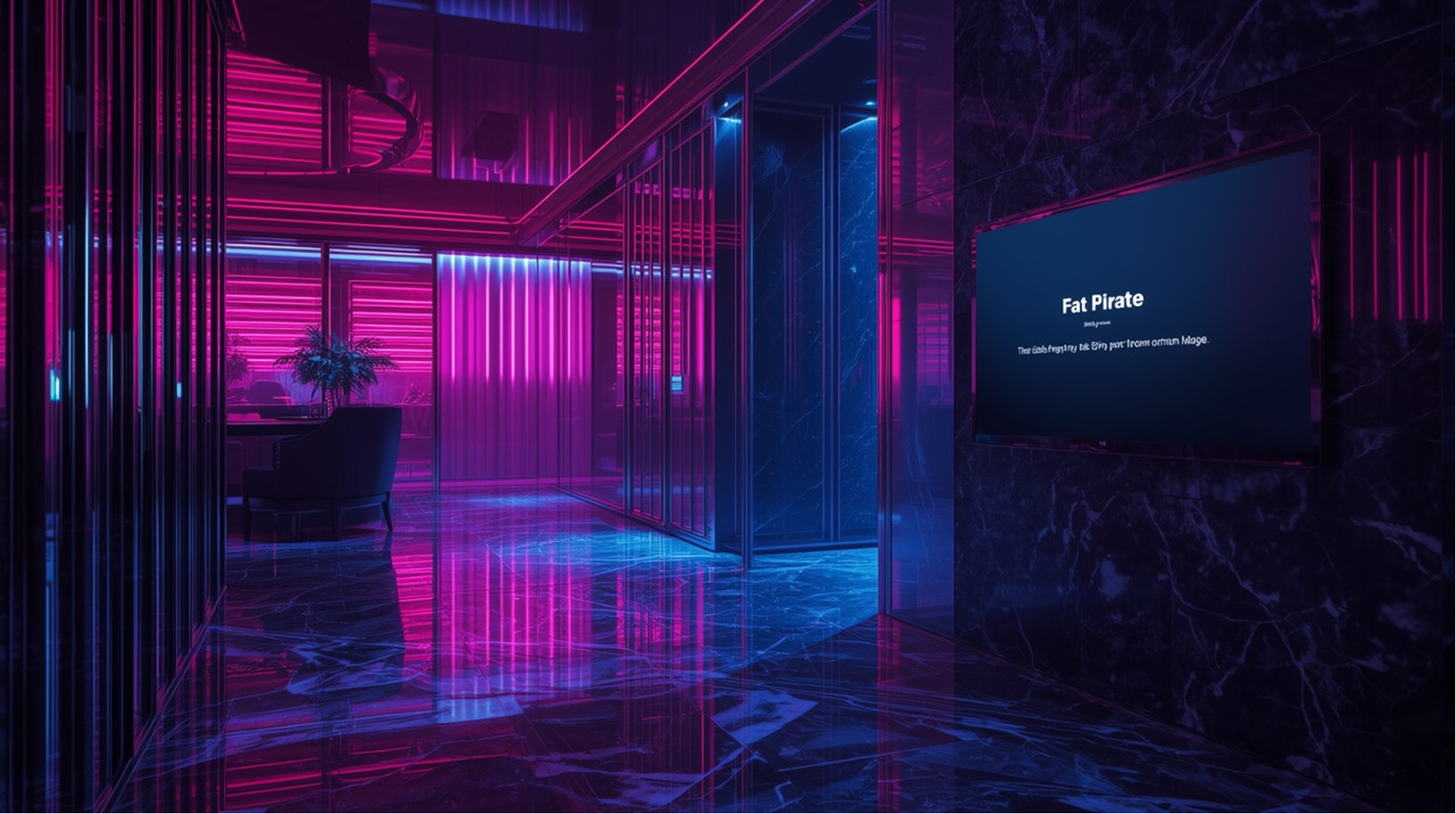
Neon has long existed on the edge of cultural expression, but in contemporary cinema it has evolved into a fully developed visual language. Filmmakers use luminous colour palettes, reflective surfaces and deep nightscapes not simply as decorative tools but as expressive frameworks that shape narrative tone. This aesthetic mirrors the emotional intensity of urban nightlife and the allure of luxury environments, merging them into cinematic experiences that feel both immersive and psychologically charged.
The resurgence of neon in film is not a nostalgic return to its 1980s associations. Instead, directors adopt a more refined approach that incorporates modern notions of elegance, ambiguity and emotional depth. Scenes drenched in saturated light communicate vulnerability just as effectively as glamour. In some cases, neon underscores detachment; in others, it amplifies intimacy. The visual tension created by these contrasts echoes the layered dynamics found in digital entertainment spaces, including experiences like Fat Pirate Casino, where light, colour and atmosphere influence perception and engagement.
The Urban Night as a Cinematic Stage
Many directors view city nightlife not only as a setting but as a character. The interplay of darkness and illumination provides a natural foundation for storytelling. In densely populated spaces, neon absorbs the chaos of movement and transforms it into rhythm. When a character walks through a glowing street, the surrounding environment shapes their emotional state as much as dialogue or action.
The modern neon aesthetic also serves as a symbolic bridge between realism and stylisation. Even films grounded in everyday life can incorporate visually heightened nightscapes to communicate psychological tension. This blending of truth and abstraction allows filmmakers to explore themes of identity, desire and transformation through visual means. The nightlife aesthetic becomes a space where narrative meaning expands rather than narrows.
The layered composition of neon sequences mirrors dynamics seen in designed environments such as fat-pirate1.com, where atmosphere influences the user’s sense of immersion. In film, the same principle applies: the environment shifts how viewers interpret emotional cues, absorbing them into the director’s intended mood.
Luxury, Reflection and the Emotion of Surfaces
Luxury plays an increasingly important role in the neon-saturated worlds of contemporary cinema. Directors often combine reflective architecture, polished interiors and illuminated textures to create environments that convey both aspiration and fragility. These surfaces represent more than aesthetic choices; they reveal emotional contradictions beneath characters’ external confidence.
Reflection operates as a metaphor for dual identity. A brightly lit surface suggests clarity, yet the distorted image it produces hints at instability. Night-time luxury settings — rooftop lounges, high-rise apartments, exclusive clubs — become stages where characters confront their own contradictions. The glow works simultaneously as a shield and an exposure.
This approach to visual storytelling parallels interactions in atmospheric digital systems like Fat Pirate Casino, where reflective elements heighten sensory engagement. In cinema, directors use similar visual strategies to reveal layers beneath the narrative surface, drawing audiences into psychological spaces that feel both intimate and elusive.
Colour as Narrative Structure
Colour theory has become central to contemporary neon-driven filmmaking. Directors choose palettes not for decoration but for narrative precision. Cool blues and violets often emphasise alienation or introspection. Warmer tones — pinks, ambers, reds — signal tension, sensuality or emotional escalation. When combined with neon luminosity, these colours create a sense of motion even in static scenes.
Colour-driven storytelling enables directors to communicate emotional transitions without explicit exposition. A shift from muted tones to saturated neon can signify a character’s transformation or the escalation of internal conflict. The use of colour also shapes audience perception of time. Neon environments collapse temporal boundaries, making scenes feel suspended between reality and imagination.
The structure of these visual elements resembles the experience of exploring stylised digital landscapes such as Fat Pirate Casino, where colour and rhythm guide perception. In film, the audience absorbs these cues subconsciously, allowing the director to shape emotional interpretation with minimal dialogue.
The Psychological Impact of Neon Environments
Neon aesthetics carry psychological implications that extend beyond visual impact. The interplay of brightness and shadow generates emotional tension. Intense illumination amplifies small gestures, while darkness conceals nuance. This duality allows filmmakers to explore themes such as vulnerability, secrecy and internal conflict.
Audience perception changes within neon-saturated scenes, as the sensory environment heightens awareness. Viewers interpret expressions and movements differently under coloured light. A simple glance can feel charged; a pause becomes meaningful. The heightened sensory context increases emotional stakes without altering plot structure.
The immersive quality of neon parallels experiences found in environments designed to evoke focus and heightened perception, including digital spaces related to Fat Pirate Casino. The psychological connection arises from sensory engagement rather than content. In both cases, the mind responds to contrast, luminosity and rhythm by sharpening attention.
Why Neon Continues to Define Modern Cinematic Style
The persistence of neon in contemporary cinema is not merely an aesthetic trend. It reflects a deeper shift in visual storytelling, where mood and environment play roles as significant as character development. Directors employ neon not to replicate nightlife but to reinterpret it. Night-time cityscapes become emotional landscapes. Luxury becomes a metaphor for identity. Light transforms into a narrative tool.
As digital culture increasingly shapes visual expectations, neon provides filmmakers with a flexible, expressive medium that resonates with modern audiences. It offers familiarity without predictability, depth without heaviness and abstraction without confusion. It bridges realism and imagination through visual cues that communicate emotion intuitively.
Cinema continues to evolve, but neon remains one of its most powerful visual languages — capable of conveying atmosphere, conflict and transformation in ways that transcend dialogue.