By Tom Oakley
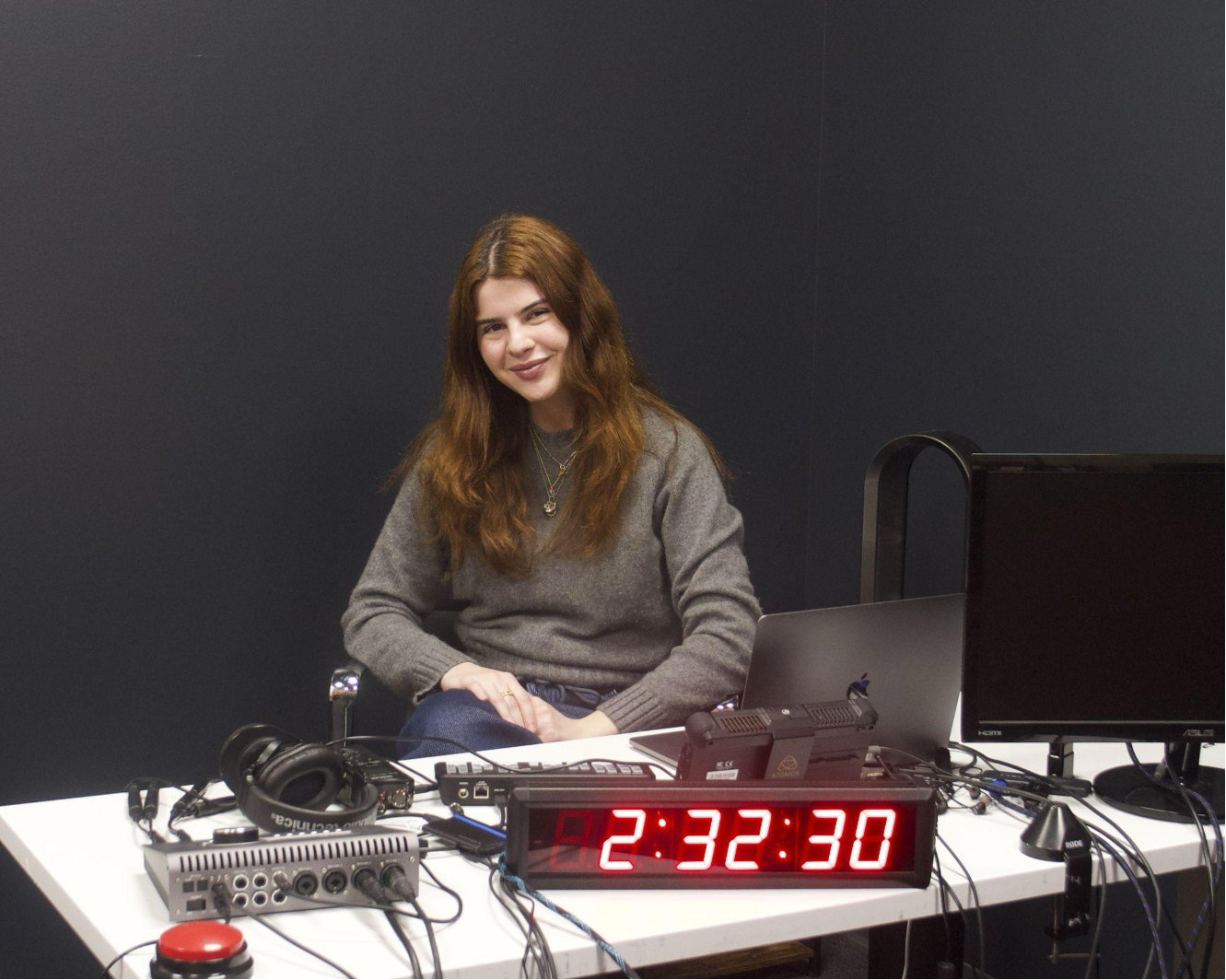
In an era where audio content is king, Flora Warshaw stands out in podcast production. The accomplished producer, known for her work on the International Spy Museum’s “SpyCast” and the award-winning “Million Bazillion,” offers a glimpse into her media career and the future of podcasting, showing how audio can elevate a brand and connect with global audiences.
Podcasting is increasingly growing; over the past decade, podcasting has grown 355% over the past decade, in Edison Research’s The Podcast Consumer 2025 report. According to Podcast Statistics, there are roughly 600 million people who listen to podcasts globally. In the US, roughly 158 million listen to podcasts every month, which is roughly one third of the country’s population. On average, podcast fans spend seven hours a week listening to their favorite podcasts.
With a Master of Science in Journalism from Columbia University, Warshaw has carved a niche in impactful audio storytelling. Warshaw began her role in audio production, working for Marketplace podcasts, a public media outlet that gets over 1.6 million listeners from all their podcasts combined. She worked on Million Bazillion, a financial education podcast for children that won a 2023 Webby Award for the Kids & Family category.
Warshaw now spearheads “SpyCast,” the world’s oldest espionage podcast, a testament to her leadership and production prowess. The show consistently ranks in the top 0.1% of global podcasts, according to podcast search engine Listen Notes, attracting thousands of weekly downloads with its high-caliber interviews from the intelligence community (according to Rephonic, SpyCast gets roughly 16,000 listeners per episode). Whether it’s retracing the hunt for Bin Laden, to political assassinations in history, and interviews with former CIA agents, all of the video interviews are uploaded to the SpyCast YouTube channel, alongside the audio that can be found wherever you get your podcasts.
For institutions like the International Spy Museum, a podcast serves as more than just a marketing tool; it’s a platform for asserting authority and shaping public discourse. Warshaw explains, “The museum does not just display the history of espionage, but through the podcast medium, we can actually shape the conversations around this subject,” she said.
“SpyCast” leverages the museum’s outreach to secure high-profile guests, turning these interviews into compelling narratives that reach a global audience. Warshaw cites a recent example: “We recently interviewed Bryan Stern just days after he exfiltrated María Corina Machado from Venezuela,” she said. “Because of the museum, we have the backing and authority to garner such high profile guests, but because of the podcast, we can bring these stories to an even wider audience.”
Engagement is key to maintaining a dedicated listenership. Warshaw’s team monitors download numbers to gauge audience interest and offers unique experiences, such as live podcast recordings for Spy Museum members. “We normally record for about an hour that then gets whittled down to a tight 28-30 minutes, so it’s a really fun way for SpyCast fans to see the full version,” she notes.
The success of “SpyCast” isn’t an isolated incident. Warshaw points to other cultural institutions effectively using podcasts. “The Smithsonian does an amazing podcast called ‘Sidedoor’ that takes listeners beyond the museum experiences,” she shares. “It’s all about offering listeners more than they can just see when they walk through an exhibition door.” This approach highlights the power of audio to provide deeper context and behind-the-scenes insights, enriching the audience’s connection to the brand.
The world of podcasting is no longer solely about audio. As the podcasting bubble continues to grow, Warshaw emphasizes the need for a multi-platform strategy. “A podcast has to now be more than just the podcast. There has to be social media advertising, a video version of the podcast, newsletters, the list goes on,” she said, acknowledging the challenge this presents to traditional audio producers.
To keep pace, “SpyCast” introduced a video component just a year ago. “We get a totally different audience for the videos, who just got their podcasts from visual channels, which I find so interesting,” Warshaw explains. The team also produces reels and highlights for various social media platforms. This shift has implications for skillsets within the industry, with video editing becoming an increasingly vital requirement for producers.
In a market flooded with podcasts, Warshaw believes “SpyCast” stands out through its “consistency and legacy.” Having released episodes since 2006, the show has built a deep trust with its audience, as it celebrates its 20 year anniversary in 2026. Furthermore, the rigorous guest selection process ensures only the “best content” is produced, contributing to its unique offering. “We also stand out just simply because of the high calibre of guests we have on our show,” she notes.
For aspiring podcasters, Warshaw’s advice is clear and concise: “I would advise aspiring podcasters to really be clear on what you want the mission of your show to be and try to stick to that. If an audience can see your passion for your subject matter, then success will naturally follow,” she said.
Words by Tom Oakley