Noemi Iten is a Swiss strategist based in New York, working at 2×4 across luxury brands, cultural institutions, and emerging sectors. Her projects include Pradasphere II, the landmark exhibition in Shanghai developed in collaboration with Miuccia Prada and Raf Simons, Miu Miu’s 30 Blizzards, a Helen Marten performance and exhibition in Paris, and Chromasonic, an immersive neuroarts experience based in LA. While these projects share little on the surface, the strategic clarity informing each one reflects a consistent methodology.
Brand strategy is, at its core, a foundational discipline: it establishes the terms under which everything a brand produces becomes legible, from visual identity to campaigns to spatial presence to the way it speaks. “It is the framework that holds everything together, even as the expressions take different forms,” Iten says. The work requires a particular kind of cultural reading, the ability to sense where things are heading before they announce themselves. Iten has that sensibility, but she is quick to question purely trend-driven thinking as a guiding principle. Taste, she argues, is the more durable currency, especially as traditional markers of luxury continue to shift.
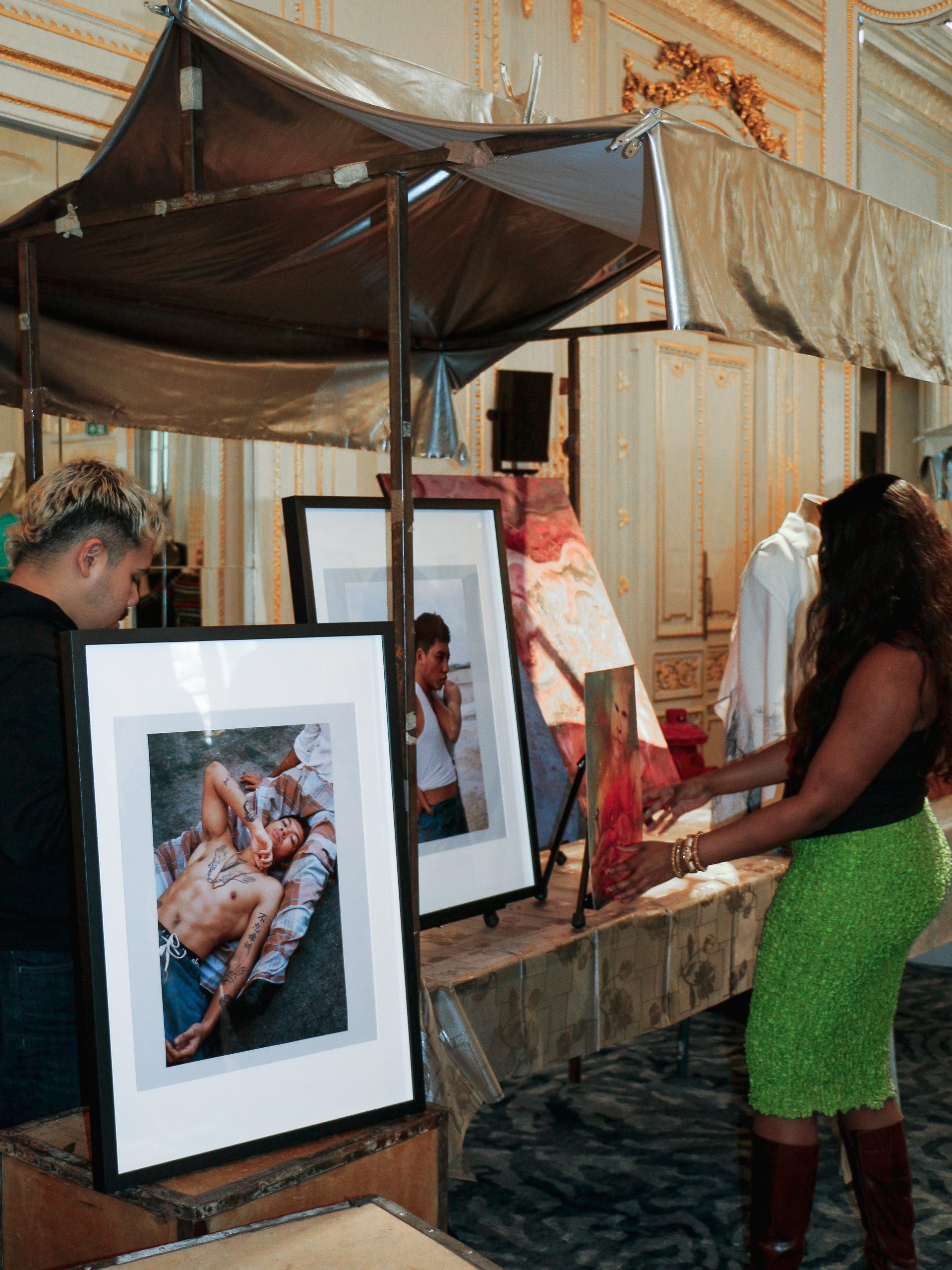
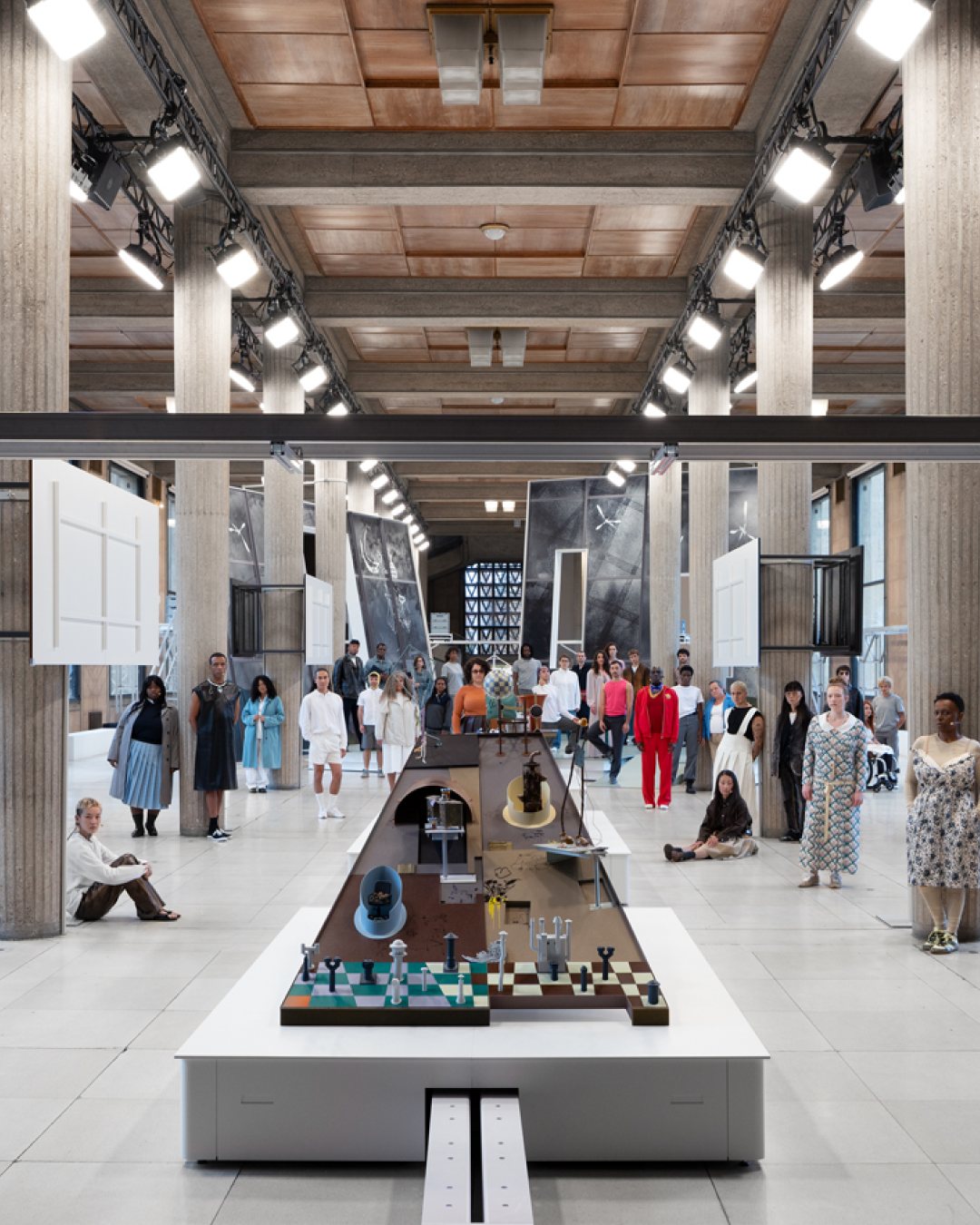
For 30 Blizzards, Helen Marten’s performance and exhibition supported by Miu Miu, the task was to develop a coherent editorial system that could hold the work’s complexity without flattening it. A bold serif logotype placed in dialogue with Marten’s hand-drawn illustrations, paired with an exhibition guide conceived within literary rather than gallery conventions, created the conditions for visitors to encounter the work on its own terms.
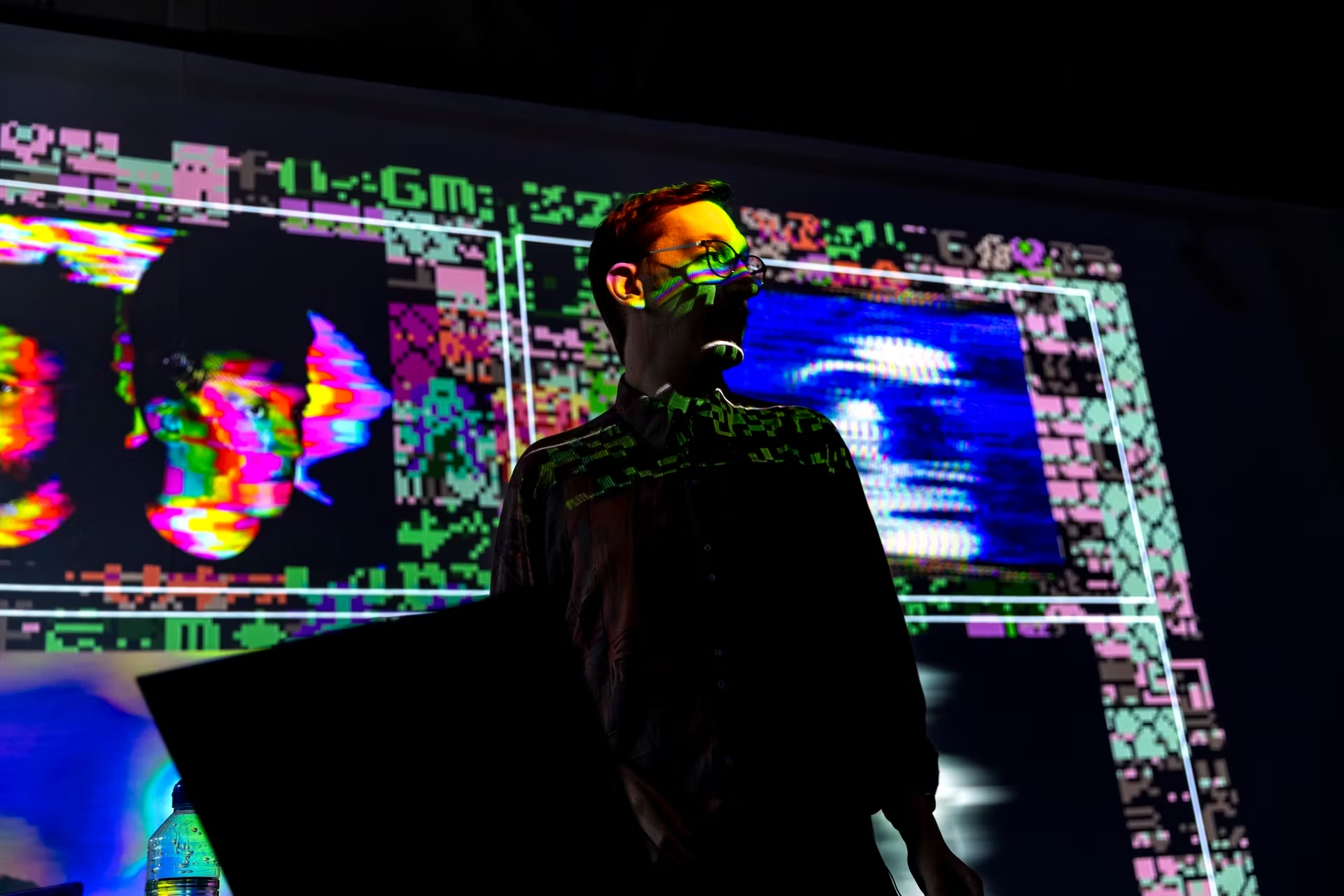
Chromasonic presented a different kind of challenge: helping to build a brand identity for a field with no established vocabulary, visual or otherwise. The system drew directly from the experience itself, which converts sound into light and light into sensation. Bold color, shifting saturation, and a rhythmic use of typography ensured that the visual language did not merely describe the experience but enacted it.
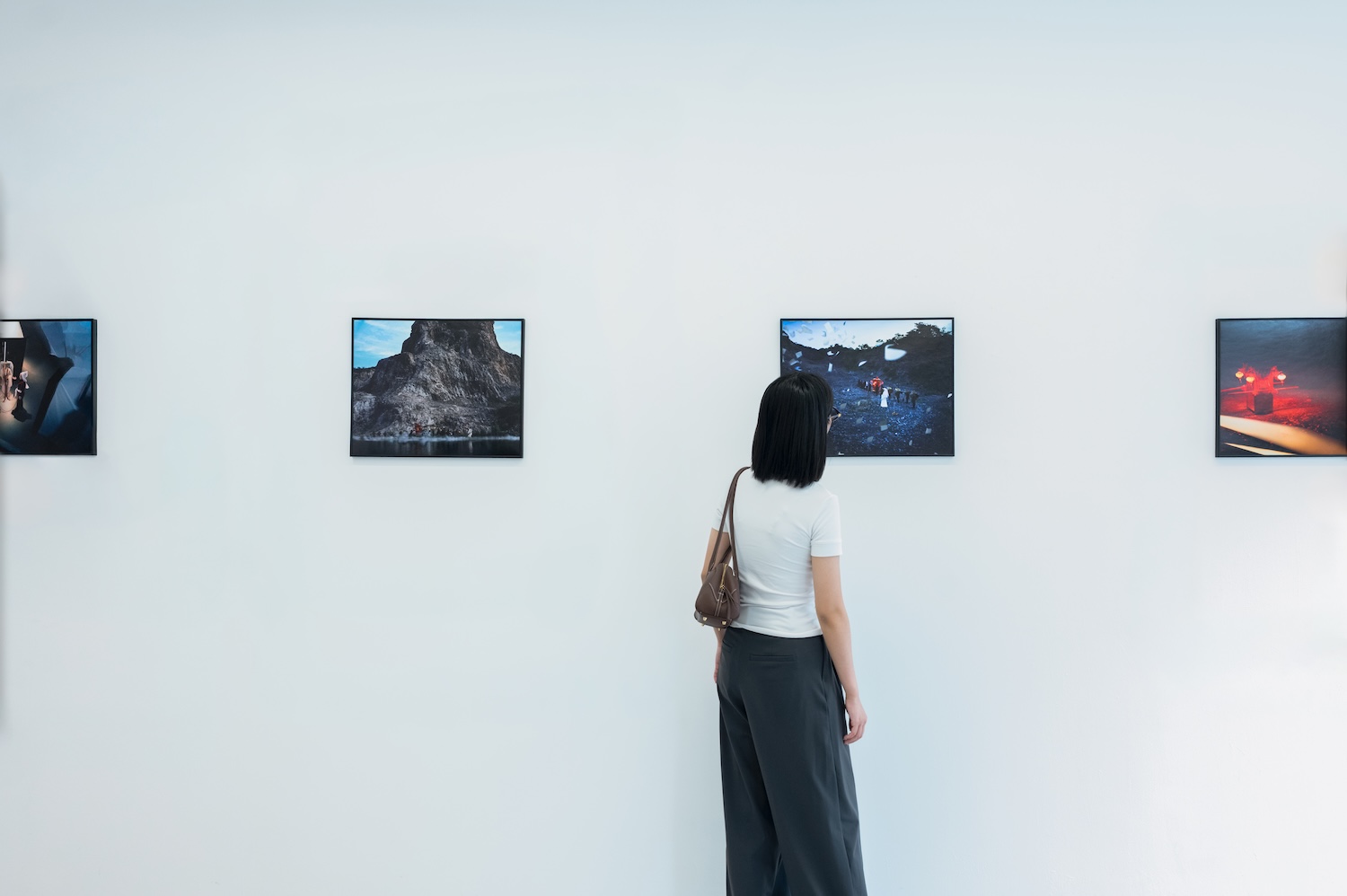
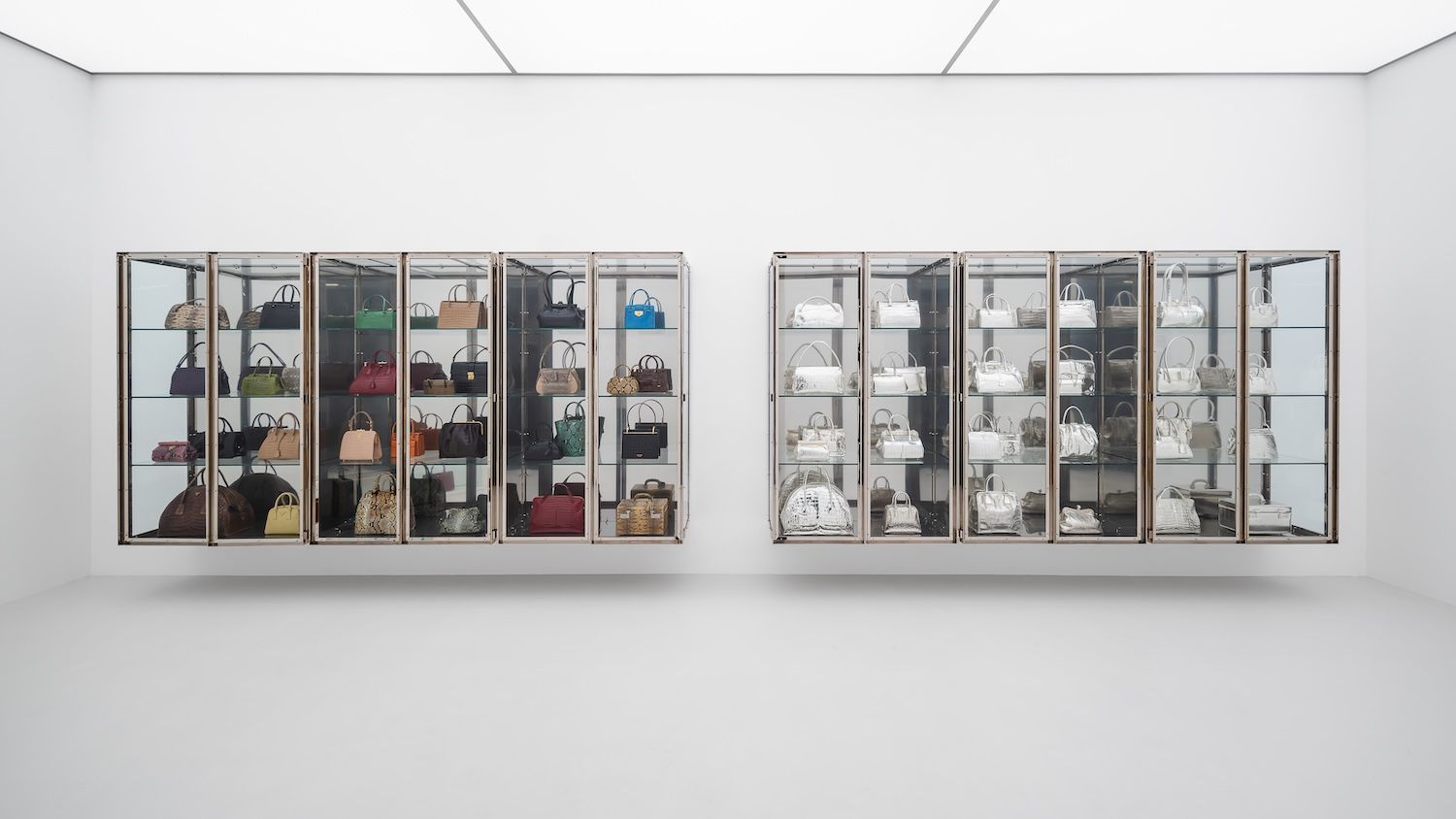
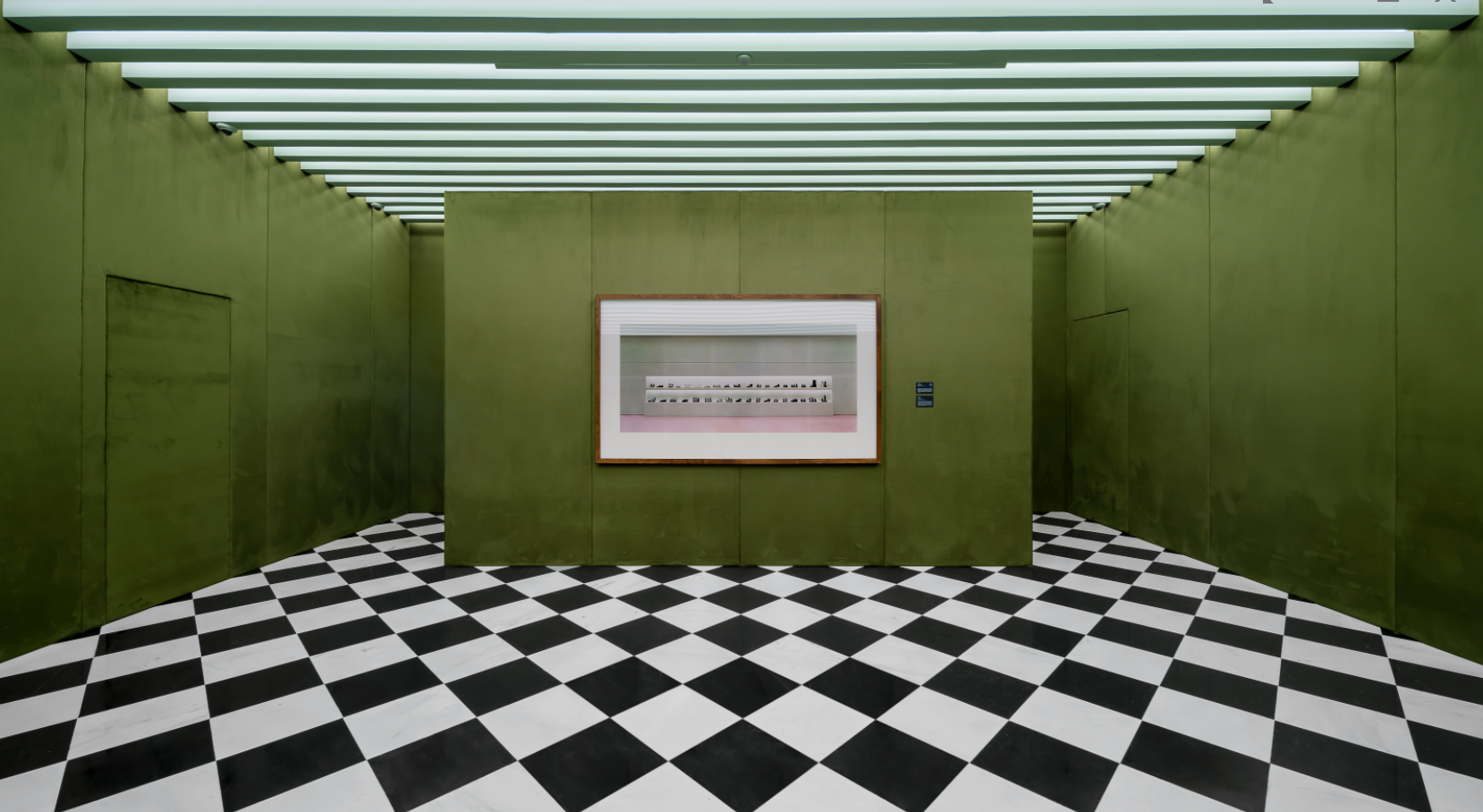
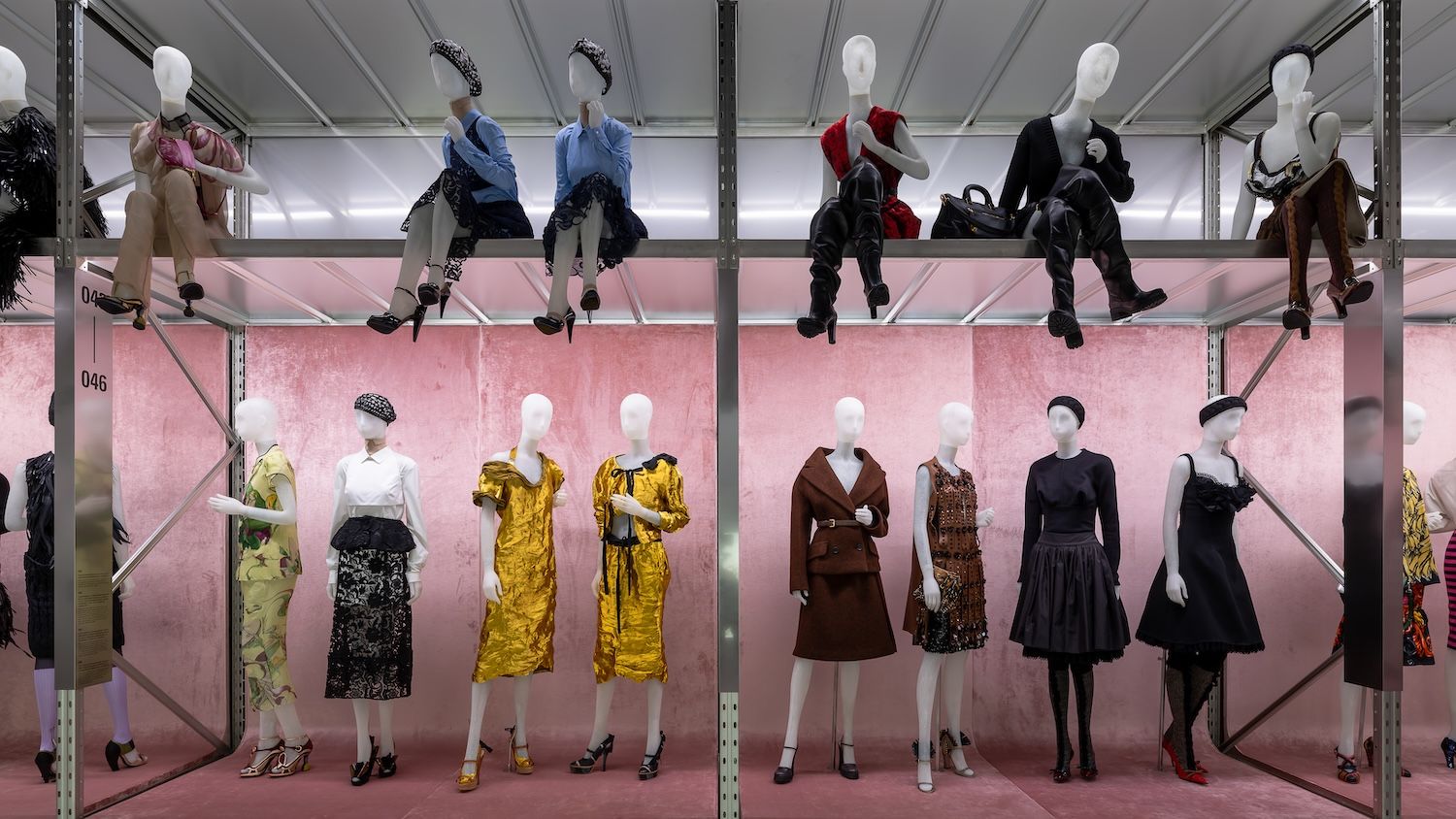
Pradasphere II stands as one of the most ambitious projects Iten has been part of. One hundred and ten years of Prada’s history proved both a rich foundation and a curatorial challenge. Nostalgia and chronology were the obvious solutions, and both were set aside. Working alongside Miuccia Prada and Raf Simons, the 2×4 team built a framework that treated the archive as a product of its components: fashion, architecture, film, materiality, and a spirit of continuous reinterpretation. The aim was to generate meaning across each of these contexts, rather than imposing a single authorized direction.
Each of Iten’s projects arrives with its own logic, its own constraints, its own sense of what a brand needs to be. That none of them look alike is not incidental. It reflects a commitment to the specific demands of each context over any house style or self-referential tendency. What each project ultimately demonstrates is a strategist with the cultural fluency and precision to understand what a brand needs, how to bring it to life, and how to make it last.