If you own a dog, a horse, or both, you already know how much love and energy goes into their daily care. You feed them well, exercise them regularly, and make sure they are comfortable. But here is something most animal owners quietly overlook: the small, routine health checks that sit between the obvious and the forgotten.
These are not complicated procedures. They do not require a vet on speed dial for every visit. They are simply consistent habits that, when practised regularly, keep your animals in much better shape for the long run. This guide is for the everyday owner who wants to do right by their animals without overcomplicating things.
Source: https://unsplash.com/photos/brown-tabby-cat-on-brown-wooden-table-L8o2sIPSOnc
Why Preventive Care Matters More Than Most Owners Realise
The Problem With Waiting for Something to Go Wrong
Most health problems in animals do not appear overnight. They build slowly, quietly, and often without obvious signs until the condition has already progressed. By the time your dog is scratching constantly or your horse is losing weight, something has likely been brewing for weeks.
Reactive treatment is almost always more expensive, more stressful, and harder on the animal than early intervention. Preventive care is not about being overly cautious. It is about being observant and consistent.
What Preventive Care Actually Looks Like
It looks like a quick once-over before you put the lead on your dog. It looks like watching how your horse moves when you let them out in the morning. It is noticing when something feels slightly off and acting before it becomes a real problem. Small habits, done consistently, carry enormous weight over time.
Ear Health in Dogs and Why It Gets Ignored
How Ear Problems Quietly Develop
Dogs’ ears are surprisingly vulnerable. Their anatomy, especially in floppy-eared breeds, creates a warm and enclosed environment where moisture and debris can build up easily. Dogs that swim regularly, spend time outdoors, or have narrow ear canals are particularly prone to developing infections.
The tricky part is that early-stage ear problems rarely cause dramatic symptoms. Your dog might shake their head a little more than usual or scratch occasionally, and most owners chalk it up to nothing. By the time there is visible discharge or a noticeable odour, the infection has usually taken hold.
What to Check and How Often

Source: https://unsplash.com/photos/white-and-brown-short-coated-dog-on-white-couch-_kRH3sx-__A
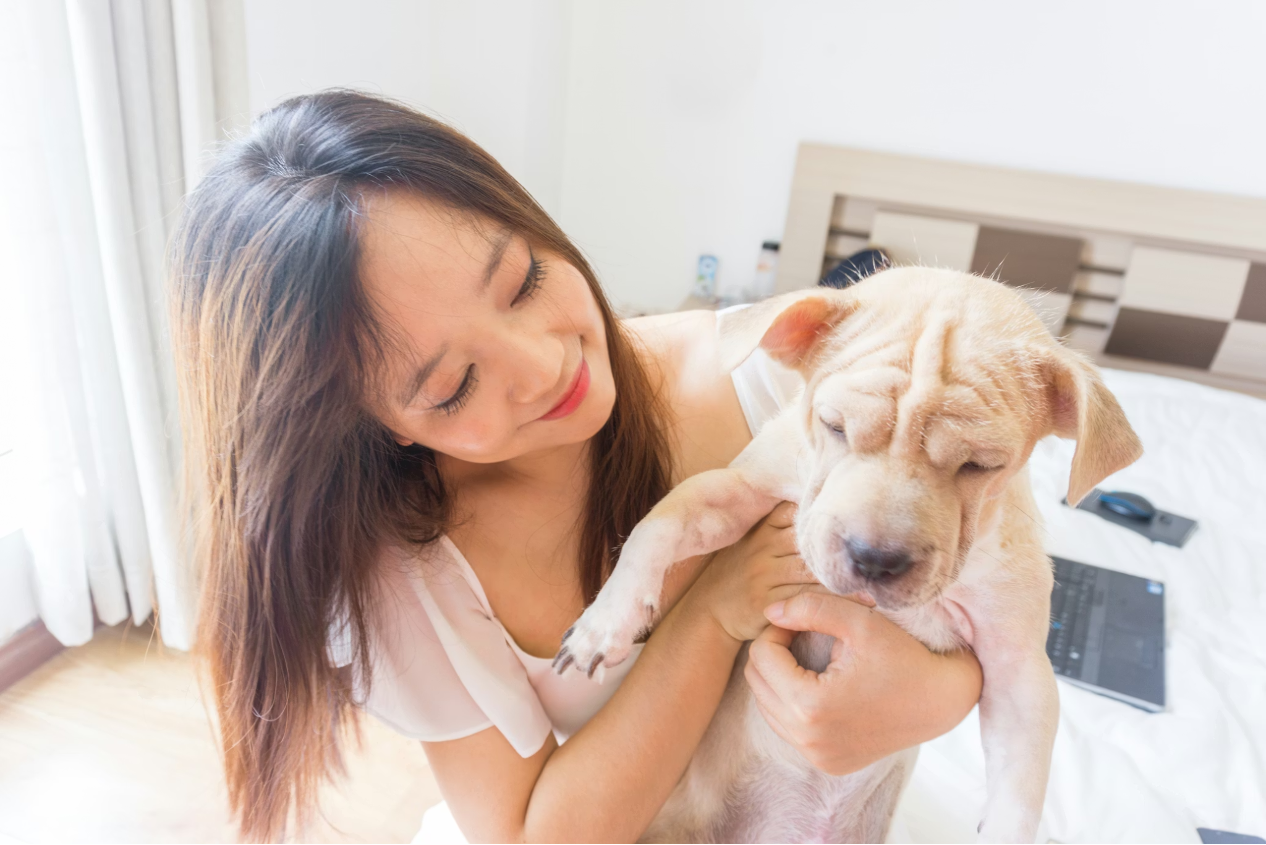
Get into the habit of checking your dog’s ears at least once a week. You are looking for redness, unusual smell, dark discharge, or any sign of tenderness when you gently touch the ear flap. Healthy ears should look clean and pale pink inside, with no strong odour.
For routine at-home ear hygiene, using a quality ear solution makes a real difference in keeping things clean between vet visits. If you are not sure where to start, you can shop dog ear drops through a reputable pet pharmacy to find options suited to your dog’s specific needs. Always follow product instructions and consult your vet if you notice anything unusual during your checks.
Physical Inspections That Often Get Rushed
Checking Your Dog From Nose to Tail
A proper at-home check for your dog does not take long, but most owners skip parts of it without realising. Run your hands along your dog’s body and feel for any new lumps, tender spots, or changes in coat texture. Check their paws for cracked pads, embedded debris, or swelling between the toes. Look at their eyes and gums. Pale gums or cloudy eyes are worth a vet conversation.
Monthly is a reasonable baseline for a thorough check, with lighter weekly checks in between.
What to Look For When Checking Your Horse
Anyone drawn to the ranch lifestyle quickly learns that horses are excellent at masking discomfort, which makes daily observation genuinely important. Before and after exercise, take a moment to look at their legs for heat or swelling, check their hooves for lodged stones or early signs of thrush, and observe their overall posture.
Changes in behaviour are often the first clue that something physical is going on. A horse that is suddenly reluctant to move, quieter than usual, or off their feed deserves a closer look. You do not need to be an expert to notice that something is different. You just need to pay attention consistently.
Parasite Control in Horses and Why It Cannot Be Skipped
The Hidden Impact of Internal Parasites
Worms are one of the most common and most underestimated health threats for horses. Internal parasites affect digestion, interfere with nutrient absorption, and, over time, can cause significant weight loss, a dull coat, and general lethargy. Horses pick up parasites through grazing, and those kept on shared pastures or in yards with other horses are at higher risk.
Young horses and rescues are especially vulnerable, as their immune systems may not yet have built up resistance to common parasite loads.
Building a Worming Routine That Actually Works
A proper worming schedule is not a one-size-fits-all situation. Faecal egg counts are the most reliable way to understand your horse’s actual parasite burden before choosing a treatment. This helps avoid unnecessary worming and also reduces the risk of parasites developing resistance to treatments over time.
Seasonal timing matters too. Spring and autumn are typically the most important treatment windows, though your vet or equine health provider can advise on what suits your region and your horse’s individual circumstances. When it is time to source treatment, you can shop horse dewormer products through a trusted equine supplier to ensure you are using quality, vet-approved options that are appropriate for your horse’s age and weight.
Keeping It All Together When You Own Both
Using a Simple Health Calendar
When you have both a dog and a horse to look after, things can fall through the cracks. A basic health calendar, even a handwritten one, helps you track when each animal was last checked, treated, or seen by a vet. It removes the guesswork and means nothing gets accidentally skipped during a busy season.
Knowing When to Call a Vet
Home care is appropriate for routine preventive habits. But any products or treatments you use at home should complement professional veterinary advice, not replace it. If something does not look right or a condition is not improving, call your vet. That is not overreacting. That is responsible ownership.
Conclusion
Good animal care is rarely about grand gestures. It is about showing up consistently, paying attention, and acting early when something seems off. Whether you are a dog owner, a horse owner, or managing both, the habits outlined here are achievable, practical, and genuinely make a difference. Your animals cannot tell you when something is wrong, so building these checks into your regular routine is one of the most valuable things you can do for them.
FAQs
How often should I be checking my dog’s ears? A quick weekly check is a good habit for most dogs. Breeds with floppy ears or dogs that swim regularly may benefit from more frequent monitoring. If you notice any odour, discharge, or scratching, do not wait for the next scheduled check.
What signs suggest my horse might have a worm problem? Common indicators include unexplained weight loss, a dull or rough coat, reduced energy, and changes in manure consistency. Some horses show very few obvious signs, which is why routine faecal egg counts are a more reliable monitoring method than waiting for symptoms.
Can I handle ear care and worming at home without a vet? Routine preventive care, such as regular ear cleaning and a planned deworming schedule, can be managed at home with the right products. However, diagnosis of infections or decisions about treatment resistance should always involve a vet.
How do I choose the right wormer for my horse? Start with a faecal egg count to understand your horse’s current parasite load. The result, combined with your horse’s age, weight, and history, will guide which type of treatment is most appropriate. Your vet or equine health provider can help you make the right call.