Peptides have become skincare’s most overused word. They’re threaded through serums, moisturisers, eye creams — positioned as a softer, more sophisticated alternative to retinol, promising firmer, smoother, more resilient skin without the irritation. The branding is convincing. But the question behind it is harder to answer: do peptides actually deliver meaningful results, or are they simply skincare’s most persuasive narrative right now?
What do peptides do
At their simplest, peptides are short chains of amino acids — the building blocks of proteins like collagen and elastin. In topical skincare, certain peptides act as signals, encouraging the skin to produce more collagen, improve elasticity, and support repair processes. As Dr Corey L. Hartman, MD, FAAD, board-certified dermatologist and founder of Skin Wellness Dermatology, puts it:
“Topical peptides do offer benefits. They serve as signalling molecules communicating with cells to stimulate actions like production of collagen, elastin and other proteins important to skin scaffolding.” In practice, results depend heavily on which peptides are used, how they’re formulated, and whether they can actually penetrate the skin effectively.
The main categories you’ll encounter are signal peptides (linked to collagen support), carrier peptides including copper peptides (associated with repair), and neurotransmitter-inhibiting peptides — the ones typically marketed as “Botox in a bottle.” Some are backed by promising data. Many are included at concentrations that are less convincing. Almost all work gradually, not dramatically.
Peptides vs retinol: can they actually replace the gold standard?
Retinol remains one of the few skincare ingredients with decades of consistent evidence behind it. It accelerates cell turnover, stimulates collagen production, and visibly improves texture and pigmentation. Peptides don’t work in the same way — they don’t increase cell turnover, and they don’t deliver the same level of visible change, particularly when it comes to deeper lines or uneven skin tone. Dr Hartman is direct on this:
“Retinol has more benefits and more science-backed data than virtually any other active ingredient, so there will be few instances where I think that a peptide can outperform a retinol.”
Where peptides do have an edge is hydration and repair. “
Perhaps peptides have a superior role in retaining moisture which can lead to more hydrated and plumper skin, and by promoting faster wound healing and skin repair,” he adds.
So no, peptides don’t replace retinol but they offer something different and worth understanding on its own terms. For sensitive or compromised skin, they’re a genuinely lower-irritation option. For everyone else, they work best alongside stronger actives — a more preventative, long-term approach rather than a corrective one. If retinol is about transformation, peptides are about maintenance and reinforcement.
The shift towards skin longevity and where peptides fit
Skincare has been moving away from aggressive anti-ageing and towards something more considered: barrier strength, resilience, and long-term skin health. Dr Hartman sees peptides as fitting most naturally in a supporting role: “I’ve always believed that peptides function best as co-factors alongside other active ingredients that have more defined roles in strengthening the skin barrier, reducing moisture loss and improving overall hydration. They can also help to reduce inflammation and skin irritation.”
It’s also where they intersect with in-clinic treatments like polynucleotides, which focus on regeneration at a deeper cellular level. Peptides are also frequently used to support skin recovery after treatments like microneedling and lasers, helping to reduce inflammation and reinforce the repair process. Topical peptides don’t replicate those results — but they sit comfortably within the same regenerative conversation.
Part of the confusion around peptides is that they’re often included in low concentrations, mixed into overly complex formulas, and used too inconsistently to build any cumulative effect. To actually get something out of them: prioritise leave-on formulas over cleansers, apply on clean skin before heavier creams, pair with hydrating and barrier-supporting ingredients, and give them time. Results are subtle. They’re also one of the few actives that are genuinely well tolerated across most skin types, which makes them easy to layer into almost any routine without complication.
The ‘Botox in a Bottle’ Claim — Fact or Fiction?
The neurotransmitter-inhibiting peptide category — the one most aggressively marketed as a topical alternative to injectables — is where things get more nuanced. Dr Hartman is measured but not dismissive: “While there is no such thing as ‘Botox in a bottle,’ some of the newer peptides can help the effectiveness of Botox and even improve those fine static lines, particularly around the eye, that even Botox cannot tackle completely.” That’s a more interesting proposition than the marketing typically suggests — not a replacement, but a genuine complement to injectables for specific concerns.
Peptide formulas for every budget: tried, tested and genuinely loved
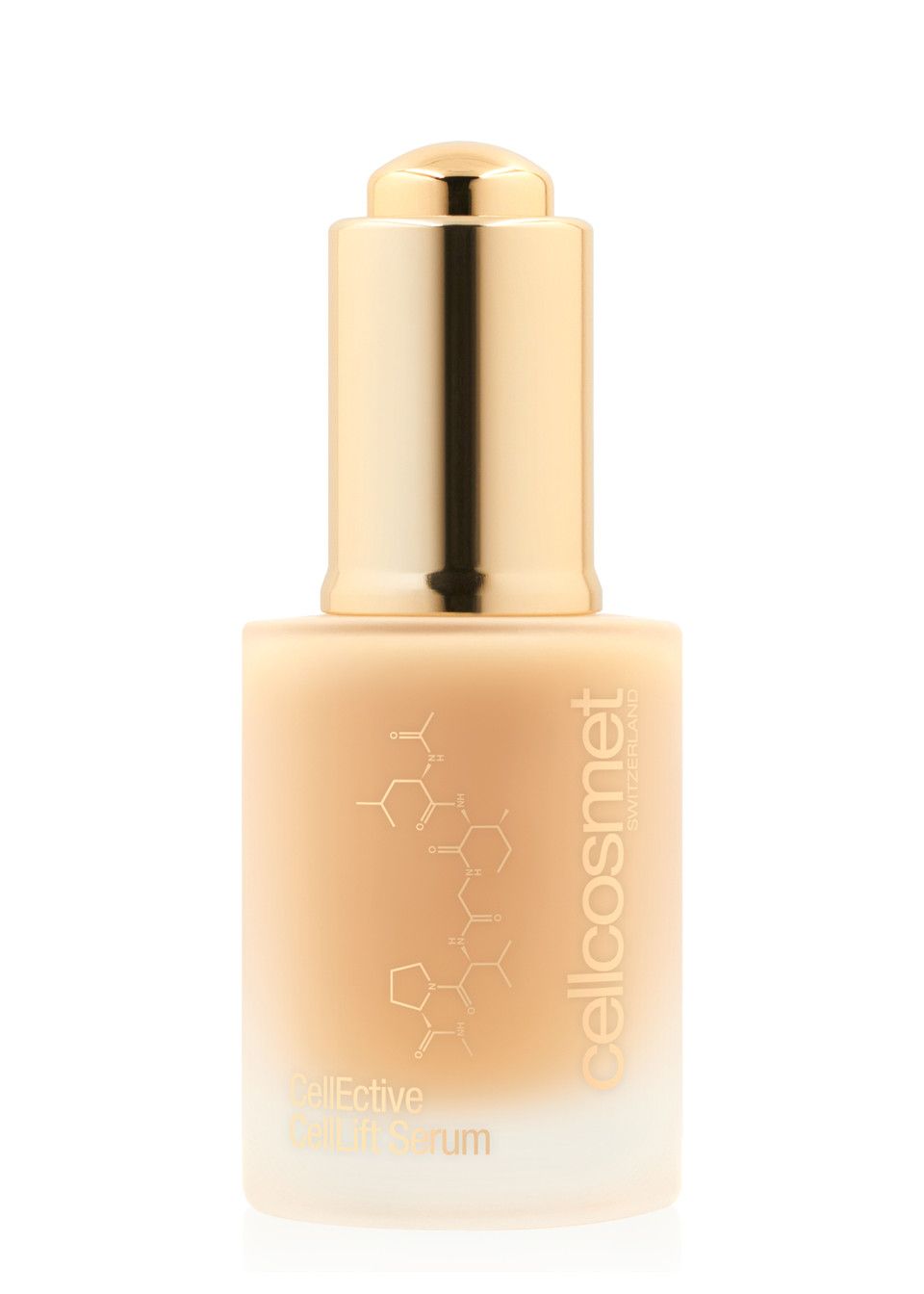
Cellcosmet CellEctive CellLift Serum
A true investment piece that leans into cellular technology and peptide-led repair. The texture feels as considered as its positioning, rich without being heavy — and it’s one of the few formulas that reads as treatment-led rather than trend-led. Yes, the price is eye-watering, this is very much a considered purchase.
Available at: harrods.com – £660 / 50ml
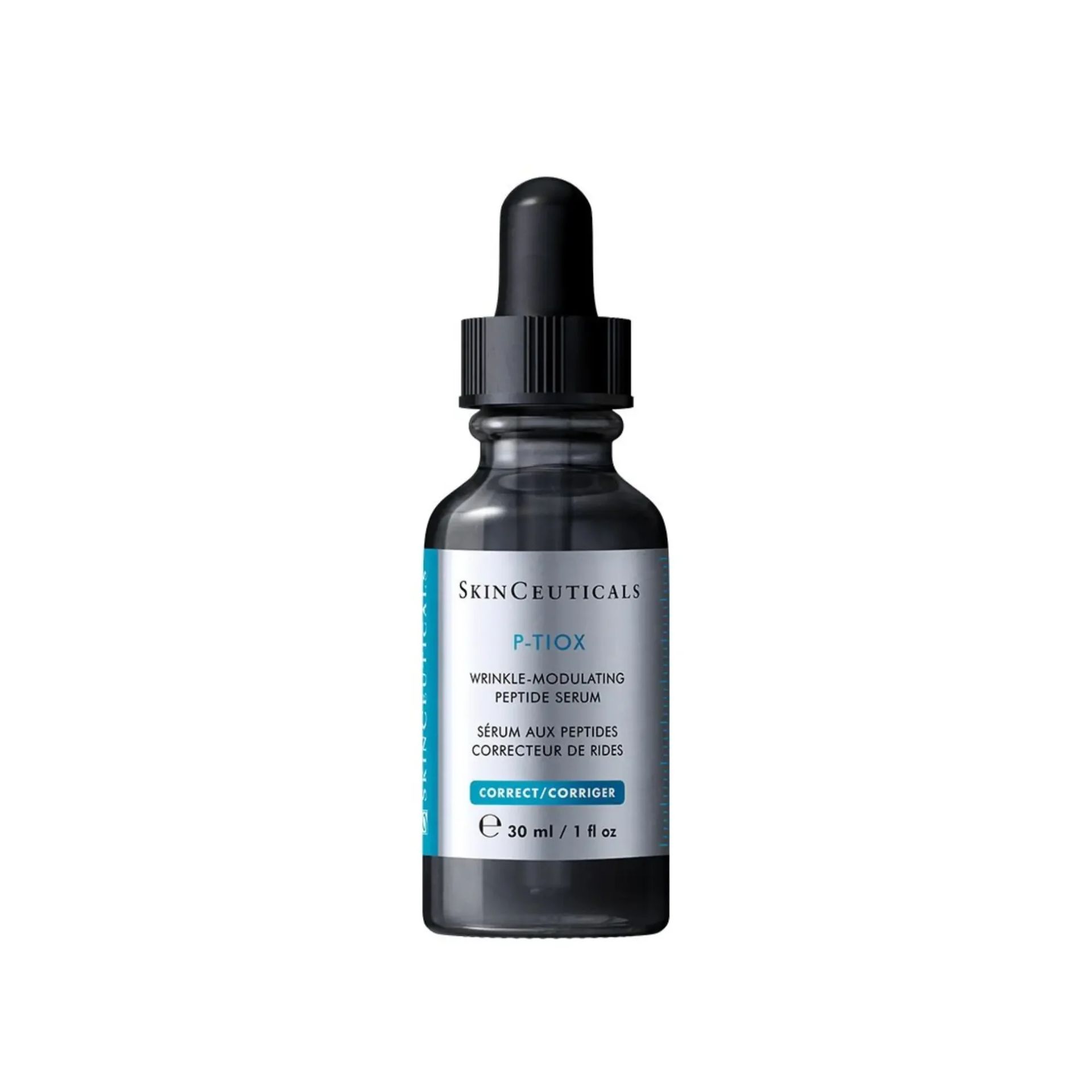
SkinCeuticals P-TIOX
Dr Hartman’s own pick, and one I keep coming back to. This combines advanced peptides with a strong clinical backbone, sitting in the space between serious skincare and injectables in a way that actually has credibility. A cream version is also due to launch imminently, Dr Hartman had the chance to preview it on patients, with impressive early results. Worth watching closely.
Available at: lookfantastic.com – £135 / 30ml
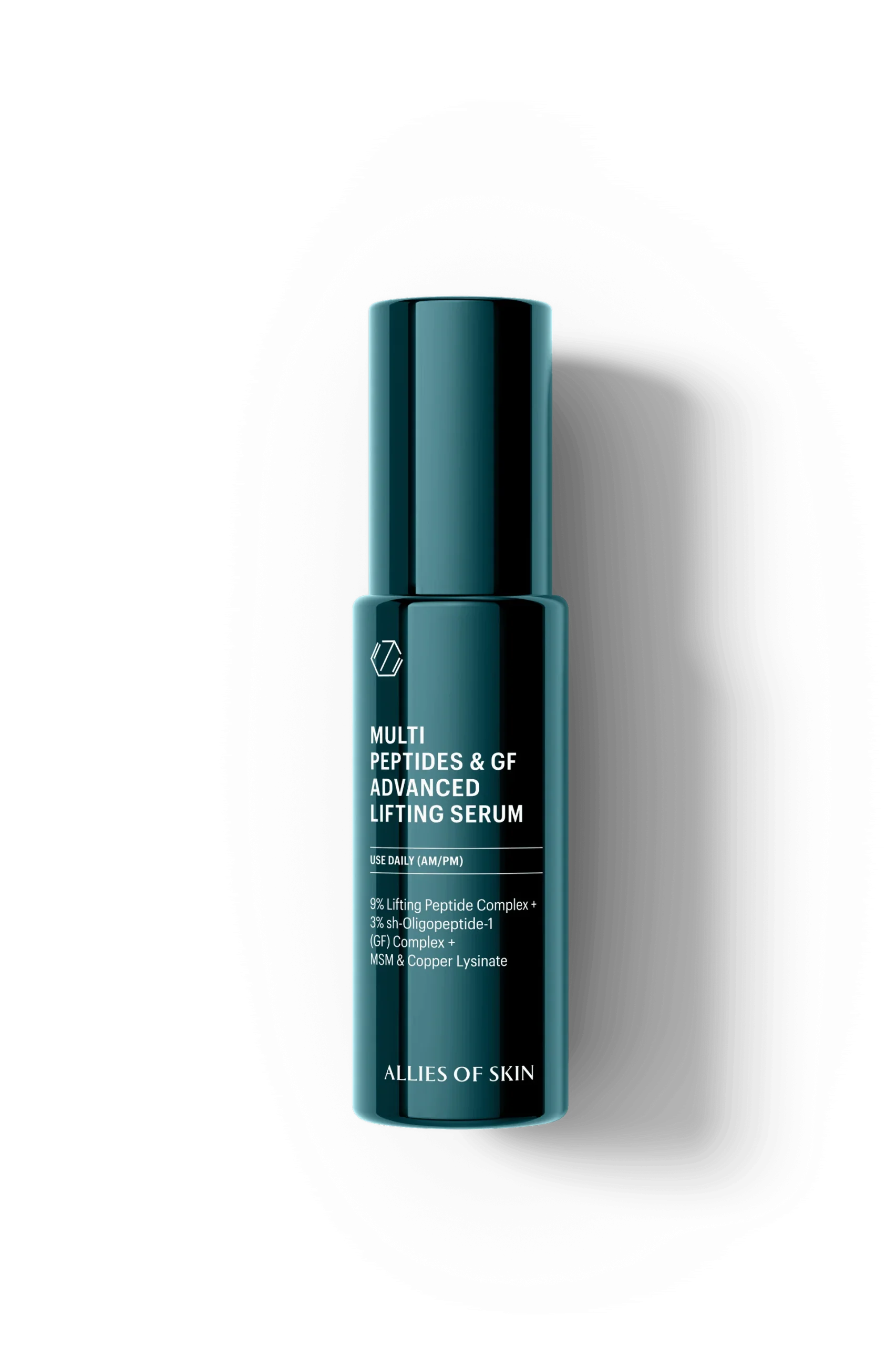
Allies of Skin Multi Peptides & GF Advanced Lifting Serum
This one goes further by combining peptides with growth factors, making it one of the more regenerative-leaning options I’ve tested. Results-driven and aligned with where skin science is heading — repair and resilience over surface-level smoothing. Another one that’s earned a permanent spot on my shelf.
Available at: cultbeauty.co.uk – £176 / 30ml
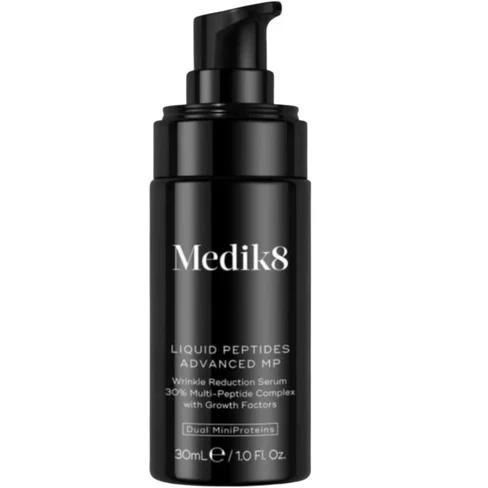
Medik8 Liquid Peptides Advanced
A reliable mid-range option that keeps the focus on collagen support without overcomplicating the routine. Lightweight, layerable, and consistently well-formulated — it does what it says without needing to shout about it. Great for building into an existing routine without disruption.
Available at: medik8.com – £79 / 50ml
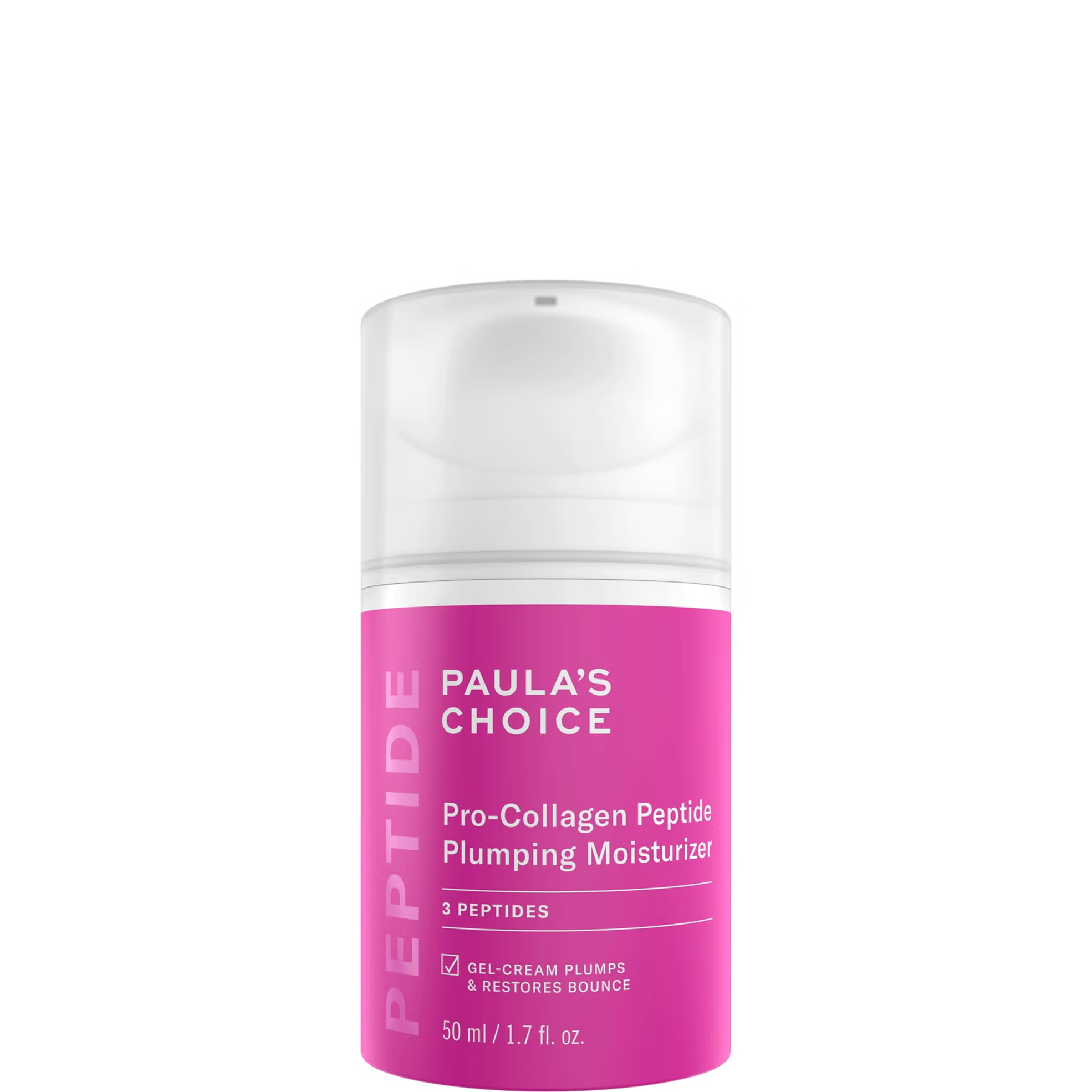
Paula’s Choice Pro-Collagen Peptide Plumping Moisturiser
For anyone who’d rather consolidate than add another serum step, this folds peptides into a hydration and barrier-support moisturiser. Effortless to use, and one I’d particularly recommend for those newer to actives or working with more sensitive skin.
Available at: paulaschoice.co.uk – £49 / 50ml
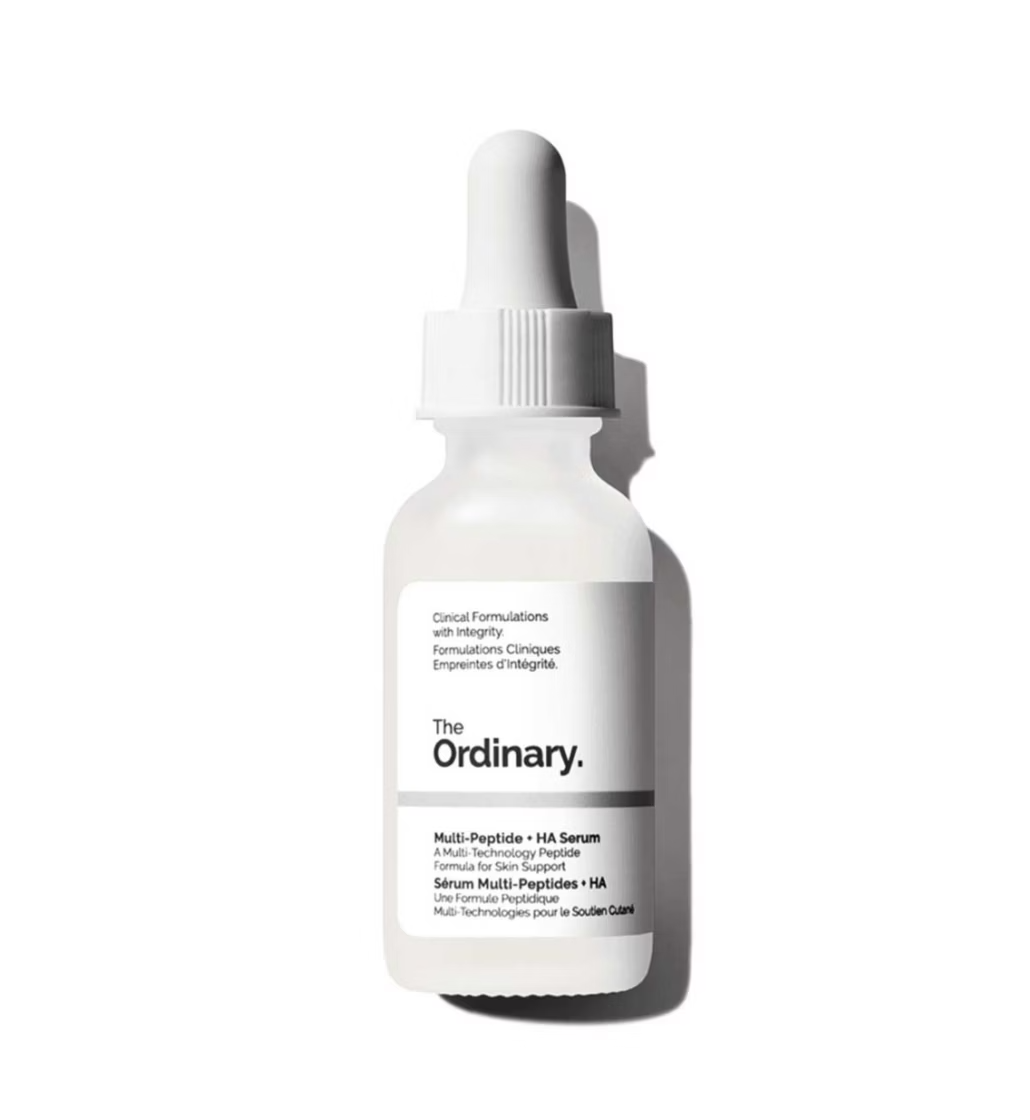
The Ordinary Multi-Peptide + HA Serum
The accessible entry point — and genuinely impressive for the price point. A straightforward peptide blend paired with hyaluronic acid, easy to layer, easy to commit to. A solid introduction to what peptides can actually do without the investment risk.
Available at: theordinary.com – £16 / 30ml
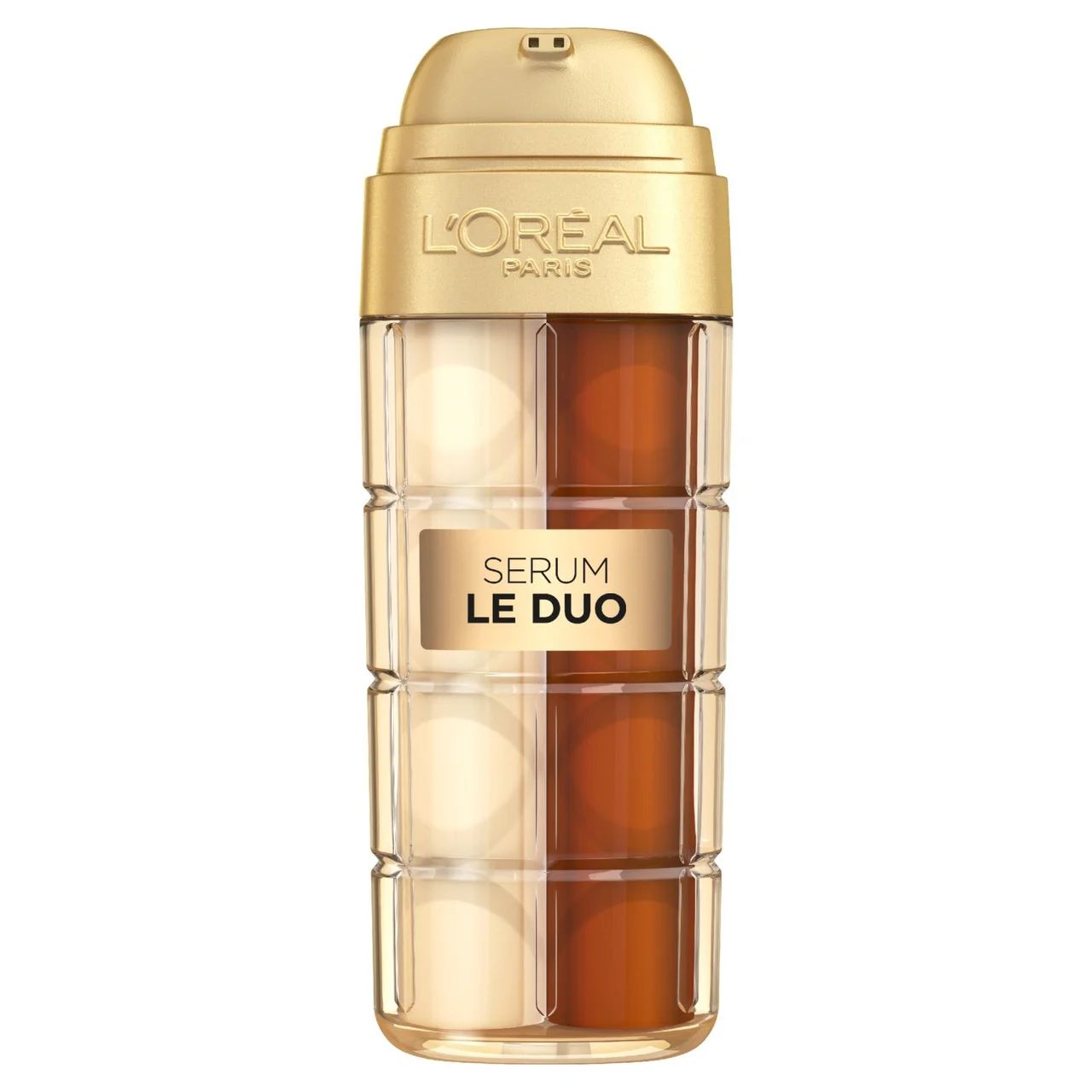
L’Oréal Paris Age Perfect Serum Le Duo
More considered than the high-street price point would suggest, and one that surprised me. A dual-phase formula that pairs peptides with complementary actives — proof that you don’t need to spend significantly to get a well-thought-out peptide product into your routine.
Available at: boots.com – £19 / 30ml
Peptides won’t give you a before-and-after moment, that’s just not what they’re built for. But less dramatic than retinol, less expensive than injectables, and more effective than most things in between? That’s a harder brief to fill than it sounds.