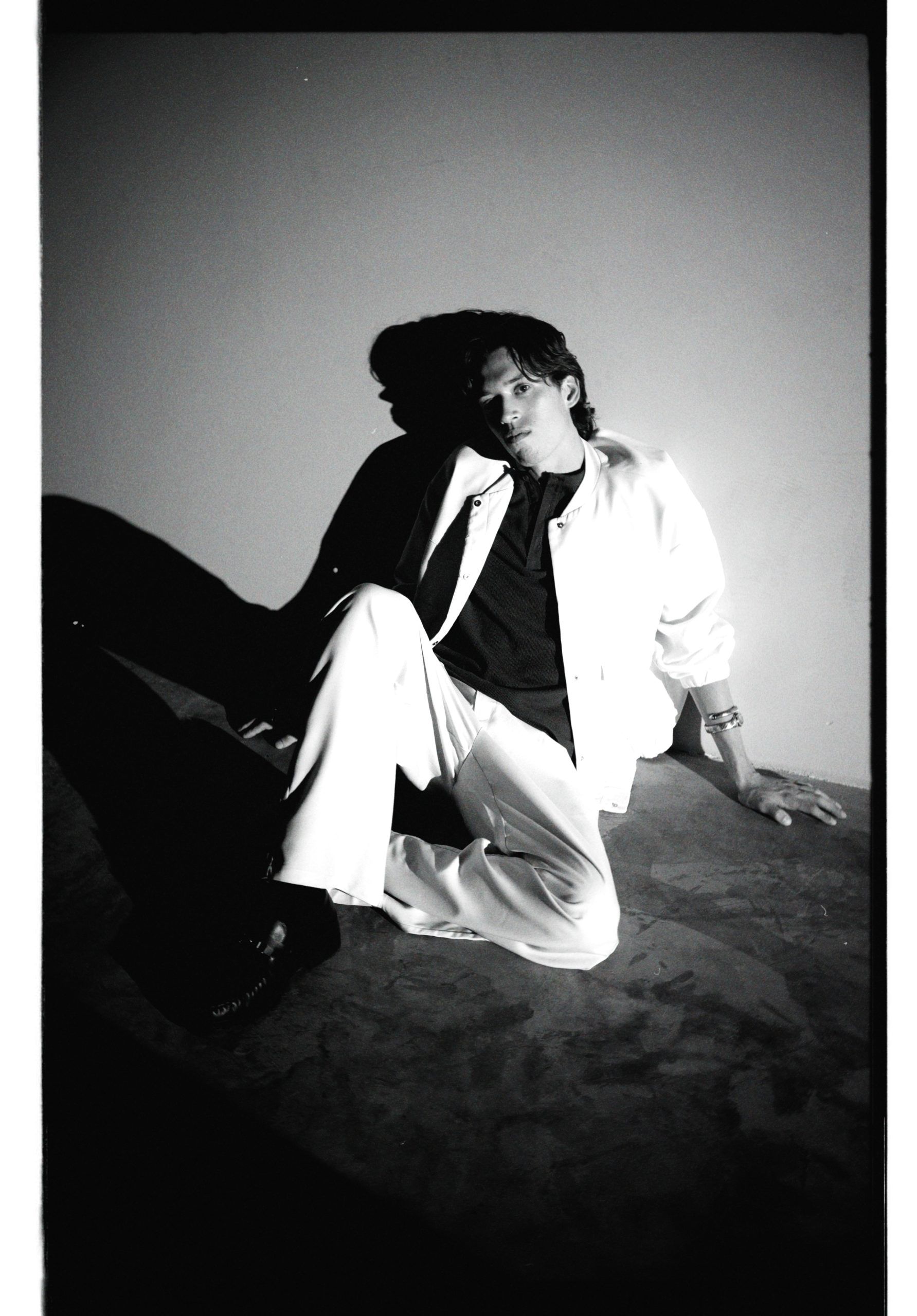
The idea that what you play says something about who you are has been circling culture for a while now, but it has quietly moved from subtext to statement. Digital entertainment, once dismissed as passive distraction or niche obsession, has become one of the more interesting spaces to observe how people construct identity, signal taste, and participate in shared cultural moments. The aesthetics of interactive platforms, the visual language of gaming, and the communal rituals that form around them have crossed into fashion, music, and visual culture in ways that feel less like crossover and more like convergence.
This is not simply about gaming becoming mainstream, though it has. The more interesting shift is the one happening at the level of visual and cultural vocabulary. The colour palettes, interface aesthetics, motion design, and sound design of interactive entertainment are no longer contained within their original context. They are showing up in music videos, runway presentations, editorial photography, and brand identity in ways that suggest designers and art directors have fully absorbed the visual grammar of interactive culture and are now speaking it fluently.
Where Design and Play Start to Look the Same
The sensory language of well-designed interactive platforms has become genuinely difficult to separate from the broader visual culture conversation. Vivid, saturated palettes that reward the eye. Motion graphics that feel tactile and responsive. Interface design that rewards curiosity and repeat engagement. These qualities, once specific to gaming environments, are now considered hallmarks of sophisticated visual design across categories.
The social gaming space offers some of the clearest examples of this aesthetic evolution. Spin Blitz slots represent exactly the kind of interactive experience where design ambition and entertainment purpose have merged into something that reads as a fully formed aesthetic object. The visual richness of the platform, the motion sequences, the way reward animations are timed, the chromatic logic behind the imagery: it is design language that would not look out of place in a contemporary brand campaign or a fashion film. Social gaming platforms that operate at this level of visual intentionality are not accidentally beautiful. They are built by people who understand that aesthetic experience and interactive experience are the same conversation.
The Cultural Signal in the Mechanics
There is a generation that grew up understanding the satisfaction of a well-timed spin, the visual payoff of a win animation, the social dimension of playing alongside others in real time. That experiential vocabulary has become part of how they read and produce culture. When a fashion brand constructs a lookbook around the logic of a game level, or a musician builds their visual identity around the aesthetic of a digital reward sequence, they are not borrowing from gaming: they are drawing on a shared cultural literacy that their audience already speaks.
This is the subtler and more significant thing happening. Interactive aesthetics are not influencing culture from the outside. They are culture, for a significant and growing proportion of the people who produce and consume it. The visual lexicon of play has been internalised to the point where it functions as a natural creative reference rather than a novelty.
Fashion has been the most explicit about this. Collaborations between gaming platforms and luxury houses are now regular enough to be unremarkable. The language of limited drops, unlock mechanics, and exclusive access has moved wholesale from gaming culture into fashion retail. The aesthetic sensibility, the way colour and motion and reward are deployed to create desire and emotional investment, has followed. What streetwear did to democratise luxury, interactive culture is doing to the entire concept of a desirable aesthetic experience: making it participatory, making it communal, making it something you do rather than something you observe.
Identity, Play, and the Platforms That Get It
The platforms that are resonating most strongly with culturally aware audiences are the ones that understand themselves as aesthetic environments, not just entertainment delivery mechanisms. The difference is visible. A platform that has been built with genuine visual intelligence creates a feeling of being somewhere, of inhabiting a world with its own internal logic and beauty. That quality of placefulness is what distinguishes a forgettable interface from an experience that people return to, talk about, and identify with.
This is why the conversation around interactive aesthetics is relevant beyond the gaming space. Brands, publications, and creative studios are increasingly being evaluated on the same terms: not just what they offer but what it feels like to be inside the experience they have created. The interactive entertainment industry, because it lives or dies on this question, has developed some of the most sophisticated answers to it.
Social gaming in particular occupies a culturally interesting position. It sits at the intersection of communal entertainment and personal aesthetics, combining the visual richness of immersive design with the social dimension that makes cultural identity possible. When you play alongside others, you are not just engaging with an experience: you are participating in something that exists between people, which is exactly how culture has always worked.
The Screen Has Always Been a Mirror
What digital play ultimately reflects is something culture has always done: create spaces where people can explore who they are, perform versions of themselves, and find belonging through shared aesthetic experience. The medium has changed. The underlying human impulse is entirely familiar.
The most interesting creative work being produced right now understands this. It treats the interactive environment not as a screen to look at but as a space to inhabit, and it brings the same level of aesthetic care to that space that the best fashion photography, the best album artwork, and the best editorial design have always brought to theirs. That convergence is not a trend. It is the direction of travel.