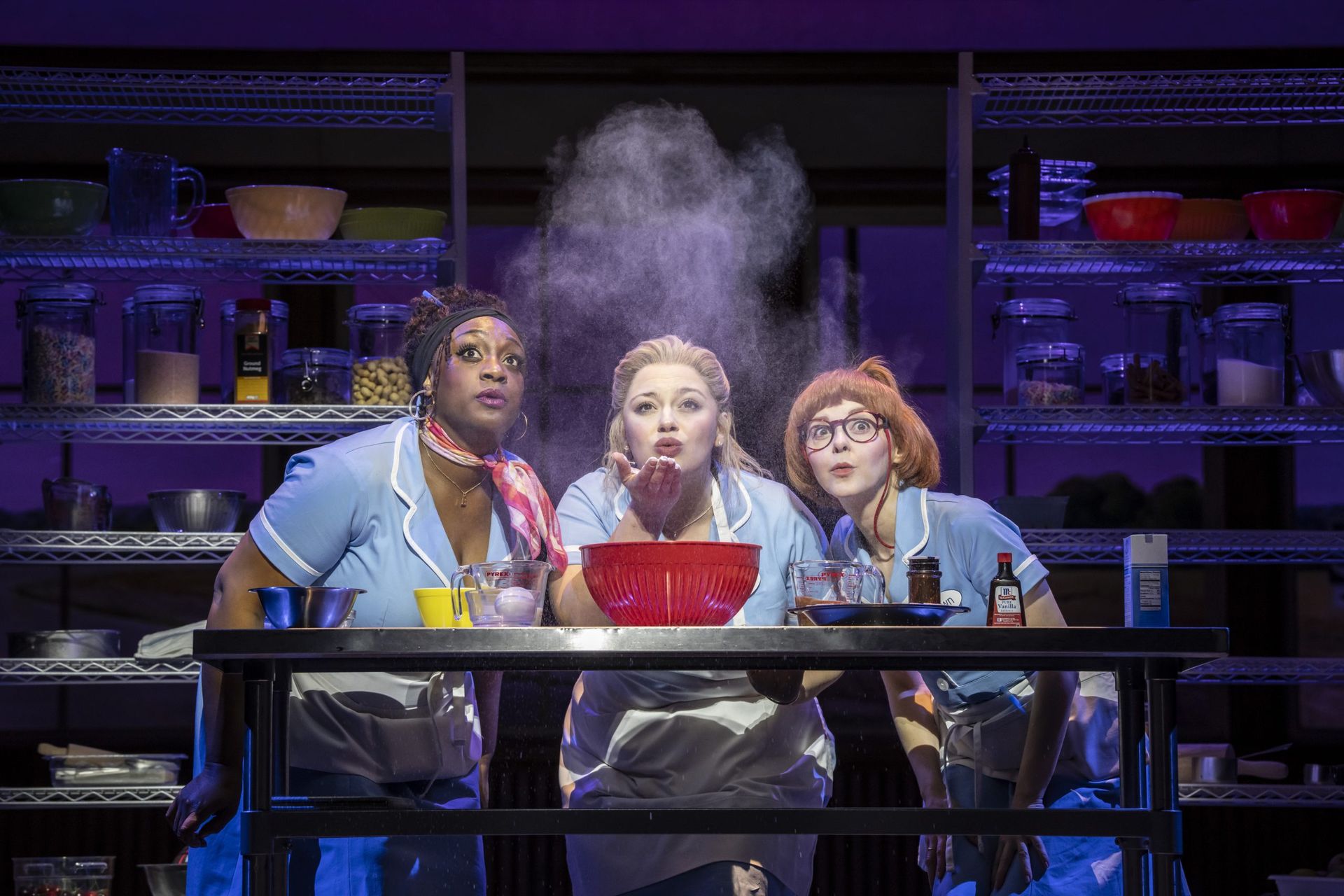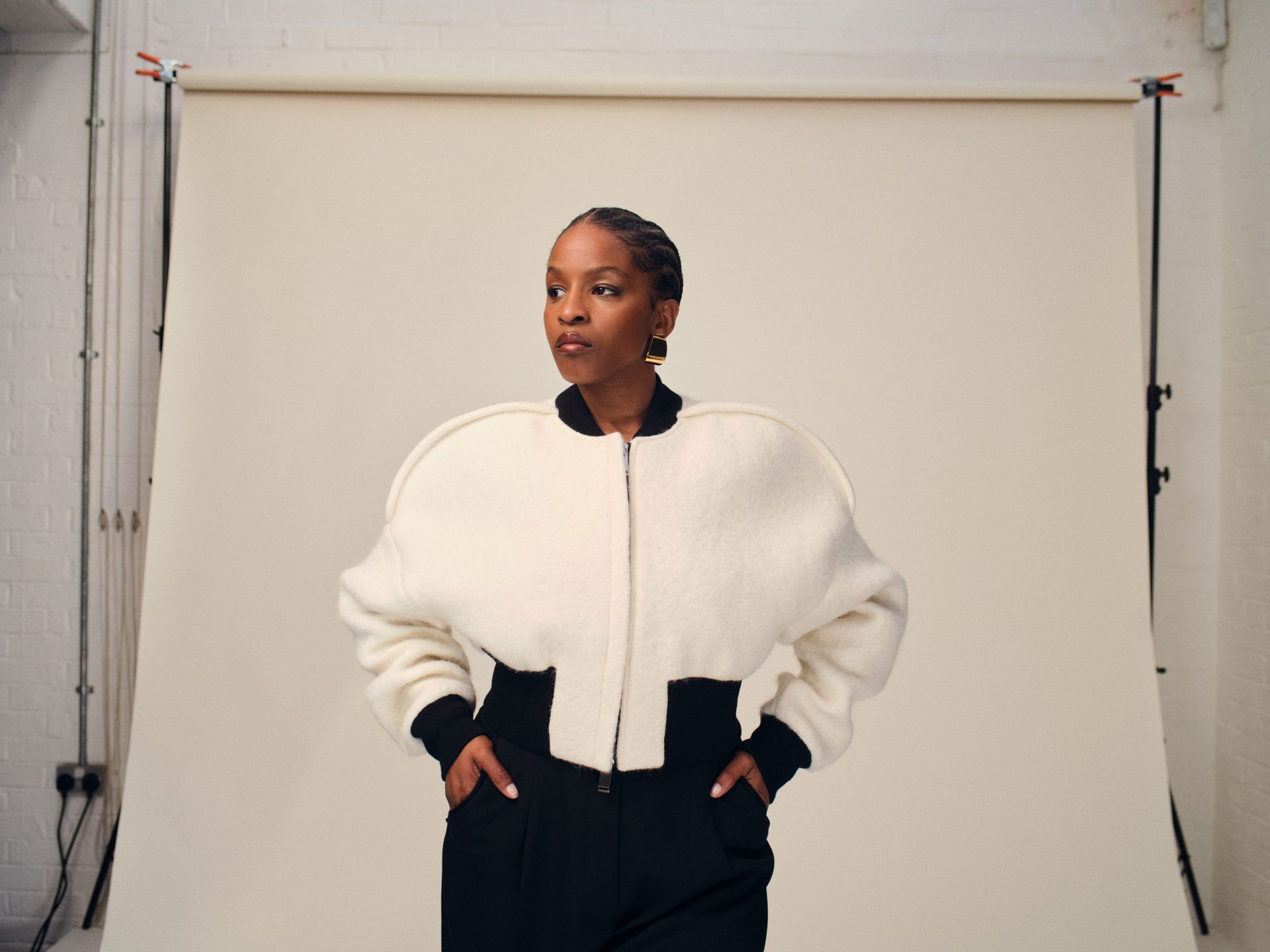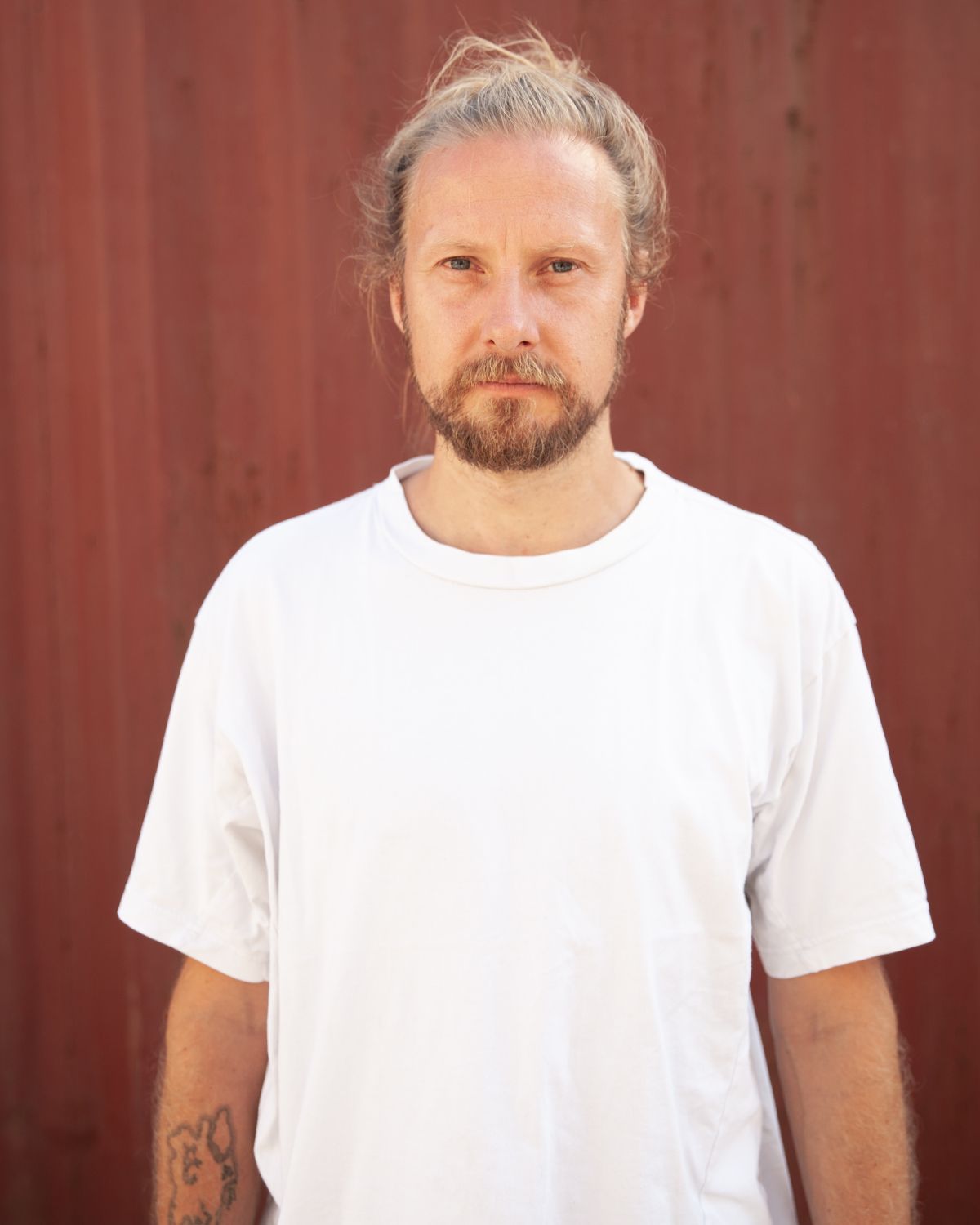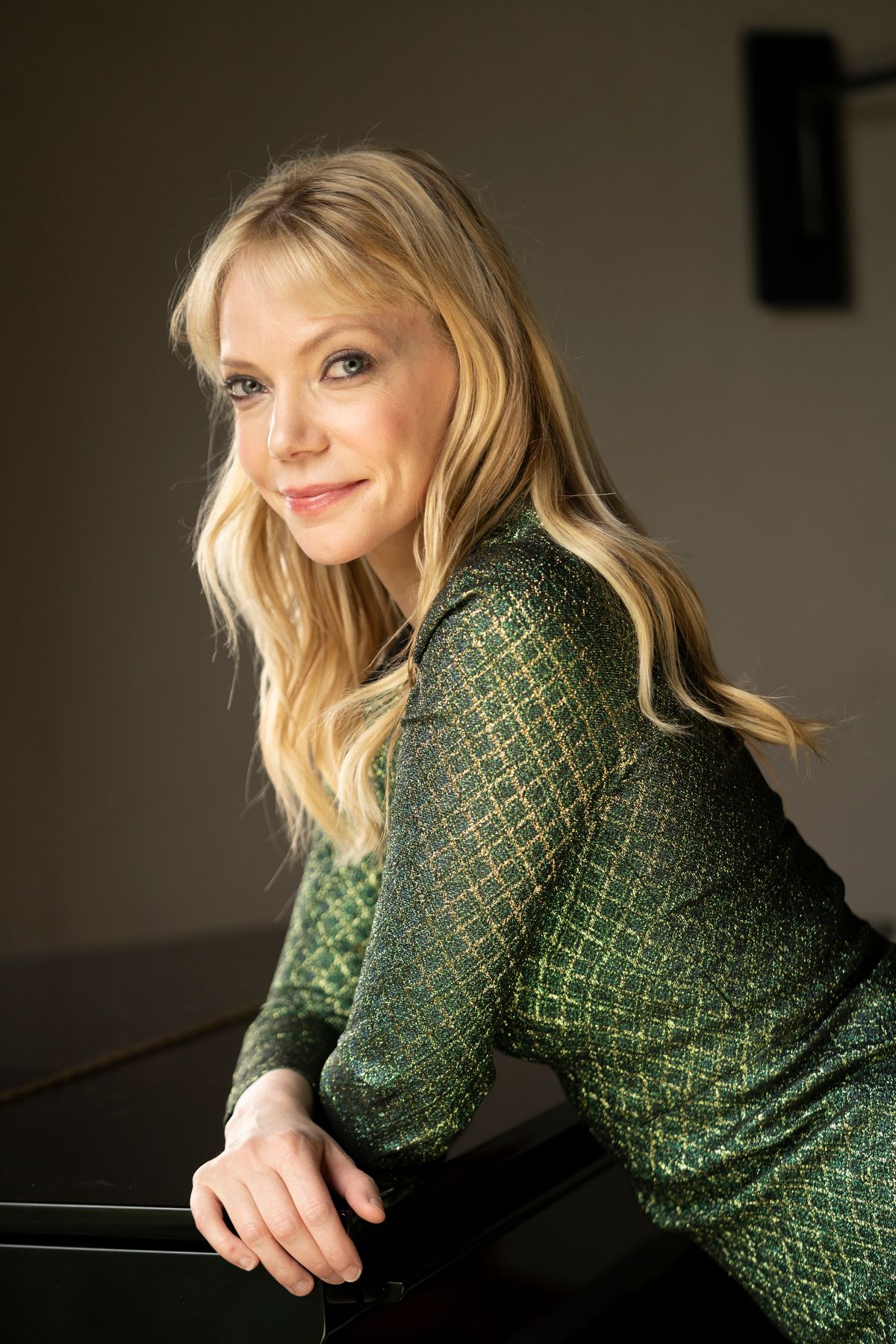
You may know Riki Lindhome from her recurring role as Ramona Nowitzki on The Big Bang Theory, as Dr Valerie Kinbott in Wednesday, as ‘omg, I know her, she was in that movie/show with whatsername’, or as one half of my favourite musical comedy duo Garfunkel and Oates, alongside Kate Micucci. Across TV, film, and music, she’s built a career defined by hilarious and intelligent comedy, and often surprising honesty.
Her latest project, Dead Inside, is her most personal yet: a one-woman autobiographical musical about her roller-coaster fertility journey, now playing at Soho Theatre, London. Despite the potentially heavy subject matter, it’s filled with hilarious songs and fascinating stories, as Riki takes the audience on the journey with her, culminating in a very happy ending.
I sat down with Riki to talk about her early days in comedy, the unexpected rise of Garfunkel and Oates, branching out into solo music, motherhood, and turning one of the most personal experiences of her life into a comedy musical for all to behold.
Where did your journey into performing actually begin? Were you always drawn to comedy and music?
I think I was just one of those kids who always wanted to perform. Watching my son at preschool now, there’s a girl in his class doing the biggest dance moves right at the front, and I’m like, that was me. Even when I was six, we had to draw what we wanted to be, and I drew myself as a movie star with a big camera on me.
I was always drawn to musical comedy too. I loved Weird Al and that kind of thing, but I didn’t really try it until college. I was just doing it for fun. Social media wasn’t really a thing, and I didn’t even know people performed comedy songs at clubs. I had no idea it could be a career.
I was actually studying communications, mostly because I was listening to my parents. I hated it. I finished in three years just to get out, and afterwards I decided I wasn’t going to follow other people’s plans anymore. I tried to get into grad school for acting but didn’t get in anywhere, so I just took classes here and there. I didn’t really have formal training, I just started doing it.

‘It’s not a tragedy. It’s a comedy with a happy ending, the lightest way you could possibly explore all that material.’
You started working in theatre, and that’s where Clint Eastwood saw you perform, right?
Yes. Theatre was my first professional gig, which is unusual in Los Angeles. I moved there without formal training and didn’t know a single person. I just thought, well, we’ll see. I didn’t really understand how hard it was going to be, which in hindsight was probably helpful. I just had the gift of ignorance.
After one show, Clint Eastwood came up to me, said I was really funny, asked for some water, and then sort of studied my face for a moment before leaving. I didn’t realise at the time he was thinking about me for a part.
Later I did the same play in New York. I knew someone whose mom was a casting director, and she happened to cast his films. She brought me in to audition, and I got the role. So he didn’t cast me on the spot, but seeing me perform led to the audition, and then I booked the role of Hilary Swank’s sister in Million Dollar Baby, my first movie role.
And then how did you go from there to comedy, music, Garfunkel and Oates?
I was trying to do everything, comedy and drama, but I just kept getting cast in comedy. At that time, for women in their early twenties, it was easier to get comedy jobs than drama, at least for me. A lot of the drama roles were going to very traditionally television beautiful people. The CW, WB, it was such a specific look. I never quite had that look, but I did have more of a sitcom look, so I got sitcom work and a lot of commercials.
I auditioned for Misha Barton’s part in The OC, but we’re just in different lanes. So, I was working more in comedy. I had been writing comedy songs on my own, and Kate and I became friends because we both got called back for so many commercials. We met, became friends, and realised we both wrote comedy songs separately. That’s when it started.
We both had about ten years of writing comedy songs in our basements, or in our apartments, just doing it on our own before we teamed up.
And then YouTube in 2007?
Yeah. Our first song was Fuck You. YouTube was barely a thing then, so it was shocking that people started watching it. My agents actually wanted me to take it offline. They said if I was on the internet, no one would cast me in real things. They were very scared of it.
We ignored all the advice. They wanted us to take the music down, saying we’d never get a record deal. But we just wanted to make people laugh and work in comedy.
Truthfully, I probably would have made more money on the path they suggested, but I’m happy with the one we chose.

When my wife was pregnant, I played ‘Pregnant Women Are Smug’ a lot, and we laughed about it. Even today she said something like ‘we know’, and I replied quoting ‘we know, but we’re not telling’.
That really happened. That was the actual conversation behind the song. It was three women I was talking to, and I just wrote everything down afterwards. This was before Garfunkel and Oates. I kept it in case I needed it someday, and when we were looking for a song idea, I brought it in and we basically used the whole thing.
And then you eventually had the TV show, which only ran for one season. What happened?
It actually did well. It came down to a disagreement with the network. They wanted a second season, but I wanted to be showrunner, meaning creatively in charge, and we didn’t want an outside person. I also needed two weeks between my other show, Another Period, and starting this one.
They said no to both. They wanted someone else to showrun it and expected me to start the writers’ room while I was still editing my other show. That just wasn’t physically possible. We couldn’t come to terms creatively or logistically, and none of us budged.
With Garfunkel and Oates, part of what people love is your refusal to censor yourselves or fit existing moulds for women in comedy. When you and Kate first started, did you have any idea those songs would resonate so strongly or have such longevity online?
No. We loved them, but we actually put them on YouTube just to send to my mom because the files were too big for email. Someone told us there was a file-sharing site where you could upload them. I didn’t even realise other people could see them at first.
Do you have a favourite Garfunkel and Oates song, and why?
We have a song called ‘Such a Loser’, and that’s my favourite. It’s not even really a comedy song, it’s more like an anthem for people who try. I wrote it after reading Theodore Roosevelt’s ‘Man in the Arena’ speech, which talks about how it’s not the critic who counts, but the person actually in the arena, failing and trying again. The idea is that opinions from the sidelines don’t matter as much as the courage to keep showing up.
I found that really inspiring and wanted to write a song for people who try and fail, and keep going anyway.


Will we get more Garfunkel and Oates in the future?
I would love that. We’re still friends, and if Kate ever wanted to do more, I’d absolutely be up for it. Who knows.
Until then, we’ve got your solo music. Your 2025 release No Worries If Not has some incredible songs on it. ‘Middle Age Love’ is such an accurate take on sex in your 40s. Was that more about capturing the awkward reality or celebrating it?
Both. It was funny to me how everything had changed, and I wanted to write a song about it.
‘Don’t Google Mommy’ is so funny, especially given some of your earlier material. What made you suddenly imagine your kid Googling you and think, oh no?
I was applying for adoption and realised I wasn’t a great Google. That’s what made me think if I do have a child, they will Google me. And I thought, I’ve got to write this.
Still on the album, songs like ‘BioDad’, ‘Trash Bag’ and ‘Infertile Princess’ all deal with your fertility journey, which also feeds into Dead Inside. Do any of those feature in the show?
Yeah, a lot of them. I was just writing songs for fun, then started to realise they sounded like they could be part of a musical. So a lot of the songs from the album are in Dead Inside.
Obviously Dead Inside looks back at your fertility journey, and you wrote it after becoming a mum. What made you want to revisit that period and turn it into a show?
I was having all these conversations with women and getting calls from people asking about different parts of the fertility journey. I kept finding myself explaining it, and realised we don’t really talk about this stuff, and we don’t know about it. So I thought I should probably start. It’s also the most vulnerable I’ve ever been. It’s a very strange feeling.
When you were going through that experience, was there a point where you felt like you might have to accept becoming a parent wasn’t going to happen?
No. I’m just delusional like that. A friend once told me everyone she knows who wants a child eventually gets one, just not in the timeline or the way they expect. I always thought something would happen, whether adoption or another path. I didn’t know how long it would take, but I believed it would happen eventually.
So, the show talks about IVF, egg freezing, donor embryos and surrogacy. How did you decide how much of that to share on stage?
I think I put about two thirds of my fertility journey in the show. I’d tell the story to my director, Brian, and whenever he said, wait, what, I’ve never heard that before, we’d highlight it. If something surprised him or felt unknown, that usually meant it should go in.
Some of it was just crazy things that happened, and those made it in. But a lot of it was also the parts that aren’t common knowledge about fertility. Everything else became connective tissue around those moments.
What surprised you most about being a mum after everything it took to get there?
How much easier the baby phase was than the toddler phase. I always thought the baby stage would be the hardest, because that’s what you see in movies. But the toddler phase has been much harder. The baby stage felt easier, and that surprised me.
You and your husband, SNL legend Fred Armisen, got together just two weeks before Keaton was born. What was it like being fully prepared for single motherhood and then suddenly having this supportive partner?
It was a shock. I thought I’d be a single mom with a boyfriend. I wasn’t expecting an insta-family. It was completely different from what I imagined. We both got so lucky, and Keaton calls him ‘Dada’.
That’s gorgeous.


You both come from comedy and music backgrounds. Do you share a similar creative language? Do you bounce ideas off each other?
He doesn’t really bounce ideas off me, but I bounce ideas off him. He’s very self-contained and doesn’t need anyone else, but I like to run things by him.
And I couldn’t help noticing him playing sax in ‘Middle Age Love’.
Yeah. He plays drums on a lot of my songs too.
That’s so cool.
You’ve appeared in so many TV shows and films across comedy and drama. When you get recognised on the street, what is it usually for?
Usually Garfunkel and Oates. Sometimes The Big Bang Theory, sometimes Wednesday, and occasionally something more random.
How’s it been performing in London? Have you noticed a difference between UK and American audiences?
Not really. It’s been exactly the same, which is shocking. I thought there would be big differences, but they laugh in the same places. It’s the same experience.
What can audiences expect from Dead Inside?
It’s an autobiographical musical about fertility, but it’s a comedy. It’s not a tragedy. It’s a comedy with a happy ending, the lightest way you could possibly explore all that material.
Has the show evolved as you’ve been performing it?
Constantly. Even in the last few days. To me it’s always a work in progress.
Are there plans to keep developing it after London?
I think I’m going to New York next, and if not there then somewhere else. I just want to keep going.
Will we see a recorded or televised version?
I think so. It looks like yes. There are conversations happening.
And finally, if 2026 Riki could send a message back to 2007 Riki, what would you say?
Get your fertility checked now. Don’t wait. Every woman is different, so don’t assume anything. Go to a fertility specialist while you’re young, because they can see things early. I wish I’d known back then, because this journey probably wouldn’t have happened. I’d love to spare anyone going through what I did.
Riki Lindhome is performing Dead Inside at the Soho Theatre until 18 April 2026.
Get your tickets now at sohotheatre.com
Follow Riki on Instagram, and YouTube.
For further advice about fertility and pregnancy related issues, talk to your GP or visit https://www.nhs.uk/pregnancy/
Words Nick Barr
Portrait photography Elisabeth Caren