Rio de Janeiro means something different to everyone, but most travellers recognise that moment when the city pushes them a little further than expected. It might be a trail in Tijuca Forest where the humidity changes without warning, or a quiet stretch of beach where a street vendor offers coconut water at their own pace. These small surprises stick with travellers more than the big, dramatic moments they think they’re chasing.
Each of the destinations below offers something that feels a bit raw and unscripted. None of them demands extreme planning or deep knowledge of Portuguese, but they all reward curiosity. Working with a private tour guide in Rio de Janeiro helps travellers notice the details they might otherwise miss.
Christ the Redeemer
Corcovado Mountain tends to surprise people because the forest changes faster than expected. One moment the train climbs through dense rainforest, the next it emerges onto granite where the city spreads below like a relief map. Travellers often talk about the first time they reach the Cristo Redentor statue and realise the crowds aren’t the point at all.
Standing beneath the outstretched arms means looking past other visitors toward Guanabara Bay, where sailboats drift in patterns that seem rehearsed. The air feels cooler up here, and guides sometimes pause just to let travellers absorb how the favelas and beaches fit together like puzzle pieces. Early morning visits catch moments when clouds settle around the statue’s base, turning everything soft and grey before the sun burns through.
Sugarloaf Mountain
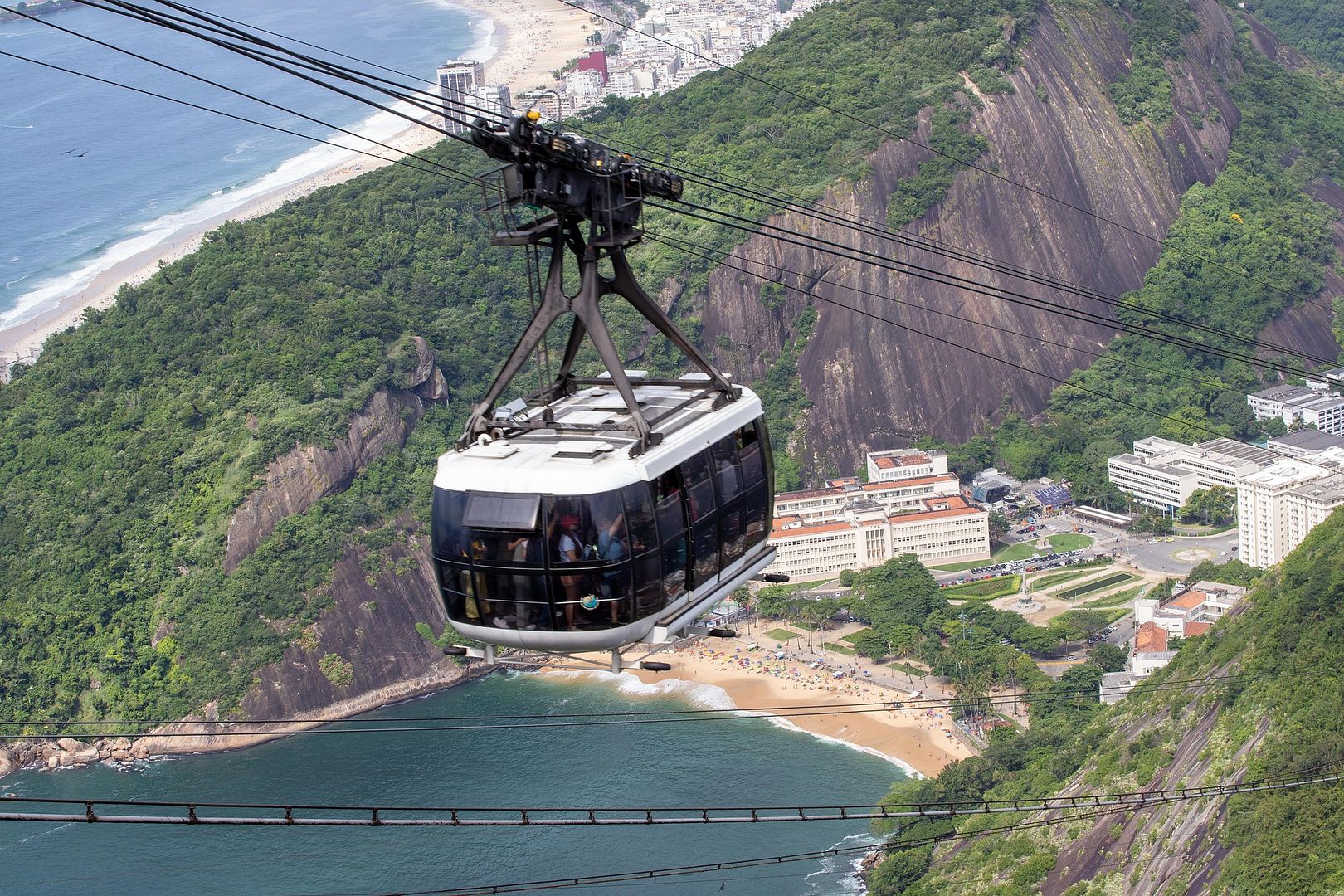
The cable cars don’t ease anyone in gently. Travellers step into glass cabins and look down, trying to grasp how much empty space lies between them and the water. The first stop at Morro da Urca settles into a different rhythm, shaped by climbers testing routes on the granite face and families spreading picnics on the viewing platforms.
People who take the second cable car to Sugarloaf’s summit genuinely want to watch how the city’s colour changes at dusk, not just photograph it. The granite feels warm underfoot even as the breeze picks up, and the moment when Rio’s lights begin their slow flicker-on always catches visitors quieter than they expect. There’s usually a pause when travellers stop trying to capture every angle and just watch the day end without explanation.
Copacabana and Ipanema
These beaches look empty from hotel windows, but once travellers slow down, the patterns start to appear. Footprints overlap across the sand like choreography, and vendors sometimes pause just to chat with regulars who’ve bought coconut water from the same spot for years. Many visitors arrive early, not for perfect photos but because the air feels cool and the beach volleyball nets haven’t started drawing crowds yet.
The postos—numbered lifeguard stations—seem to make their own rules here. Posto 9 in Ipanema attracts different energy than posto 8, and locals know which section suits their mood without discussing it. The tide comes in gradually, erasing the day’s sand sculptures and leaving only the mosaic promenade’s wave patterns intact.
Walking between Copacabana and Ipanema via Arpoador takes time, although that rocky outcrop ends up being one of the most memorable parts of a Rio visit. The tradition of applauding sunset happens whether ten people gather or two hundred, and even repeat visitors find themselves clapping along.
Santa Teresa
This hillside neighbourhood doesn’t ease visitors in with obvious attractions. The yellow tram rattles past colonial houses painted in colours that were probably bright once, and travellers step off trying to find the rhythm of cobblestone streets that climb without warning. Artists live here, musicians rehearse behind closed shutters, and the whole area has a practical, unfussy way of welcoming travellers without performing for them.
Days settle into wandering Rua Almirante Alexandrino, where art studios open their doors when they feel like it and vintage shops keep hours that make sense to no one except the owners. Parque das Ruínas reveals itself gradually—a mansion’s skeleton now hosting cultural events, with views that stretch across downtown Rio like a promise kept.
Weekend evenings at Largo das Neves turn the square into something between a street party and a neighbourhood gathering, where samba circles form because someone brought a guitar and caipirinhas appear because that’s what happens here.
Tijuca National Park
Rio’s forest looks improbable from a distance, but once travellers enter the trails, the details start to appear. Waterfalls announce themselves through sound before sight, and guides sometimes pause just to listen for howler monkeys that blend into the canopy better than seems fair. The park has a surprising history—it’s actually reforested land, replanted after coffee plantations stripped the original growth in the 1800s.
Cascatinha Taunay waterfall draws families who want an easy walk to somewhere worth reaching, while Pedra da Gávea calls to hikers who enjoy scrambling over rocks that feel older than the city below. The wildlife seems to make its own schedule here. Coatis investigate backpacks left unattended, and toucans perch long enough for photos before disappearing into leaves that swallow them completely.
Long days in the forest finish with the kind of quiet that only comes from physical effort, where even the humidity feels like a change.
Beyond Rio: Day Trips from Rio
The coast doesn’t stop at Rio’s beaches. Ilha Grande strips away roads entirely, leaving trails that connect fishing villages and beaches where footprints wash away with each tide. Búzios brings Mediterranean architecture to Brazilian shores, spreading across peninsulas with twenty-three beaches that locals can recommend by mood and time of day.
Arraial do Cabo’s water looks edited even in person—that particular shade of blue that cameras struggle to capture accurately. Petrópolis sits in the mountains where Brazilian emperors once escaped summer heat, preserving palaces and Germanic influence in a city that feels transplanted from a different continent.
These destinations don’t require extensive planning, although the journey becomes part of the experience. Buses wind through coastal mountains where the landscape shifts from urban sprawl to forest without obvious transition points.
Lapa at Night
Friday and Saturday transform Lapa into something that photographs never quite capture. The neighbourhood beneath the colonial aqueduct settles into a rhythm shaped by live samba, street vendors selling caipirinhas in plastic cups, and crowds that span every generation imaginable. Music spills from doorways at Rio Scenarium and a dozen other venues, but the real moments happen in the street where samba circles form because someone started dancing and others joined in.
The energy isn’t constant—some corners feel celebratory while others settle into conversation over drinks that keep appearing. Travellers who join these nights genuinely want to experience how Cariocas spend weekends, not just observe from the edges. There’s usually a moment when visitors stop worrying about getting back to their hotel and just move with the crowd until the music decides to stop.
Smaller Details
Beyond headline destinations lie places that reveal Rio’s layered character. The Selarón Steps connect Lapa to Santa Teresa through 215 ceramic-tiled steps, each one placed by artist Jorge Selarón over decades of obsessive work. Visitors climb slowly, not from exhaustion but because each step demands attention.
Jardim Botânico offers relief from Rio’s intensity—340 acres where royal palms planted in 1808 still tower over paths that encourage wandering rather than rushing. The gardens have their own temperature, somehow cooler than the city blocks away, where silence feels appropriate rather than awkward.
The Museum of Tomorrow sits on a renovated pier with futuristic architecture that either thrills or confuses depending on who you ask. The exhibits examine sustainability and human impact with Brazilian optimism that feels refreshing after museums elsewhere that lean toward doom.
The Thread That Connects
Rio de Janeiro doesn’t fit into neat categories. It shifts between welcoming and overwhelming, organised and chaotic, with natural beauty pressed against urban density in ways that shouldn’t work but do. The destinations above barely scratch Rio’s surface, but they provide enough threads to start understanding why this city holds attention.
Travellers who work with Rio Cultural Secrets often mention noticing things they would have walked past otherwise—a particular tile pattern, a samba circle forming at an intersection, the way favelas cascade down mountainsides with their own internal logic. These details stack into something larger than individual attractions.
Whether standing beneath Christ the Redeemer at sunrise, riding cable cars to Sugarloaf’s summit, or dancing in Lapa’s streets until dawn, Rio rewards observation over rushing. The city reveals itself to travellers who slow down enough to notice. That patience, more than any itinerary, determines what Rio becomes in memory.