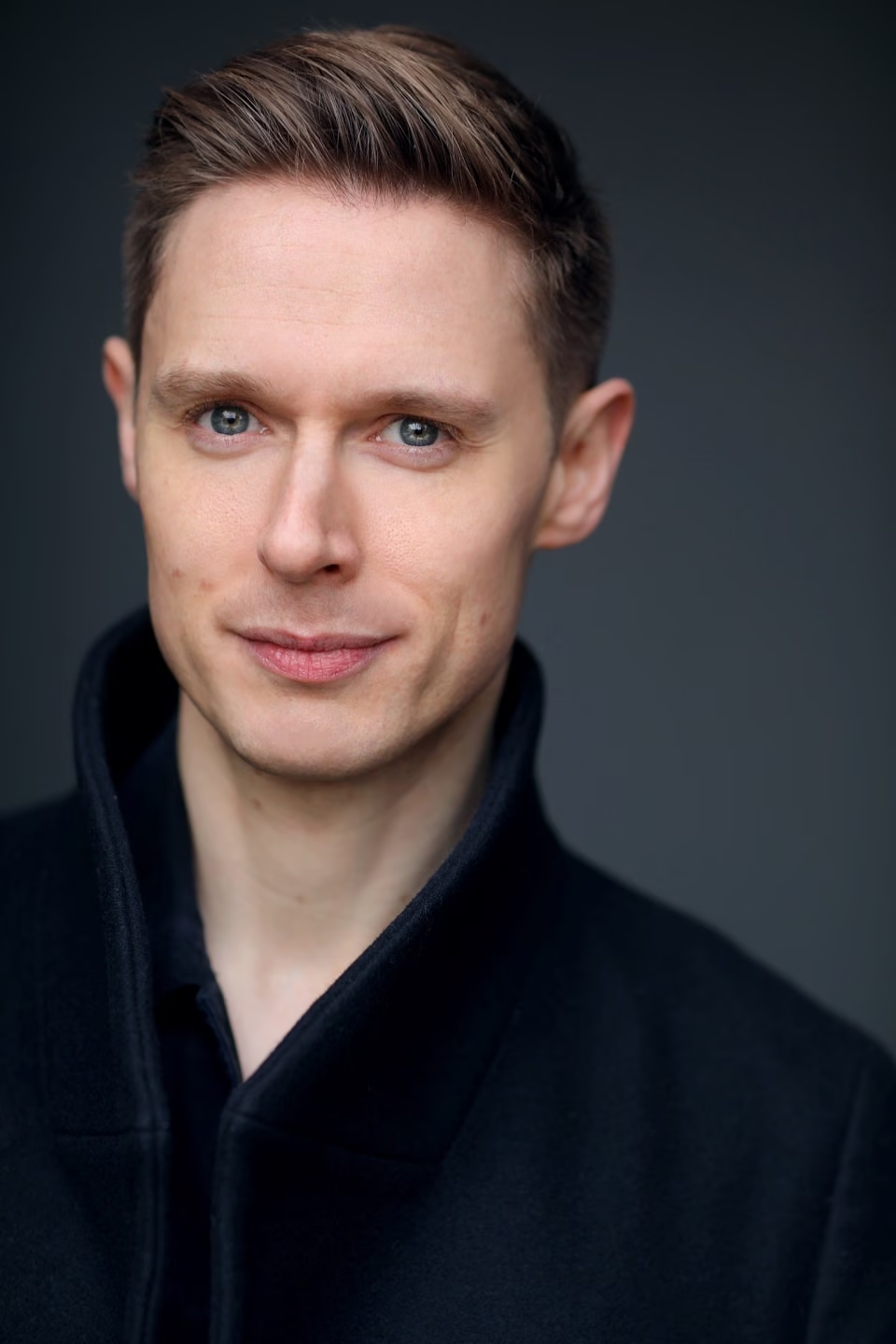
Samuel Barnett has been performing since he was six, but playing Jonathan Blake in Pride has reached a part of him he hadn’t realised needed attention. Known for The History Boys and Dirk Gently’s Holistic Detective Agency, he is returning to the role as the hit musical moves to the Bridge Theatre this November, following runs in Cardiff and at the National Theatre’s smallest theatre, The Dorfman, where it sold out almost immediately!
Based on the hit 2014 film starring Bill Nighy, Imelda Staunton, Dominic West, and Andrew Scott, Pride tells the extraordinary true story of Lesbians and Gays Support the Miners, whose support for striking Welsh mining communities forged an unlikely alliance in the eighties. I had the great pleasure of seeing the musical at the National Theatre’s Dorfman Theatre in June and absolutely loved it, awarding it five stars (review here). Barnett’s Jonathan, played by West in the film, was a particular highlight, combining outrageous comedy with the fear of living through the AIDS crisis.
For Barnett, the role has also become deeply personal. Growing up gay in Whitby, he had loving friends and a supportive family, but little representation to counter the shame he absorbed elsewhere. Playing someone so defiantly, joyfully himself, within a company full of queer performers, has helped him confront that.
There is also the friendship he has developed with Blake himself, built through conversations, visits, and lemon drizzle cake. As we talk, Barnett returns to what that connection has given him, and what theatre might offer an audience searching for the same permission to be themselves.
Ahead of Pride’s next chapter, we discuss finding his way into acting, the unexpected success of The History Boys, showing queer love on stage, and why the musical’s solidarity must extend beyond the history it depicts.
What was growing up in Whitby like for you, and where did performing first enter the picture?
I will start all of this by saying I love Whitby. I miss being there. It is the most beautiful town, and it was a great place to grow up. It was very safe. We moved quite a lot when I was a kid, so I grew up in little villages around Whitby as well as Whitby itself. It really was the kind of place where you played out on your bikes until ten o’clock at night and could leave your door unlocked. I was fortunate to have the most amazing group of friends.
What was difficult was that I was born in 1980, in the north of England. I was aware of the miners’ strike. I knew I was gay from about eight or nine. I was aware of the AIDS advert on television with the tombstone, telling you you’re basically going to die. It was hard growing up gay – I won’t say isolated, because I had an extraordinary group of friends, but isolated in the sense that there was nothing positive in the media about queer people, and no one else I knew in Whitby who was queer.
My first amateur show was when I was six, when I got thrown onto the stage as a mouse in Toad of Toad Hall. I remember the spotlight, the blackness of the auditorium, and the shaft of light coming down at me. From then, I did amateur dramatics, amateur operatics, school musicals, school plays. I did it all, but never took it seriously as a career. I thought drama school was for professional actors or good actors. I didn’t think it was for me.
“You don’t have to be queer to watch this show and feel something about wanting to live as who you are. Everyone wants to be accepted and seen as a human being.”
You went to drama school at eighteen, but you’ve said the things you loved most as a child involved music. Has Pride brought you back to that?
I don’t know why I did a three-year acting course. I should have done a three-year musical theatre course, because I’ve spent the last twenty-five years trying to get musicals and failing. Musical theatre actors sometimes find it hard to transition into straight plays, television, and film. I had the other problem. I was doing plays, television, and film, and wanted to do musicals.
I dipped my toe in a couple of years ago with Rock Follies at Chichester. I had quite a small role, half a song to sing, and a tiny bit of dancing. Then this came up. I was asked to do the workshop, which I realised was basically a three-week audition.
I got offered the part, then panicked because I thought, ‘I don’t have the vocal ability to do this, and I can’t remember how to dance.’ It turns out it is not like riding a bike. Dance does not just come back. It’s taken all year to get it right. Now I absolutely love it. I think, ‘How do you go back to just straight acting now? What about the dancing and singing?’ This will be the third time we’ve opened the show this year, and it gets better and better.
What do you remember about joining The History Boys, before anyone knew what it would become?
I was in His Dark Materials at the National, and there was a crossover where I was performing that while rehearsing The History Boys. I remember knowing I was living the dream. I’d come out of drama school, and two years later I was at the National in two productions directed by the guy running the building, Nick Hytner.
I knew I was very fortunate, but I didn’t understand why I was doing it. I still have this. It might be a bit of imposter syndrome, but what I do as an actor is just what I do. It feels like breathing. I don’t understand why people give me jobs, because I don’t think I’m that good. I understand now that sometimes you’re just really right for a part. You have an instinct for it. But every time I get a job, I’m still like, ‘Really? You want me?’ That’s why it never gets boring. I’m constantly surprised and thrilled that I get work.
What we all thought was that The History Boys was a bit dry, intellectual, and wordy. We’d do our run at the National, and that would be the end of it. We didn’t think it was particularly funny. We didn’t think the French scene would work. We were young and didn’t know what we had in our hands. Then came the first preview and this tidal wave of laughter, response, and tears. All of us went, ‘Oh, wow. This is something else.’
On the world tour, Malcolm Sinclair took over the headmaster role from Clive Merrison. We became good friends, and he said, ‘Just so you know, you’ll be lucky to get a job like this once every ten years, if that.’ He was absolutely right.
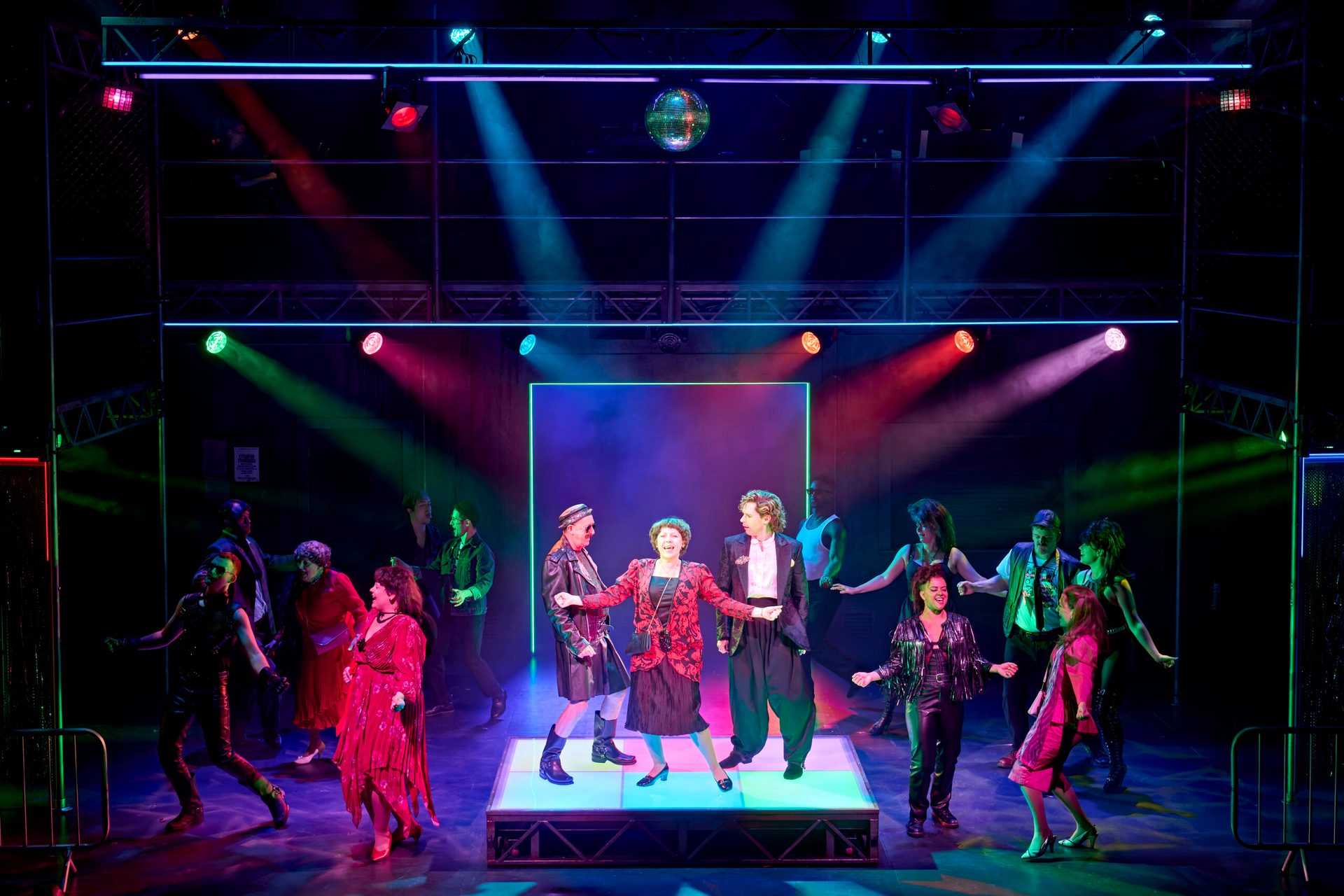
You’ve played Jonathan through Cardiff and the National. What are you looking forward to as Pride moves to the Bridge?
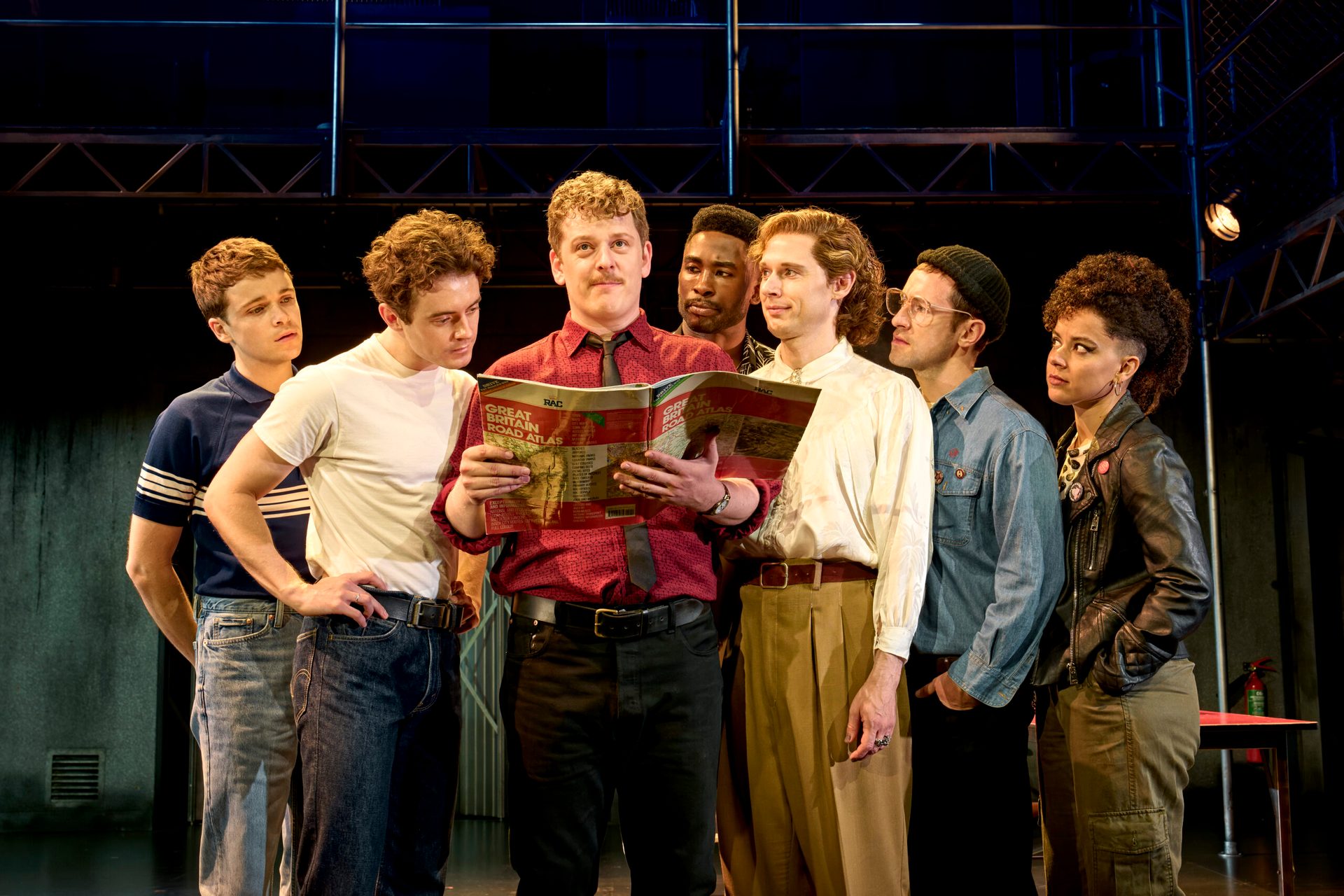
Matthew Warchus never stops working on the musical and improving it. There are little changes we’ve made in rehearsal, things that get refined and keep it feeling like it’s lifting off throughout. I’m excited to put those in.
I’m most excited to play to a big audience. You can do something in a smaller space that you know is funny and emotional, and get an amazing response, but there’s nothing quite like being in a big theatre with that wave coming at you. It’s amplified. This show has been bursting at the seams. It’s made for a bigger audience. It has a huge heart, and it’s very funny and emotional. I think it will be joyous to feel that in a much bigger space, with all those people laughing every night.
What has spending time with the real Jonathan Blake given you that you couldn’t have found in the script or film?
We’ve become friends, which feels unusual. I’ve played real people before, but you’re not necessarily going to click with them. We clicked the moment we met.
We did an interview together for Attitude in the first week of rehearsals. He didn’t know the lyrics of the songs, and the interviewer asked about finding out about his diagnosis. Jonathan spoke for about five minutes. Stephen Beresford was sitting next to me, and I kept looking at him because, sometimes word for word, what Jonathan was saying was in the lyrics of the opening number of act two. Knowing his words had been lifted and used as lyrics connected me with the character in a way that felt authentic and real. I wasn’t having to manufacture things from myself as an actor. I could use what he was saying.
We’ve seen quite a lot of each other. I’ve visited his house. He does an amazing lemon drizzle cake. He’s the kindest man, quite unassuming, and an extraordinary activist. I was lucky enough to present him with a lifetime achievement award at the Terrence Higgins Trust Positive Voices Awards. He didn’t know he was getting it, or that I’d be presenting it. We both burst into tears. I feel very close to him.
We’re similar in many ways, but we’ve had extraordinarily different experiences. His lack of that toxic shame is one of the most glorious things about him. Sometimes I have his voice in my head when I’m saying the lines. Hearing him say them helps me.
“The universal message is that we need to look out for any minority being persecuted. We need to question what those levers of power are doing.”
You mentioned that doing this show has been healing. What has playing someone so unashamed allowed you to explore?
I had a lot of shame about being gay, which didn’t come from my family. It can only have come from school, the names thrown around, and what I saw in the media. Jonathan is out and proud. He’s an activist, actively speaking on behalf of his community. He’s unashamed, and I love it. I don’t think I’ve ever worked with so many queer people in one company. The material and the cast have been healing. It’s healed a part of me I didn’t even know needed that touch.
Theatre is a live moment of community. Even watching something in a cinema, what you’re seeing isn’t live. Then you involve music, which bypasses your intellect and goes straight to the feels. It can connect you to a part of yourself you might know about, but fear other people won’t be okay with. That isn’t just sexuality. It could be anything. Seeing something that empowers everyone to be themselves is what I think people are missing today. Social media has been amazing for some things and incredibly disconnecting for others. We want connection.
When I reviewed Pride, Jonathan’s refusal to tone himself down on the dance floor was one of my favourite parts of the show. What does that moment mean to you?
One of the most satisfying things is the audience response, because they often applaud it. I find that heartening. That opening night at the Dorfman was one of the best press nights I’ve ever experienced as an actor. Normally, press nights are full of industry people and critics, and they don’t give the same response as an everyday audience. That night, they did. I’ve never felt people so behind us and with us on a press night. Not in a sycophantic way, either. Sometimes people can be overenthusiastic, but this felt like a really true response. It was very moving.
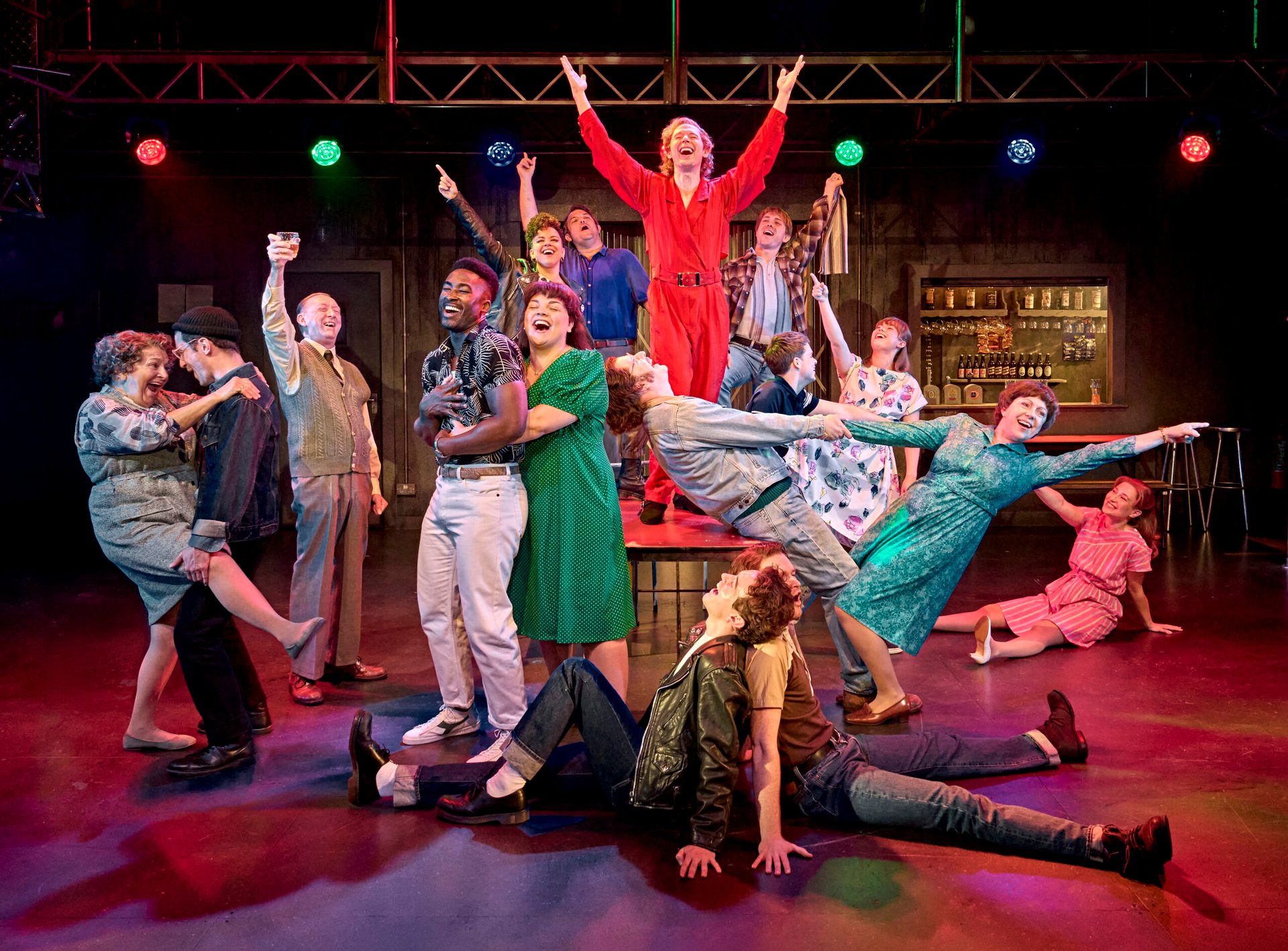
You would think we’re becoming intolerant of queer people, trans people, and migrants. The headlines used in the eighties about coal miners and queer people are the same headlines being used about trans people and migrants. You would think that is society. Actually, I think there’s a quiet majority who don’t know what to do about the way things seem to be going, who want it to be different. They come and see that reflected in Pride, because it’s about community, communion, and connection. You don’t have to be queer to watch this show and feel something about wanting to live as who you are. Everyone wants to be accepted and seen as a human being. I think that moment screams that quite loudly.
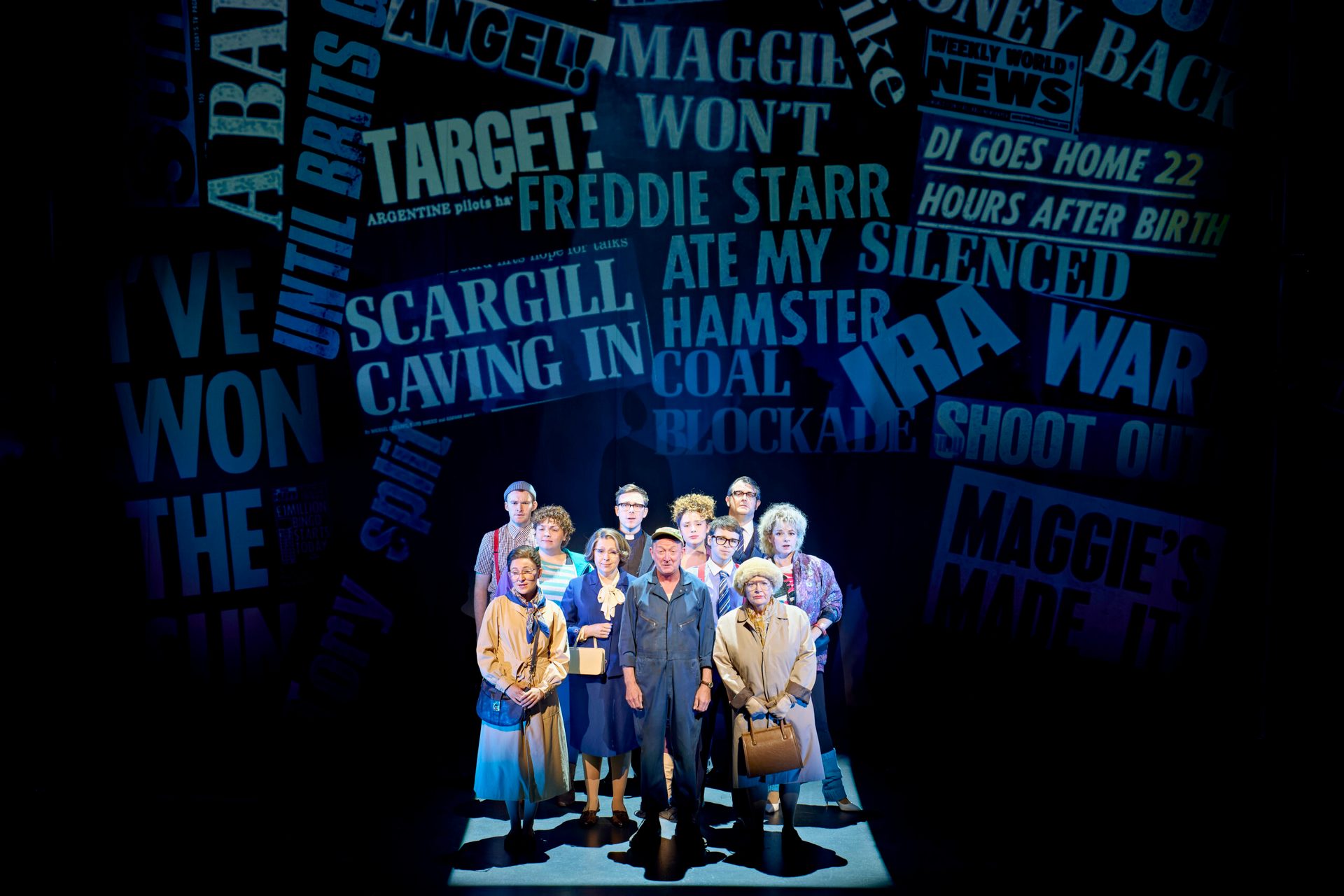
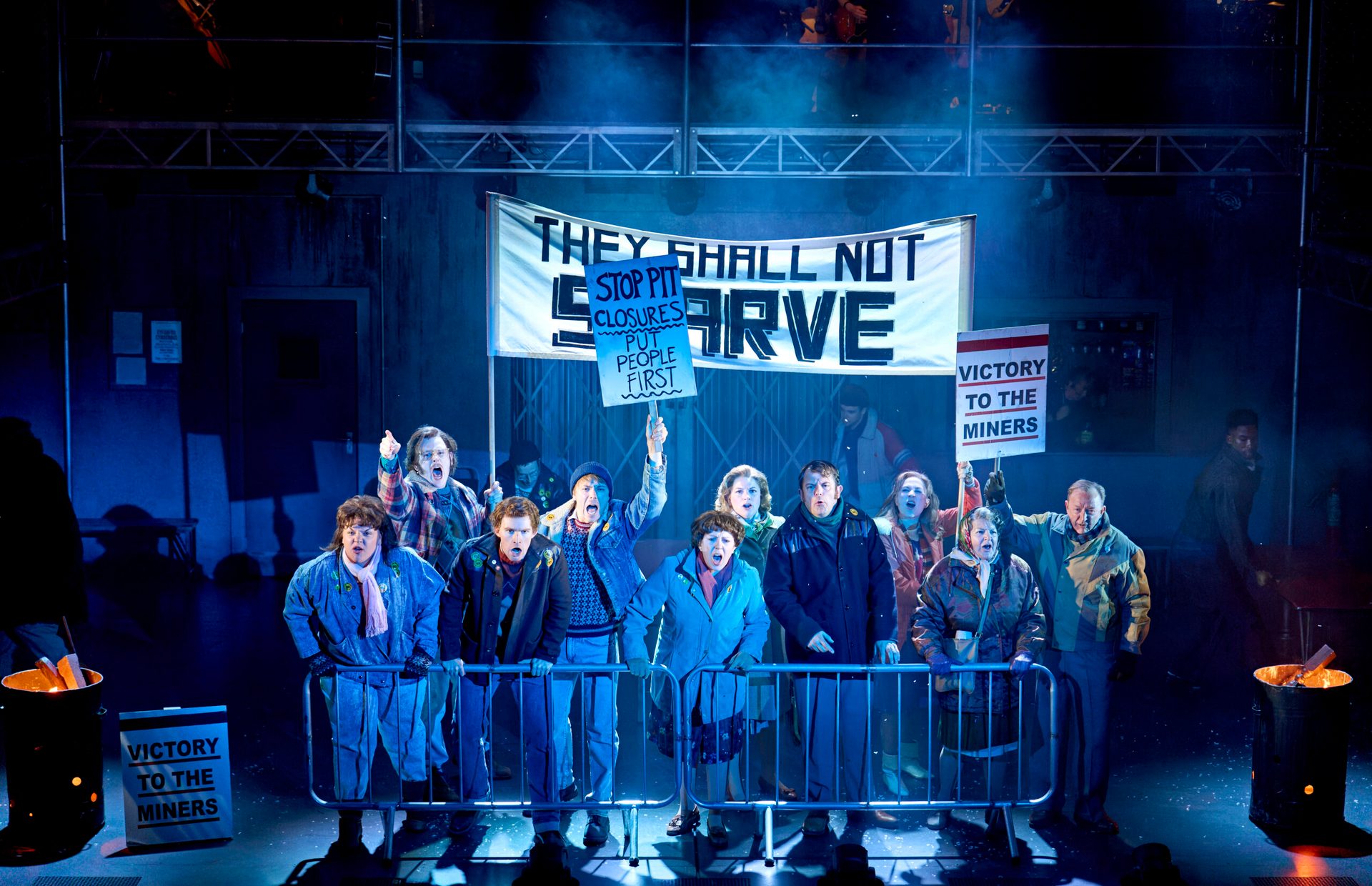
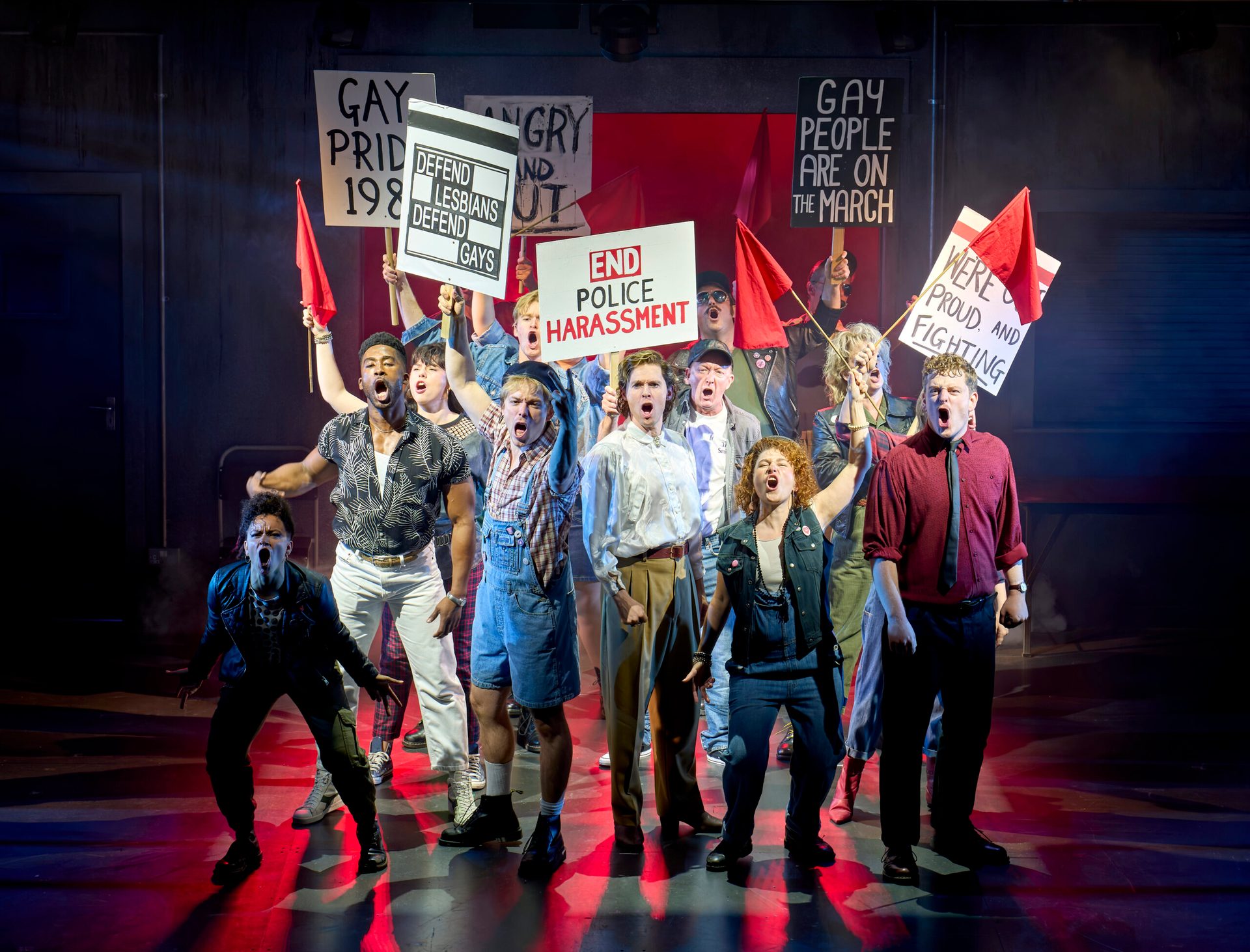
There’s such warmth between Jonathan and Gethin, alongside the weight of everything they’re living through. How have you and Chris Jenkins built that relationship?
I’m so glad you asked. No one ever asks about this. Chris and I did the workshop together, but he wasn’t playing Gethin at that point. We got on well, and when he called to say he’d been offered Gethin, I was thrilled.
We instantly went, ‘We need to show queer love on this stage. We need to show a functional, loving, long-term relationship.’ This show covers a lot, so there isn’t time to get everything in, but we can show it physically, through affection, little squabbles, and looks. There were moments we fought for, or just put in ourselves. We thought, ‘If they don’t say anything, we can keep it. If they do, we’ll argue for why we want it.’ Even giving him a kiss on the lips goodbye isn’t in the script. We decided that’s what you should do, because you’re a couple, you’re going off to Wales, and he’s staying. It was important for us to show it. They’re like the parents of the group.
You’ve drawn parallels between the prejudice in Pride and what trans people face today. What do you hope audiences recognise about our responsibilities towards one another?
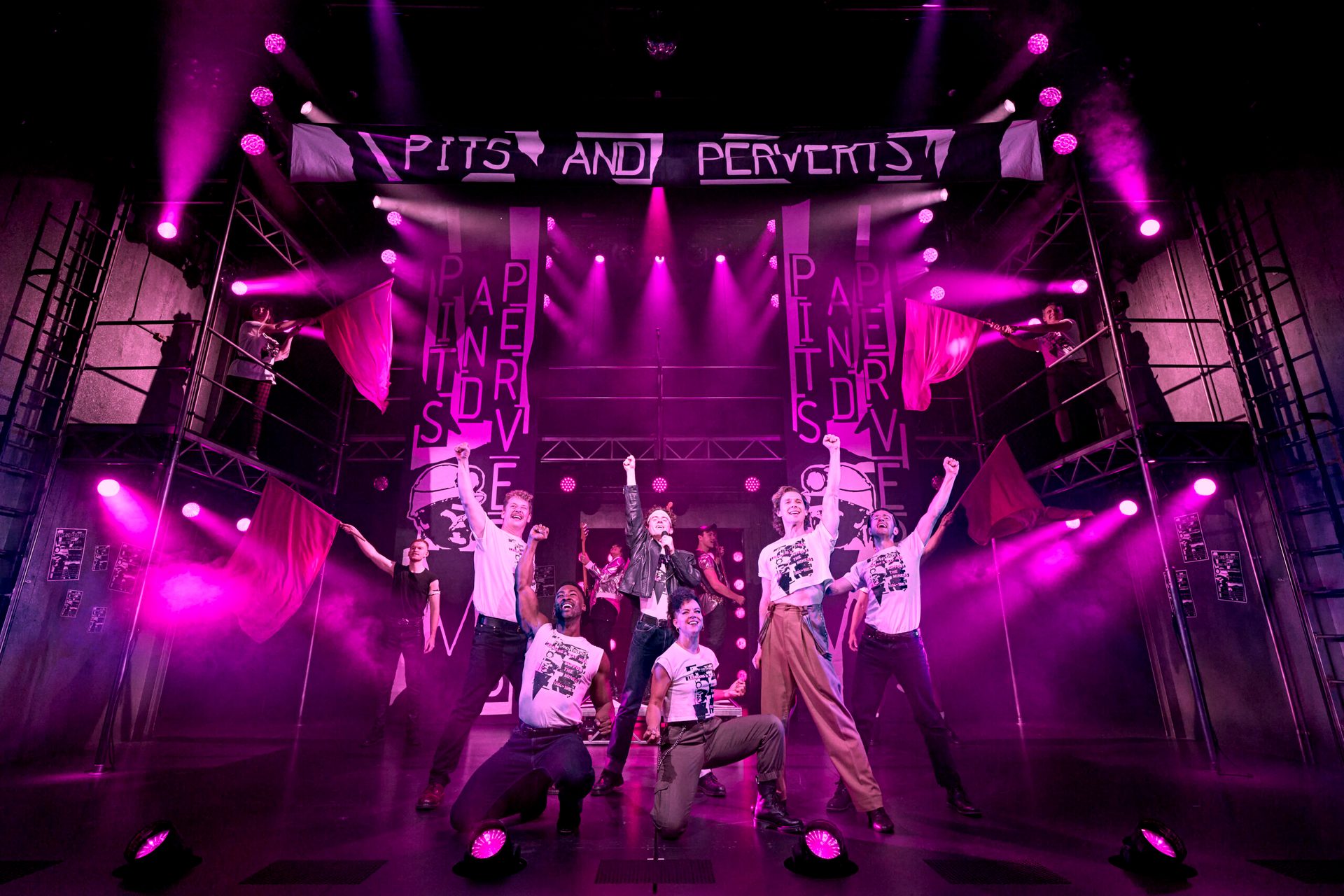
This show doesn’t deal with trans issues. There isn’t a trans character. Unfortunately, to make connections, sometimes we need things to be more explicit. In the media I’ve done, I’ve been talking about those headlines today, the wedge issue created around trans people, and how they’re being weaponised, as queer people and coal miners were then. The universal message is that we need to look out for any minority being persecuted. We need to question what those levers of power are doing. Why this group? What is happening?
Ten years ago, of course not everyone was pro-trans, but the societal feeling, the feeling on social media, and the feeling in the Daily Mail was that trans people were great. That has shifted. That’s the rise of the right, social media, tech billionaires, algorithms, and making money from it. Donald Trump, Brexit, all of that.
I hope people watching Pride can make those connections. Supporting each other isn’t specific to coal miners and queer people in the eighties. The groups that need it now are the ones being vilified in the press. It makes me absolutely rage, and I feel powerless and helpless over it, apart from doing the show every night, talking about it when I can, and hoping the message gets across.
It’s about connection. It’s not about tolerance. I don’t want to be tolerated, and I don’t want to be accepted, because that suggests we’re starting from something intolerable or unacceptable. I want a level playing field for everyone. I don’t want people to care which bathroom someone goes in. Pride is a Trojan horse because it’s a musical. People of all ages can see it, but the message is hugely political and hugely human.
You grew up without seeing many people like yourself represented. What do you hope your work makes possible for the people coming after you?
I’ve struggled with this all my so-called career: does entertainment have value? I know it does, because I watch things and feel moved, my mind is changed, or I’m educated. I find it hard to apply that to myself.
But I’ve been lucky enough to do projects I know have made a difference. Some of the most random ones are Torchwood audio dramas, where people hear this openly queer character from the fifties who I play, and it does something for them. Dirk Gently does something for people. Posner does something for people. This role in Pride does something for people. I know because they contact me. I get messages from people in Russia, Brazil, China, Japan, and India who have seen Dirk Gently and say, ‘Your representation made me feel less alone.’
That’s amazing, because watching This Life, Queer as Folk, or My So-Called Life, I saw those people and went, ‘Okay, some of the gays are a bit tragic, but at least they’re there, living their lives. They’re adults, and they’re okay.’ Knowing I’ve been in projects that have done that for other people is great. Otherwise, what’s the point?
Pride begins performances at the Bridge Theatre on 12 November.
For tickets and more information, follow this link.
Words by Nick Barr
Production photography from the National Theatre’s Dorfman run by Manuel Harlan
Featured photography by Faye Thomas