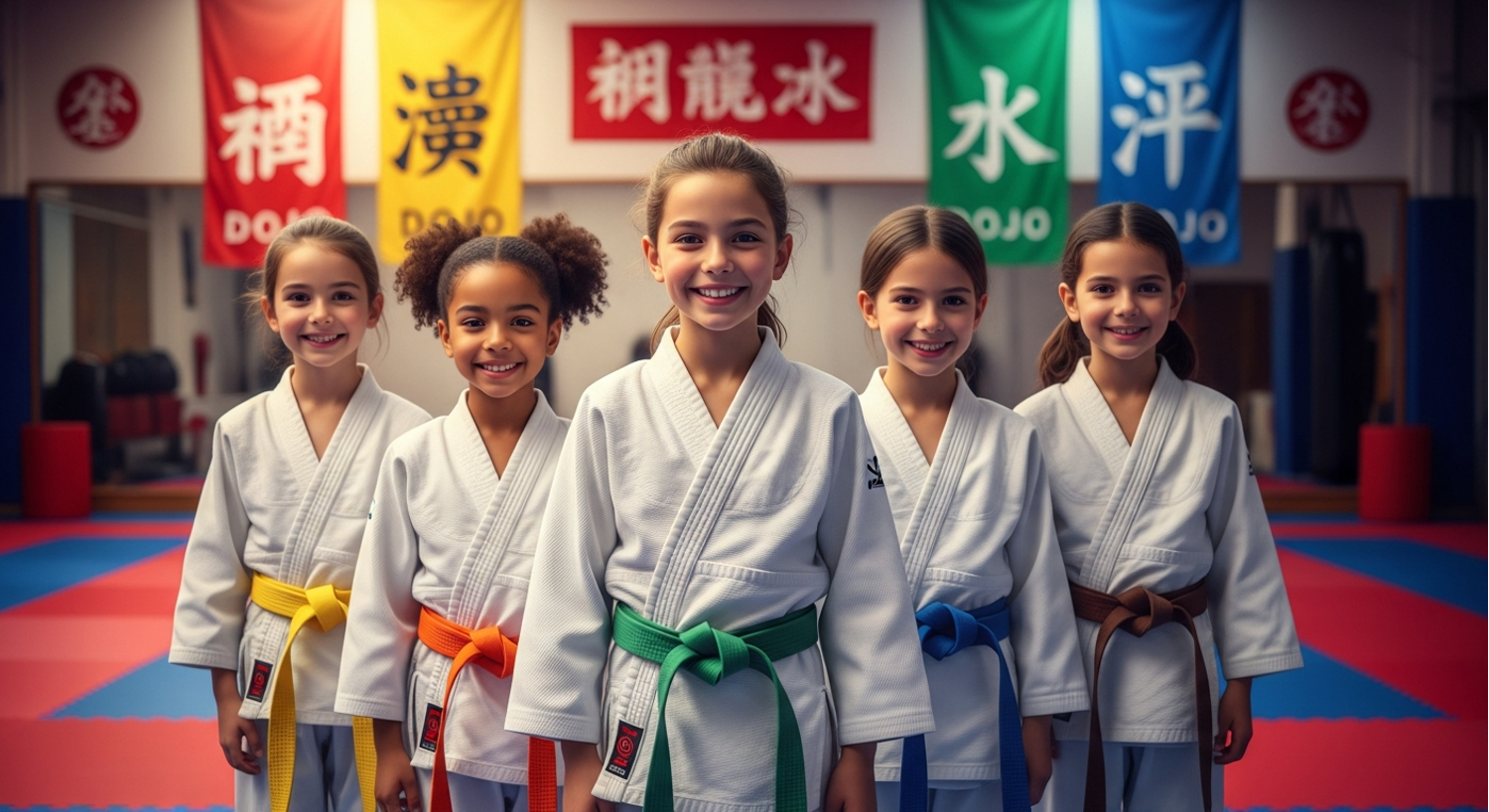
Key Highlights
- Self-defence for kids is about more than just fighting; it’s about building confidence and awareness.
- Learning self-defence helps children recognize and avoid dangerous situations, including bullying.
- Martial arts programs improve physical fitness, coordination, and overall health in a fun way.
- Key life skills like resilience, discipline, and social skills are developed through training.
- Practical techniques empower children to escape holds and seek help from an adult.
- Choosing the right program, like Krav Maga, is crucial for your child’s personal growth.
Introduction
As a parent, your child’s safety and well-being are top priorities. You want to equip them with the tools to navigate the world confidently and securely. Enrolling them in a program for self-defence for kids is one of the most empowering decisions you can make. It’s not about teaching them to fight, but about providing them with skills for personal growth, a strong mindset, and the ability to protect themselves. This guide will explore how martial arts can build a foundation of safety and confidence for your child.
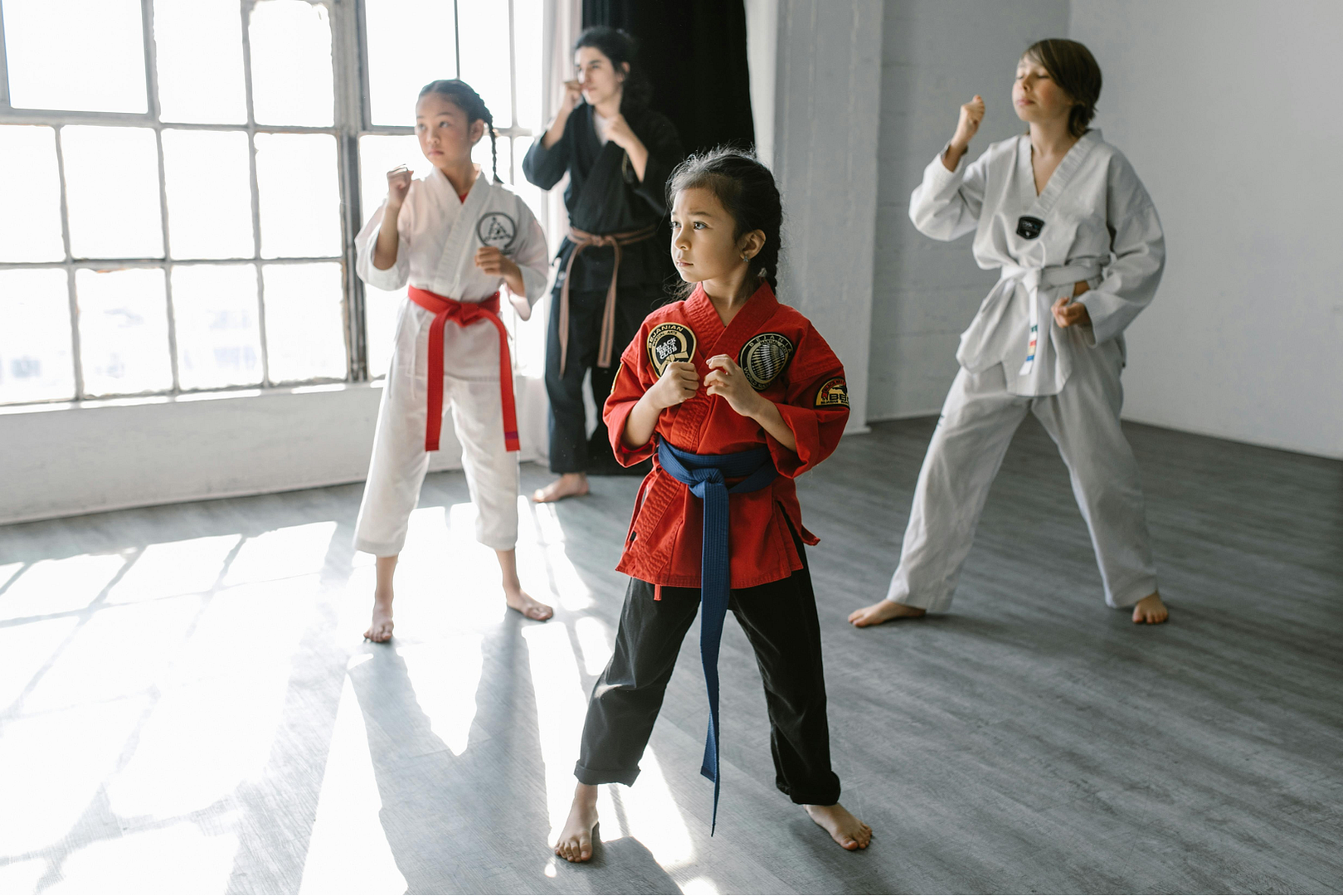
The Importance of Self-Defence for Kids in Australia
Teaching kids about safety is essential today. Self-defense for kids training helps children develop safety awareness, recognize dangerous situations early, and think clearly under pressure. This skill benefits them throughout life.
Self-defense programs also teach kids to seek adult help when needed, distinguishing minor disputes from serious threats. This prevents bullying and provides a reliable safety net. By building confidence and situational awareness, self-defense classes offer a proactive approach to personal safety—and peace of mind for parents.
Understanding Everyday Threats and Bullying Situations
Bullying goes beyond physical fights; it can be a persistent presence in a child’s life, from hurtful words and social exclusion to direct harassment. These forms of bullying are just as damaging, eroding self-esteem and security.
Safety awareness helps children spot bullying early. Self-defense training teaches them to recognize signs of bullying—directed at themselves or others—and understand that teasing and intimidation are unacceptable.
This knowledge empowers kids to act. Instead of internalizing negativity, they learn to address it. With self-defense training, children are better equipped to stand tall, firmly say “stop,” walk away before things escalate, and seek help from an adult when needed.
How Self-Defence Builds Confidence and Resilience
Confidence isn’t innate; it’s a skill children can build. Self-defense classes offer a unique environment for this growth. As kids master new techniques and overcome challenges, they gain a sense of accomplishment, boosting their self-esteem and belief in themselves.
The training also fosters resilience. Children learn to face setbacks, get back up, and try again—seeing failures as opportunities to grow. This mindset helps them persevere both in class and in life.
Their increased confidence shows in their posture, eye contact, and strong voice. They project self-assurance, making them less likely targets for bullies who look for vulnerability.
Key Life Skills Developed Through Self-Defence Training
Self-defense training goes beyond physical skills; it drives personal growth. In class, children interact with peers and instructors, building social skills in a supportive setting. They practice communication, teamwork, and encouragement, helping them form friendships and a sense of belonging.
Martial arts also teach discipline and focus, fostering important life skills. Kids learn to follow instructions, respect others, and commit to regular practice. This structure builds confidence and resilience, helping them face challenges with a positive attitude—skills that support success in school, relationships, and future goals.
Practical Self Defence Techniques for Kids
Self-defense for kids emphasizes practical, easy-to-remember techniques aimed at escaping and finding safety—not winning a fight. Training focuses on simple, instinctive movements effective against larger opponents.
Children learn safety awareness, using their voice to call for help, practicing basic blocks, escape from grabs, and strategies to avoid danger. This ensures they know how to stay safe.
Learning to Escape Holds and Handle Bullies Safely
Self-defense training teaches children how to safely disengage from physical altercations, focusing on de-escalation and escape rather than retaliation. Kids learn simple, effective techniques to break free from common holds like wrist grabs or being grabbed from behind, relying on leverage and movement instead of strength.
These classes build confidence and provide practical skills to handle bullies without escalating conflict. Children practice these moves in a safe environment until they become instinctive.
The best anti-bullying strategies combine verbal and physical techniques. Kids are taught to:
- Use a strong voice to set boundaries, like yelling “Stop!” or “Leave me alone!”
- Stand confidently to avoid appearing vulnerable.
- Use basic releases to escape a grab.
- Know when to run and seek help from a trusted adult.
Choosing the Right Self-Defence Class for Your Child
Choosing the right self-defense class for your child is important. With many martial arts options available, look for a program that fits your family’s goals and matches your child’s personality. The ideal class teaches valuable skills and encourages a lasting interest in physical activity.
Decide what you want your child to achieve—practical self-defense, discipline, fitness, or all three. Since each martial art offers unique benefits, research programs carefully before making a choice.
What Parents Should Look for in Self-Defence Programs
When choosing a self-defense program, the instructor’s qualifications and teaching style matter most. Seek experienced teachers who work well with children and foster a positive, encouraging environment. A good instructor prioritizes personal growth and safety awareness over fighting techniques.
Attend a free trial class to evaluate the school. Watch how the instructor interacts with students and whether children are engaged and happy—this is key to making an informed choice.
Before enrolling your child, ensure the program offers:
- Real-world safety and situational awareness
- A clean, safe facility
- An age-appropriate, progressive curriculum
- Positive reinforcement and a supportive community
Comparing Martial Arts Options like BJJ, Karate, and Krav Maga
Different martial arts offer unique self-defense approaches. Karate emphasizes discipline, forms (kata), and striking. Brazilian Jiu-Jitsu (BJJ) focuses on grappling and ground control, teaching smaller individuals to handle larger opponents.
Muay Thai specializes in powerful strikes using fists, elbows, knees, and shins. Krav Maga, developed for the Israeli military, prioritizes practical self-defense and instinctive movements for real-world situations.
Choose a style based on your child’s needs: BJJ and Krav Maga are ideal for practical self-defense; Karate builds discipline and form.
| Martial Art | Primary Focus | Best For |
| Krav Maga | Real-world self-defense, situational awareness | Practical protection |
| BJJ | Grappling, groundwork, control | Overcoming size/strength differences |
| Karate | Striking, forms (kata), discipline | Structure and striking skills |
| Muay Thai | Powerful striking | Fitness and stand-up striking |
Conclusion
Teaching kids self-defense goes beyond physical skills—it builds confidence, resilience, and everyday safety awareness. Through learning practical techniques, children also gain valuable life skills that support their overall well-being. Choosing the right program is important; parents should find classes suited to their child’s needs and interests. By prioritizing self-defense training, you empower your child to feel safe and confident in any situation. Ready to get started? Explore our self-defense programs today!
Frequently Asked Questions
At what age is best for kids to start learning self-defence?
Most children can start a basic self-defence or martial arts program around the ages of 5 to 6. At this age, they can follow instructions and have the necessary coordination for foundational training. The first step is finding a class that focuses on fun and basic skills, setting them up for a long time of positive learning.
Can self-defence classes help kids handle bullying at school?
Absolutely. Self-defence classes empower children to handle bullying by building their confidence and resilience. They learn to use a strong voice to set boundaries, project self-assurance to deter bullies, and develop social skills to navigate conflicts constructively. It gives them tools beyond just physical response.