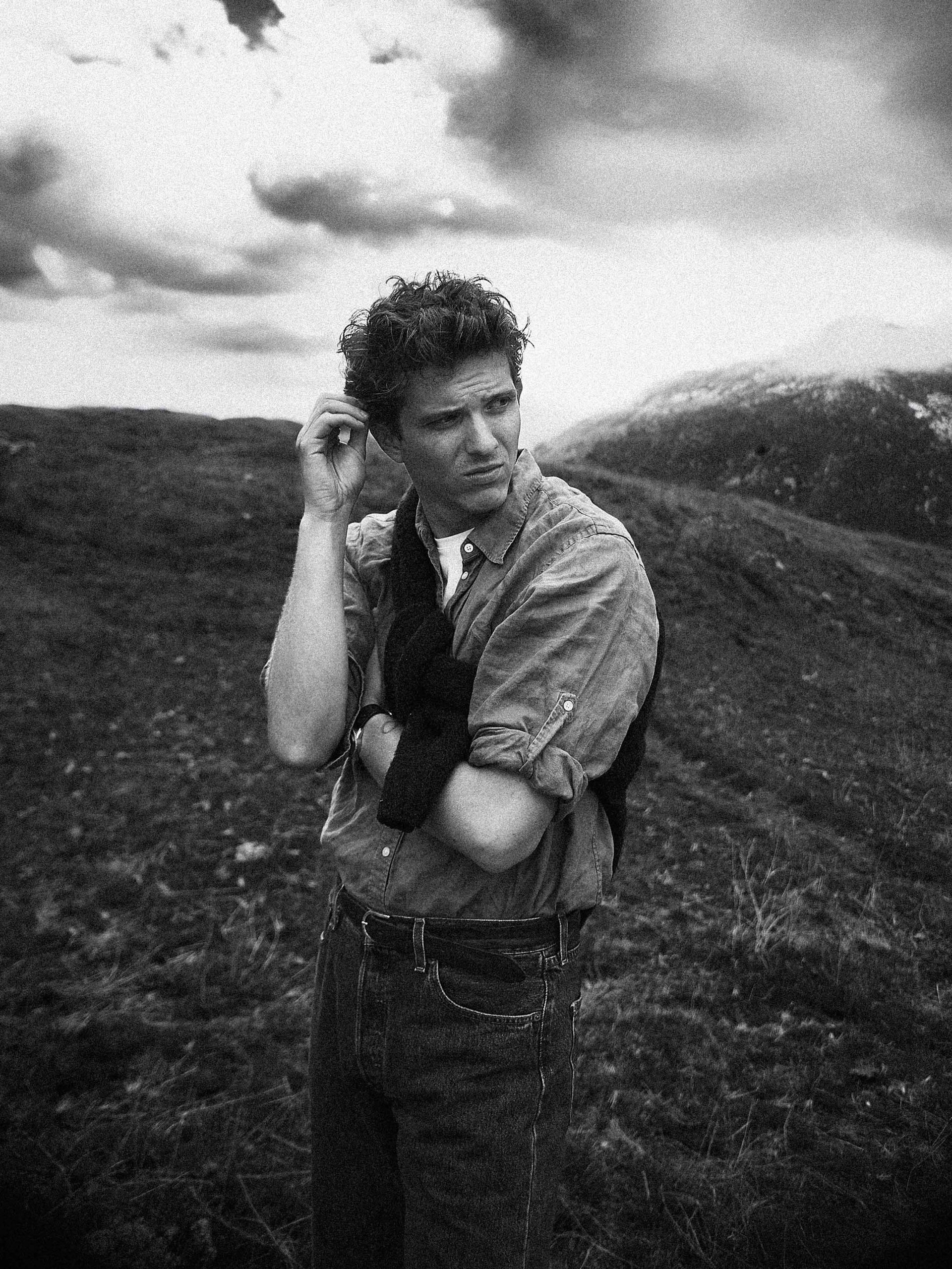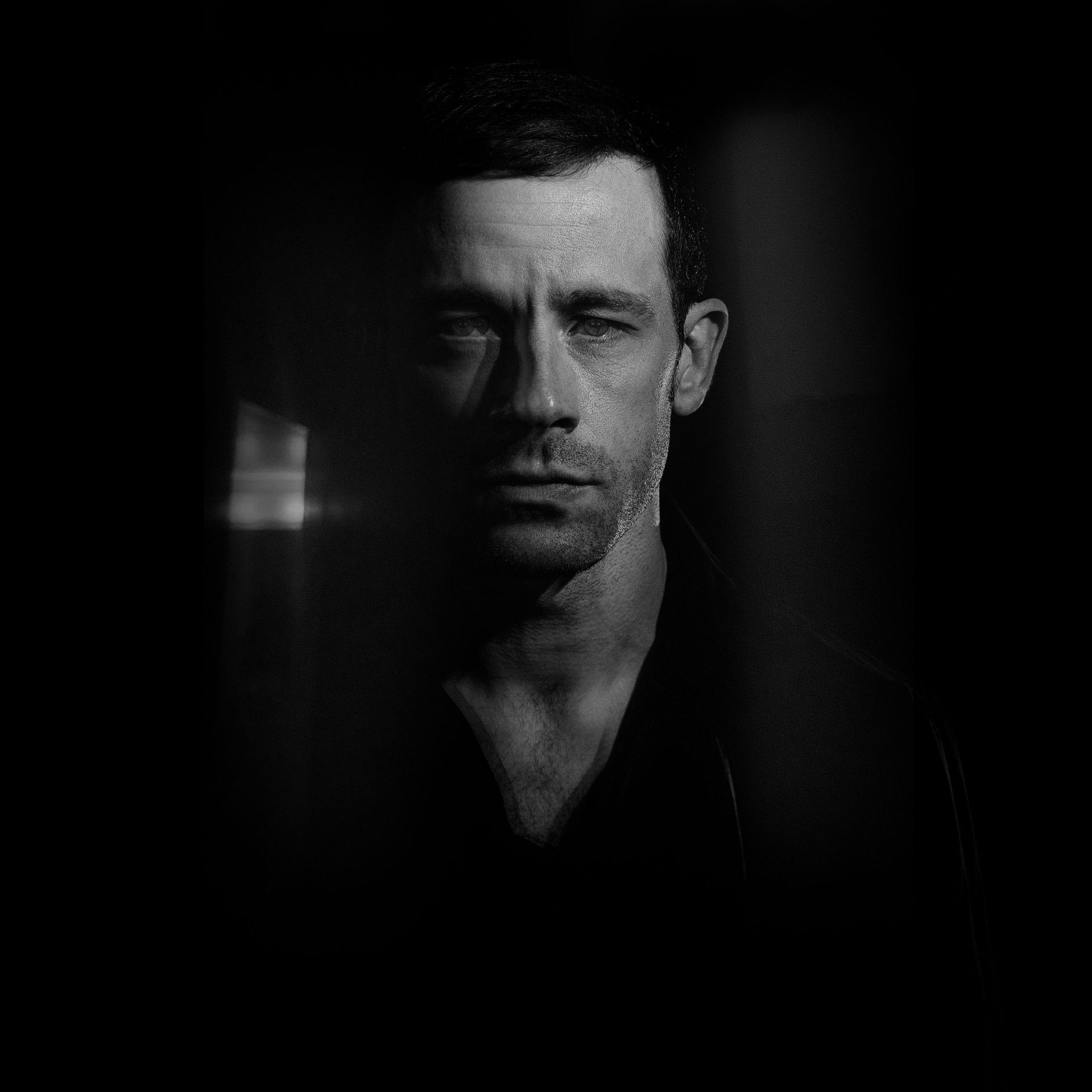
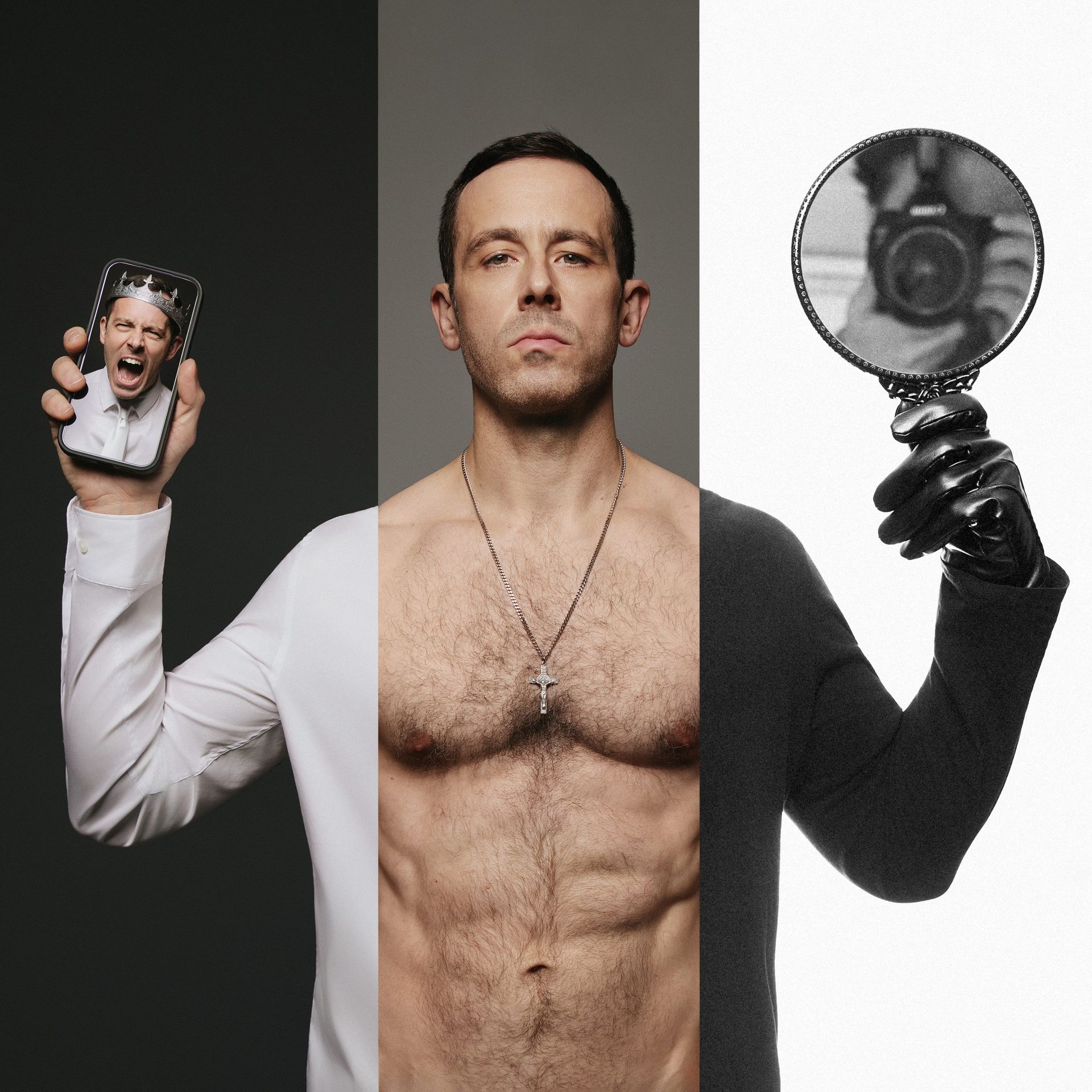
Las Vegas-based multi-instrumentalist Sam Lemos steps into a new creative chapter with Three Triptychs, a conceptually driven album that brings together theatrical composition, literary influence, and spiritual introspection. Known for his expansive approach to songwriting, Lemos operates across disciplines, blending avant-garde pop with cinematic scope to create work that is as thought-provoking as it is sonically layered.
At the centre of the project is an ambitious structure. Three Triptychs unfolds across three interconnected movements, each examining identity from a different perspective. Drawing on sources ranging from King Lear to biblical narratives, the album traces a gradual shift from personal reflection to something more abstract, where authorship and character begin to blur. The result is a body of work that feels deliberately complex, balancing moments of theatrical intensity with more immediate, melodic passages.
Lead single ‘Psalm 515’ offers an entry point into this world, pairing psychedelic textures with a pop sensibility that anchors the album’s broader ideas. Created largely within his own studio, the record reflects a meticulous and self-contained vision, shaped over the course of a decade.
To celebrate the release, Sam Lemos has penned an exclusive track-by-track article for 1883 Magazine discussing each song on the album.
‘Ashen‘
This first track is meant to pick up where my last album, Writhe, ended. Writhe begins with “Ideal Distance,” whose first lyric describes the sun as a beneficent force providing life-sustaining energy that gives rise to love and connection. That album was meant to decay as it progresses into a kind of schizophrenic chaos.
Three Triptychs begins with a similar voice, describing the moon swinging “low across the [Las Vegas] valley,” reflecting a desolate, “ashen” landscape like “an immense celestial mirror.” Three Triptychs is the third in a trilogy of albums about seeking fundamental meaning through the creative process. This track represents the realization that art alone has failed to generate substantial and sustainable meaning. The song’s instrumental intro is also a musical reference to the album’s final track.
‘Prince in Exile‘
Three Triptychs is made up of three three-song trilogies, or “triptychs,” and the first three songs are subtitled “Triptych I: The Selfling.” Each second song (tracks 2, 5, and 8 on the LP) functions as the center panel, which typically dominates a triptych visually and spatially.
Each center panel represents the annihilation of some aspect of the malignant identity or ego, and “Prince in Exile” is meant to destroy the immature, childish, entitled self through mockery and derision. The “selfling” of the triptych’s title is precisely described in this song and torn to shreds as a self-aggrandizing man-child who can’t even keep his room clean. This is the artist who believes himself so intellectually and spiritually superior that he need not create or complete anything—because it’s hardly worth it when his vision won’t be comprehended anyway.
‘The Serpent’s Egg‘
This song is a description of a personal experience I’ve had, one I’m not willing to describe beyond saying I believe I’ve had a taste of what hell must truly be like. Hell, to me, is not a realm of horrid and eternal physical pain. It is, rather, a landscape of pure and unalloyed depression, regret, and ugliness in every direction—a spiritual condition in which one is constantly inhabited by demons and shown nothing but despair, inward and outward.
Ultimately, the song is positive, offering the experience as an argument for genuine faith in goodness, love, and fidelity. The title references a line from Julius Caesar, later used by Ingmar Bergman for one of his films. The idea is that something dangerous must be destroyed in the egg before it hatches into something sentient and malignant. In the same way, the human will, left entirely to its own nature, may develop into something destructive. Something active—something willed—must be done to live rightly in the world. Faith in goodness is difficult and endlessly complex.
This concludes the first triptych.
‘Wax Dim‘
This song begins “Triptych II: The Book of Samuel,” and from this point on, the voices of the album are no longer my own, but those of figures from the Bible, literature, and recent history. All three songs in The Book of Samuel retell incidents from 1 Samuel, and this track recounts the calling of the young prophet Samuel.
It is sung primarily through the voice of the priest Eli, Samuel’s mentor. Eli has been suffering from the absence of God’s voice in his life. His sons are egregious sinners, and he has failed to restrain them properly. When God reaches out to Samuel, I imagine—and this is where I deliberately embellish the text—that Eli might have experienced some degree of regret or woundedness at witnessing this direct revelation given to a child while he himself remains in God’s silence.
I’m struck, in reading these passages, by how human and immediate these figures feel. These tracks aim to zoom in on moments of crucial biblical importance and illuminate the human drama within them. This triptych also sets up the Davidic kingship: David is peripherally present in all three songs and serves as the flawed hero-king of the sequence.
‘Psalm 515‘
“Psalm 515” is loosely based on the apocryphal Psalm 151. I drew some inspiration from the Cyclops episode of Ulysses, in that both the language and the title are intentionally “gigantized.”
Most of the song is sung from the perspective of Goliath, and serves not only as the center panel of the triptych, but also as the structural center of the album as a whole. Goliath represents the violent, aggressive, megalomaniacal ego, and his death occurs at the center of the track.
For the Goliath sections, I altered the formant of my voice using the Soundtoys AlterBoy plugin to reinforce the sense of scale and gigantism.
‘The Servant and the Sorceress‘
This song is sung from three perspectives: the first half from the voice of King Saul’s servant, the second from the voice of the Witch of Endor, and the coda from David himself. The Davidic passage is drawn directly from scripture.
The story of the Witch of Endor is one of the most cinematic passages in 1 Samuel, and I use it here to bookend the triptych with “Wax Dim,” through the reappearance of Samuel—now as a summoned spirit.
The song reinforces themes of the flawed king and the necessity of fidelity and faith, while also marking the full collapse of Saul’s reign, the beginning of David’s, and the transition into the final triptych.
‘Lear’s Last Waltz‘
The final three songs are subtitled “Triptych III: The Pagan, the Cynic, and the Saint.” All three reference triple-meter song forms in their titles, and their progression is intended to resonate thematically with the Holy Trinity (Father, Son, and Holy Spirit).
Each song is written as an imagined number from a non-existent musical. This track is sung by King Lear, our pagan king and father figure, at the moment he is reunited with Cordelia, just before the play’s devastating conclusion. It is a song of regret and contrition.
‘Passacaglia Crumb‘
This song is the final center panel and ego death of the record. It is sung from the perspective of Charles Crumb, the brilliant and tragic brother of Robert Crumb. It is based on the documentary Crumb, which is one of my favorite films, and musically it draws from “Dido’s Lament,” a passacaglia by Henry Purcell.
If you know the film, the references in the song should be apparent. I imagined it as the final number in a musical adaptation—a last moment of expression for Charles. It represents the resignation into cynicism and the identity that withdraws from life entirely. I hope it comes across as a loving tribute, despite its darkness. Without Charles, there would be no Robert, and he was a deeply intelligent, if tragically burdened, figure.
‘La Siciliana di Paolo secondo Luca‘
This final track is the most ambitious I’ve attempted. Its title translates to “The Siciliana (a triple-meter form) of Paul According to Luke,” and by this point, the narrating voice has moved as far from my own identity as possible.
The song is sung by Luke the Evangelist eulogizing Paul the Apostle—so it is not only “not me,” but also not even fully Luke, as its subject is entirely Paul.
At nine minutes in length, it serves as my final statement on the record and on the trilogy of albums as a whole. I began writing Glimmergum in 2016, so this has been a 10-year process of creation and discovery.
That final statement has something to do with the necessity of loving self-sacrifice for a life well lived. Even with all I’ve said here, many details remain intentionally unexplained. My hope is that listeners who engage deeply will continue to find new layers over time, while the music itself remains engaging enough to be appreciated on a purely surface level. For those who wish to dig deeply into the record, all lyrics are available at samlemos.com.
Listen to the album below.