Words Nadja Sayej
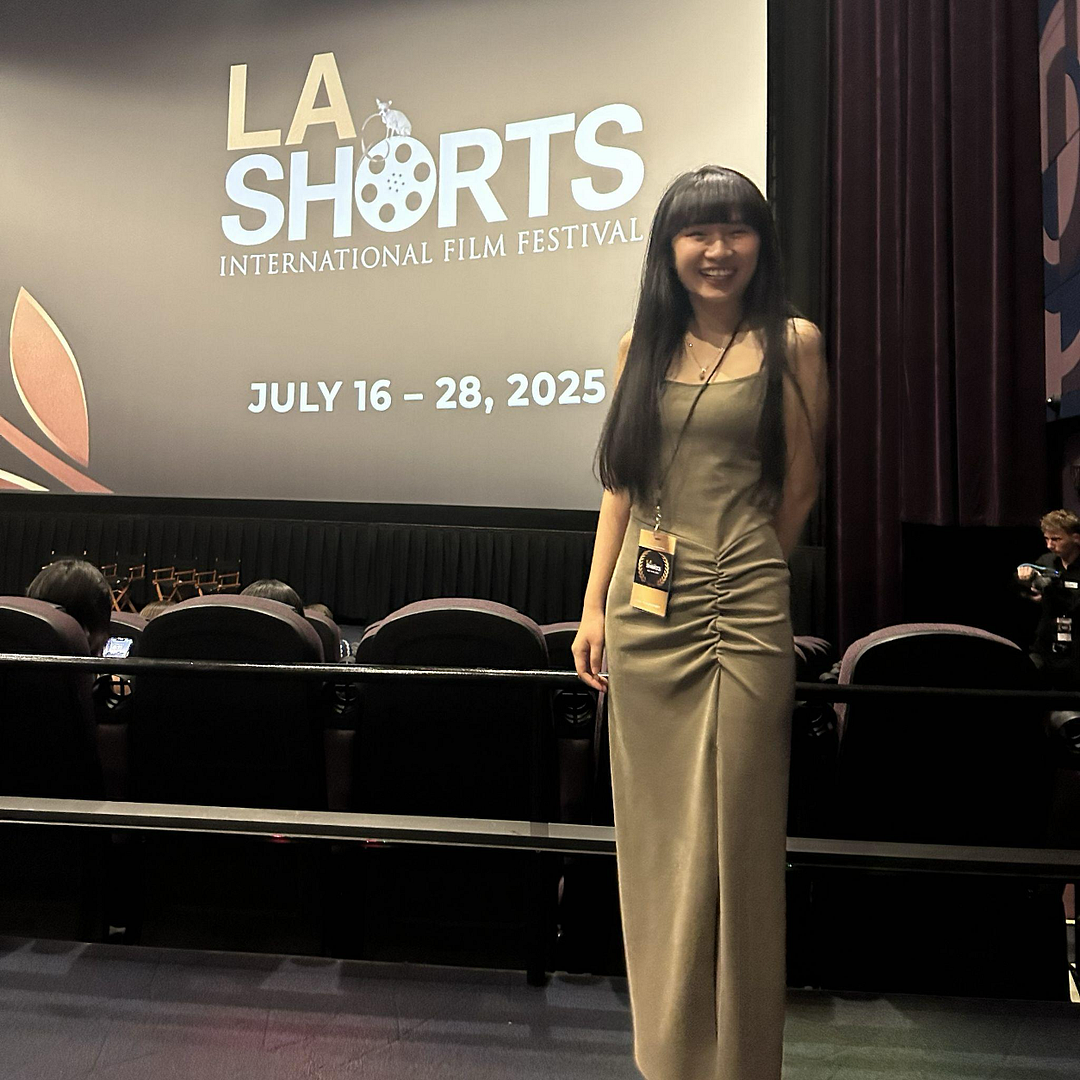
Vertical dramas are experiencing rapid global growth, but it didn’t start out that way. What began as a niche in China as a mobile-native alternative to traditional entertainment has rapidly evolved into a global entertainment industry of its own.
The vertical drama industry, characterized by its fast, 60-to-90-second episodes designed for the 9:16 aspect ratio of mobile phones, has surged past traditional streaming giants in daily engagement, claiming its stake as a multibillion-dollar industry. At the forefront of this revolution, where every frame and cut is critical to keeping an audience from scrolling away, is DramaBox editor Xinhui Wang, whose precise editing helps define the language of this emerging format, reaching millions of viewers globally.
Wang is a film and TV editor based in Los Angeles, working full-time. She has been instrumental in shaping this burgeoning medium at DramaBox. Her work has contributed to series reaching unprecedented viewership, with titles like “Craving My Brother’s Best Friend” and “FYI: My Love Ships Sailed Without You” surpassing 100 million views on the platform.
“At DramaBox, my role as a full-time editor involves shaping the narrative and pacing of vertical drama series to align with mobile viewing habits,” Wang explains. “That means building strong emotional beats quickly, maintaining momentum across short episodes, and ensuring each cut contributes to clarity and engagement within the 9:16 format.”
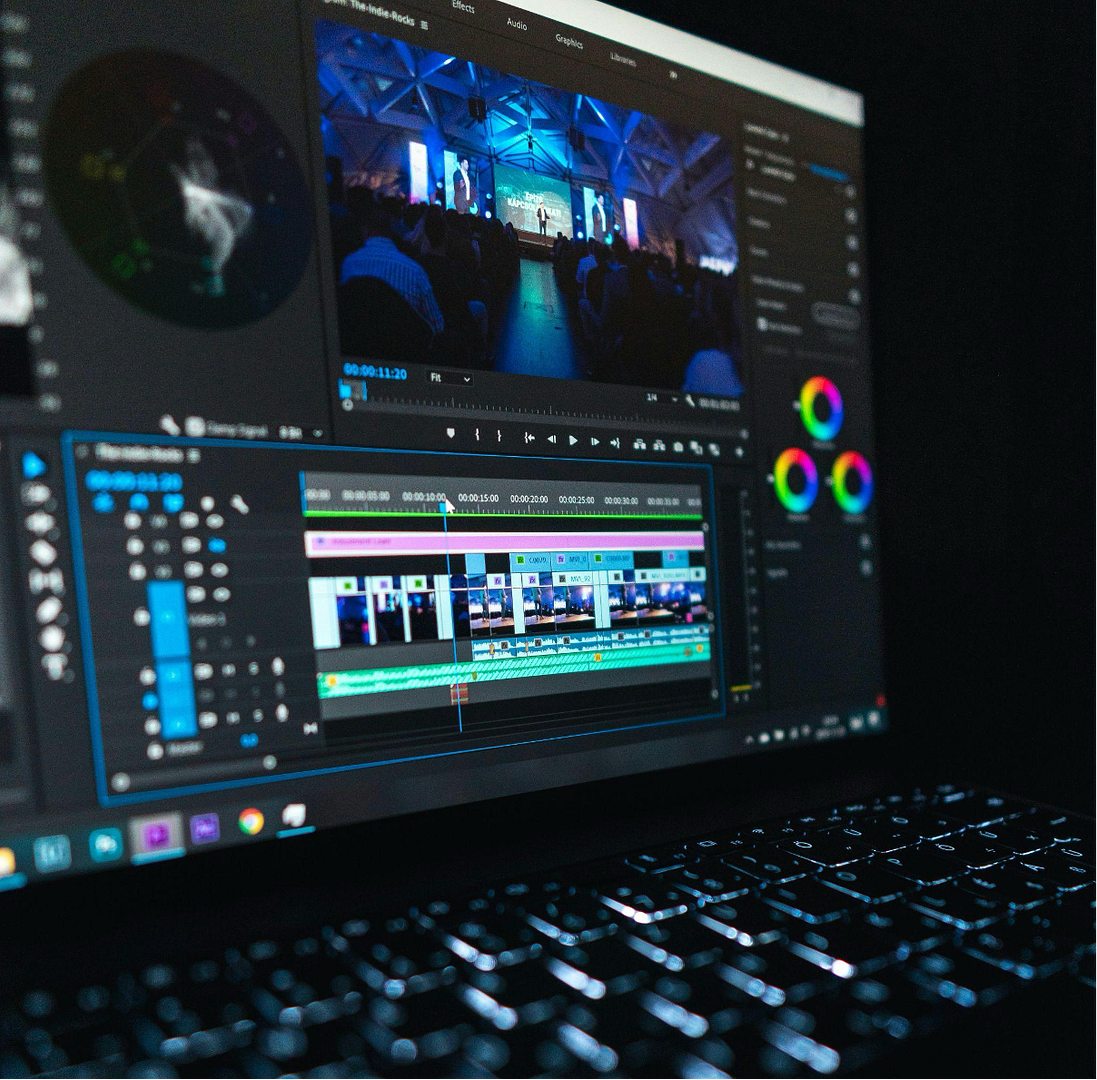
Beyond DramaBox, her talent as a film editor has garnered significant recognition, including an official selection at the Micheaux Film Festival for her work on “Goodbye Stranger.” Her film “Can You Hear Me?” was selected for the LA Shorts International Film Festival in 2025 and won Best Fantasy Short at the Independent Shorts Awards, and received an Honorable Mention at the Vancouver Web Festival. “Resonance”, a short film she edited, was selected by multiple festivals, including Atlanta Horror Film Festival, Cindependent Film Festival, Picture’s Up Film Festival, and Loveland Shorts Film Festival, and won the Best Horror Film at the Marina Del Rey Film Festival.
Another short film, “The Expiration Date,” earned the Grand Jury Award at the 19th Annual Gasparilla International Film Festival in 2026. She will be working on “Second Hand Sky,” a narrative feature film, with post-production slated for early 2028.
The sheer scale of these projects, she notes, is a testament to the format’s growing reach. “The series I have edited reflect the format’s growing reach and audience demand,” she said. “In this context, editing plays a central role, not just in storytelling, but in sustaining viewer retention across episodes.”
As American consumers increasingly spend over five hours daily glued to their smartphones, according to Harmony Healthcare IT, the vertical format has proven to be an extraordinarily potent storytelling tool. DramaBox, a streaming platform owned by the Chinese company Dianzhong Technology, exemplifies this seismic shift.
In the first half of 2025, it averaged a staggering 44 million monthly active users, placing it firmly in competition with established players like Hulu (50 million MAUs) and Paramount+ (75 million MAUs). The app’s financial performance is equally robust, pulling in $323 million in revenue and $10 million in net profit in 2024 alone. With the vertical drama industry projected to become a $3 billion business by Owl & Co., the stakes (and the screens) are undeniably high.
In an environment where attention spans are measured in seconds, fast-paced editing isn’t merely a preference; it’s an imperative. Wang describes her process as “highly iterative.”
She explains: “It is where timing, structure, and cliffhangers are constantly refined to maximize impact. The goal is to create a viewing experience that feels immediate and continuous, while still delivering a coherent and emotionally engaging story.”
Central to this engagement strategy are the notorious cliffhangers, a narrative device Wang wields with surgical precision. “Cliffhangers are essential in vertical dramas because they create immediate narrative momentum,” she says. “From an editing perspective, it’s about identifying the exact moment where tension peaks, whether it’s a reveal, a decision, or an emotional shift, and cutting at that point to leave the outcome unresolved.”
Her approach is meticulous, a finely tuned blend of intuition and practiced technique. “I approach cliffhangers with precision in timing and structure,” said Wang. “Holding a shot just slightly longer, or cutting just before resolution, can significantly increase anticipation. Sound design also plays a role, using silence or a sharp transition to emphasize the break between episodes.”
The aim, she clarifies, extends beyond mere surprise. “The goal isn’t just to surprise the audience, but to create a continuous sense of forward drive,” she said. “When done effectively, editing a cliffhanger for a vertical drama makes each episode feel interconnected, encouraging viewers to stay engaged with the story while maintaining emotional investment in the characters.”
The genre itself is undergoing a swift evolution. Having started with high-intensity melodrama, often centered on romance or fantasy, vertical dramas are now expanding their thematic horizons. Wang, who will be working on upcoming DramaBox titles like “Dragon King,” “The Line We Crossed,” “Mafia, Dangerously Sweet,” and “Melting the Ice with My Rival,” etc, observes this shift firsthand.
“The plots and storylines in vertical dramas are evolving to match both audience behavior and platform dynamics,” she notes. “Early on, the focus was on highly sensational, fast-paced romance or fantasy, but now there’s a shift toward more character-driven stories and diverse genres, including family dynamics, psychological tension, and hybrid narratives. This reflects a broader maturation of the format as it moves beyond novelty into a more sustainable storytelling space.”
This maturation is also evident in the increasing scale of production. “What began as low-budget, short-form content is now attracting major investment, with studios and platforms treating vertical dramas as a serious segment of the industry,” Wang says. “The format has seen explosive growth in both revenue and audience engagement, particularly on mobile platforms, where short episodic storytelling is becoming dominant. Overall, vertical dramas are evolving from a niche into a global movement.”
Wang’s unique editing techniques are tailored specifically for the mobile-first, vertical consumption. “When editing vertical dramas, I focus on precision in pacing and clarity in visual storytelling, since the format is designed for mobile viewing and shorter attention spans,” she said.
“Framing is critical,” adds Wang. “I often recompose shots to maintain strong visual focus within a vertical aspect ratio, ensuring key actions and performances stay centered and readable.”
Beyond framing, her approach emphasizes rhythm and emotional impact. “I also use tighter cutting rhythms to sustain engagement, especially in dialogue and emotional beats, while strategically placing cliffhangers to drive episode-to-episode momentum,” said Wang.
“Reaction shots and micro-expressions become more important, as they help quickly establish emotional stakes. Sound design plays a key role in guiding transitions and enhancing impact, particularly in fast-paced sequences,” she said. “Overall, the goal is to create an edit that feels immediate and immersive, while still maintaining narrative coherence and emotional continuity within a condensed format.”
For Wang, vertical dramas are more than a passing trend; they represent a fundamental shift in media consumption. “Vertical dramas reflect how audiences are increasingly consuming content: on mobile, in shorter formats, and with immediate engagement,” she said. “What makes them compelling is not just the format, but the efficiency of storytelling. You have to establish character, conflict, and emotional stakes quickly, which creates a very direct connection with the audience.”
Her perspective on their future is rooted in their adaptability and reach. “From an editing perspective, it requires precision in pacing and structure,” she adds. “Every cut has to carry weight, because there’s less room for excess. At the same time, the format encourages experimentation with rhythm, cliffhangers, and narrative flow in ways that feel native to digital platforms.”
Wang sees vertical dramas not as a replacement for traditional cinema or television, but as a vital expansion of the media landscape. “I think vertical dramas represent a shift in how stories are delivered, rather than a replacement for traditional film or television,” she said. “They expand accessibility and reach, especially for younger audiences, and open up new creative possibilities within a rapidly evolving media landscape.”
Wang’s role may operate behind the scenes, but it plays a defining part in how vertical dramas connect with audiences. In a format where timing and narrative clarity are critical, her editing helps shape not only the pacing of each episode but the overall viewing experience within a highly competitive digital landscape.
She expects the medium to grow, just as DramaBox has surpassed 100 million installs on the Google Play Store, counting up to 2 million downloads in a single month, according to Apple.
Wang sees the continued growth of vertical dramas as closely tied to shifting audience behavior. “The format creates new opportunities for storytelling that are more immediate and responsive to how people engage with content today,” she says. “It allows for a different kind of creative flexibility, particularly in how stories are structured and delivered across digital platforms.”
Images courtesy of Xinhui Wang and Unsplash