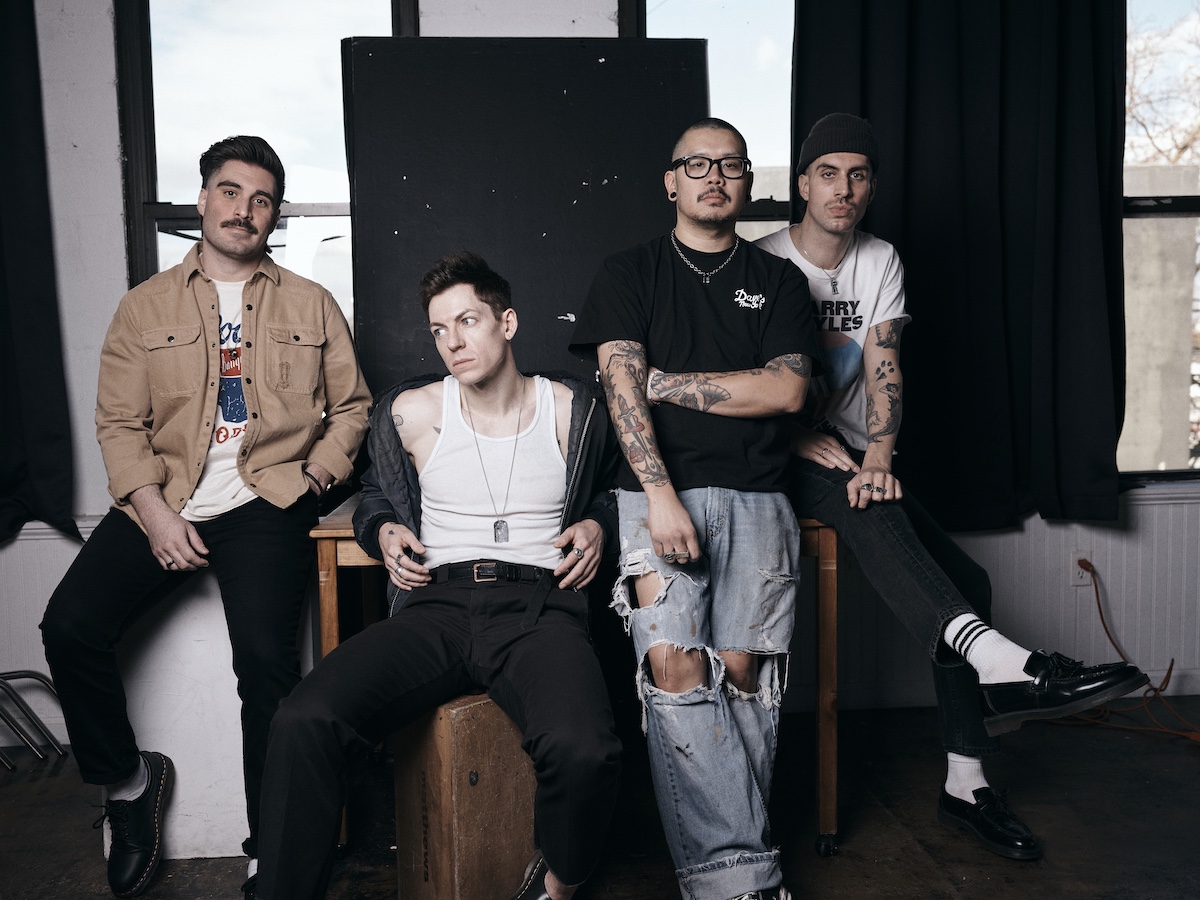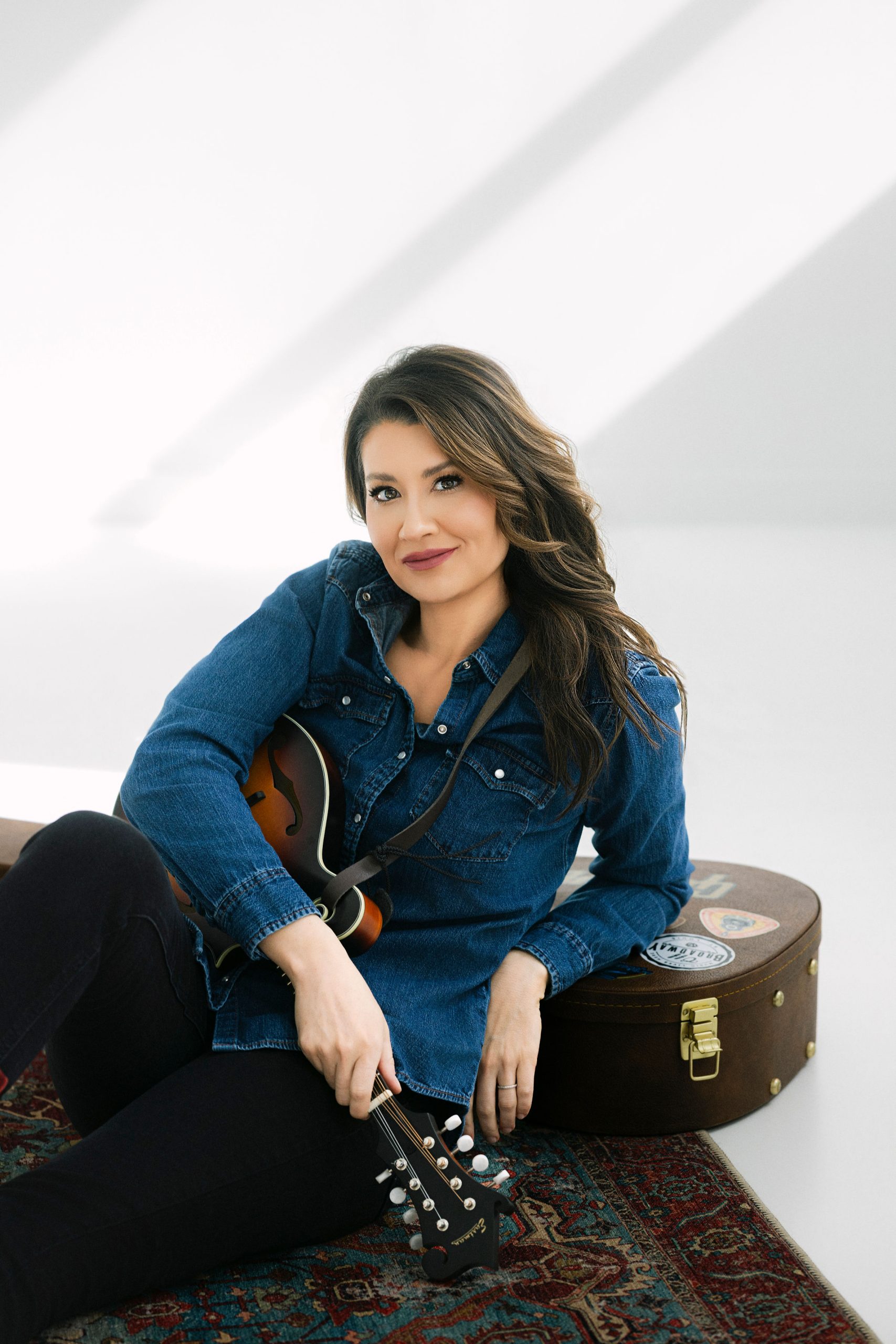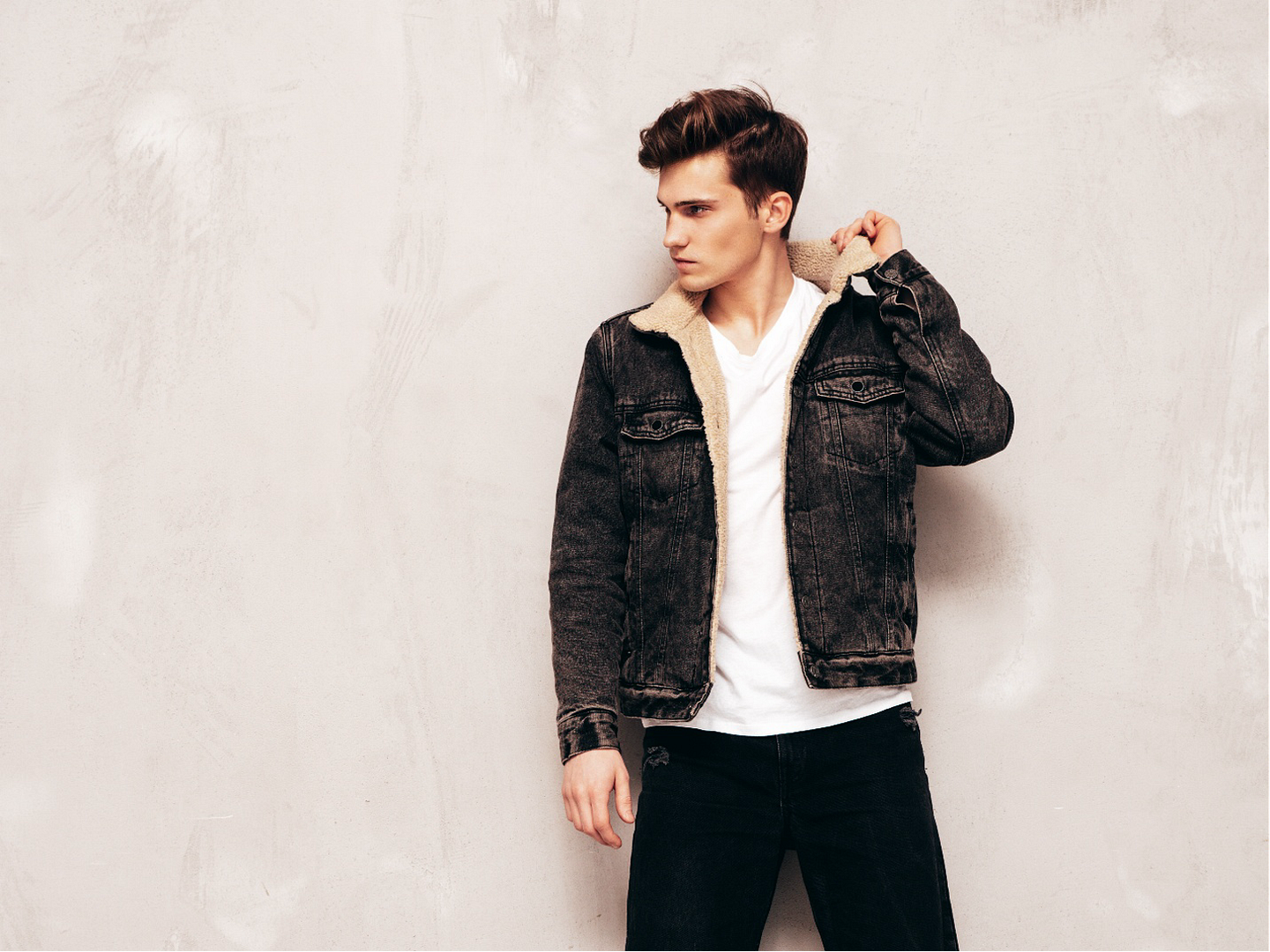
Photo Credit
From the Runway to the Real World — Identity Is the New Currency
Fashion has always been about more than fabric. It’s a language — one spoken through silhouette, texture, colour, and, increasingly, the logo on your chest. What began as a conversation reserved for the ateliers of Paris and the editorial pages of the world’s most discerning publications has quietly spilled over into boardrooms, creative studios, and community events. The way a brand dresses itself — and the people who represent it — has become as strategic and expressive as any runway collection.
At the intersection of style culture and brand identity sits a compelling question: in an era when authenticity is everything, how do you make sure your brand looks the part?
The Cultural Moment Fashion Is Living In
Publications like 1883 Magazine have long understood that fashion is inseparable from music, film, art, and the broader creative conversation. Born in West London in 2010 as an independent lifestyle platform, 1883 has spent over a decade profiling the talent that shapes culture — from emerging designers showing at London Fashion Week to musicians who treat their wardrobe as an extension of their artistry. What that editorial lens reveals, year after year, is that the most compelling figures in any industry treat visual identity as a deliberate craft.
That sensibility has migrated well beyond editorial pages. Brands, events, and organisations of every size are waking up to the same truth: how you present yourself visually tells people who you are before a single word is spoken.
Why Apparel Has Become a Branding Priority
The Shift from Uniform to Identity
There was a time when branded clothing meant a stiff polo shirt with a logo embroidered in the corner — functional, forgettable, and destined for the back of a drawer. That era is effectively over. The cultural elevation of streetwear, the rise of the “drop” model pioneered by labels like Supreme, and the growing influence of fashion-forward celebrities on everyday consumer behaviour have fundamentally changed expectations.
Today’s audiences are visually sophisticated. They recognise quality. They notice when something has been designed with intention versus thrown together as an afterthought. And increasingly, the clothing a company puts its name on says something concrete about its values, its taste, and how seriously it takes its own identity.
Merchandise as Community Infrastructure
Look at how the most culturally resonant brands operate. A sold-out artist doesn’t just perform — they release a capsule collection tied to the tour. A thriving café doesn’t just serve excellent coffee — it sells the hoodie that signals you’re part of the story. A design studio doesn’t just deliver work — it shows up to client meetings in a considered uniform that communicates craft and cohesion.
Branded apparel, done well, functions as wearable community infrastructure. It turns supporters into ambassadors, creates belonging, and extends a brand’s visual presence into every room those people enter.
Craftsmanship Matters — The Case for Custom
Why Generic Falls Short
The democratisation of online merchandise has made it easy to slap a logo on a gildan blank and call it a day. But there’s a growing gap between brands that treat apparel as a commodity and those that treat it as an extension of creative identity. Consumers — especially younger, style-literate ones — can feel that difference immediately.
A poorly chosen fabric, an awkward fit, an ink that cracks after three washes: these aren’t just product failures. They’re brand signals. They communicate that the organisation behind the shirt doesn’t sweat the details. In a cultural moment that prizes authenticity and craft, that message is costly.
The Custom Approach
This is where working with dedicated, quality-driven producers makes the difference. Custom branded apparel done at a high standard means controlling not just the logo placement, but the weight of the cotton, the quality of the print or embroidery, the colour accuracy, and the overall garment construction. The result isn’t just a product — it’s a physical embodiment of the brand’s standards.
When a creative agency, a music label, a fitness community, or a tech startup invests in apparel that’s been thoughtfully designed and properly produced, the garments do real work. They get worn. They travel. They show up in photos. They become part of the visual record of what that brand looked like at this moment in time.
What Fashion Culture Teaches Us About Brand Dressing
Intention Over Volume
The fashion industry’s most enduring lesson for brand identity isn’t about spending more — it’s about choosing deliberately. A single well-designed, well-made piece carries more cultural weight than a warehouse of generic merchandise. Scarcity, quality, and design coherence are the principles that have sustained luxury fashion houses for generations, and they’re equally applicable to a company producing a hundred hoodies for its team.
Storytelling Through Clothing
Every great fashion editorial tells a story. The clothes are the characters; the context is the narrative. Brand apparel works the same way. What story does your team’s clothing tell? Does it signal precision and expertise? Creative openness? Community and warmth? The answer should flow naturally from your brand’s values — not be an accident of whatever was cheapest at the time.
The Long View
Fashion publications like 1883 have always championed talent with longevity — artists and designers who are building something that will matter beyond a single season. The same long-view thinking applies to how brands dress themselves. Invest in apparel that reflects who you actually are, produced to a standard that holds up over time, and it will compound in value as part of your visual identity.
Dressing the Brand: A Practical Takeaway
The convergence of fashion culture and brand strategy isn’t a trend — it’s a permanent recalibration of how identity works. In a world where 1883 Magazine can profile a designer one week and a musician the next, and find the same thread of intentional visual storytelling running through both, the message is clear: every brand is in the business of aesthetics whether it knows it or not.
The question is simply whether you’re making deliberate choices or leaving it to chance. Invest in the craft. Choose quality. Dress your brand the way you’d want the world to see it — because it will.
Style is never incidental. It’s always a decision.