Modern housing is undergoing a quiet yet very significant transformation. What used to be defined mainly by architecture, location, and interior comfort is now increasingly shaped by how efficiently a home uses energy. Sustainability is no longer treated as a design preference or marketing angle. In many residential markets, it has become a baseline expectation.
Rising electricity costs, climate uncertainty, and rapid growth in home technology are all pushing this shift forward. At the same time, modern families use energy in completely different ways than even a decade ago. Homes are now expected to support remote work, electric vehicles, smart automation systems, and continuous digital connectivity.
This combination of higher demand and higher expectations is forcing builders, architects, and developers to rethink residential design from the ground up. Sustainable home design is now less about “eco-friendly branding” and more about long-term performance, energy resilience, and future readiness.
Why Sustainable Home Design Is Becoming a Core Requirement
Sustainable housing is no longer limited to niche eco-projects. It is gradually becoming part of mainstream residential planning, especially in mid to high-end developments where buyers expect long-term value and efficiency.
One of the strongest drivers behind this change is the rising cost of electricity. In many regions, energy bills are now a predictable long-term financial burden rather than a minor household expense. As a result, homeowners are evaluating energy consumption as part of overall property value, not just monthly utility costs.
Developers are also responding to evolving building codes, urban planning policies, and sustainability frameworks that encourage energy-efficient construction. In some markets, compliance requirements are accelerating this shift by making efficiency standards a prerequisite for approval.
Modern buyers increasingly associate sustainable homes with:
- Lower long-term utility costs
- More stable indoor temperature and comfort levels
- Higher long-term property resale value
- Reduced environmental footprint
- Greater independence from grid fluctuations
What is notable is that sustainability is no longer positioned as a compromise. Instead, it is increasingly seen as a performance upgrade that enhances both financial efficiency and daily living quality.
How Modern Families Are Changing Their Energy Behavior
Residential energy consumption has changed significantly due to lifestyle evolution and technology integration. Homes today are no longer passive environments. They function as hybrid spaces for living, working, entertainment, and mobility.
Remote work and constant home usage
With remote and hybrid work becoming long-term global trends, residential energy usage is no longer concentrated in short peak periods. Instead, electricity demand is distributed across the entire day.
Computing devices, lighting systems, internet infrastructure, and climate control systems now operate for extended hours. This has fundamentally changed the traditional consumption pattern of residential buildings, creating a more consistent and sustained energy load.
Electric vehicles and home charging demand
The adoption of electric vehicles is introducing a new structural layer of residential energy demand. Homeowners increasingly expect properties to support charging infrastructure as part of standard design.
This requires:
- Higher electrical load capacity planning
- Dedicated EV charging points
- Intelligent load balancing systems
- Future scalability for additional vehicles
In many modern developments, EV readiness is no longer treated as a premium feature but as essential infrastructure for future-proof housing design.
Smart homes and connected systems
Modern residential environments are increasingly built around interconnected smart systems. These include:
- Smart thermostats and HVAC automation
- Security and surveillance networks
- Intelligent lighting systems
- Energy usage monitoring platforms
- Connected appliances and kitchen systems
While each device individually consumes minimal energy, together they create a continuous baseline demand that must be factored into modern residential energy planning.
Solar-Ready Design Is Becoming a Standard Expectation
Solar integration is no longer considered a future upgrade or optional enhancement. In many new residential developments, solar readiness is now being incorporated at the design stage itself.
This shift means that instead of retrofitting solar systems later, homes are pre-designed for renewable integration during construction planning.
A solar-ready home typically includes:
- Optimized roof orientation for solar efficiency
- Pre-installed conduit pathways for wiring
- Electrical panel capacity for renewable input
- Dedicated inverter installation zones
- Structural compatibility for battery storage systems
This level of planning significantly reduces installation complexity and long-term upgrade costs. It also increases adoption flexibility, allowing homeowners to install solar systems when financially or strategically appropriate.
From a market perspective, solar-ready properties are increasingly viewed as future-aligned assets. Even without immediate installation, the infrastructure readiness itself adds long-term value and adaptability.
Energy Storage Is Becoming a Central Part of Home Design
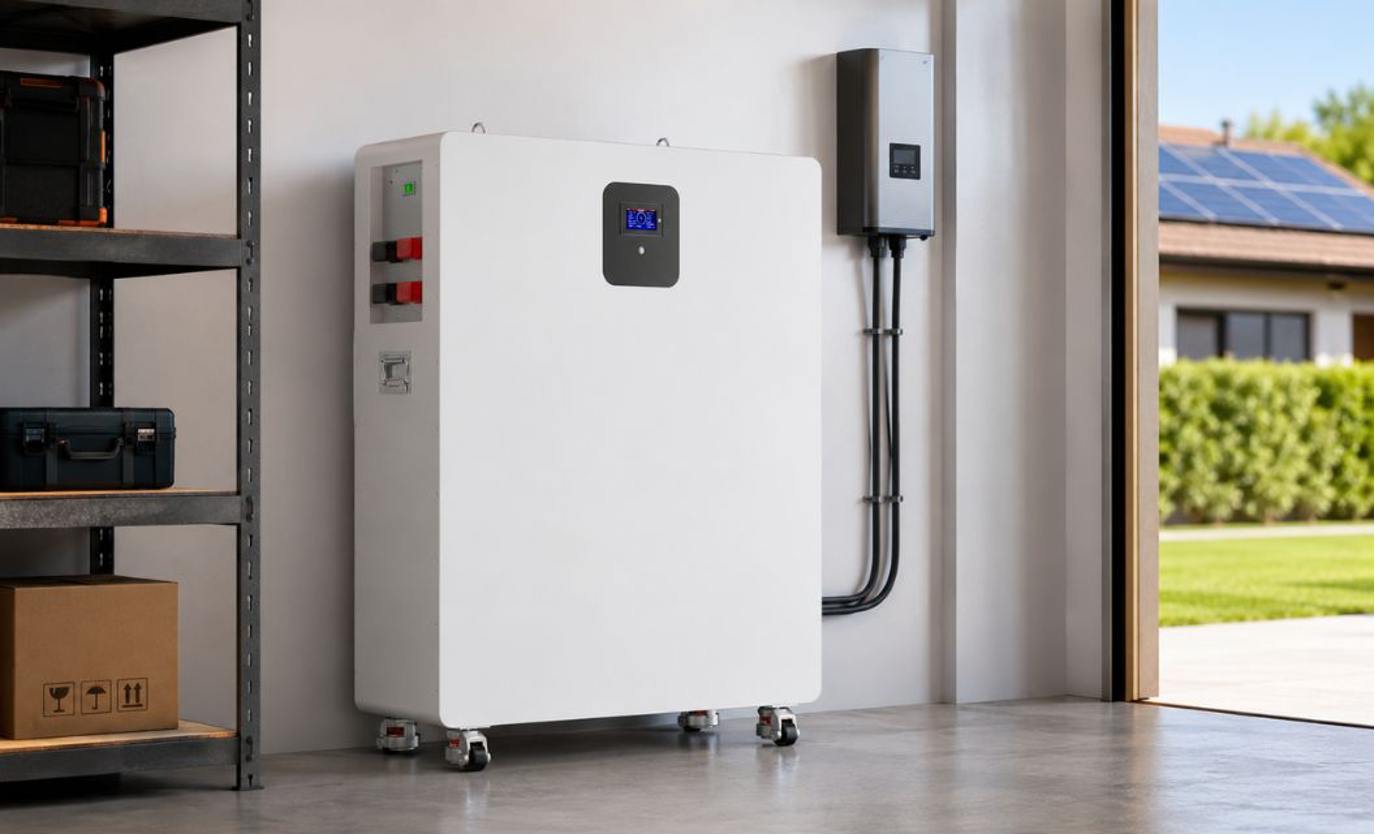
As solar adoption continues to grow, energy storage is becoming a critical component of residential energy systems. Electricity generation alone is no longer sufficient—how energy is stored and distributed determines overall efficiency.
Battery storage systems allow homes to:
- Store excess solar energy for later use
- Reduce dependence on the external grid
- Improve backup power reliability
- Optimize peak-time energy consumption
- Stabilize household energy usage patterns
In premium residential developments, energy storage is now considered part of core infrastructure rather than an optional upgrade.
For example, some high-end villas and energy-intensive residential projects are integrating systems such as a 50kWh solar battery to ensure stable backup capacity and reliable energy distribution across multiple systems within the home.
These systems are particularly relevant in properties with advanced energy requirements such as EV charging, multi-zone cooling systems, and smart automation networks.
Why Developers Are Planning for Higher Storage Capacity
Builders and property developers are increasingly shifting toward long-term energy forecasting instead of short-term electrical planning.
This change is driven by the understanding that residential energy consumption will continue to rise as homes become more technologically advanced and electrified.
Modern high-consumption properties often include:
- Multiple EV charging stations
- Large HVAC and climate systems
- Pools and heating infrastructure
- Home entertainment systems
- Smart work-from-home setups
- High-demand kitchen appliances
To support these requirements, developers are evaluating whether a 50 kWh battery or similar high-capacity storage solution is necessary to ensure long-term stability and flexibility.
Rather than treating battery systems as optional add-ons, they are increasingly being integrated into the core electrical architecture of residential projects. This ensures homes remain adaptable as energy demands evolve.
Smart Energy Management Is Redefining Residential Efficiency
Beyond generation and storage, energy management itself is becoming more intelligent and automated. Modern systems now allow homeowners to actively control, monitor, and optimize energy usage across their properties.
These systems can:
- Track real-time energy consumption patterns
- Prioritize essential systems during outages
- Optimize charging and discharge cycles for batteries
- Adjust HVAC and appliance behavior dynamically
- Reduce peak load pressure on the electrical grid
In advanced residential setups, artificial intelligence is increasingly being used to analyze consumption patterns and predict energy needs, allowing systems to adjust automatically for maximum efficiency.
This is especially important in larger homes where energy usage is more complex and distributed across multiple systems.
Companies like Avepower are supporting this shift by developing advanced energy storage solutions that integrate seamlessly with modern smart home ecosystems and evolving residential energy infrastructure.
Sustainable Design Is Influencing Long-Term Property Value
Sustainability is now directly influencing real estate value and buyer decision-making in many housing markets. Homes designed for energy efficiency tend to demonstrate stronger long-term performance in both resale value and market demand.
This is largely because buyers are becoming more aware of ongoing operational costs in addition to the purchase price. Homes that consume less energy and support renewable integration are increasingly seen as lower-risk long-term investments.
Key value drivers include:
- Reduced monthly energy expenses
- Lower dependence on centralized power systems
- Future-ready infrastructure design
- Compatibility with emerging energy technologies
- Improved environmental performance metrics
In addition, ESG considerations are becoming increasingly relevant in property investment decisions. Developers focusing on sustainable construction are often better positioned in markets where environmental responsibility influences capital flow and buyer sentiment.
The Future of Residential Energy Is Integrated and Flexible
Residential energy systems are gradually shifting toward a more integrated and decentralized model. Instead of relying solely on external power grids, homes are evolving into self-managed energy ecosystems.
Future-ready residential properties will likely combine:
- On-site solar energy generation
- Advanced battery storage systems
- Smart automation and control systems
- EV charging infrastructure
- Real-time energy analytics platforms
This integration allows homes to operate with greater independence, improved efficiency, and enhanced resilience.
At a broader level, residential communities may also adopt shared energy systems or localized microgrid networks. These models can improve energy reliability while supporting more sustainable urban development strategies.
As this transition continues, energy infrastructure will become just as important as architectural design in shaping the future of residential housing.
Conclusion
Sustainable home design is fundamentally reshaping how modern families consume and manage energy. What was once considered an optional lifestyle choice is now becoming a structural requirement in residential development. Homes are increasingly expected to support renewable energy systems, intelligent automation, electric mobility, and reliable backup power as core features of modern living.
This transformation is influencing not only homeowners but also builders, architects, and developers who are rethinking how residential infrastructure is planned and delivered. Solar readiness, energy storage systems, and smart energy management are becoming essential components of future-focused housing design.
As energy demand continues to grow, sustainability will play an even more critical role in defining residential construction standards and long-term property value. Companies like Avepower are contributing to this shift by supporting advanced energy storage solutions designed for modern homes and next-generation developments.
In the coming years, the most successful residential projects will be those that treat energy not as a secondary consideration, but as a foundational element of design.
FAQ
What is the main goal of sustainable home design?
The main goal of sustainable home design is to create homes that use less energy, integrate renewable sources, and maintain long-term efficiency without sacrificing comfort or functionality.
How is energy use changing in modern homes?
Energy use in modern homes is becoming more continuous due to remote work, electric vehicles, smart devices, and automation systems, leading to higher overall electricity demand throughout the day.
Why are developers focusing on energy-efficient housing?
Developers are focusing on energy-efficient housing because buyers now expect lower utility costs, better long-term value, and future-ready infrastructure such as solar and energy storage systems.
What role does energy storage play in sustainable homes?
Energy storage systems help store solar energy, provide backup power during outages, and improve energy management by balancing electricity usage during peak and off-peak hours.
Are sustainable homes becoming a standard in new construction?
Yes, many new residential developments now include sustainability features such as solar readiness, EV charging preparation, and smart energy systems as part of standard design planning.