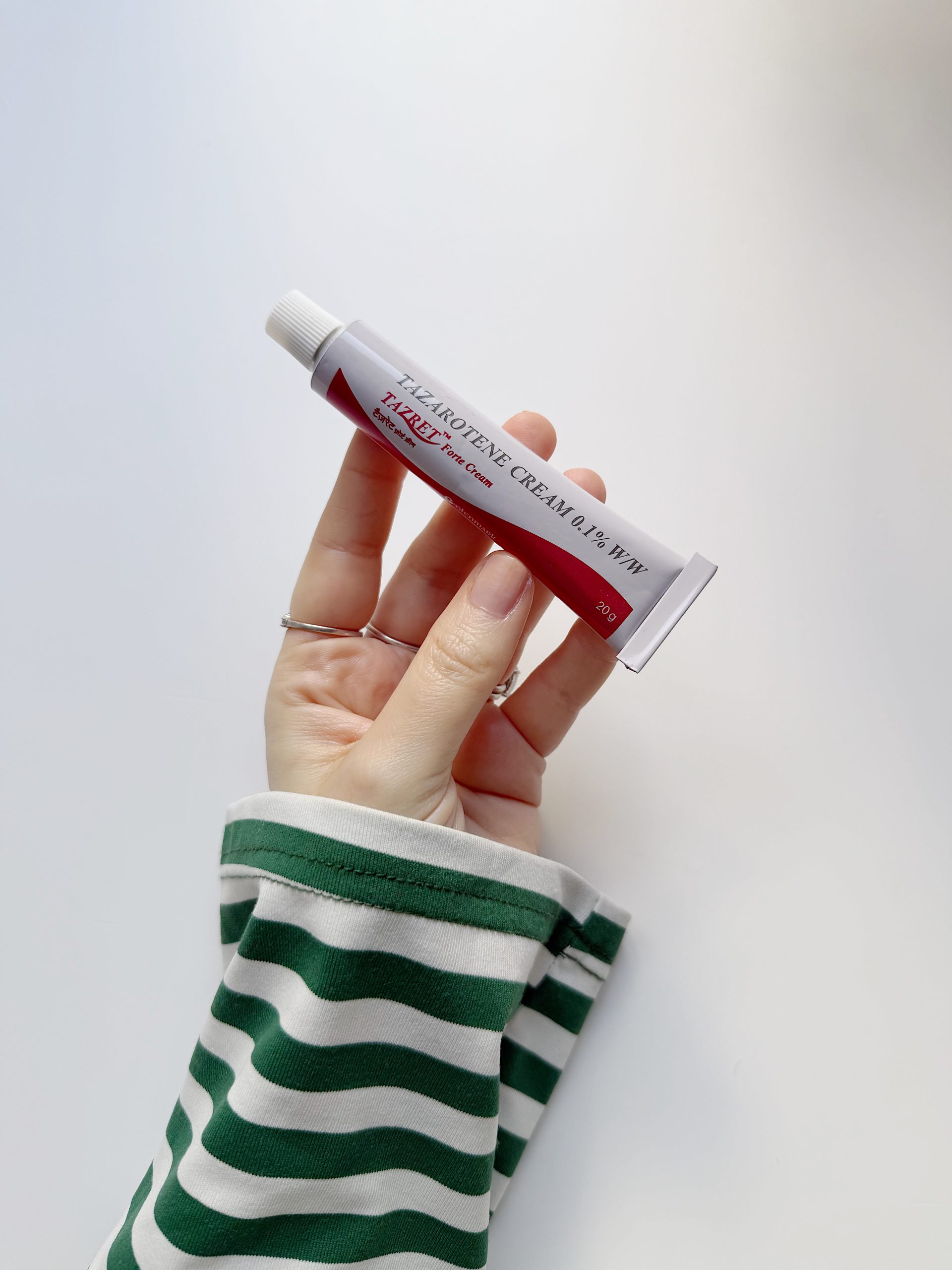
Tattoos have become a popular form of self-expression, giving people the opportunity to turn everything from meaningful memories to favourite designs into permanent artwork. Whether you’re planning a small tattoo or settling in for a longer session, knowing what to expect beforehand can make the experience feel more familiar. Tattoo numbing creams have become one option people consider as part of their preparation, while aftercare products and a simple skincare routine can help you look after the appearance of your new tattoo afterwards.
Understanding Tattoo Numbing Cream
Tattoo numbing creams are topical products applied to the skin before a tattoo session. There are many different products available, with different formulas, application methods and recommended timings. Because every product is different, it’s important to read the instructions on the packaging rather than assuming all tattoo numbing creams should be used in the same way. It’s also worth mentioning the product to your tattoo artist before your appointment, as individual artists and studios may have their own preferences.
How Long Does Tattoo Numbing Cream Last?
How long a tattoo numbing cream lasts will depend largely on the particular product being used. Different formulas have different recommended application times and durations, while individual experiences can also vary. Instead of working to a general one or two-hour rule, check the information provided with your chosen product for guidance on when to apply it and what to expect. If you’re booking a longer tattoo session, speak to your artist beforehand about how they prefer numbing products to be used.
What Can Affect Your Experience?
Several things can influence the experience of using a tattoo numbing cream, including the product, how it is applied and the length of the tattoo appointment. Different brands use different formulas, so instructions for one cream won’t necessarily apply to another. Some products may also have specific directions about the amount to apply, how long to leave it on and whether it should be covered before the appointment. Following the instructions for the particular product is therefore preferable to adding extra layers or experimenting with different application methods.
Preparing for Your Tattoo
Numbing Cream is only one part of getting ready for a tattoo appointment. Your tattoo artist may provide preparation instructions beforehand, particularly for larger or more detailed pieces. Comfortable clothing is a good idea, especially something that allows easy access to the area being tattooed. If you’re having a longer session, you may also want to ask the studio about breaks and whether you can bring drinks or snacks. If you plan on using a numbing cream, tell your artist in advance so you know whether they have any particular requirements.
Tattoo Aftercare
Once the tattoo is finished, your artist will usually explain how they recommend looking after it. Aftercare can vary depending on the tattoo, the products used and the type of covering or tattoo film applied at the end of the appointment. Rather than following a generic routine found online, use your artist’s instructions as your main guide. They can tell you when to remove the covering, how they recommend cleaning the tattoo and which types of aftercare products they prefer.
Moisturising and Everyday Care
Tattoo aftercare products and moisturisers are widely available, but there’s no need to build an overly complicated routine. If your tattoo artist recommends using a particular type of product, follow their advice and the instructions supplied with it. Keeping the routine simple can also make it easier to stay consistent during the first few weeks. Try to avoid unnecessary rubbing from clothing and choose comfortable, loose-fitting garments where practical, particularly if the tattoo sits underneath waistbands, sleeves or straps.
Sun, Swimming and New Tattoos
Your tattoo artist may recommend keeping a new tattoo away from strong direct sunlight and temporarily avoiding activities such as swimming, hot tubs and long baths. How long you’ll need to make these adjustments can vary, so ask your artist what they recommend for your particular tattoo. Once your tattoo has settled, it can simply become part of your normal skincare routine.
Don’t Pick at Your Tattoo
A new tattoo can change considerably in appearance during the first few weeks. It may look different from one day to the next, and some flaking or changes in texture can occur as it settles. As tempting as it can be to interfere with these areas, it’s generally best to leave the tattoo alone and follow the aftercare routine provided by your artist rather than picking or peeling at it.
Looking After Your Tattoo Long Term
Once the initial aftercare period is over, looking after a tattoo can become part of your everyday skincare habits. Moisturising the area and being mindful of prolonged sun exposure are simple considerations for people who want to keep their tattoo looking its best. Tattoos naturally change over time, but regular skincare can easily be incorporated into your normal routine without requiring specialist products indefinitely.
Final Thoughts
A Tattoo Numbing Cream can be a useful addition to the preparation routine for some tattoo enthusiasts, but there isn’t a single formula or application method that applies to every product. Check the instructions for the cream you’re considering and speak to your tattoo artist before using it, particularly if you’re planning a longer session. After the appointment, keep things equally straightforward by following the aftercare advice provided by your artist and giving your new artwork time to settle. With a little preparation before the appointment and sensible care afterwards, you can focus more on enjoying your new tattoo and the artwork you’ve chosen.