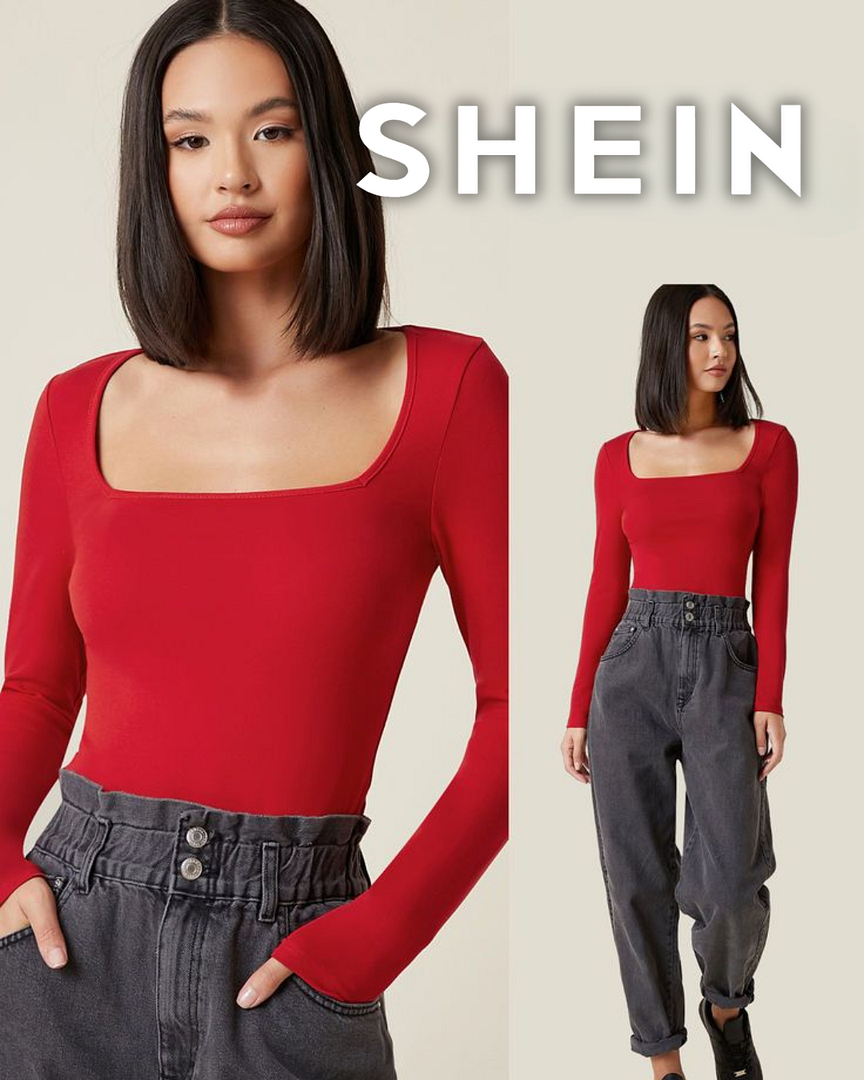
Fashion has always been about more than clothes. It can reflect culture, identity, creativity, and even the time we live in. But in recent years, the way we buy those clothes has become a subject of growing discussion. As fashion becomes faster and more accessible, consumers are also asking harder questions about where their clothes come from, how much they cost, and what happens after they are no longer wanted.
Few names sit closer to this conversation than SHEIN. The online fashion retailer has become widely known for its huge selection and affordable prices, making it possible for shoppers to explore new styles without spending a large amount of money. At the same time, the brand has faced public scrutiny and questions connected to the wider fast fashion industry.
That tension is part of a much bigger conversation. It is not as simple as deciding that affordable fashion is either good or bad. For many people, price matters. For others, environmental impact and responsible production are becoming increasingly important. For most shoppers, the reality probably sits somewhere in between.
Why Fast Fashion Is Still Being Discussed
The appeal of fast fashion is easy to understand. Trends move quickly, and people want access to new styles without having to spend a fortune. A lower price can also make clothing more accessible to shoppers who have limited budgets or simply cannot justify spending heavily on every item they buy.
SHEIN has built much of its popularity around this demand, offering a large variety of styles at prices that can make fashion feel more accessible. For someone looking for an outfit for a special event or wanting to experiment with a trend, affordable options can be genuinely useful.
The concern comes from what happens when affordability and constant newness encourage people to buy more than they need. When clothing is inexpensive and trends change rapidly, it can become easier to treat clothes as temporary rather than as things we expect to keep and wear for years.
This is one reason SHEIN continues to be part of discussions about fast fashion. The brand represents the convenience and accessibility that many shoppers value, while also being connected to questions about consumption, production, and environmental responsibility.
These questions are not unique to one company. They reflect challenges across the entire fashion industry, from how clothing is produced to how it is transported, sold, used, and eventually discarded.
A More Complicated Choice for Consumers
The conversation becomes more complicated when you consider the different realities of shoppers. Someone with a generous clothing budget may be able to prioritize higher priced garments made with certain materials or production standards. For another person, affordability may be the deciding factor.
SHEIN’s popularity shows that there is a real demand for fashion that is affordable and easy to access. At the same time, growing awareness about sustainability means consumers are increasingly interested in understanding the impact of their purchases.
The company has introduced sustainability related initiatives and made efforts to address some of these concerns, but it continues to face public scrutiny. That is why the discussion around SHEIN and fast fashion is still evolving. There are no simple answers, and consumers are becoming more aware that the choices they make can involve several competing priorities.
For shoppers, the challenge is finding a balance that feels realistic. Buying from a more sustainable brand is not always financially possible, and choosing an affordable retailer does not automatically mean someone is careless about the environment. Responsible shopping can take many forms.
One practical step is simply buying less impulsively. Before purchasing something, consider whether you can imagine wearing it several times. Think about whether it works with clothes you already own and whether you genuinely like it beyond the excitement of seeing it online.
SHEIN can be approached in the same way as any other retailer. Instead of filling a cart with items that may only be worn once, shoppers can focus on pieces they are likely to use repeatedly. Reading product information, checking sizing, and paying attention to materials can also help people make more informed choices.
Another option is to extend the life of the clothes you already own. Taking better care of garments, repairing small problems, donating unwanted items, or finding creative ways to restyle older pieces can reduce the pressure to constantly buy something new.
The conversation around fast fashion is unlikely to disappear anytime soon. If anything, it will probably become more nuanced as consumers continue to balance cost, personal style, convenience, and environmental concerns.
SHEIN remains an important part of that conversation because it reflects both sides of the modern fashion experience. It offers affordability and variety that many shoppers appreciate, while its position in the fast fashion industry raises questions that deserve thoughtful discussion.
Ultimately, responsible fashion does not have to begin with a perfect wardrobe or an unlimited budget. It can start with smaller decisions. Shop with intention, think before you buy, and make the most of what you already own. If you choose to explore SHEIN, approach it thoughtfully by looking for pieces you will genuinely wear and considering how each purchase fits into your existing wardrobe.
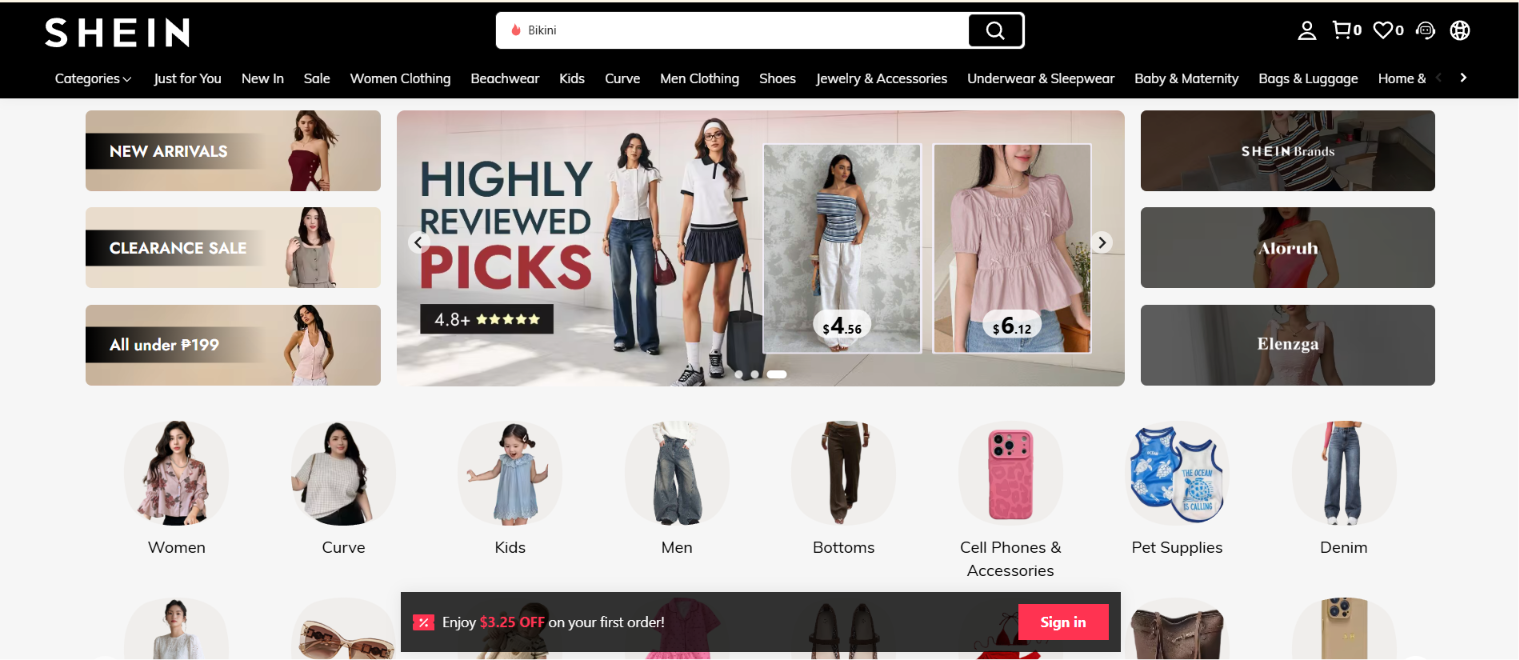
The next time you shop for something new, pause before you click purchase. Ask yourself whether you need it, whether you will wear it, and whether it adds something meaningful to your wardrobe. Fashion is always changing, but becoming a more conscious shopper is a choice you can make today.