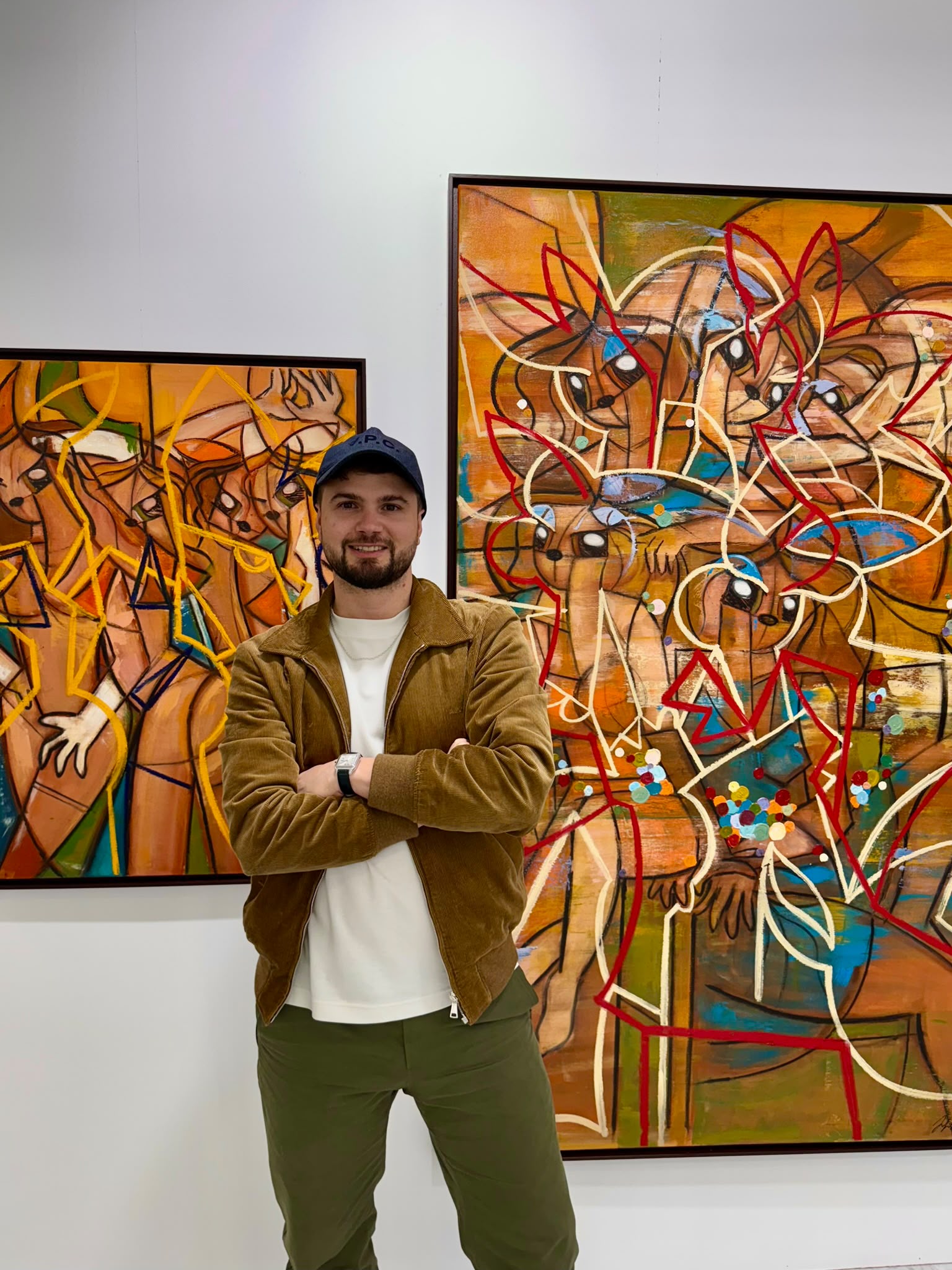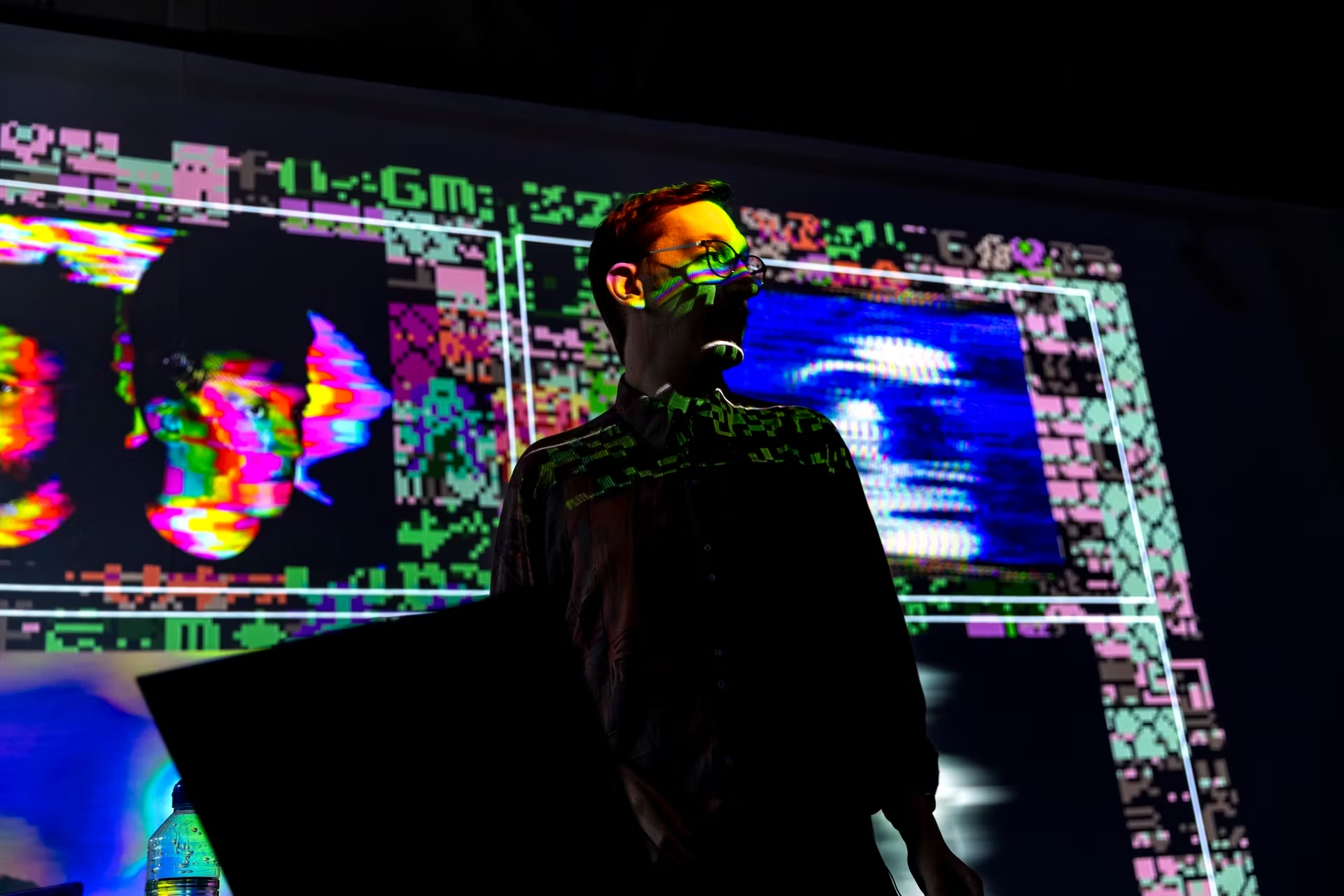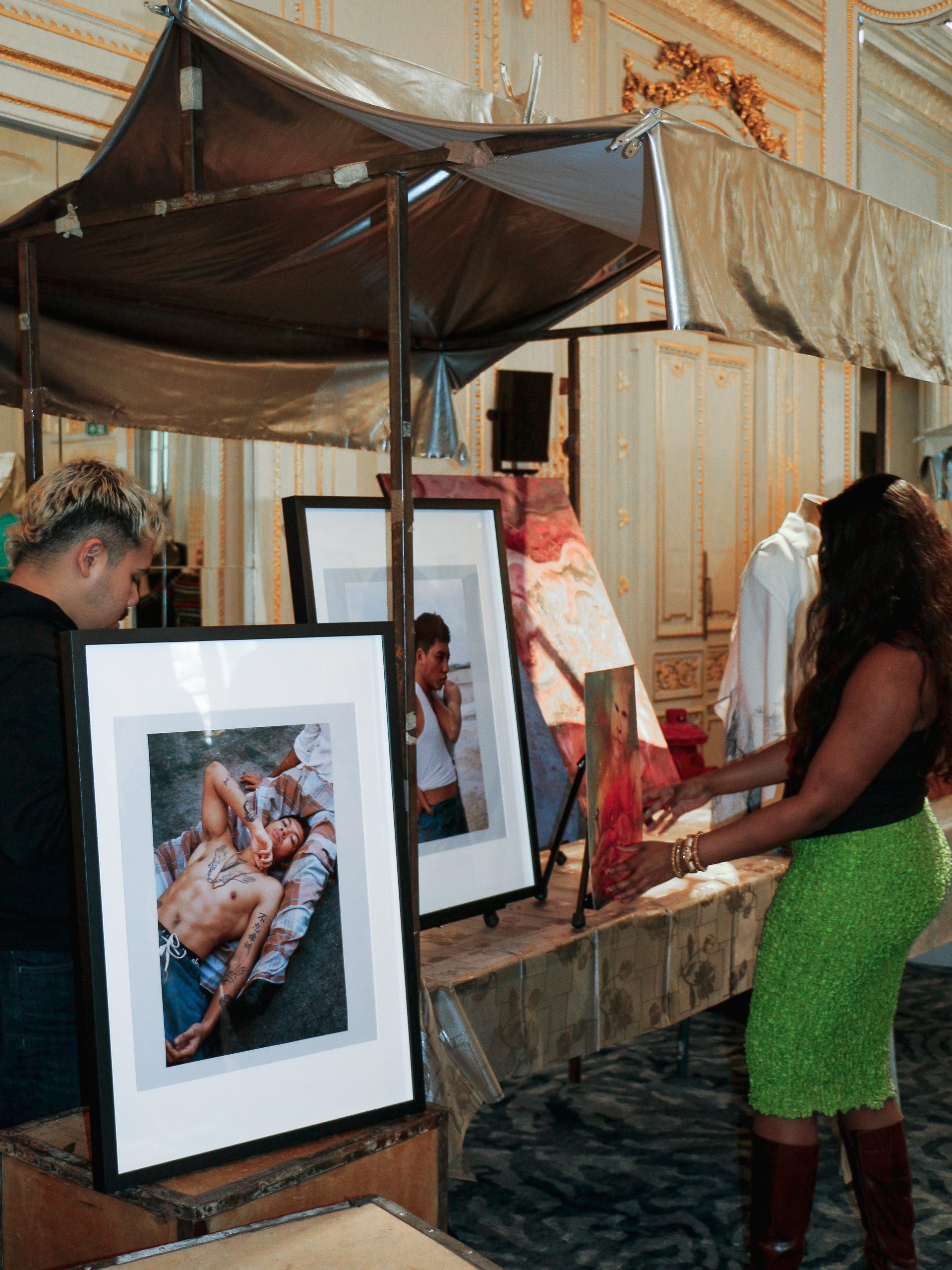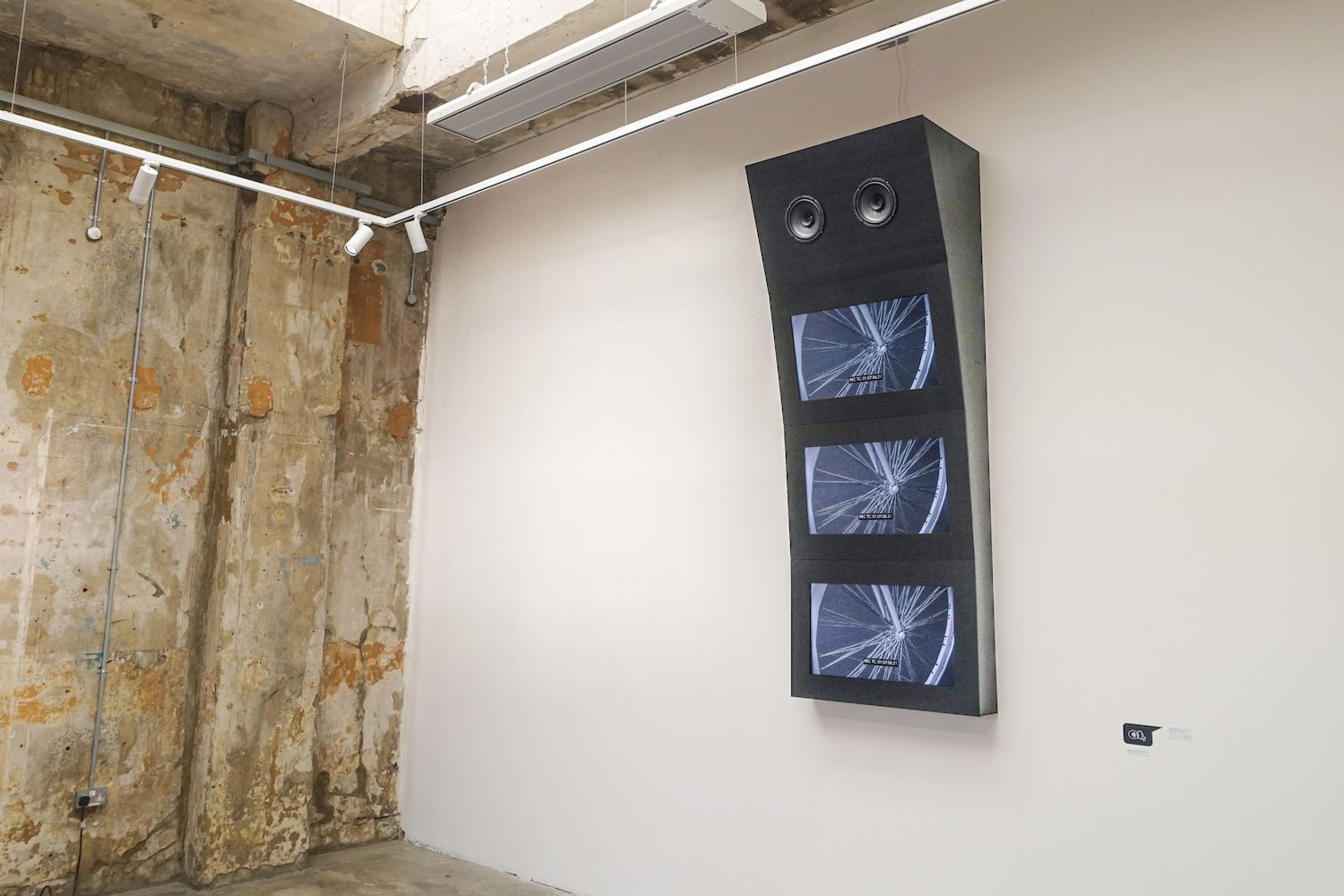
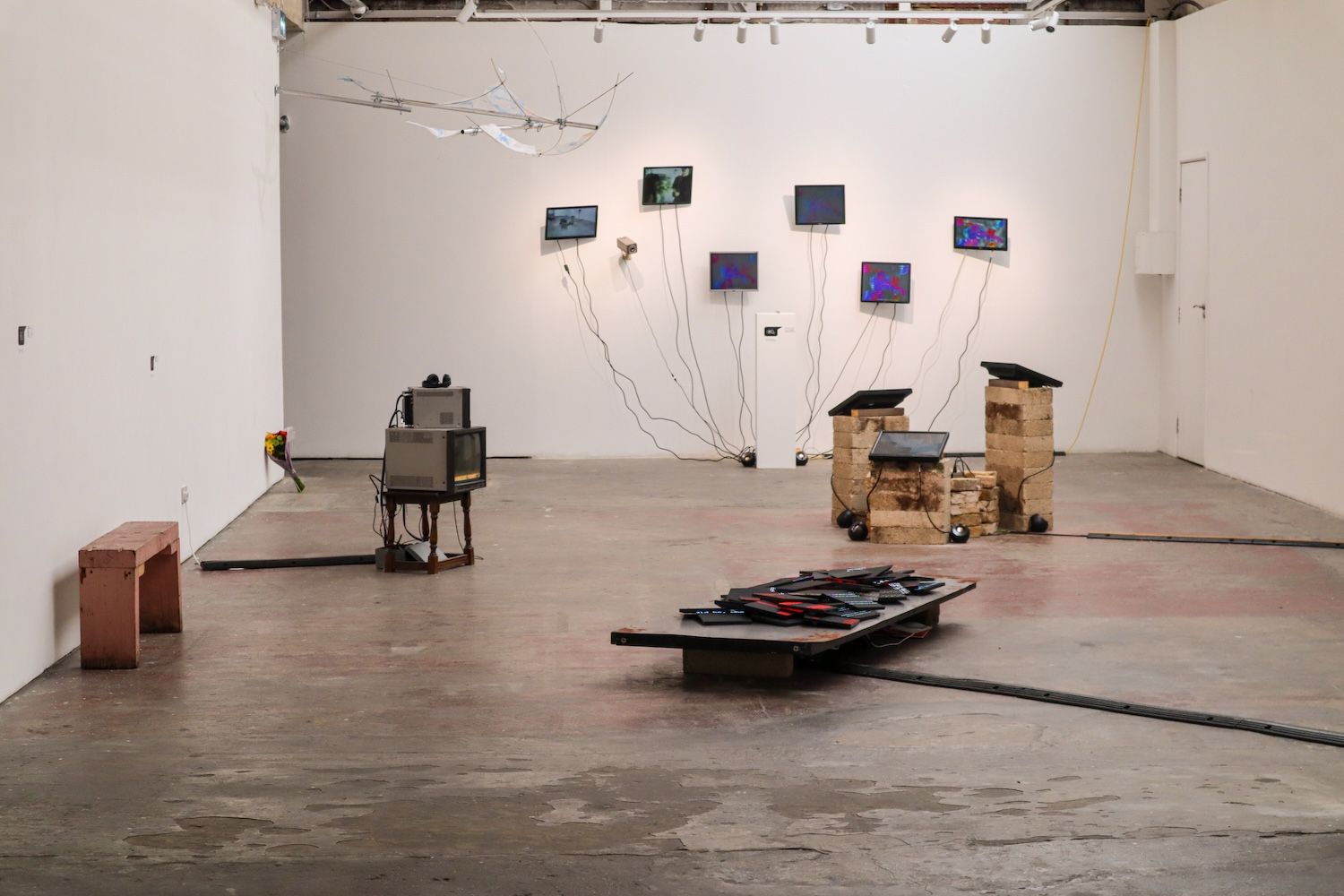
The Phreaking Collective – Xach Hill, Melissa (Yunzhi) Li and Nikos Kourous Vázquez – are a London based group of computational artists working across code, sculpture, sound, installation, and digital media.
Ahead of their computational arts festival, Can We Start Again, the collective sat down to discuss what computational art has to say about the current tech dystopia, the politics of their work and why artists should work with technology.
How did the collective come about?
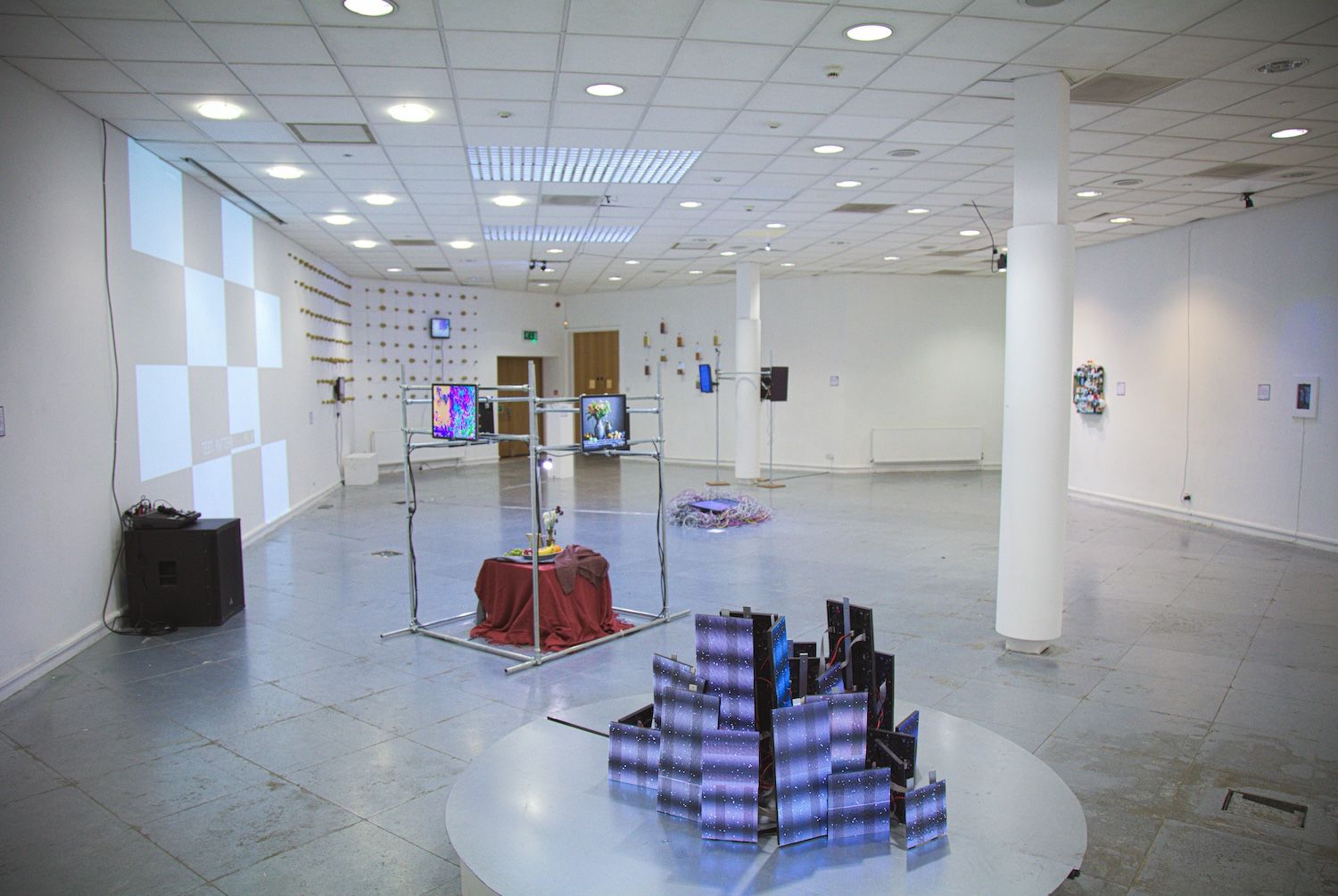
Xach Hill: We were on the computational art course at Camberwell, which is an amazing part of the art department. We ended up working together on different projects. It got to a tipping point where we said: let’s make this official. We applied for our first show, and that’s when we put the name together and set out the guidelines of what we wanted to do.
Nikos Kourous Vázquez: Computational art doesn’t have a space dedicated to it. It’s often a fine art show that has maybe one or two computational pieces, so we wanted to focus on computational art especially.
What do you mean by computational art?
XH: There’s digital art, which has finally got Arts Council recognition, but we have always thought of ourselves as computational artists. For us, digital art is something that has a product in digitality. It’s often screen based. We’re not defined by our outputs being computer based.
Why did you choose the name Phreaking?
Melissa Li: When we had our first show at Copeland Gallery, we had been working together for a few months. We were all trying to come up with a name. I was flipping through this book called The Art of Hacking by Juli Laczkó. They are a researcher and artists from Utrecht School of the Arts. It went into details of the creativity of hacking culture. I really like it [phreaking] for its pun, but the term itself is referring to the 1960s/70s movement to hop on free telephone calls to use that as creative mischief.
NKV: We went with that name to revive that approach to technology, to bring it into a modern internet ecosystem, and remind ourselves that we’re not always just working with technology, we’re also sometimes working against it.
What connects the different practices within the Phreaking Collective?
NKV: It’s a love for computing, for coding, and creating through computation. When we get together, that’s the through line between us.
XH: We were all born around the year 2000 so we were some of the first people to grow up with a computer. We all have very different methodologies, but our lived experiences bind us all together.
How political is computational art?
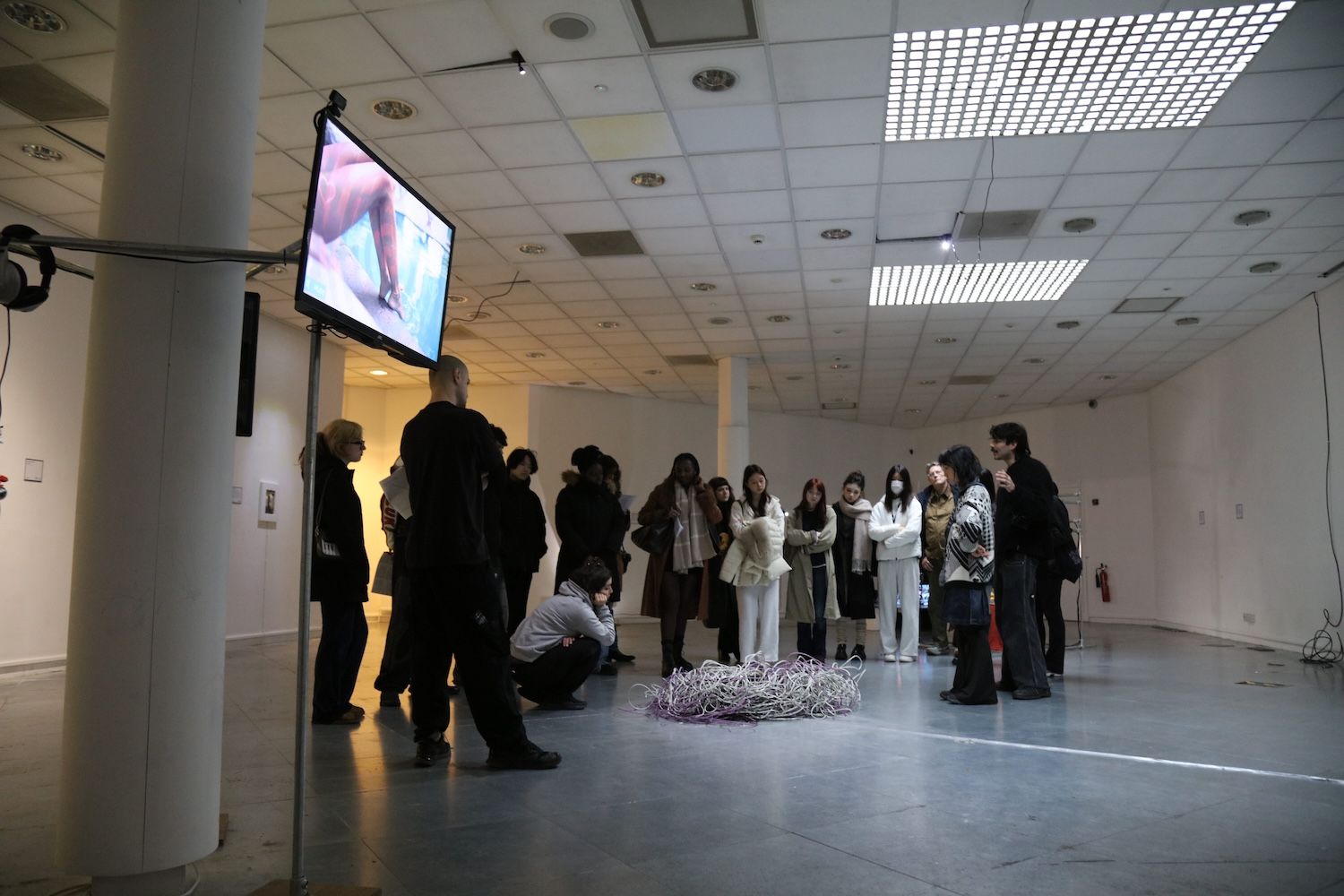
ML: In our current climate technology is ubiquitous. We want to utilize it in a creative way, offering different perspectives.
NKV: Computational art is the only medium where the tools that you’re using themselves, just by holding them, already radiate politics. A painter can hold a paintbrush and paint, and the paintbrush is not inherently political. It feels sometimes with computational art, the paintbrush that you’re using itself is screaming things at you. It feels like you’re constantly wrestling with that tension.
Your festival is called Can We Start Again. What are you hoping to start again?
NKV: The fundamental philosophies that guide the web and technology. We’re looking back at early models of the web that were more cooperative and less suffocating.
XH: In many ways we believe that digital culture has lost its way from the ethos of the early internet and open communication. There’s people who cry out: burn the data centres. They’re quite large cries. We want to explore whether we can start again. What would the building blocks for starting again be? Or is it too late?
What can we expect from the festival?
ML: It will be a very exciting program of talks, workshops, seminars, film screenings, and performances. People can expect to share interests in technology, computers, philosophy, and art. We’ve got some big names doing talks, we’ve got an experimental sound night as well. Nina Davis, who we are fan girls and fan boys of. They’re going to do a talk on the 11th [of July].
XH: Talks we have confirmed are Nina Davies [a performance, video, and multimedia artist who explores the friction between humanity and technology], Olivia Ema [a creative technologist and immersive artist], and Kat Macdonald, who runs the London Community Laptop Orchestra, and is an amazing [sound and performance] artist. We’ve also got Marcus Round from Goldsmith University.
NKV: The performance night, we’ll have Ellis Berwick & Willow Swan, [whose work encompasses sculpture, sound and live performance]. We’ll also have London Live Coding group doing an Algorave.
What do you want visitors to leave the festival thinking about?
ML: Hopefully some new discussions and reflection on any of the aspects we will bring up, whether it’s their relationship to technology or a new way of working with computers and code, and then also hopefully inspiring people to create something similar.
NKV: I want to inspire people that are pessimistic about technology. There’s a lot of people who feel angry and dismissive, which is understandable, but I’d want them to come out of the festival with a bit more hope, having known that there are people engaging critically with these systems.
Many of your works explore hidden systems. What draws you to what happens behind the screen?
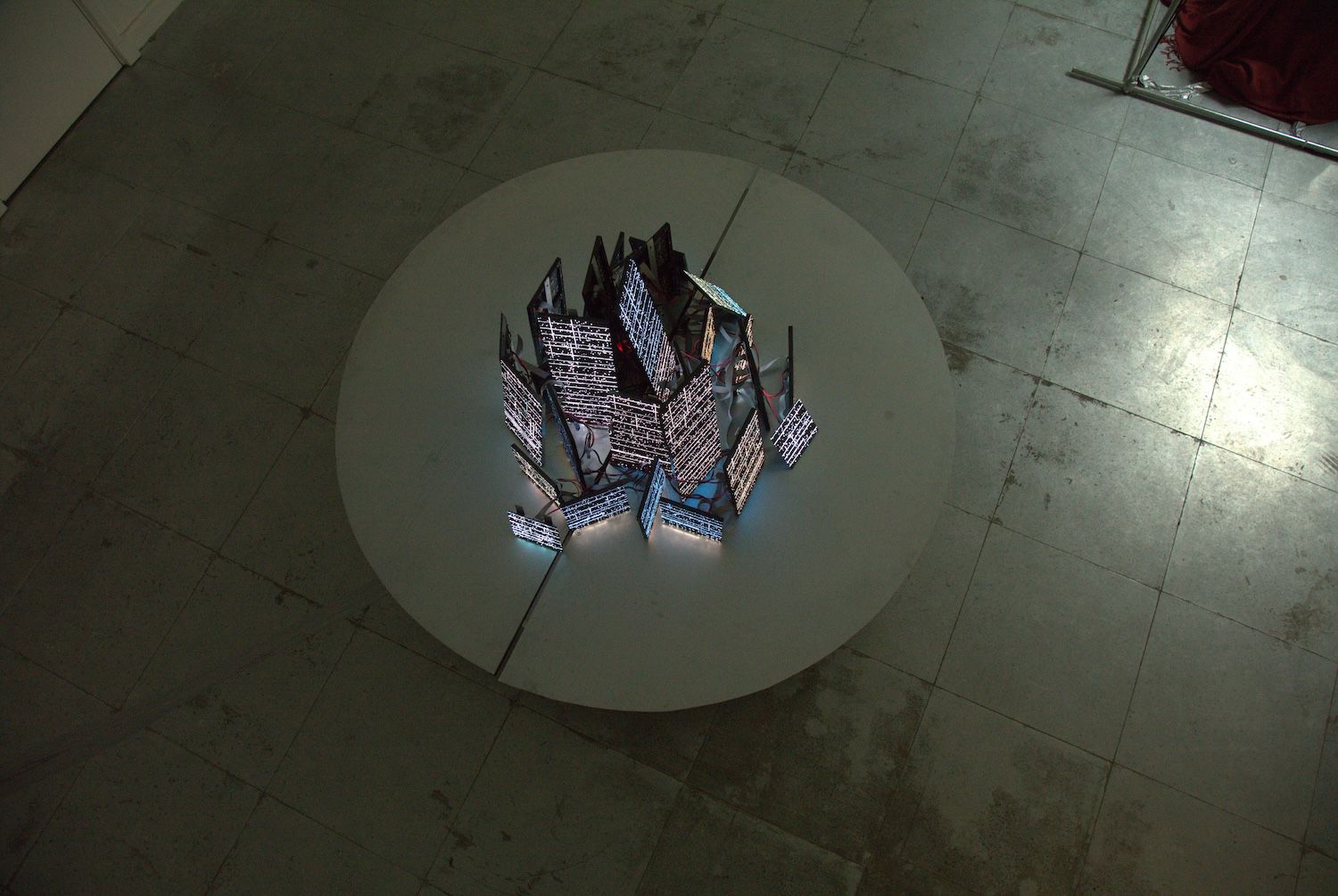
ML: I’m drawn towards what goes on behind the screen, because the hidden systems shape how we communicate and interact and remember. It’s a great way to introduce people who are outside of the knowledge base, but not to throw a presentation at them, or throw an essay at them, but rather to introduce the topic or the process in an artistic and accessible way to make it seem more approachable and understandable.
XH: These hidden systems have a massive impact on what we get served on social media, how we connect with other people, who you match with on a dating site, what you watch. These hidden systems could be explored in a more critical way.
NKV: You can only be critical of something when you understand it. As computational artists, we can create a bridge between the hidden system and the user, and that bridge allows people to critique it. Otherwise, it’s just this ephemeral thing that you can’t really talk about.
In the current tech landscape, I’ve noticed a lot of Luddite ideas. What is your relationship to the wider anti-tech movement?
NKV: I completely understand that perspective. It’s totally reasonable why people feel the need to just cut these systems out. That being said, it’s important to not always run away from these things that scare you. If you want to be critical about them, you should run towards them instead. Some people miss the ability to critically engage with the systems when they just cancel them out. There needs to be a balance between the two, and that’s where computational art stands. I’m aware that these systems are messed up, but at the same time if I didn’t use them or engage with them, then I wouldn’t be able to critique them.
What are you planning for the future?
XH: The goal is to have a dedicated space, the first in London to be dedicated to computational arts, for exhibitions, workshops, talks, community meetups, and all the things that we really enjoy putting on, and that the community rallies around.
ML: We’re super inspired by TIAT Space in San Francisco. Their tagline is “a space for the intersection of art and technology.” They gather a similar audience to us as well. It’s something that we also want to work towards in the future, having a set location, ideally in South London.
XH: We really want to set up a base around here. We’re so busy with the festival right now, but we want to make a dedicated and impactful space.
Can We Start Again runs from the 8th to the 12th of July at 55 Kennington Oval, London.
Find out more about The Phreaking Collective on Instagram or visit their website.
Interview Alastair Ball